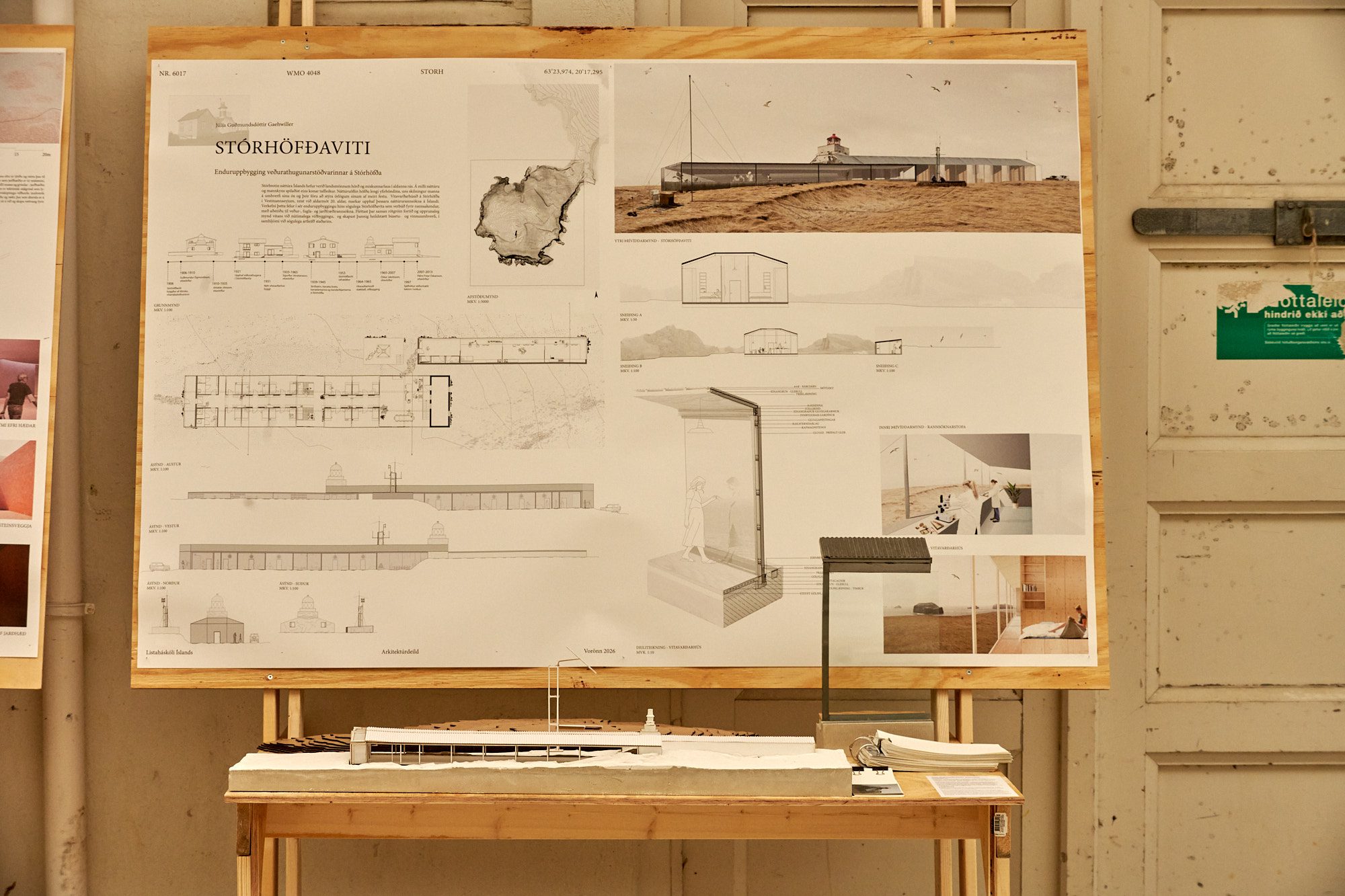
Stórbrotin náttúra Íslands hefur verið landsmönnum hörð og miskunnarlaus í aldanna rás. Á milli náttúru og mannkyns spilaðist eins konar taflleikur. Náttúruöflin höfðu lengi yfirhöndina, uns skilningur manna á umhverfi sínu óx og þeir fóru að stýra örlögum sínum af meiri festu.
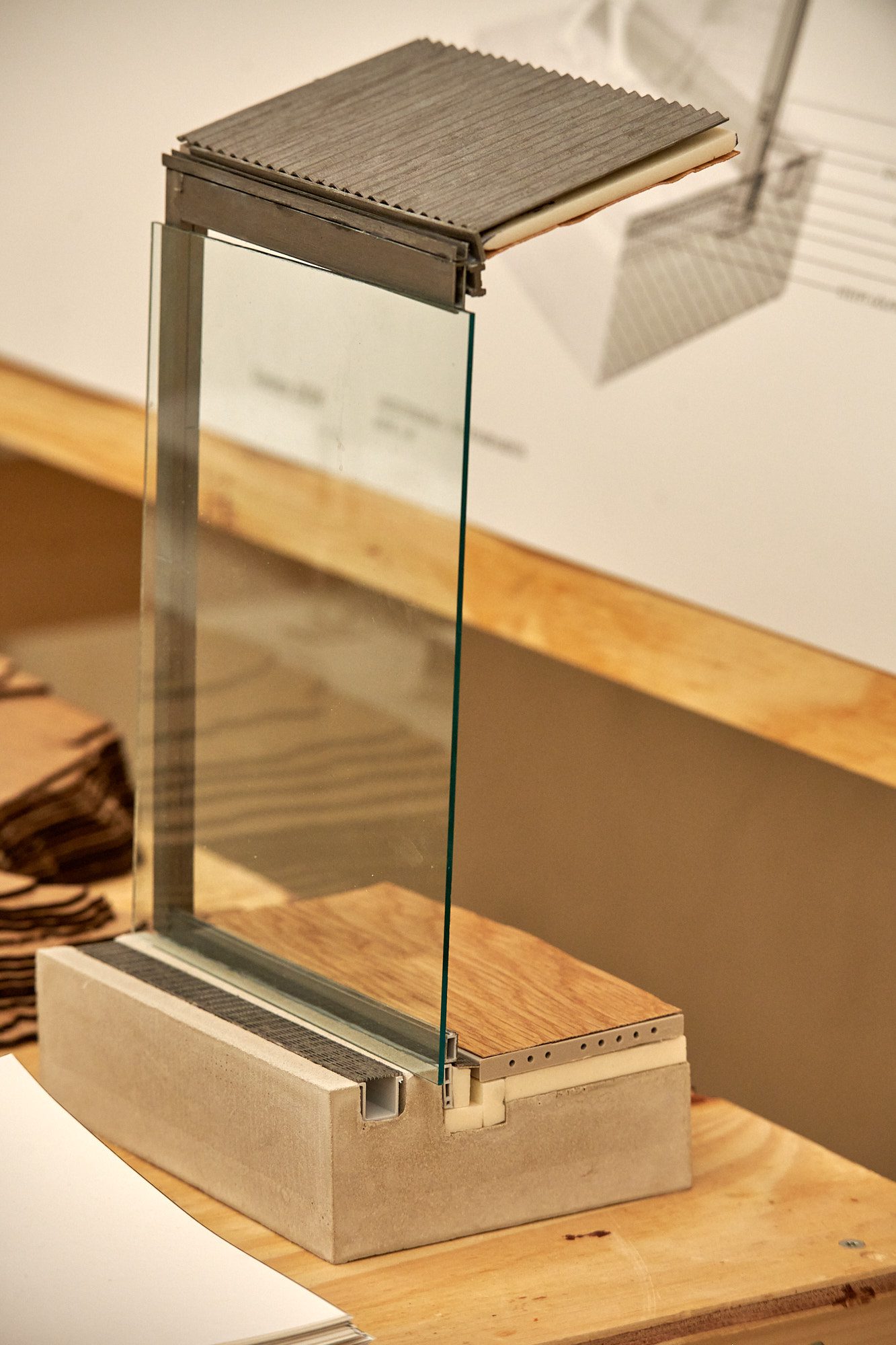
Vitavarðarhúsið á Stórhöfða í Vestmannaeyjum, reist við aldarmót 20. aldar, markar upphaf þessara náttúrurannsókna á Íslandi. Verkefni þetta felur í sér enduruppbyggingu hins sögulega Stórhöfðavita sem verbúð fyrir rannsakendur, með aðstöðu til veður-, fugla- og jarðfræðirannsókna. Fléttast þar saman rótgróin fortíð og upprunaleg mynd vitans við nútímalega viðbyggingu, og skapast þannig heildstætt búsetu- og vinnuumhverfi, í samhljómi við sögulega arfleifð staðarins.
Iceland’s powerful and harsh environment has compelled its inhabitants to a constant negotiation with nature for survival. A quiet contest of endurance and adaptation where knowledge of nature became a tool for improving living conditions. In the early 1800s, intentional observations of Iceland’s natural environment began to emerge, with the Stórhöfði lighthouse serving as one of the initial observation sites, perched on the southern edge of the Westman Islands. The project centers on transforming the derelict lighthouse into a living research station, with facilities for meteorological, ornithological, and geological studies. The original structure is preserved and connected to a contemporary extension, creating a cohesive living and working environment with harmony between man and nature
as well as the past and the present.
Myndir: Claudio Parada Nunes
Júlía Guðmundsdóttir Gähwiller
STÓRHÖFÐI
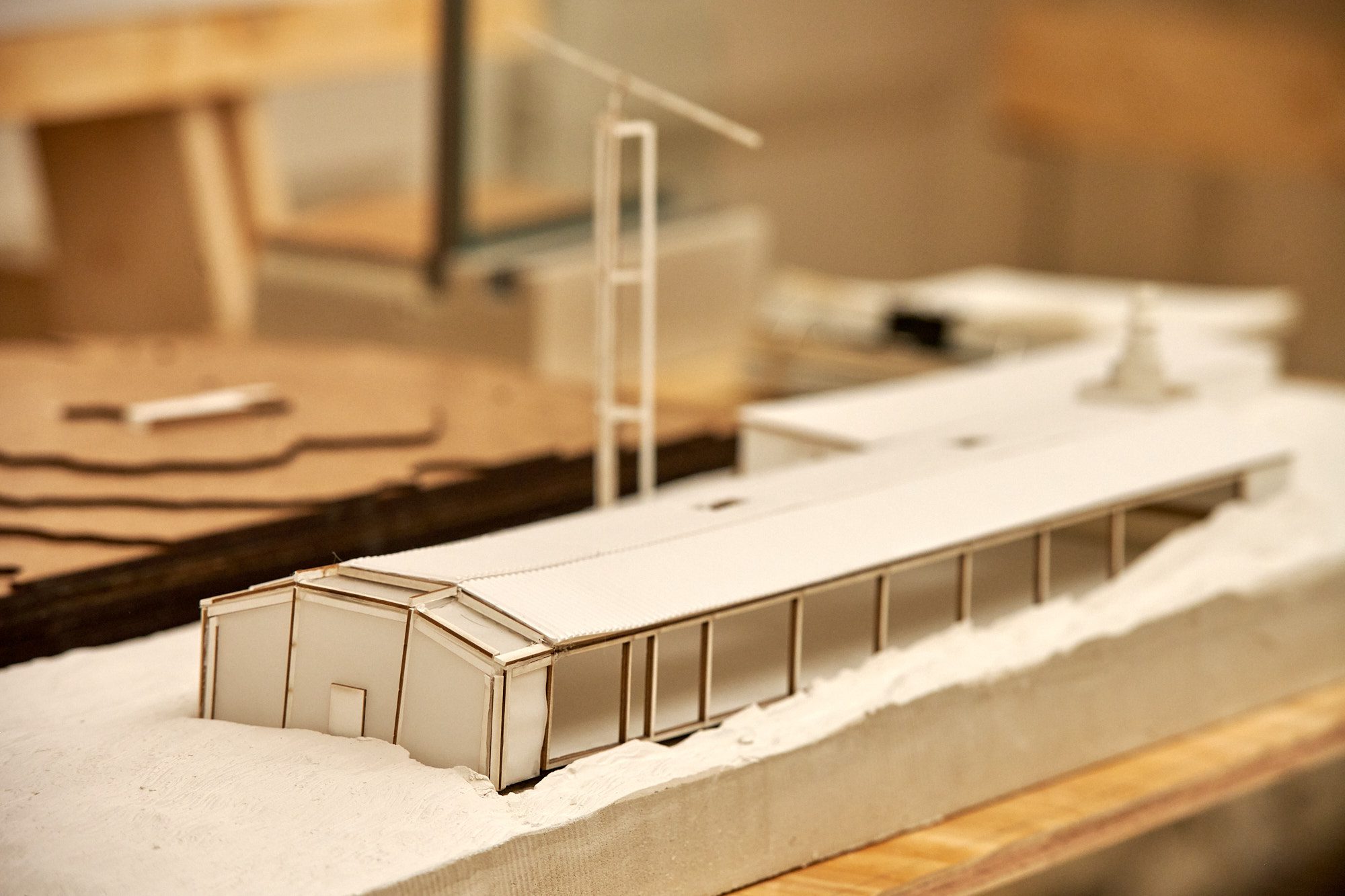
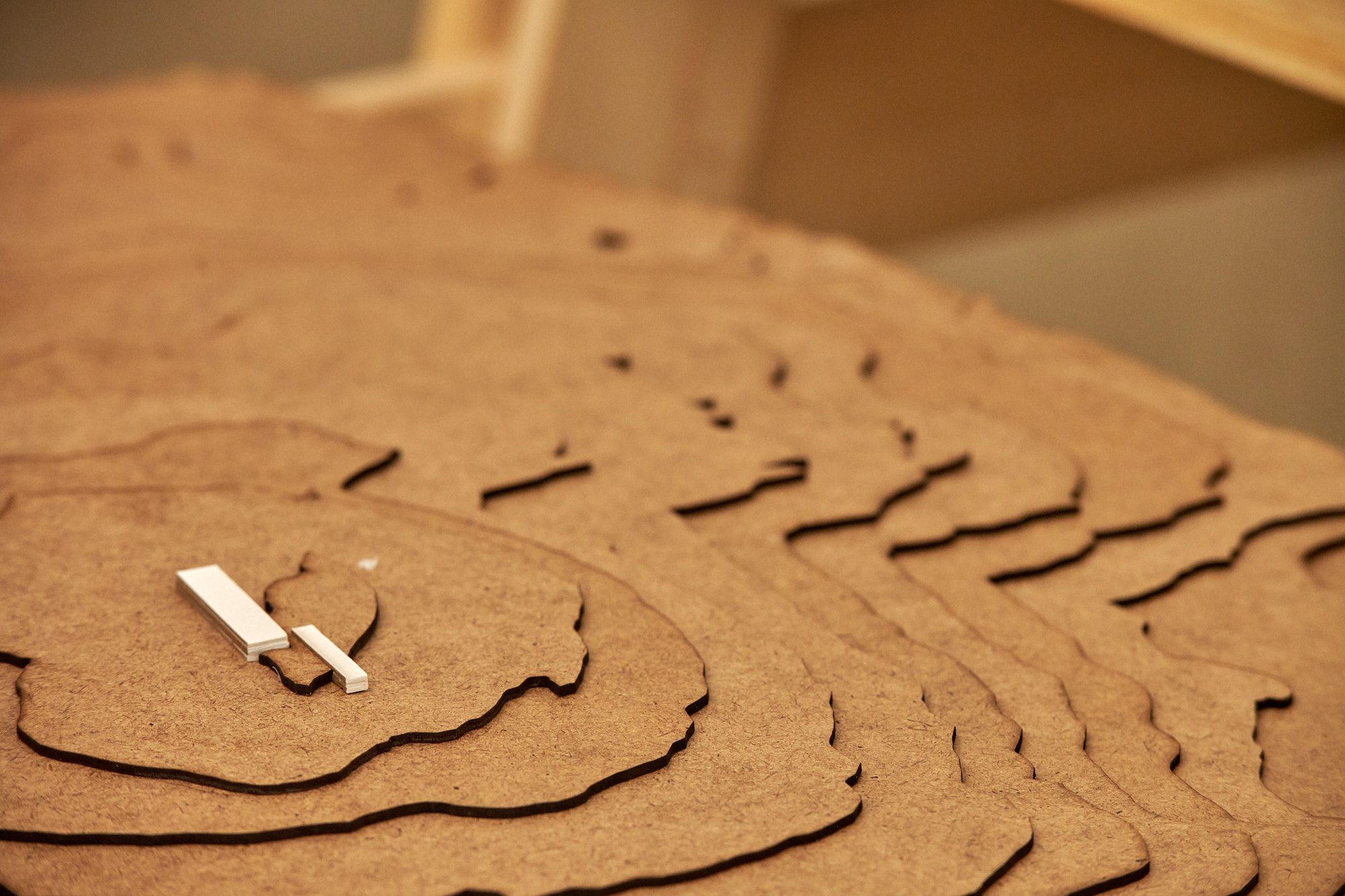
Verkið í myndum.