Iceland's spectacular nature has been harsh and merciless to the people of the country over the centuries. A kind of game played between nature and humanity. The forces of nature had the upper hand for a long time, until people's understanding of their environment grew and they began to control their destiny more firmly.
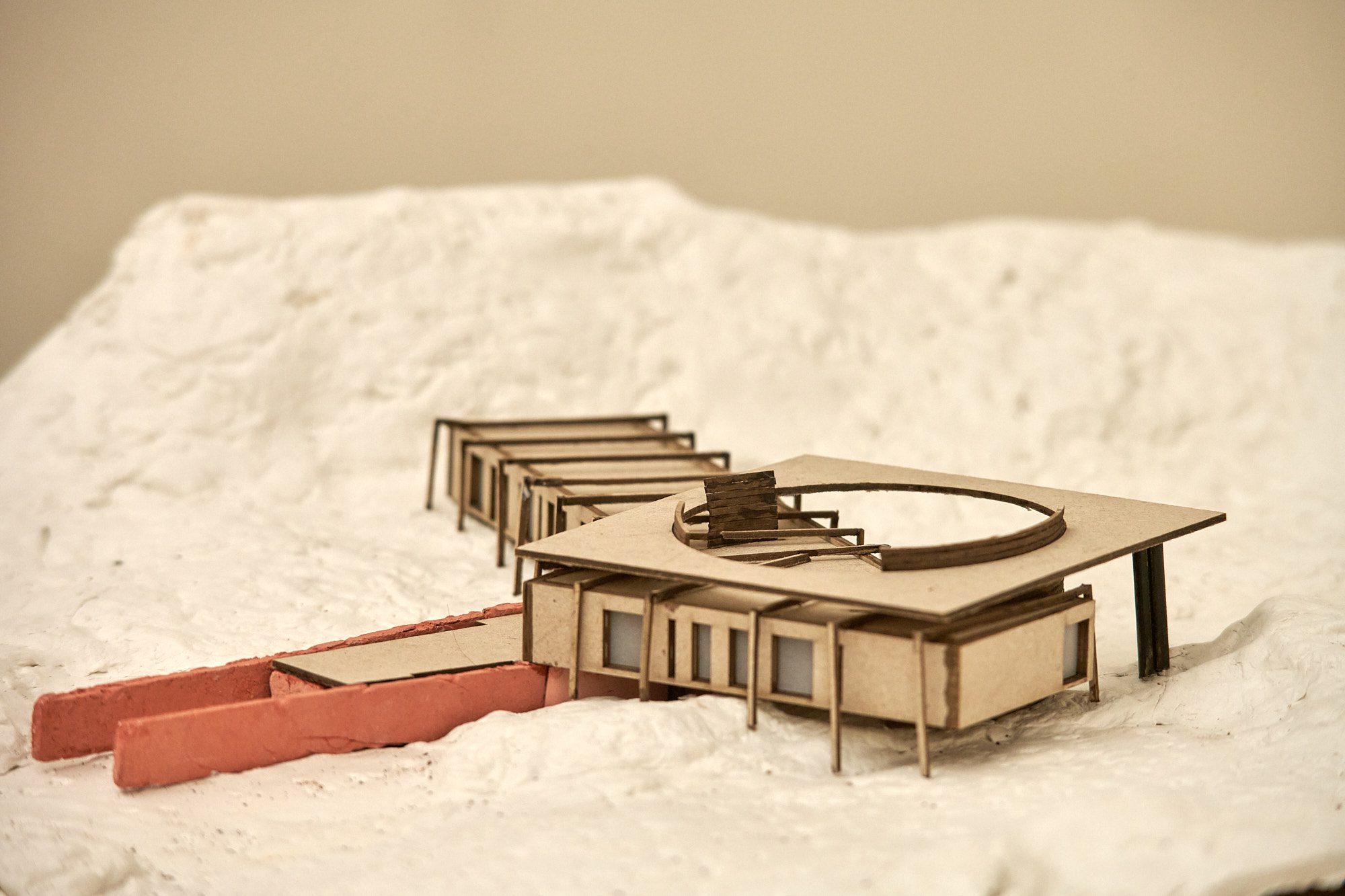
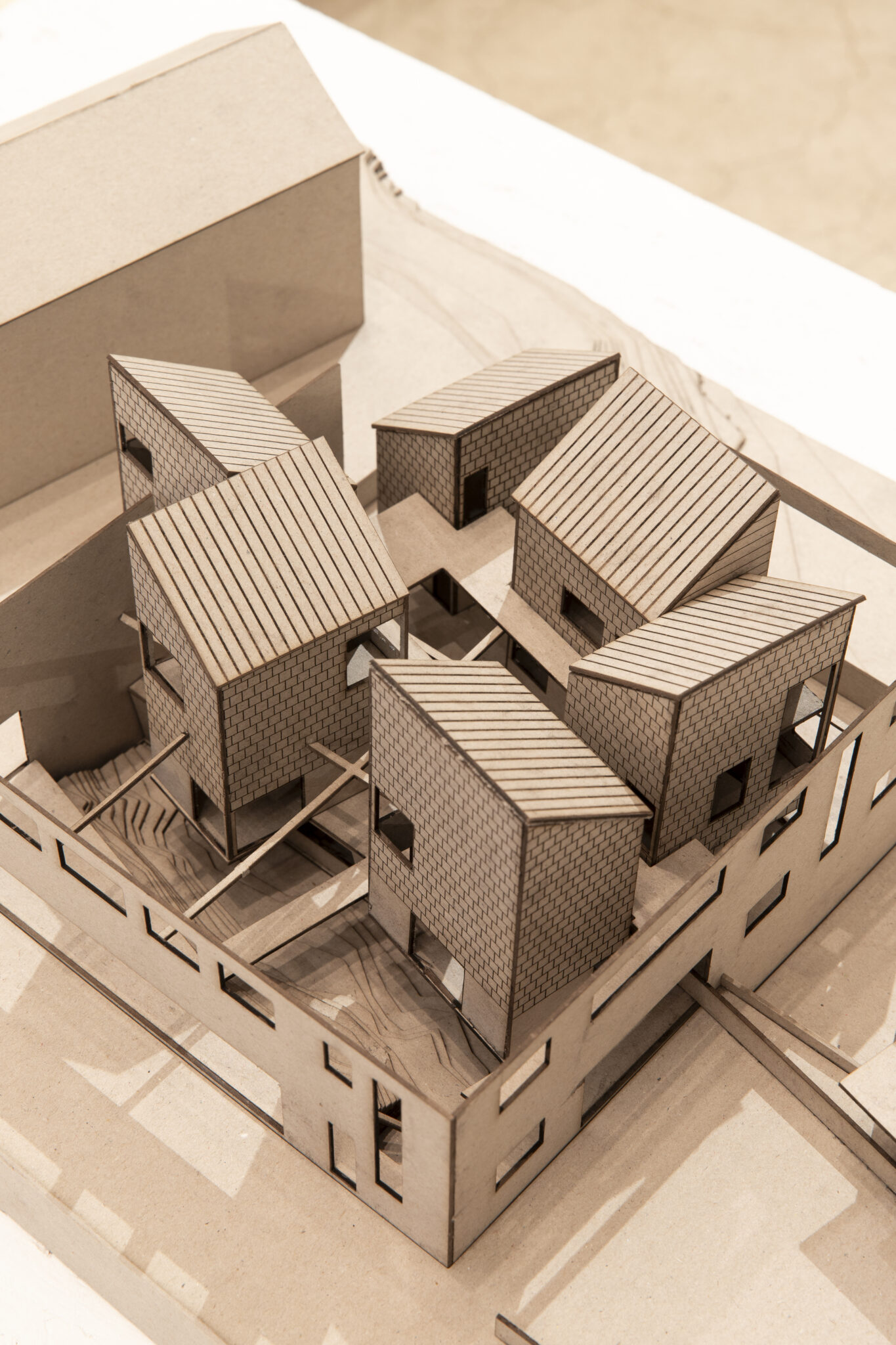
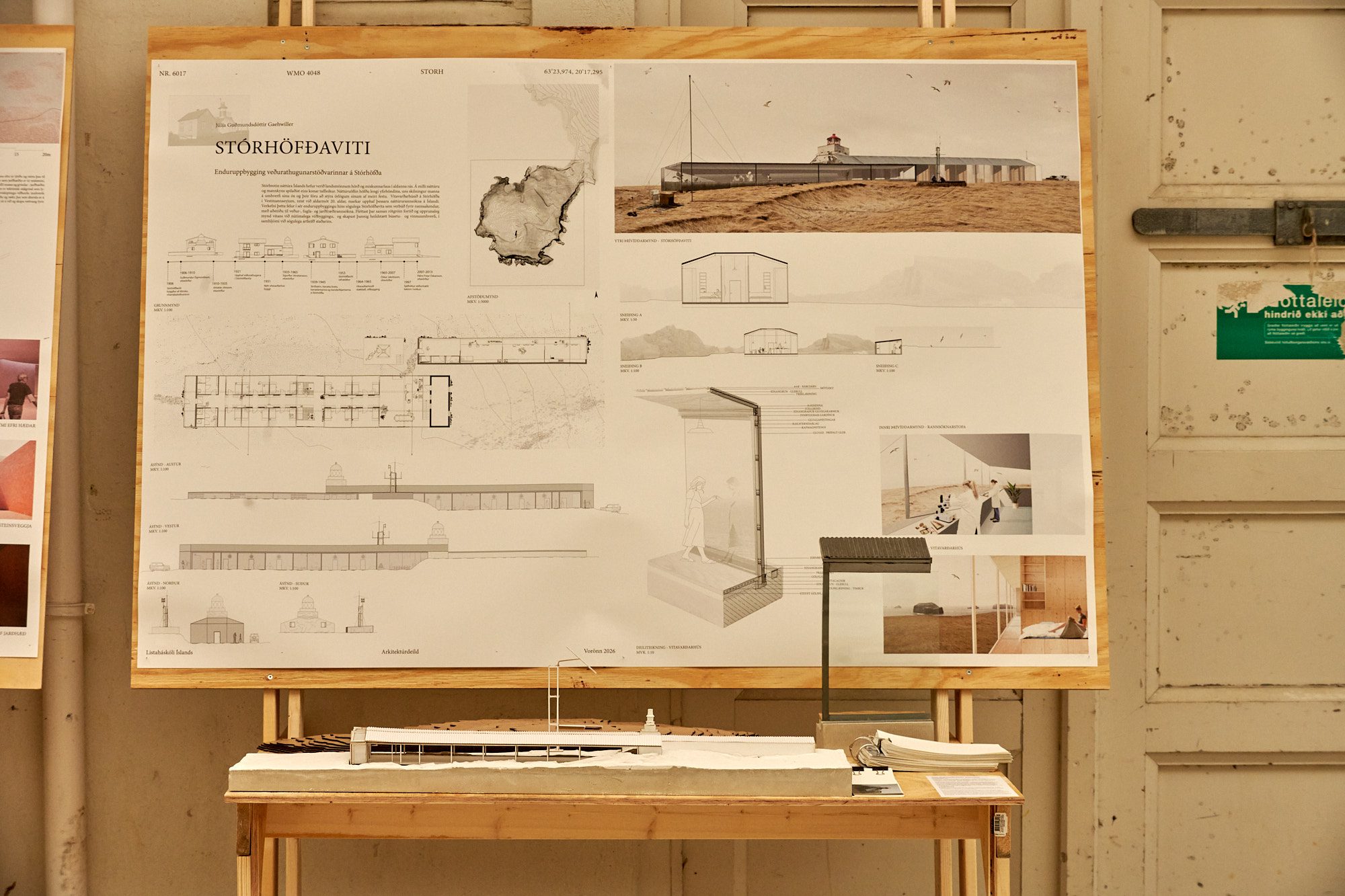
The lighthouse keeper's house on Stórhöfði in Vestmannaeyjar, built at the turn of the 20th century, marks the beginning of these natural studies in Iceland. This project includes the reconstruction of the historic Stórhöfðaviti as a shelter for researchers, with facilities for weather, bird and geological research. There, the established past and original form of the lighthouse are intertwined with the modern extension, thus creating a coherent living and working environment, in harmony with the historical heritage of the place.
Iceland's powerful and harsh environment has completed its inhabitants to a constant negation with nature for survival. A quiet contest of endurance and adaptation where knowledge of nature became a tool for improving living conditions. In the early 1800s, intentional observations of Iceland's natural environment begin to emerge, with the Stórhöfði lighthouse serving as one of the initial observation and conservation sites, performed on the southern edge of the Westman Islands. The project centers on transforming the derelict lighthouse into a living research station, with facilities for meteorological, ornological, and ecological studies, and conservation studies.
as well as the past and the present.
Photos: Claudio Parada Nunes
Júlía Guðmundsdóttir Gähwiller
BIGHEAD
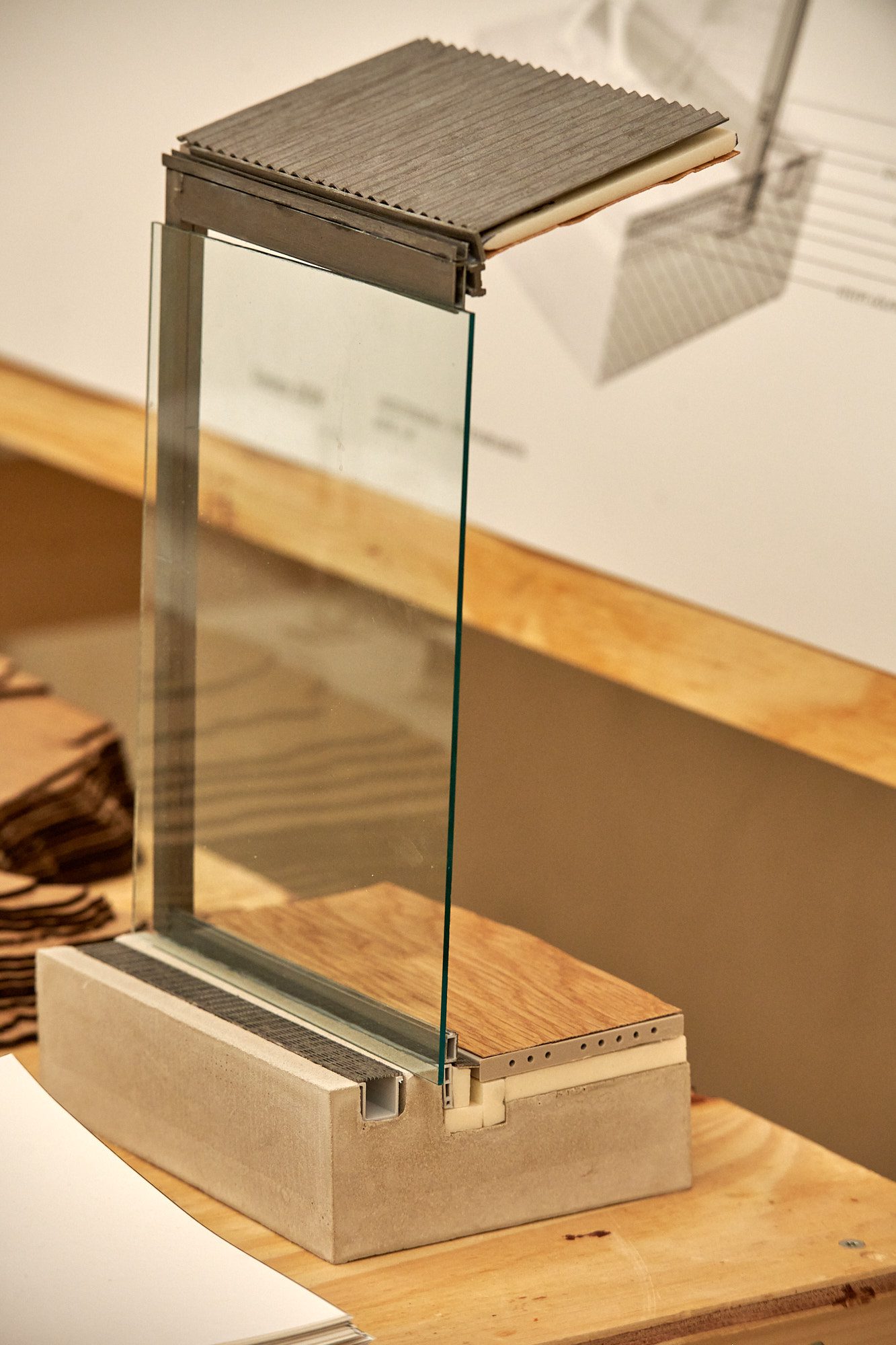
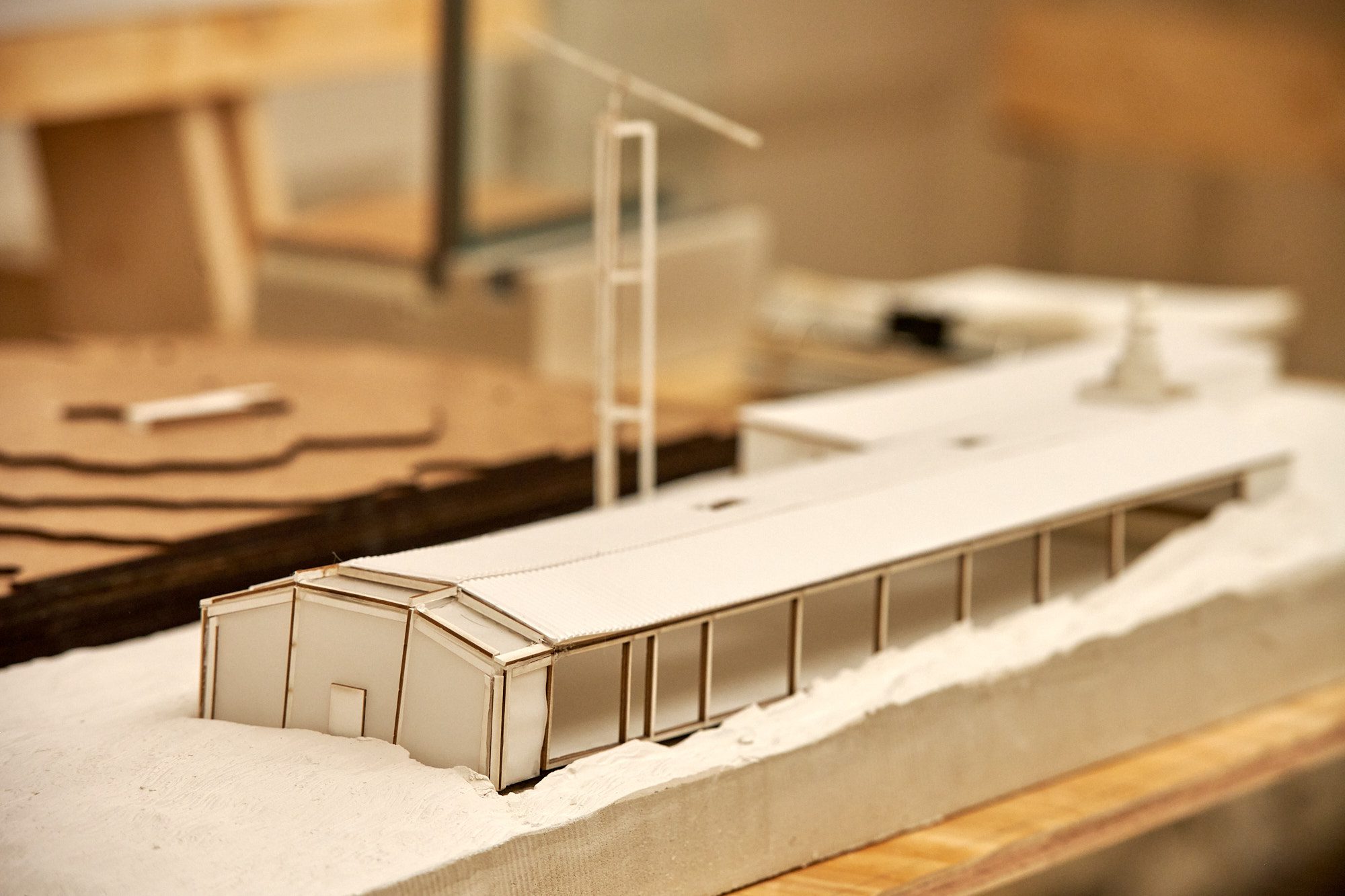
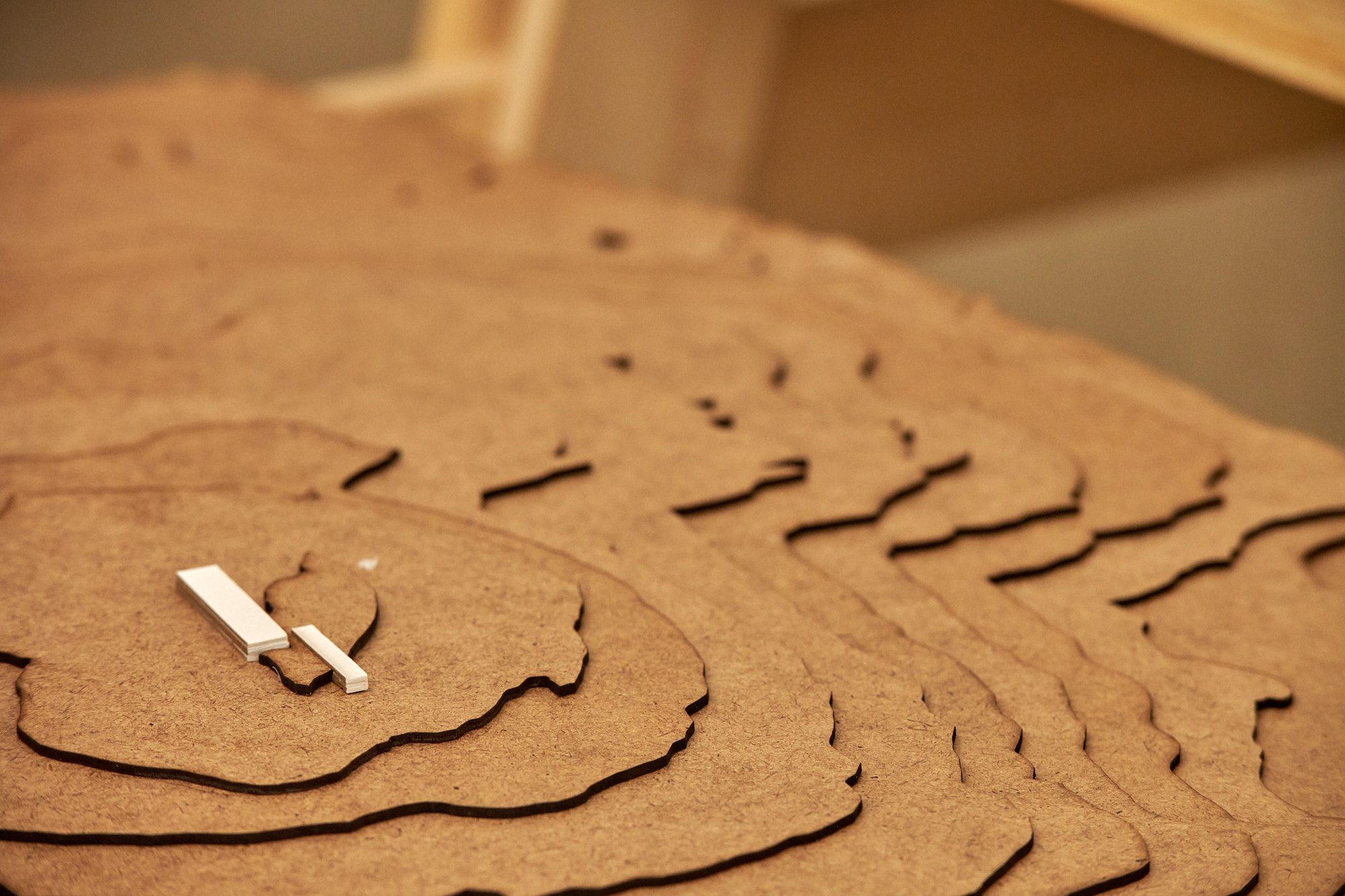
The work in pictures.