Automatic translation by Google Translate.We cannot guarantee that it is accurate.
Skoða vefinn á Íslensku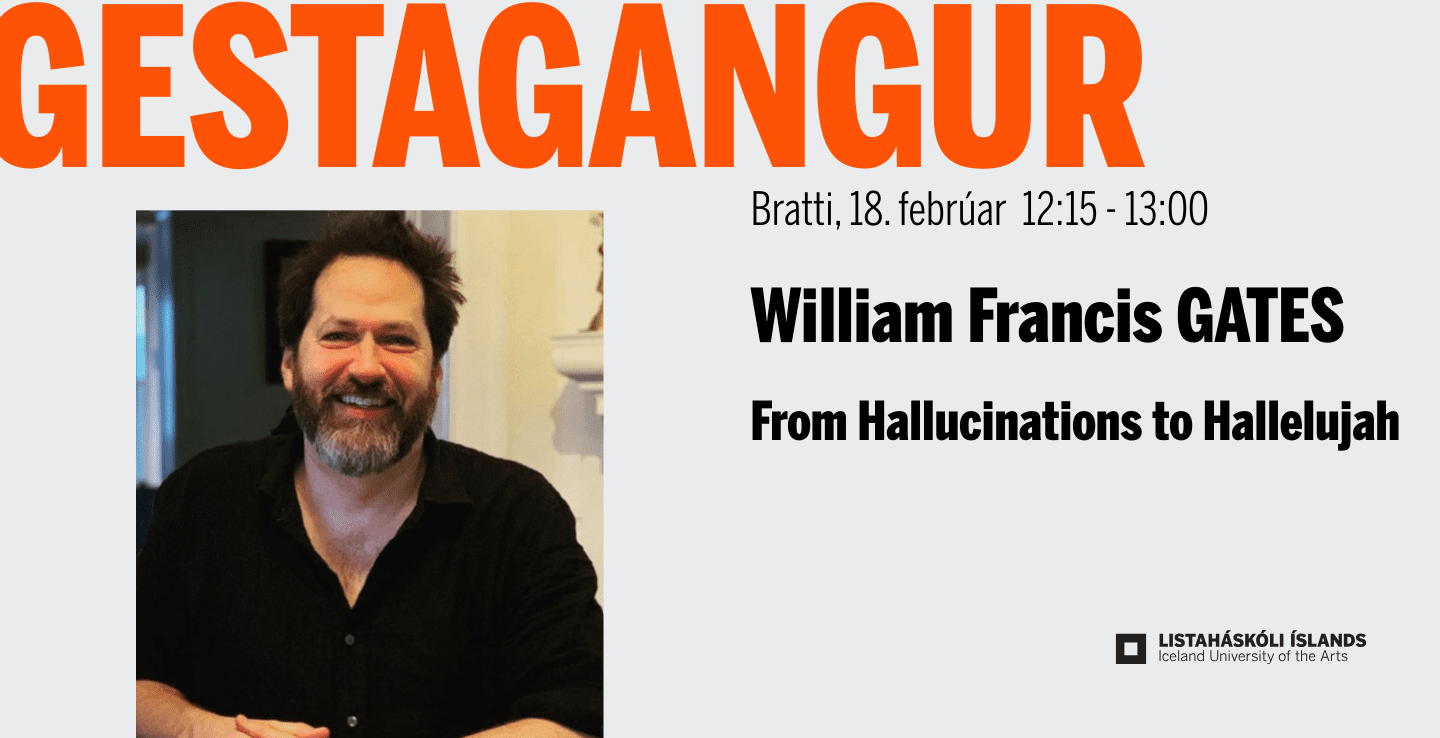
„From Hallucinations to Hallelujah“
This presentation explores how generative AI can enhance rather than diminish human creativity in architectural education. Drawing on his co-authored, empirical and qualitative research published December 2025 in Computers and Education: Artificial Intelligence, William Gates demonstrates that semantic fluency—the richness and diversity of language used in crafting AI prompts—directly correlates with creative visual outcomes. The research reveals a statistically significant relationship between prompt linguistic complexity and aesthetic quality of AI-generated images. Students who expanded their architectural vocabulary using rare, domain-specific terms like „apricity“ and „frisson“ produced more creative designs. The presentation reframes AI „hallucinations“—typically viewed as errors—as creative opportunities akin to „happy accidents“ that generate unexpected insights. Through mixed-methods analysis including semantic spread scoring, computational aesthetic evaluation, and Creativity Support Index assessment, this research demonstrates that AI, when engaged strategically, accelerates deep learning through higher-quality iterative processes while expanding creative possibility.
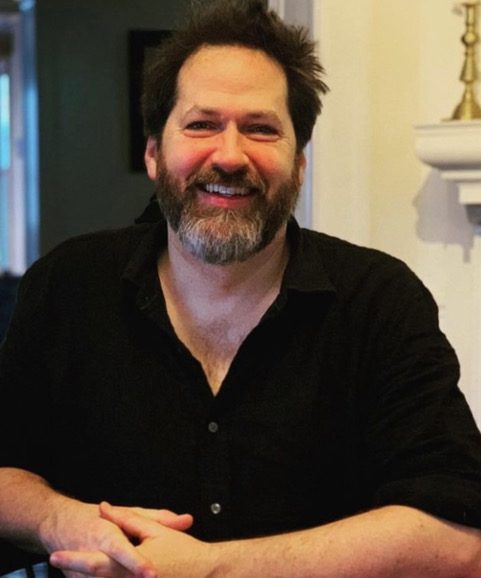
William Gates is a distinguished architectural educator whose November 2025 publication in Computers and Education: Artificial Intelligence, co-authored with University of Liverpool researchers, represents pioneering work in computational creativity and architectural design pedagogy. His research earned Outstanding Research recognition at Northeastern University’s 2025 RISE Expo and has been featured at international conferences in Paris (International Conference on the Image) and Zaragoza (International Conference on the Inclusive Museum), with distinguished lectures delivered at University of Liverpool and Northeastern. A second-generation New York City firefighter who served at Ground Zero following 9/11, William retired from FDNY in 2015 due to medical disability from toxic exposure. Currently completing his Ed.D. at Northeastern, he brings extensive pedagogical expertise from teaching 120+ courses across six institutions—NYIT, Boston Architectural College, and University at Buffalo among them. His professional portfolio includes designing the United Nations Food Gardens at UN Headquarters, profiled in Metropolis magazine and HGTV. William holds an M.Arch., B.A. in Philosophy, and Harvard’s Higher Education Teaching Certificate.