Automatic translation by Google Translate.We cannot guarantee that it is accurate.
Skoða vefinn á Íslensku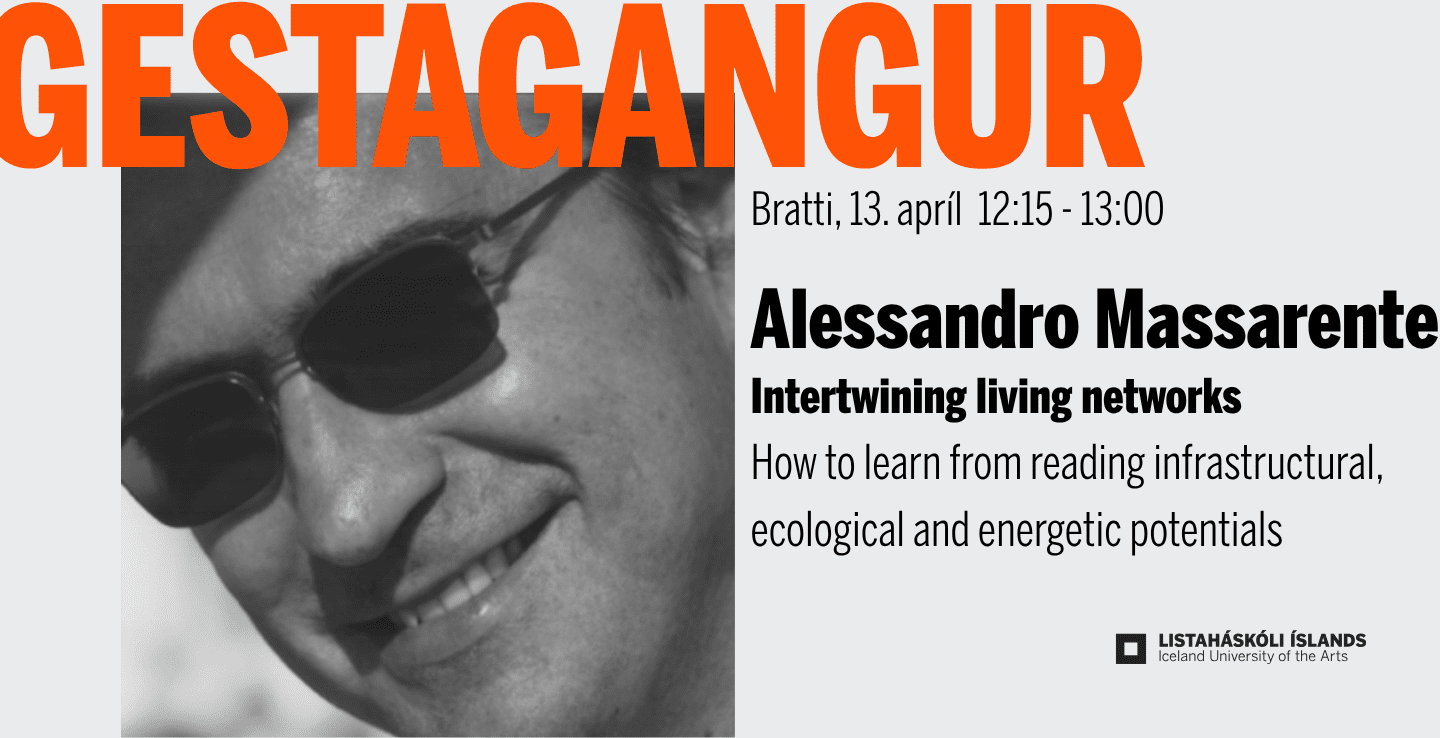
Gestagangur // Alessandro Massarente
Intertwining living networks
How to learn from reading infrastructural, ecological and energetic potentials
Transforming landscapes and urban environments in relation to sustainability and sufficiency need to develop methodologies and tools for evaluating and valorizing some abandoned spaces: for example, dismissed areas linked to pre-existing industrial or military complexes that have significant dimensions and strategic positions.
In the interactions with their territorial palimpsests, these areas reveal links with living networks that have characterized their transformation over time.
These are: infrastructural networks that have influenced the articulation, at different scales, of human settlements; ecological networks that have increasingly been recognized as forming archipelagos rather than islands in the territory to be preserved and protected; energetic networks for the production, storage, transport and distribution of different forms of energy, always strongly correlated to the morphologies with which cities and landscapes are transformed through different energetic transitions.
Faced with the intertwining of these living networks, conventional tools of representation are often unable to fully describe morphologies and relationships between these and local development strategies expressed by the territories themselves.
Some teaching activities and researches on theories and projects on regeneration of dismissed industrial areas, military areas and fortifications will be presented in the frame of mapping techniques applied on territories to be transformed by landscape and urban regeneration projects.
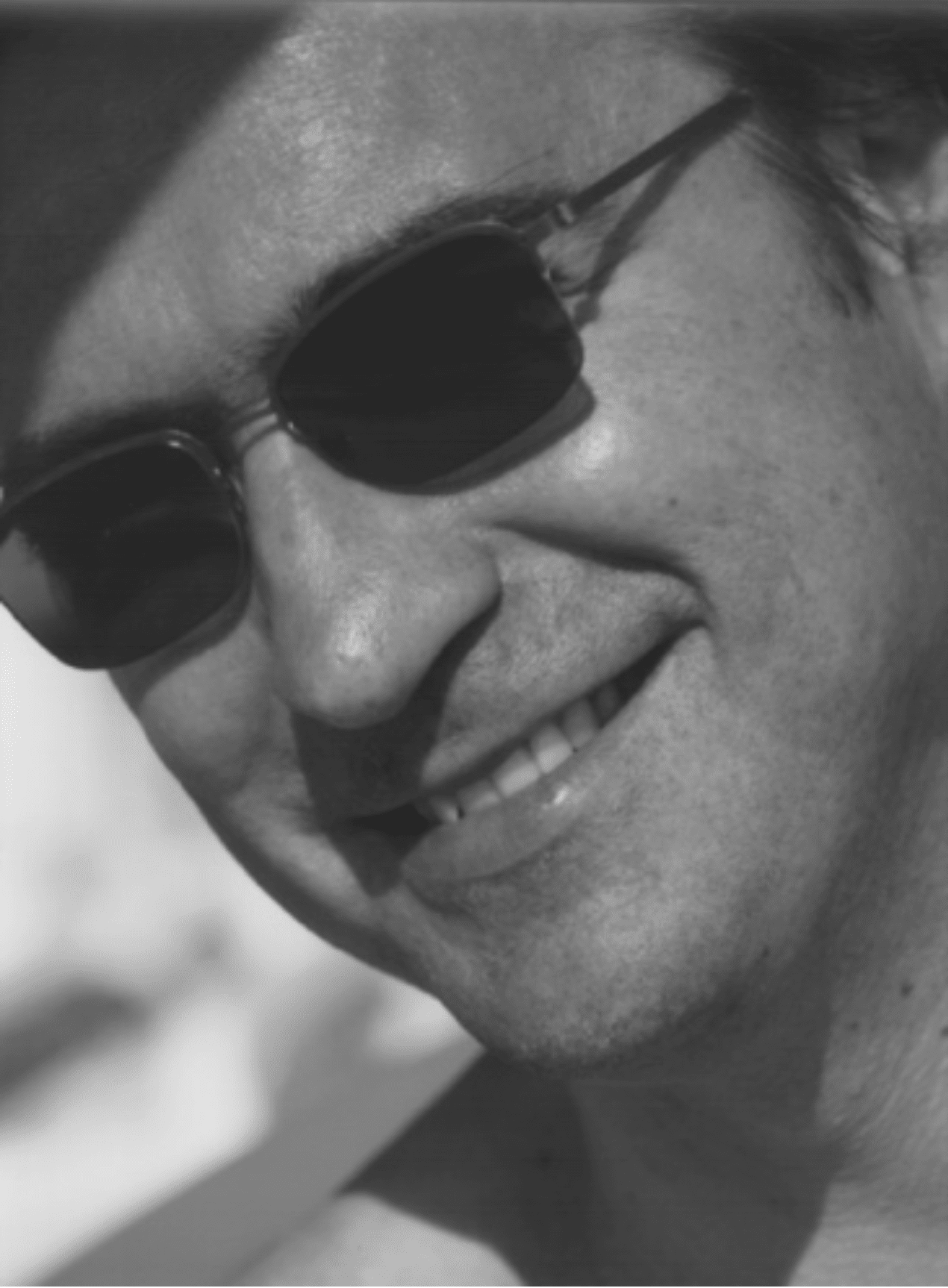
Architect, Associate Professor (Full Professor qualification, 2018) at the University of Ferrara, Italy, in Architectural and Urban Design.
He is teaching since 1992 at the Faculty of Architecture of Ferrara. PhD in “Methodology problems in architectural design”, he is a university researcher since 1999 at Politecnico of Turin, Faculty of Architecture.
Author or editor of more than 300 articles, essays and books on design tools and methods, in particular dedicated to the relation between historical heritage and contemporary architecture.
Some of his projects (Pescheria Nuova, Casa Museo Giacomo Matteotti, Palazzo Roncale) were published in various architectural books and magazine, as “Area”, “Il progetto”, “Almanacco di Casabella”, “d’A d’Architettura”, “Paesaggio urbano”.
On these themes, since 2005 he developed various projects through the research laboratory ArcDes „Centre for the Development of integrated programs for City, Environment and Landscape”, University of Ferrara.
Since 2010 he developed research projects for area 2 Tools, materials and techniques for museography and exhibition design, TekneHub, Tecnopolo di Ferrara, Rete Alta Tecnologia Emilia Romagna region.