The experimental music group Skerpla and the Icelandic circus about Ljósagang
Berglind María Tómasdóttir
The work Down, Icelandic circus about Ljósagang by John Cage, it was premiered in Iceland by Skerpla in Norræna húsin on June 9, 2024, but the event was organized by the Art Festival in Reykjavík.[1] A week later, the group performed the work at Across the Waters, the University of Glasgow's international conference dedicated to James Joyce, which took place in the university chapel[2] On September 5, 2025, which marked John Cage's 113th birthday, a recording from the performance of the work in Norræna húsin was released on Bandcamp[3]. In this article, I tell about the process behind the Iceland premiere of the work. It will be examined how the work refers to students in higher education in music, and the platform called Skerpla, its purpose and pedagogical goals will be explained. Finally, the perspectives of several students are highlighted where they reflect on the impact of the work and working methods on their own creative process and the relationship between performance and creativity.
What is Skerpla?
Skerpla is a course for students across study programmes and departments within the Iceland University of the Arts, where students develop creative music work and co-creation with an experimental twist, across performance methods and compositions in an open area.[4] Skerpla was created in 2018, but the precursor to the course can be traced back to various courses I taught at the department of music from autumn 2015, which focused on experimental approaches to music.[5] When I started working at the LHÍ department of music in 2014, I was influenced by the learning environment I had just come from at the University of California, San Diego, where the work of students in different study programmes overlapped more than I had previously known, performers wrote, composition students played and music was communicated in a variety of ways. Inspired by this alongside my own groping and development in artistic creation, courses across study programmes were created that contributed to co-creation and interdisciplinary cooperation in an experimental area.
Pedagogical, Skerpla is based on ideas about experience-based learning, co-creation and research in the arts. Students develop their own work process, make artistic decisions, and put their own contribution in a larger context in creative cooperation. Skerpla is taught as a course every semester and is divided into two parts; on the one hand, there are improvisation classes (e. Skerpla Improvisation) under the guidance of John McCowen, clarinetist and composer, on the other hand, which takes place in Wednesday classes under my guidance and guest instructors. The course is never the same and there are countless examples of students attending the course more than once. Since the beginning, students from most of the department of music's programs have attended Skerpla, as different methods between departments make the conversation more complex and create space for progressive innovation, where unexpected inventions find a channel.
The work
Down, Icelandic circus about Ljósagang is a work with an ever-changing title At the premiere of the work, the work was called Roaratorio, an Irish circus on Finnegans Wake, but the work was commissioned by West German Radio (WDR) and premiered as a radio play on October 22.[6] On the author's part, the work is simply called _____, _ ___ Circus on ____ ¡The spaces are gaps that the performers of the work are invited to fill in according to the choice of content each time. The basic idea of the work consists in transforming a book into performance. During the premiere of the work, Finnegans Wake by James Joyce was the basis, in the case of the Icelandic premiere, Skerpla worked with the novel Ljósagang by Dag Hjartarson. There were mainly two things that influenced the choice of the book: On the one hand, the role of sounds in the book, especially what he calls „the middle of the work, which is Reykjavík, and the group presented the work in the past season” The reason for choosing a concert in the spring semester.
John Cage's work consists of three phases First, the text of the underlying book is transcribed using mesostics technique, a method employed by John Cage in his writing The Mesostics method is similar to an acrostics method which consists of the first letters of the lines of poetry forming vertical words together, when using the mesositcs method the vertical word is located in the middle of a line of poetry.[7]
We therefore began the work by processing texts from the aforementioned work of Dags Hjartarson using the methods of mesostics technology. The book, which is 200 pages long, was divided among the students, each of whom worked on the text so that it became a new text based on Dag's text. For clarity, here is a sample of a text as it looked after the treatment of Tuma Árnason, a student in Skerpla:
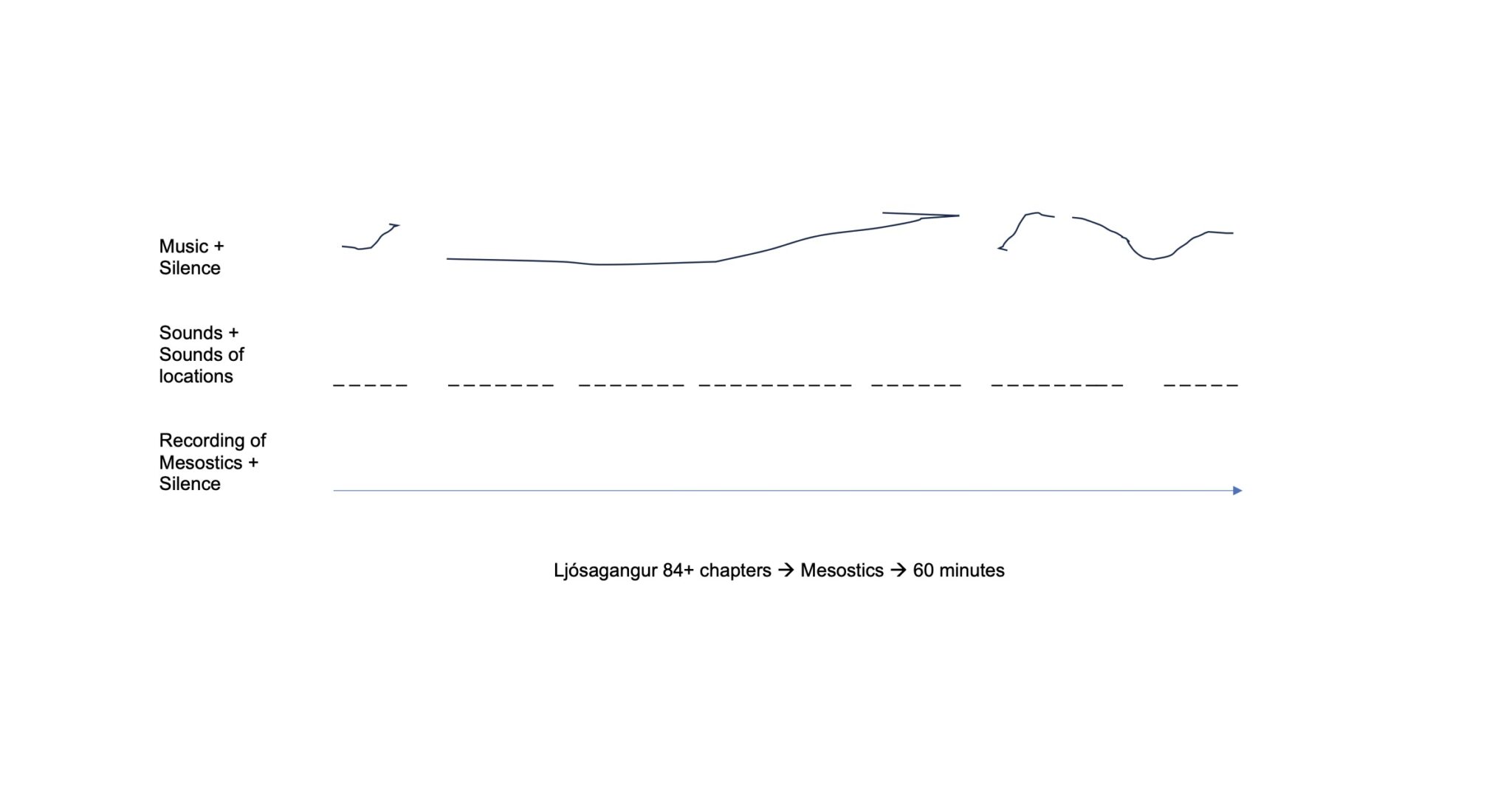
Figure 1: A sample of the text in the work.
When the text was ready, it was recorded in student performances and arranged in the order in which it appeared in the book.
Secondly, performers are asked to collect sound samples of all the places and sounds mentioned in the book Along with the first phase, students therefore collected field recordings that contained sounds and places mentioned in the book, but each student collected both from the chapters assigned to him. There taught various herbs, from descriptions of music that can be found in the book to more abstract descriptions like „the middle of the century; a phenomenon about which the story largely revolves but a good part of the student body sprung from sounding the ages, and from it resulted numerous sound works that either found their way into the work or at a sound art exhibition in anticipation of the performance of the work”.
Thirdly, relevant music (elevant music) must be performed in the work, the third phase therefore consisted in figuring out what was considered appropriate music in our case. During the premiere of the work, Irish folk music was in the foreground, as Ireland is the setting in Finnegans Wake. As is often the case when Cage is involved, the instructions are reasonably complex, thus resulting in a selection of „appropriate” acts that were imported in the final piece; from Icelandic folk music to abstract improvisation.
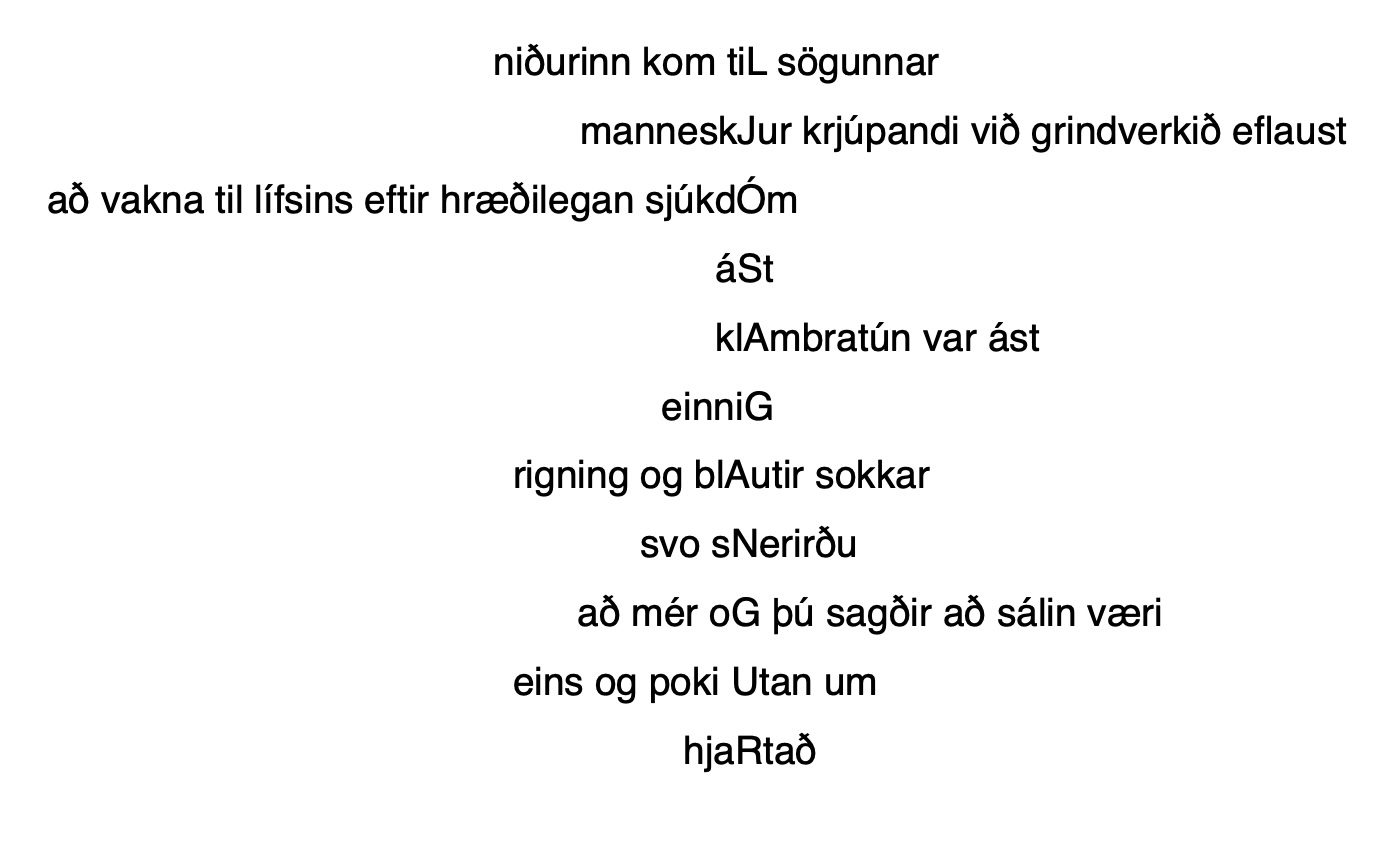
Figure 2: Victoria Miguel's diagram of John Cage's work.
Into all these instructions are mixed more detailed instructions concerning the use of silence and how proportions should be arranged They will not be described here but they served the purpose of bringing the work to a traditional concert-length format with the help of random methods This meant that much of the field recordings and relevant music stood off the table and so we decided both in the Nordic House and in the University Chapel in Glasgow to share the output of a sound art exhibition a few hours before the performance of the work Thus, the audience could walk around the spaces and enjoy works in various forms and pose for the performance of Nid, an Icelandic circus around the Light Corridor The sound art exhibitions also provided the students the opportunity to share the output of their work that did not find their way into the final version of the work Among the works performed at the sound art exhibition, sound installations were based on „the format of the ages, video works, sculptures and performances of relevant music”, and taught various grasses there.
The result was, as mentioned before, publicly performed twice in June 2024 and released over a year later on Bandcamp. The work's sound processing was led by two students from Skerpla, Robert Thorpe, then a master's student in NAIP, and Konrad Groen, a composition student in the field of new media. About the recording of the complete performance of the work in the Nordic House, Jesper Pedersen, who also mastered the published recording, saw.
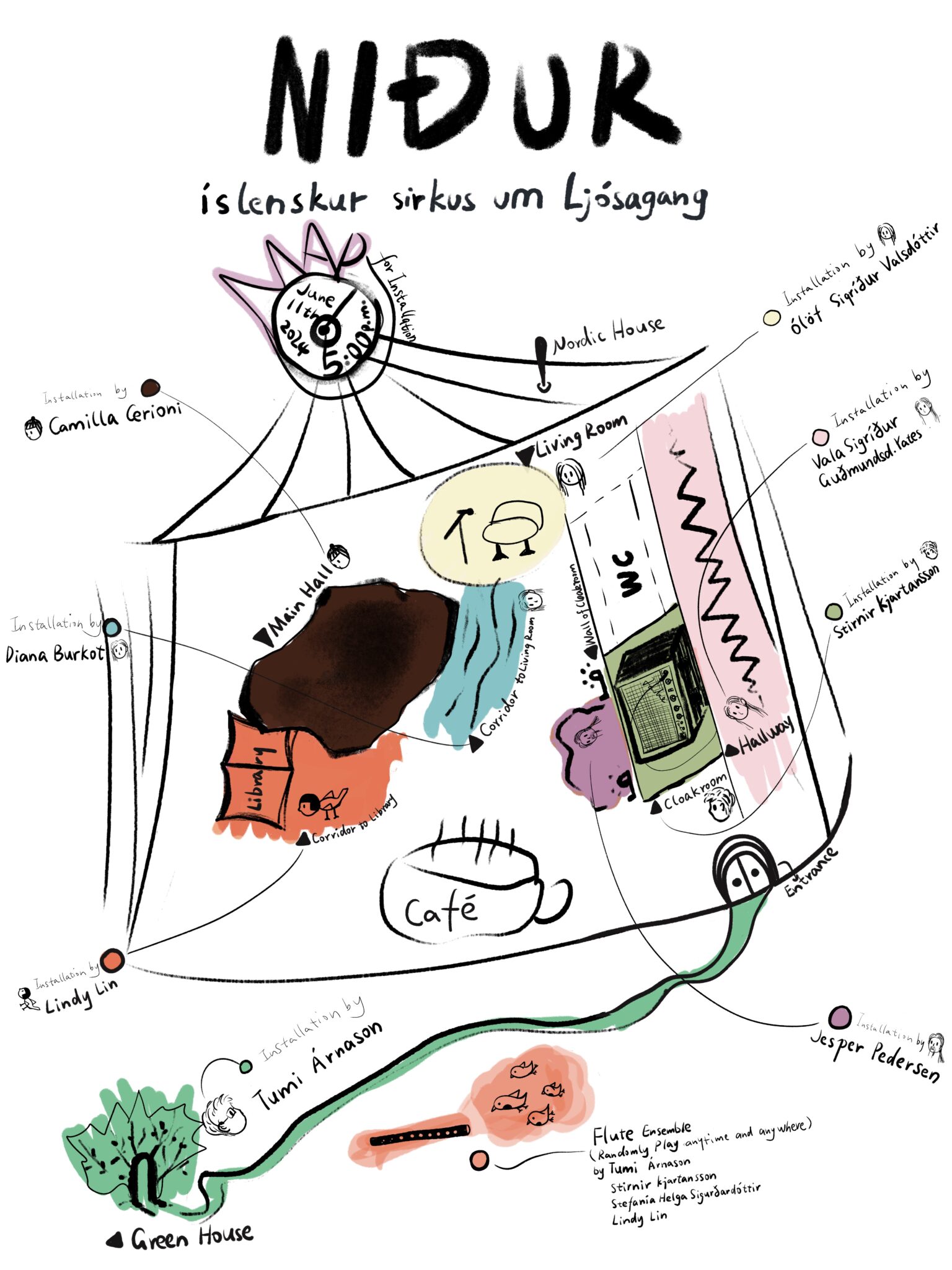
Figure 3: Map by Lindy Lin, Skerpla's member of the sound art exhibition that took place in the Nordic House on June 9, 2024 in anticipation of the performance of the verse.
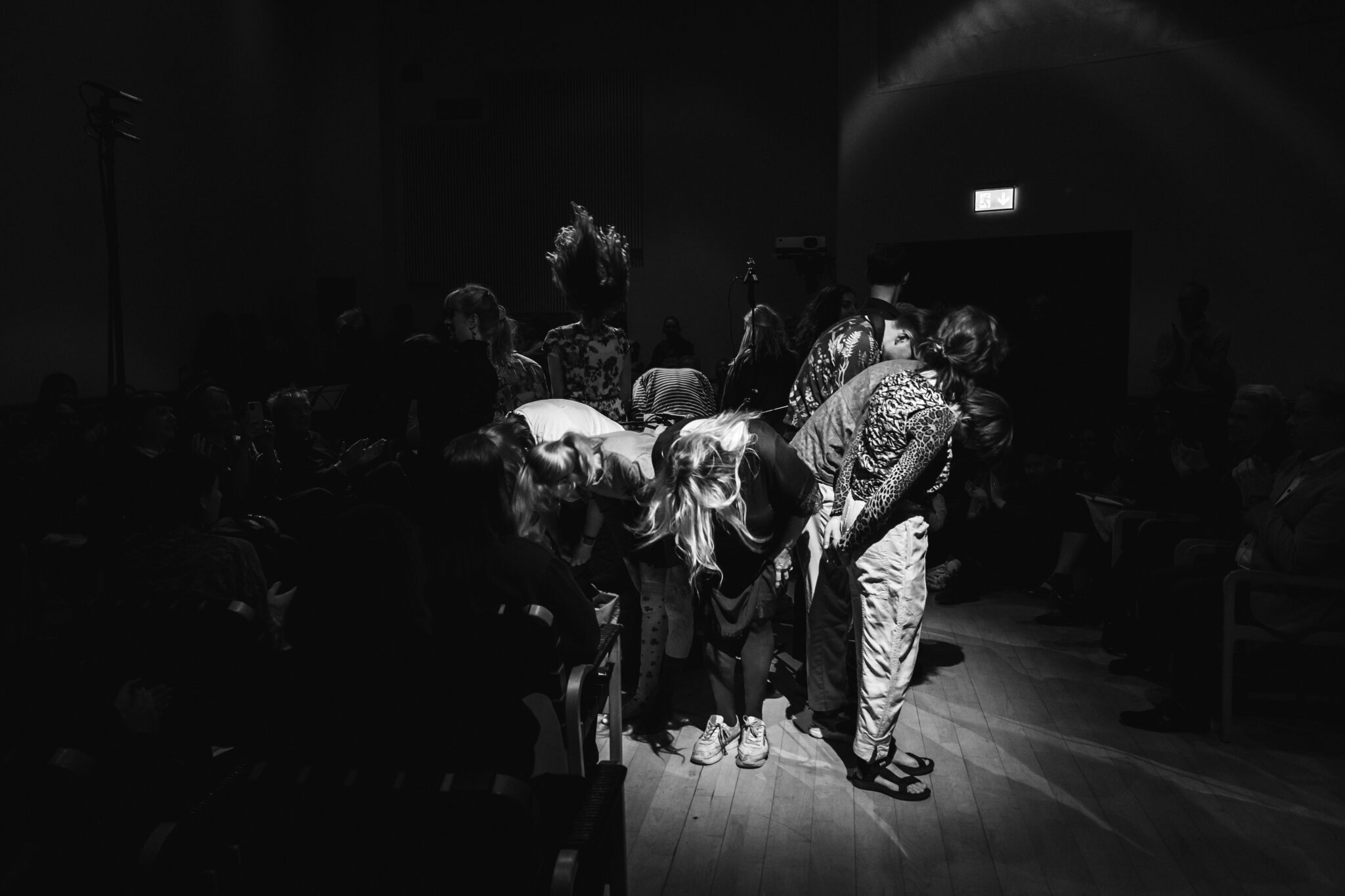
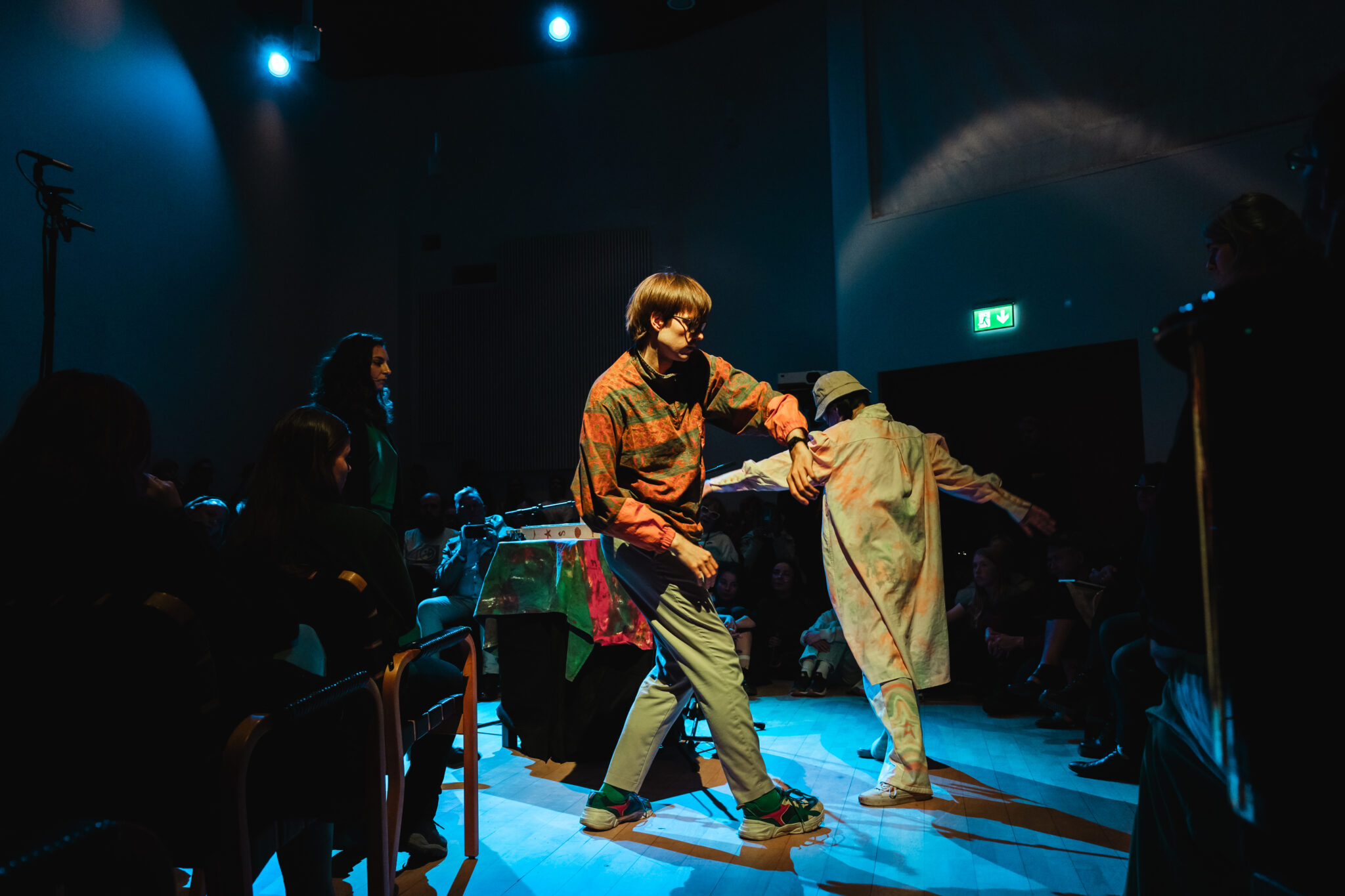
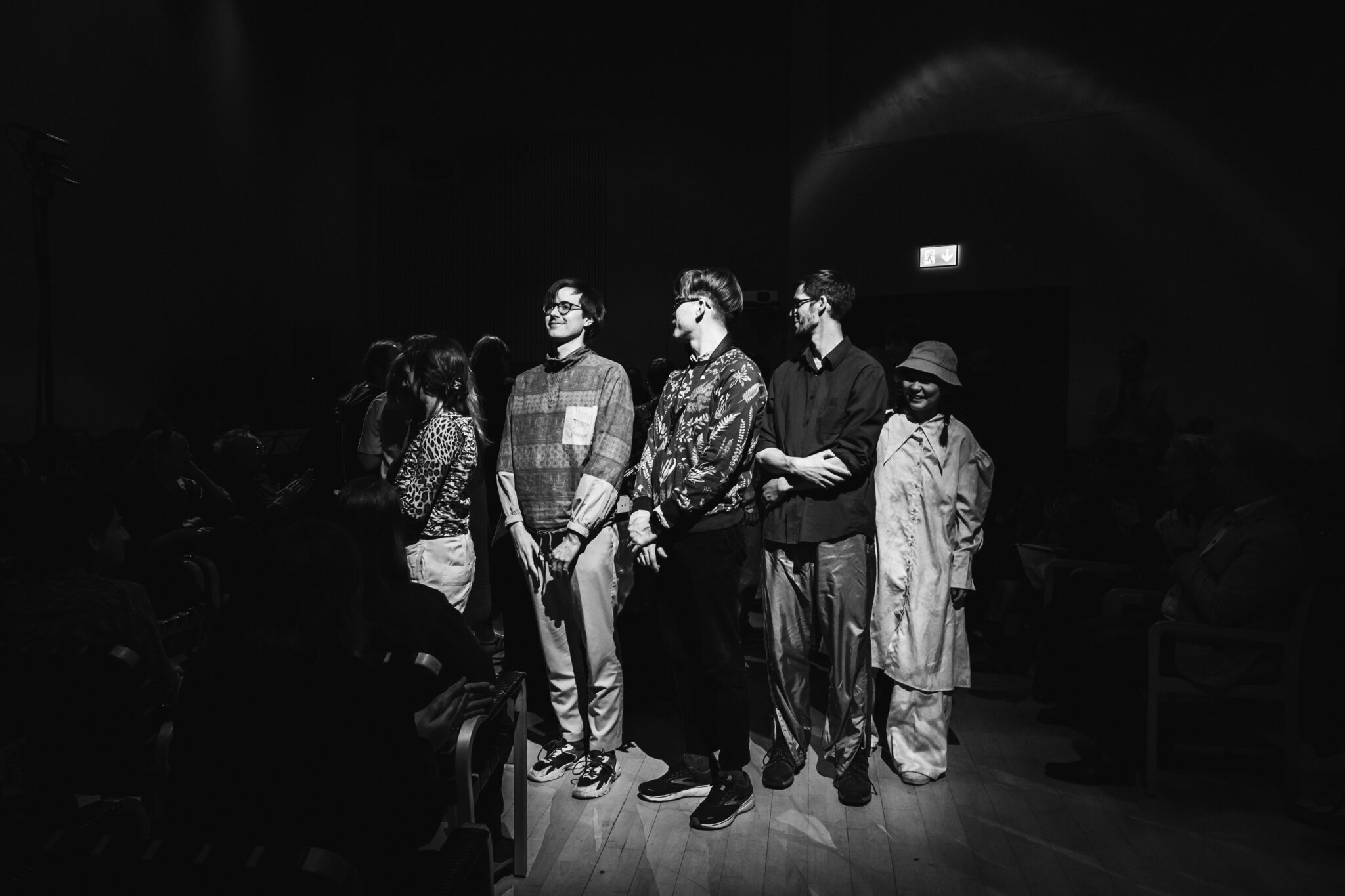
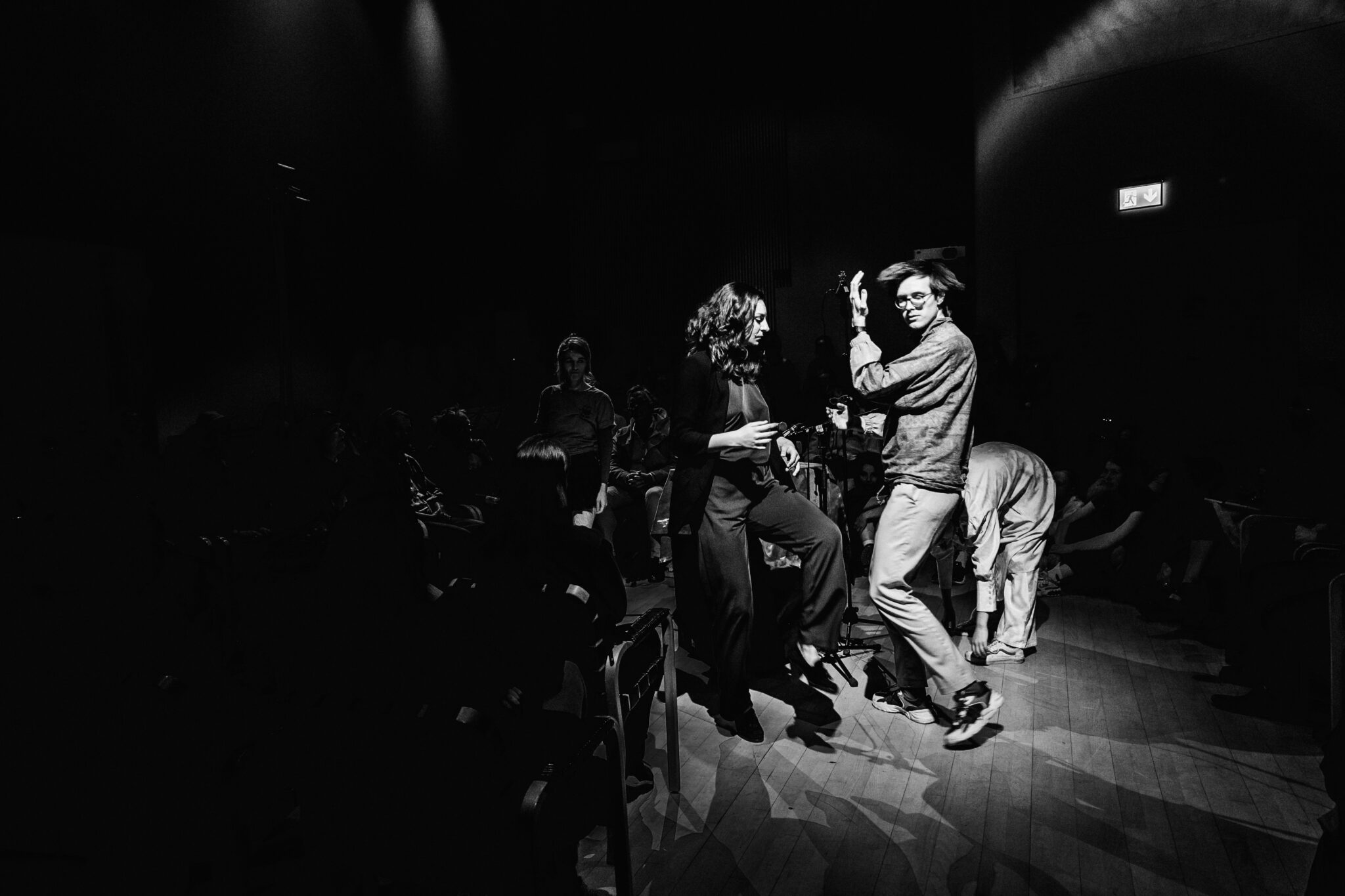
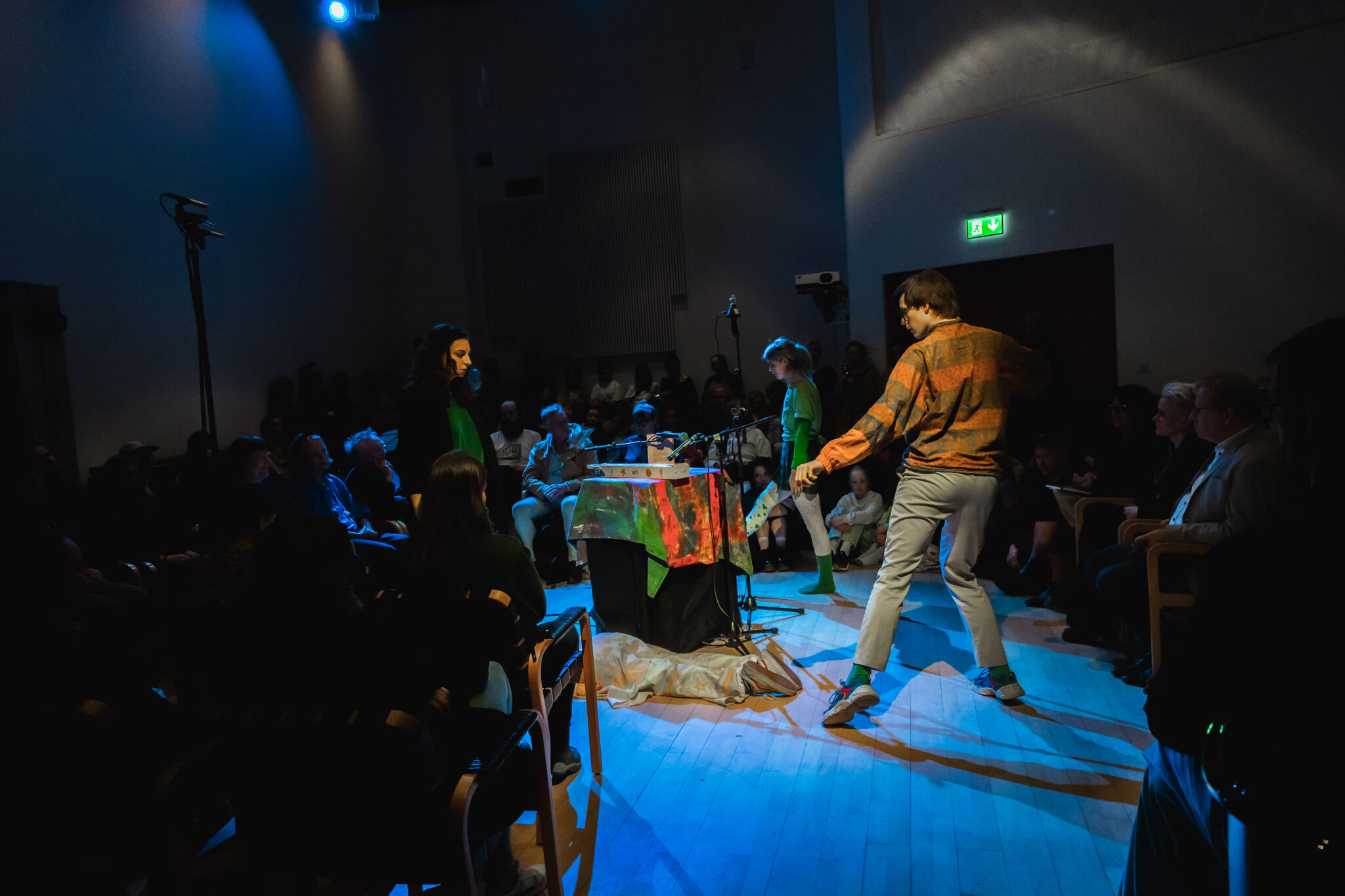
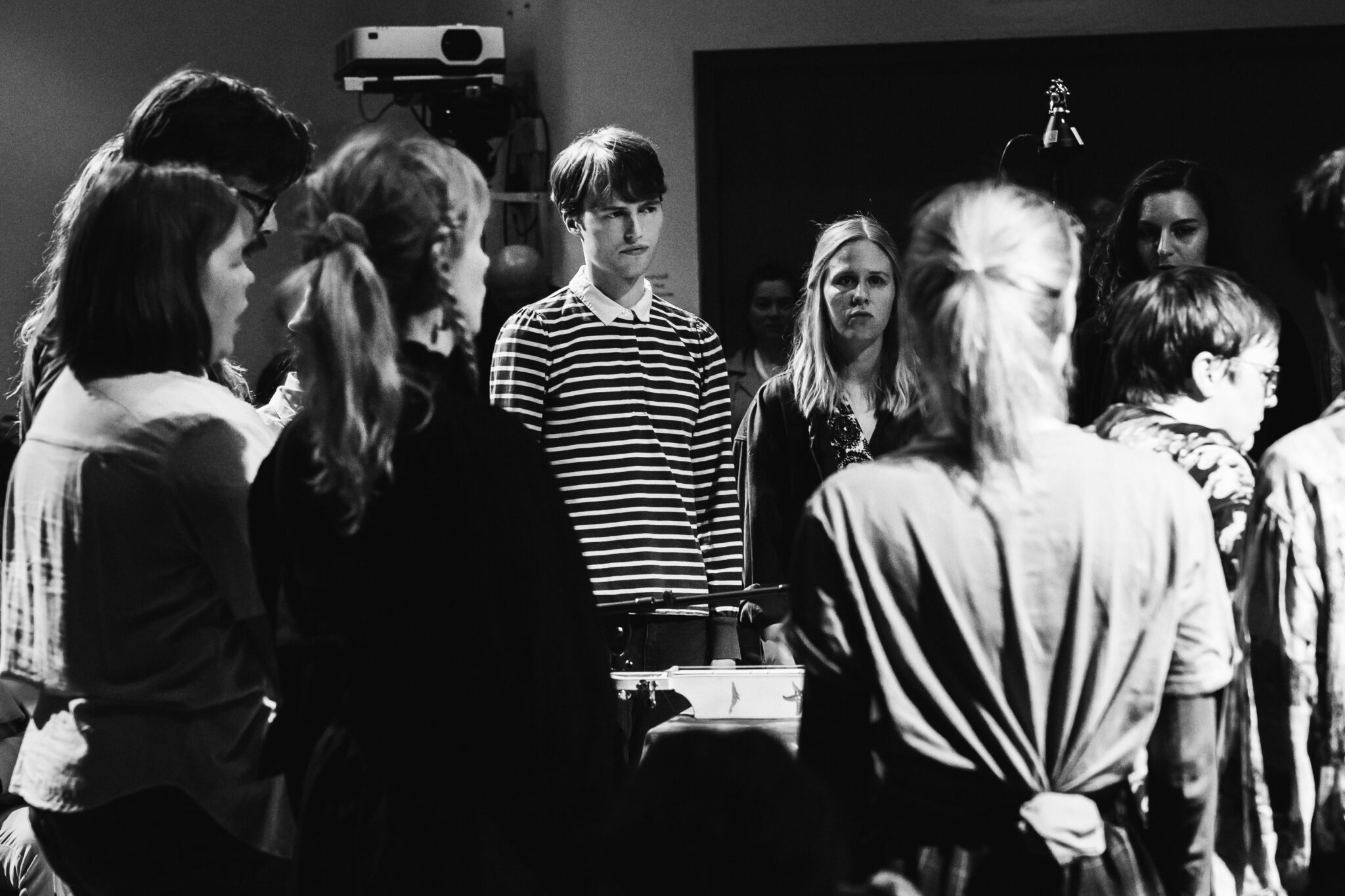
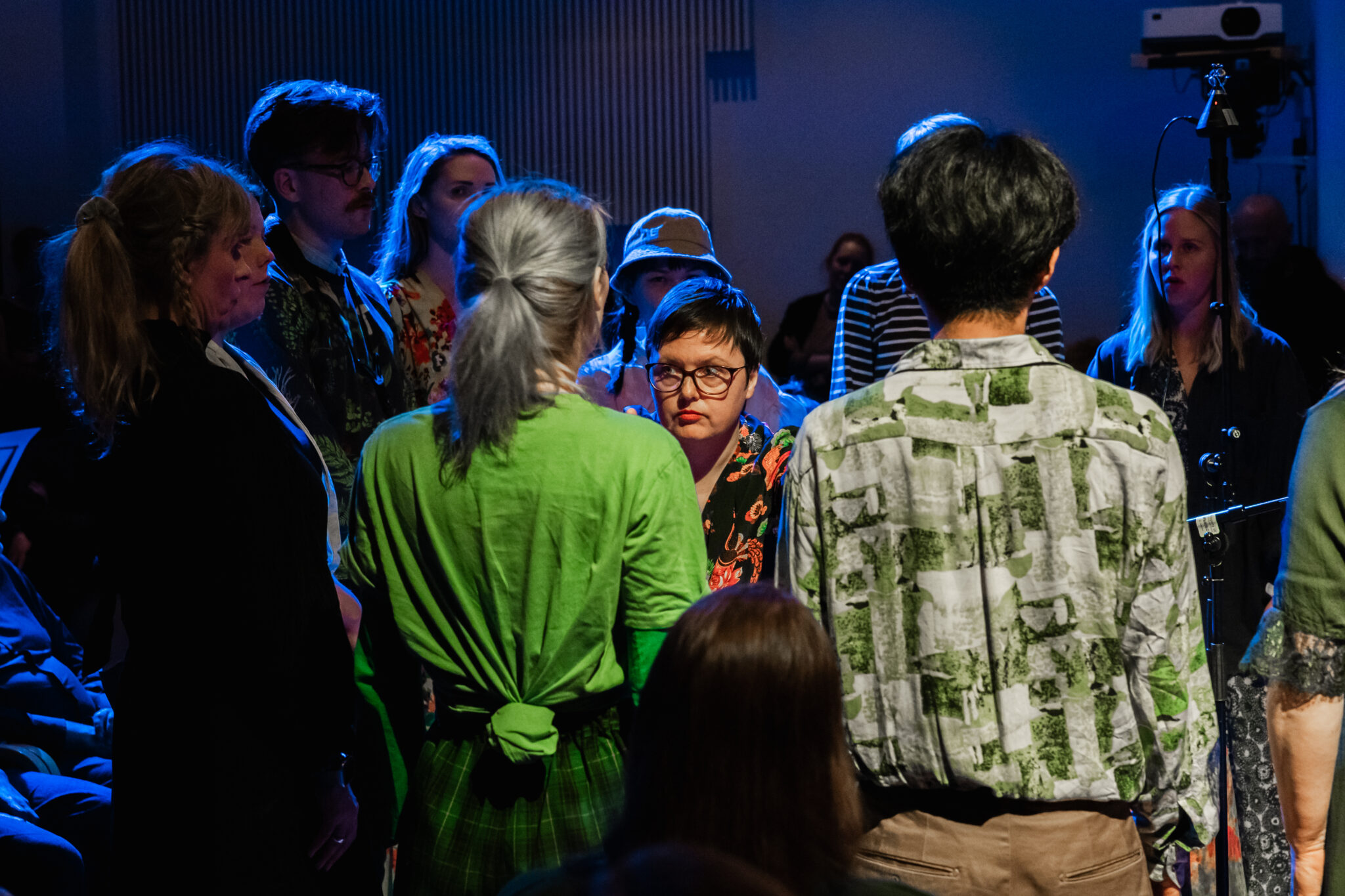
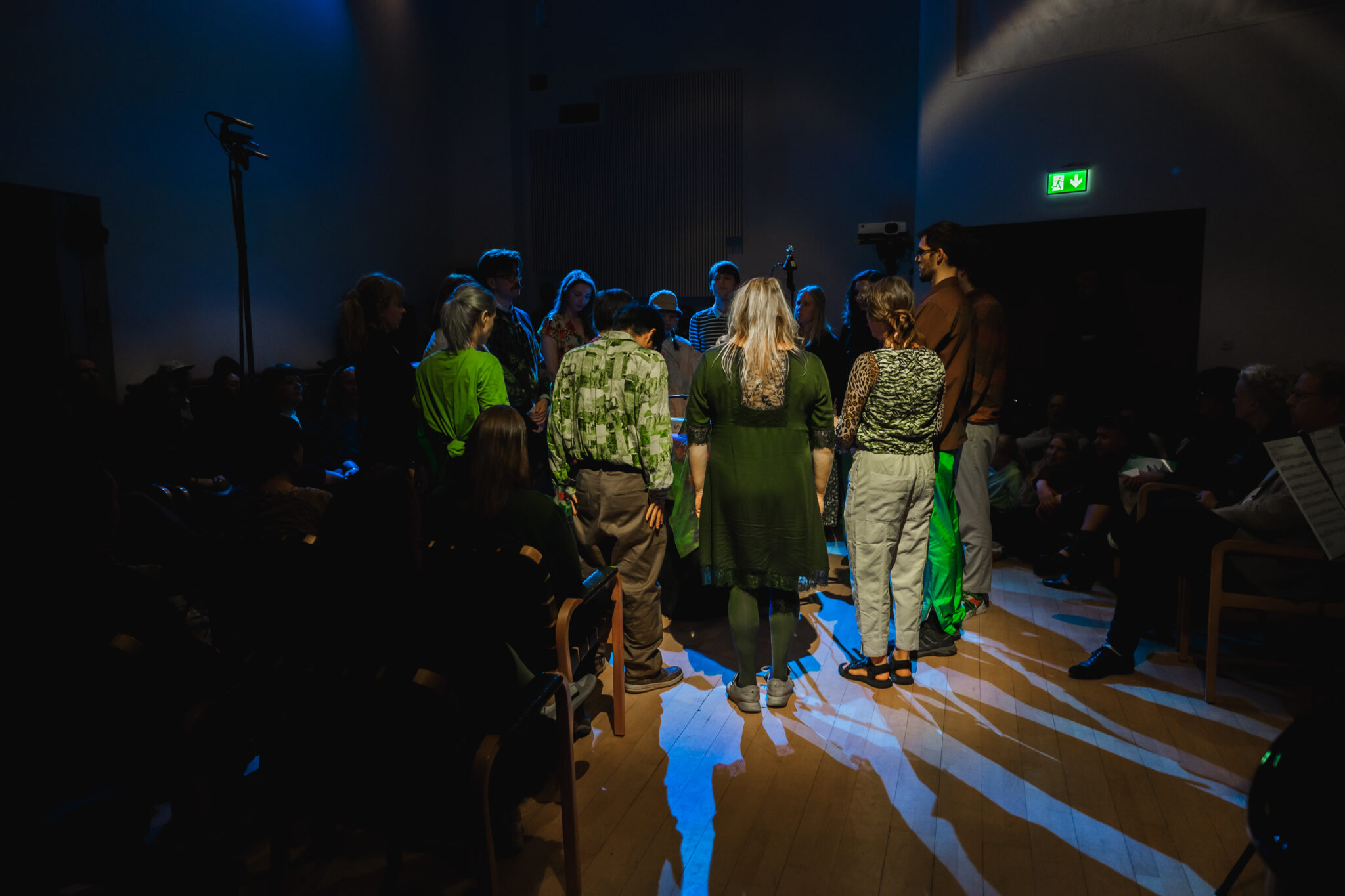
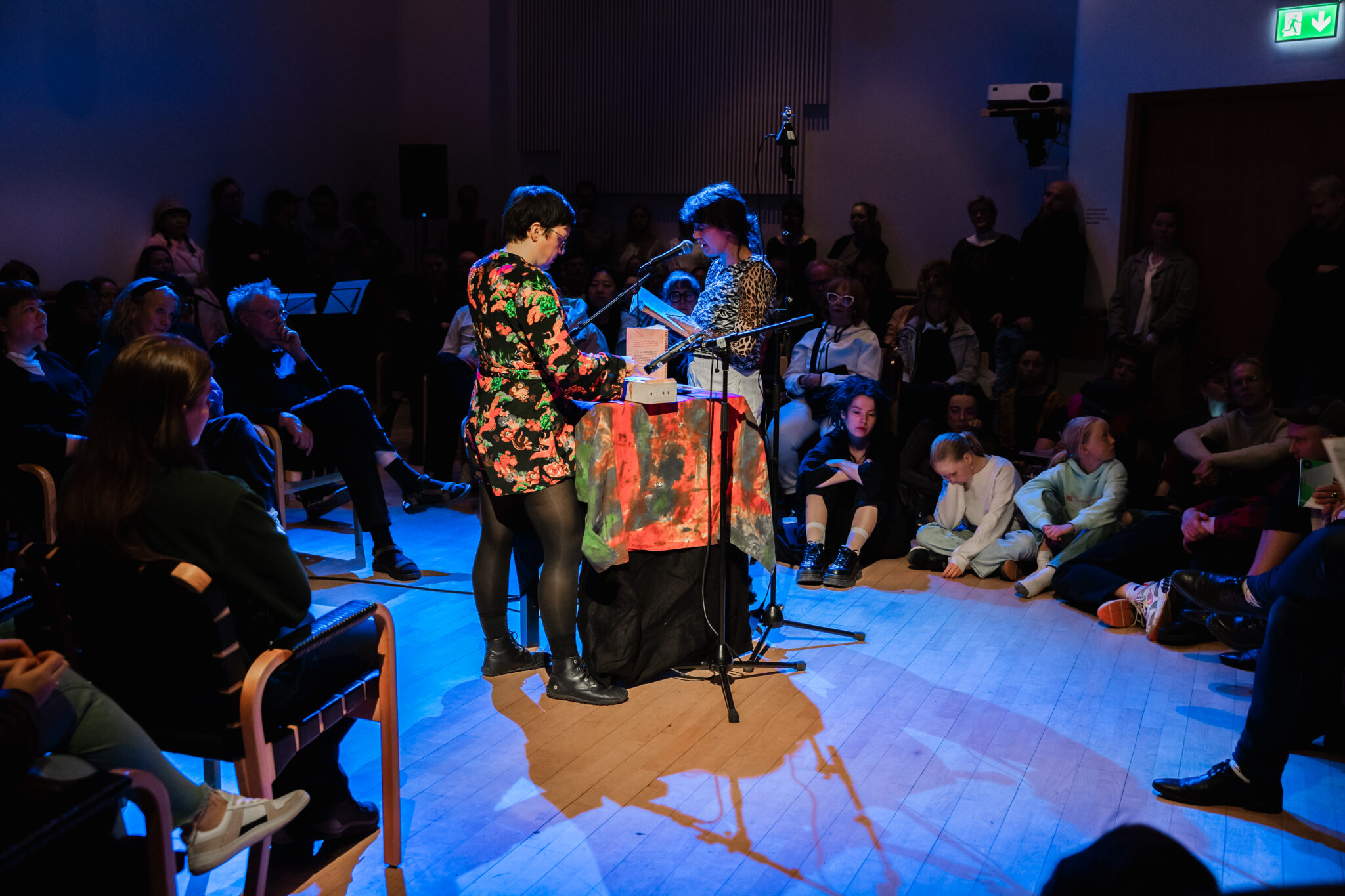
Fig. 4-13: From the sound art exhibition and performance of the work in the Nordic House.
Student contribution
The project required students to actively participate in all stages of creation; from text processing and field recording, to presentation and performance The project introduced new methods to some of the students, for example, several were recording in the field and working in an audio program for the first time, while others took their first steps in organized stage movements The project thus became a platform where students stepped outside their traditional special fields and developed new ways of artistic expression through experimentation and collaboration. In the project, they developed both technical skills but also the ability to make artistic decisions and position their contribution in a larger context The unpredictability of the work also became an important part of the learning process. Since Cage's score calls for certain uncertainties, students had to trust the process rather than aiming for a predefined result. Such work can be challenging for music students, as well as emphasis is often placed on control, accuracy and preconceived interpretation; in the work process, a space was created for boldness, experimentation and collective discoveries.
In my conversation with Skerpla's students (see list of participants below) after the performance of the work in Glasgow where we reflected on the process, composition students talked about how nourishing it had been to deal with performance and to work on the border between creation and performance In the conversation it was stated that that experience had influenced how they thought about their own creative process, as the boundaries between composition and performance became blurred in the project Students spoke about the challenge of trusting the process, as the result was unforeseen and seemed chaotic, Students also discussed how the work's random methods provided freedom from their own ideas and tastes; their own ego Thus, space for unexpected connections, new listening methods and new approaches to collaboration opened up less to individual authorial power and became more of a collective research process.
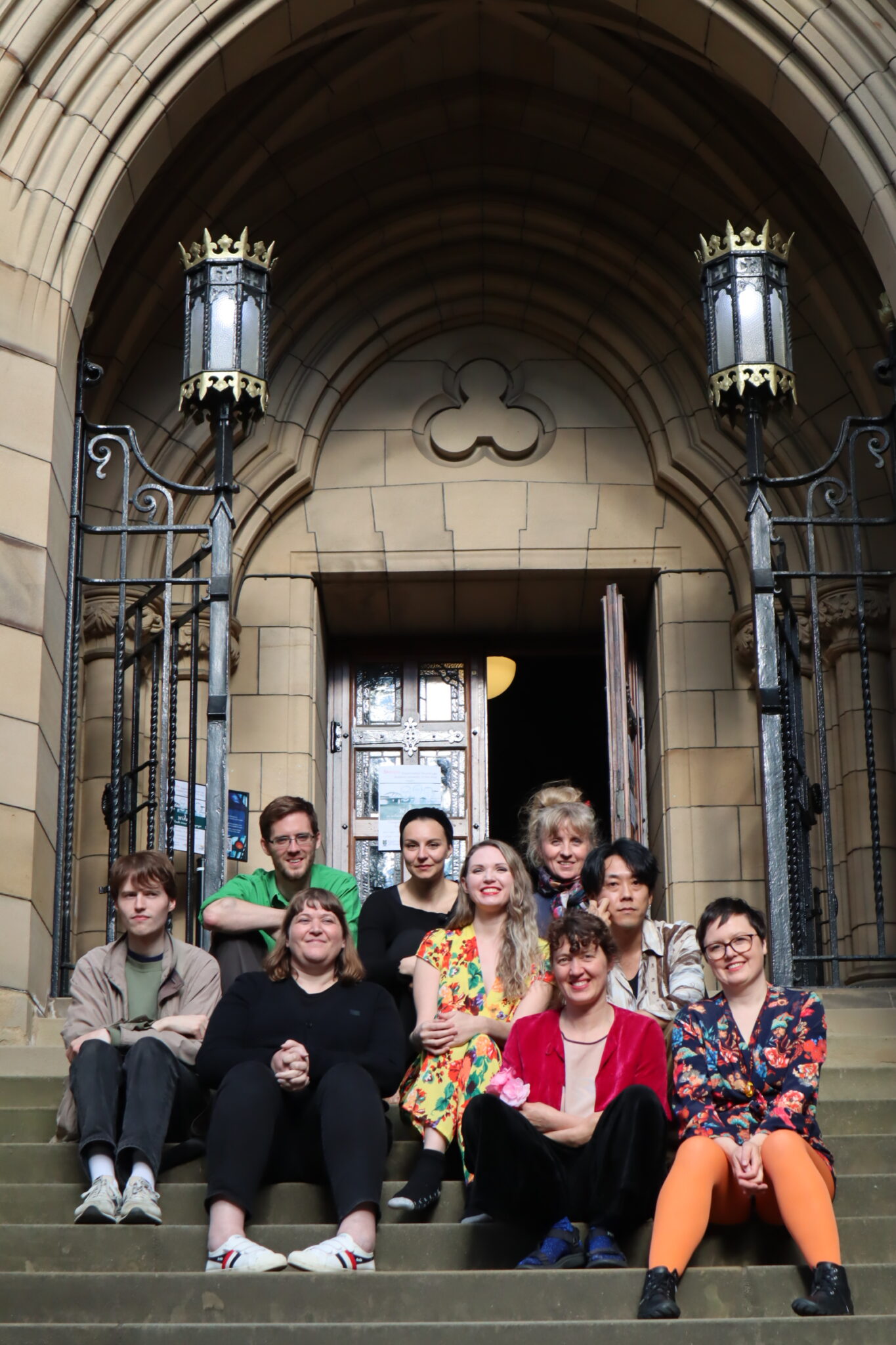
Figure 14: Sharpen in Glasgow. From the left: Stirnir Kjartansson, Rob Thorpe, Victoria Miguel, Camilla Cerioni, Vala Yates, Berglind María, Linnéa Falck, Masaya Ozaki and Adda Ingólfs Heiðrúnardóttir.
Finally
The story behind Skerpla's performance of the work Niður, an Icelandic circus about Ljósagang by John Cage in June 2024 has been traced here. The course Skerpla was also discussed and the work process behind the work was outlined. The project showed how an open and experimental work process can create a powerful learning space within university studies in music. The project also called for a re-evaluation of traditional roles within music studies. The project's pedagogical value consisted of music creation as a lively and co-responsible process in contrast to the narrowed division between composition and performance. In that context, Niður, an Icelandic circus about Ljósagang, not only a performance of a work by John Cage but also a study of how music studies can become a platform for creative research, collaboration and discovery across study programmes.
It is clear that the ambitious presentation of the work would never have been realized except through powerful partners, Victoria Miguel and Jespers Pedersen, Vigdís Jakobsdóttir and her team at the Reykjavík Art Festival, the University of Glasgow and the Research Fund of the Iceland University of the Arts. Above all, however, it is the contribution of the students who made the difference, they put a lot of work into the project and I thank them very much.
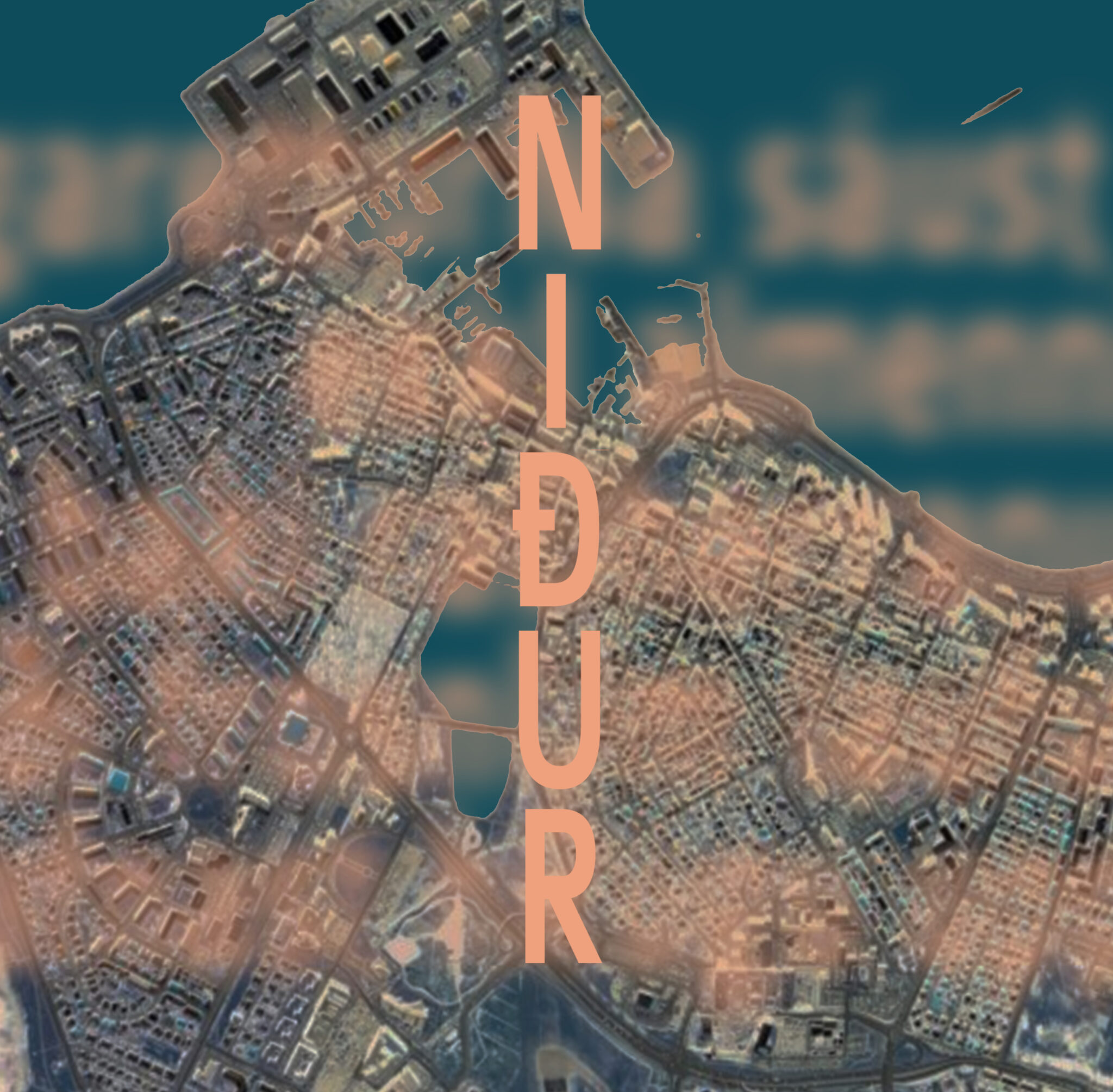
Figure 15: Cover art accompanying the recording of the work, by Robert Thorpe.
[The work on Bandcamp (embedded]
https://skerpla.bandcamp.com/album/ni-ur-slenskur-sirkus-um-lj-sagang-eftir-john-cage retrieved May 21, 2026
Sound example 1: Down - Icelandic circus about Ljósagang by John Cage performed by Skerpla
APPENDIX
The student body that performed Cage's work consisted of students from four programs of the department of music as well as a student from the master's program in the department of fine art.
Skerpla, Spring Semester 2024:
Adda Ingólfs Heiðrúnardóttir
Camilla Cerioni
Diana Burkot
Konrad Groen
Kristrún Steingrímsdóttir
Lindy Lin
Linnaeus Falck
Masaya Ozaki
Mattias Carlberg
Ólöf Sigríður Valsdóttir
Robert Thorpe
Stefanía Helga Sigurðardóttir
Stirnir Kjartansson
Tumi Árnason
Vala S. Guðmundsdóttir Yates
Artistic relatives: Skerpla, Berglind María Tómasdóttir, Victoria Miguel and Jesper Pedersen
Recording: Jesper Pedersen as well as Robert Thorpe and Konrad Groen
Cover photo: Robert Thorpe
Partners: Iceland University of the Arts, Faculty of Music, Research Fund of the Iceland University of the Arts, Reykjavík Art Festival, University of Glasgow (Chancellor's Fund), Scottish Graduate School for Arts and Humanities (SGSAH) (Engagement Fund)
Guest artists, partners and themes in Skerpla Projects:
Radio Opera, Spring Semester 2026
Protest Songs, Fall 2025 Semester
The SÚM group, concerts and seminars at Myrkum músíkdáði, spring semester 2025
Pauline Oliveros concert and symposium at Myrkum músíkdáði, spring semester 2024
Victoria Miguel, John Cage's Creative Writing Specialist, Spring Semester 2024
Skerpla in conversation with Gerðarsafn, autumn semester 2023
In a Large Open Space by James Tenney, performed alongside Bozzini Quartets on Dark Music Days, Spring 2023 semester
Ragnar Árni Ólafsson, guitarist and composer, spring semester 2022
Patrimoni acoustic, Spanish sound art group, fall semester 2021
Bergrún Snæbjörnsdóttir, composer, spring semester 2021
Ben Frost, musician, spring semester 2021
Victoria Miguel, Writer: John Cage: An Online Writing Project, Fall 2020 Semester
Jane Riegler, Flutist and Composer: Deep Listening, Fall 2020 Semester
Sharpen the Ensemble in conversation with An Urban Archive as an English Garden by Davíð Brynjar Franzson, composer, in Hafnarborg, autumn semester 2020
IIL and Nicola Privato, musician: Inventing Instruments, Spring semester 2020
Ingibjörg Friðriksdóttir, composer: Unconventional notation and more, spring semester 2020
Sophie Fetokaki, musician: Exercises in Interdisciplinary Counterpoint, Fall 2019 semester
Þóranna Björnsdóttir, artist: Audio Narratives, autumn semester 2019
Skerpla I Mengi: Oliveros, Wolff and works by members of Skerpla, autumn semester 2019
Bergrún Snæbjörnsdóttir, composer: Visual Music, spring semester 2019
Davíð Þór Jónsson, pianist/composer: Improvisation, spring semester 2019
Michael Duch, Bassist/Composer and Friends: Improvisation & Composition, Spring Semester 2019
Erik DeLuca, Composer: Fluxus, Fall 2018 semester
Cycle Music and Arts Festival: Audio Essays, Fall 2018 semester
Daniel Corral, composer, Fall 2018 semester
Anthony Burr, musician/professor at the University of California, San Diego, Spring Semester 2018
(T.O.N.
[1] Skerpla's event in the Reykjavík Art Festival database https://gagnasafn.listahatid.is/is?year=2024 retrieved May 21, 2026
[2] Skerpla's event on the Across the Waters website https://ijjf2024.glasgow.ac.uk/icelandiccircus/ retrieved May 21, 2026
[3] Down - Icelandic circus about Ljósagang by John Cage performed by Skerpla
https://skerpla.bandcamp.com/album/ni-ur-slenskur-sirkus-um-lj-sagang-eftir-john-cage retrieved May 21, 2026
[4] Open-area music is a translation of the term Music in the Expanded Field which, among others, Marko Ciciliani has written about with a strong reference to Rosalind E Krauss's writing, Sculpture in the Expanded Field.
[5] Experimental has a broad appeal here, as explained in Bob Gilmore's article, Five Maps of the Experimental World, and can be accessed here: https://musicexperiment21.files.wordpress.com/2018/05/crispin_darla-bob_gilmore-artistic_experimentation_in_music_an_anthology-2014.pdf
Darla Crispin and Bob Gilmore, eds, Artistic Experimentation in Music (Leuven: Leuven University Press, 2014) 23-30.
[6] Scored on the publication's website https://www.wisemusicclassical.com/work/69491/circus-on–John-Cage/ retrieved May 21, 2026
[7] The word chosen by us was the title of the book, Light Corridor Victoria Miguel, a creative writing expert for John Cage, led workshops in Skerplu where students adopted Cage's mesostics methods Victoria's website: https://www.victoriamiguel.com/ retrieved May 21, 2026