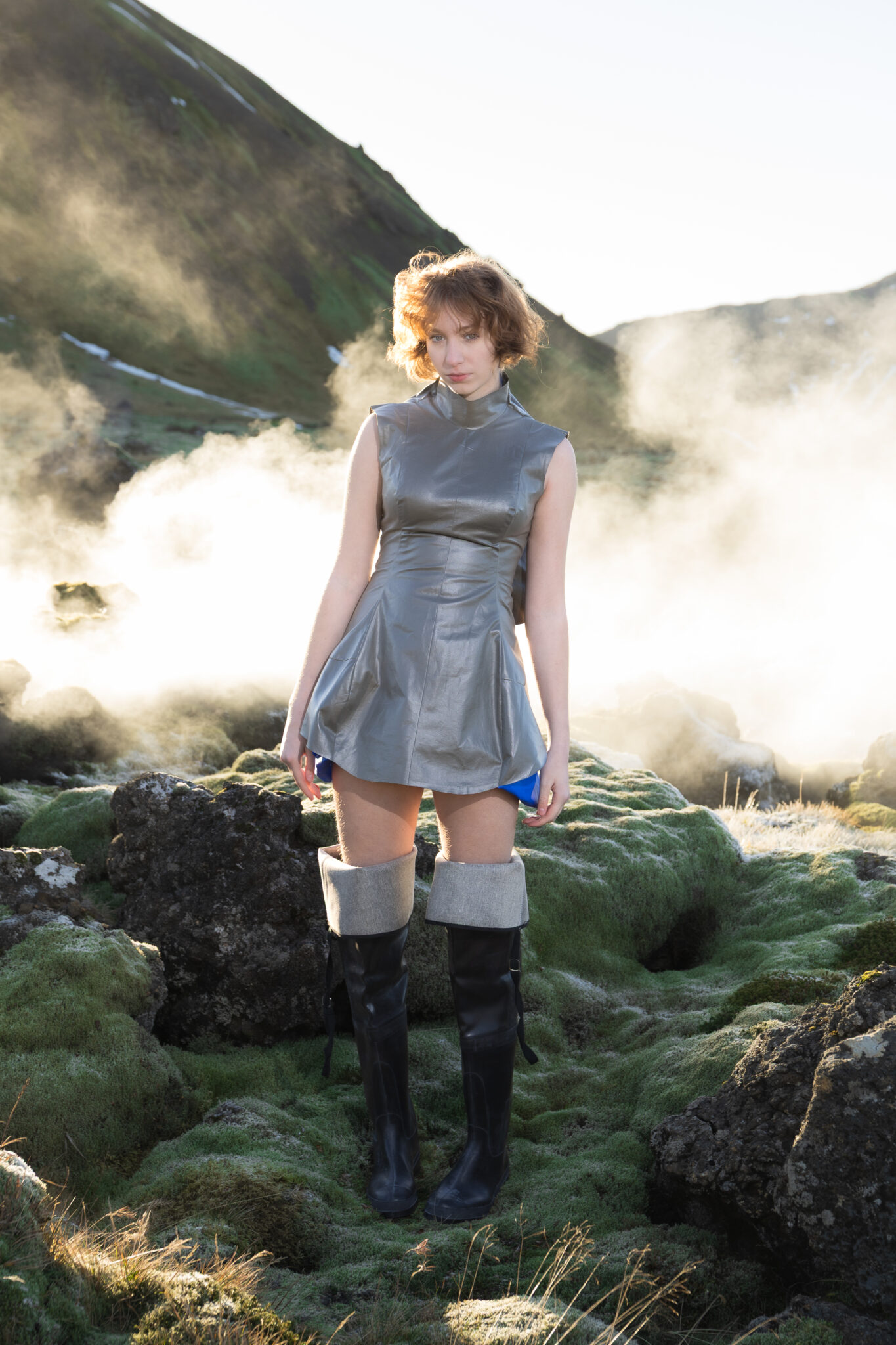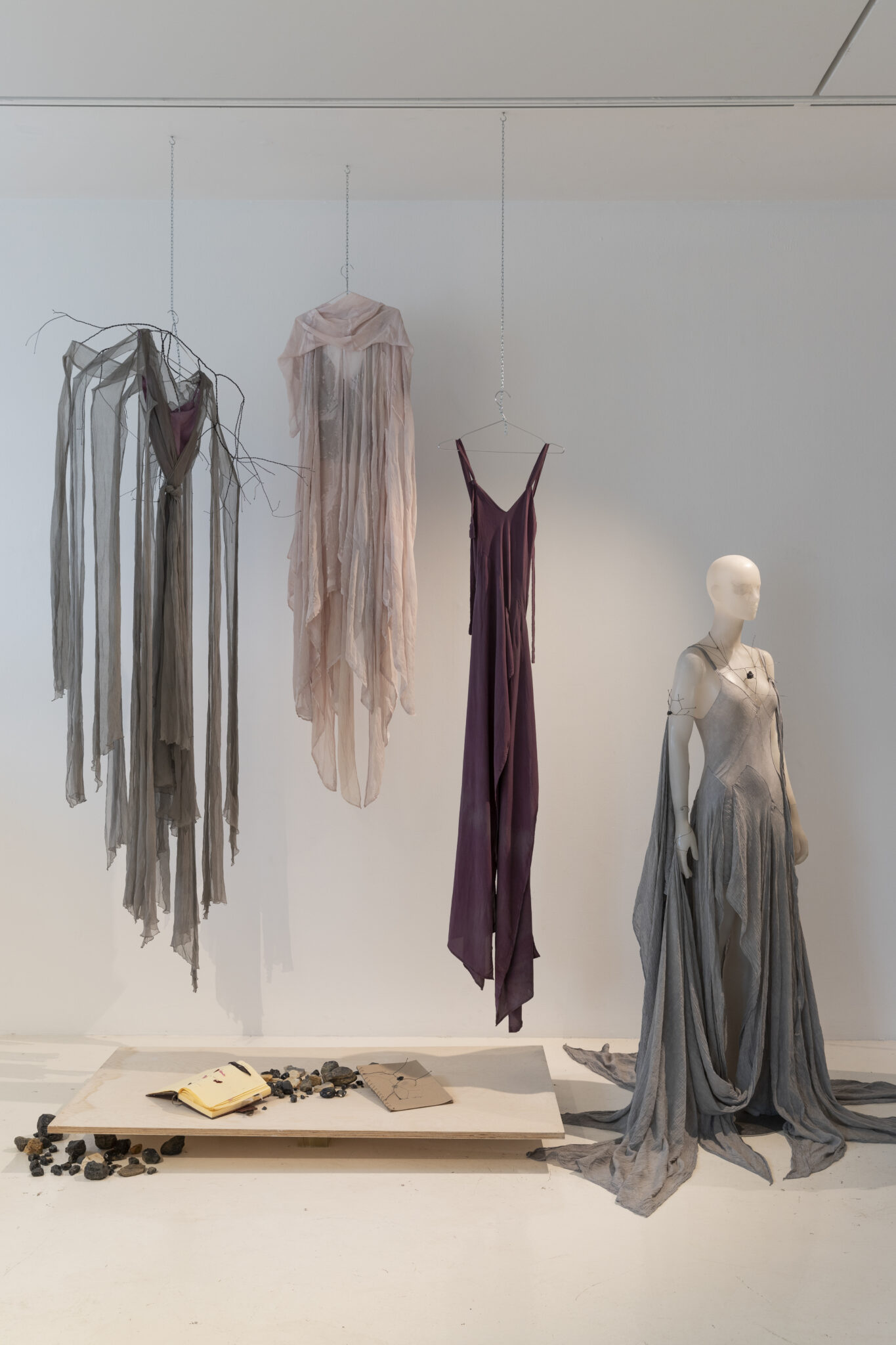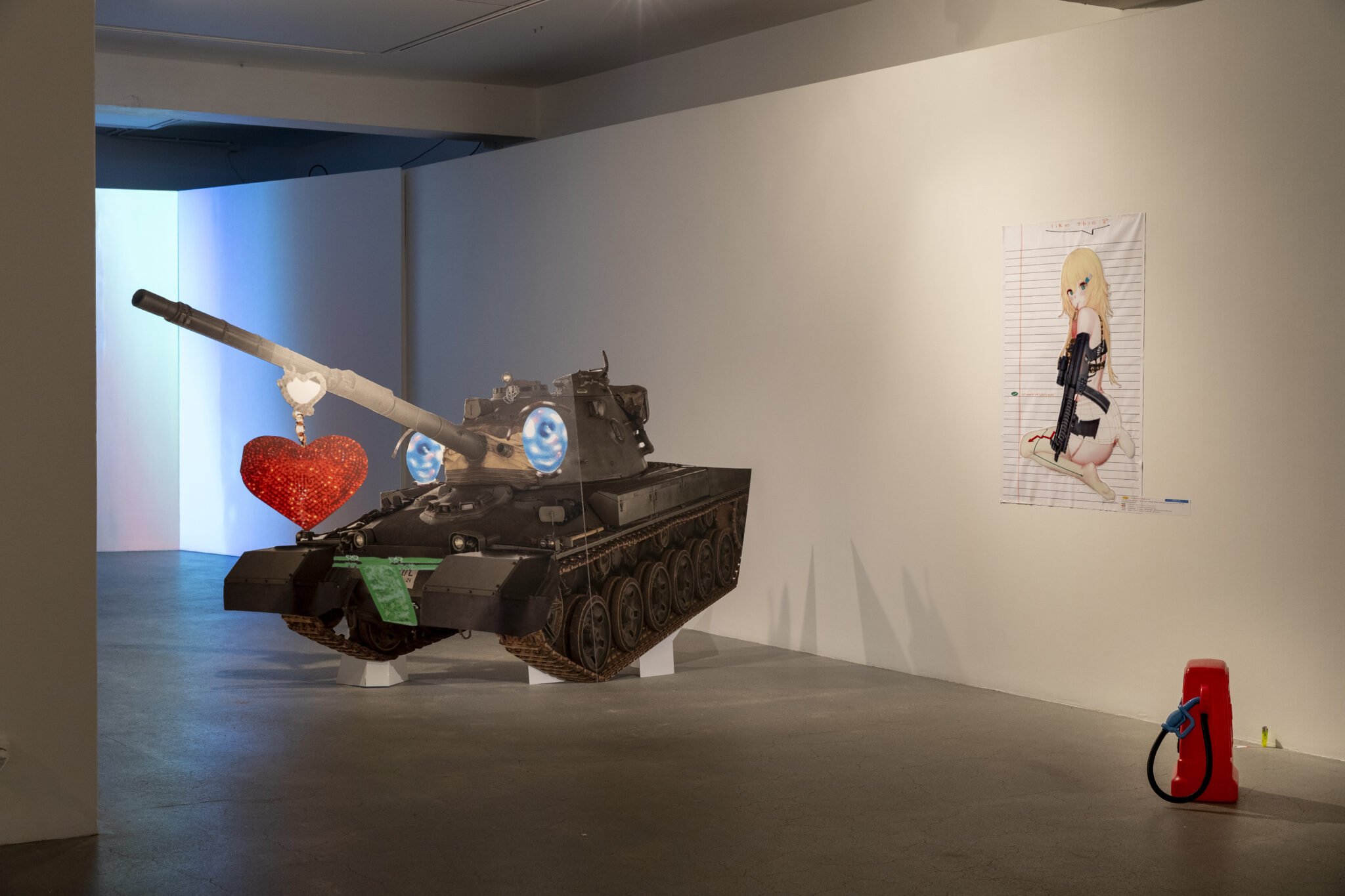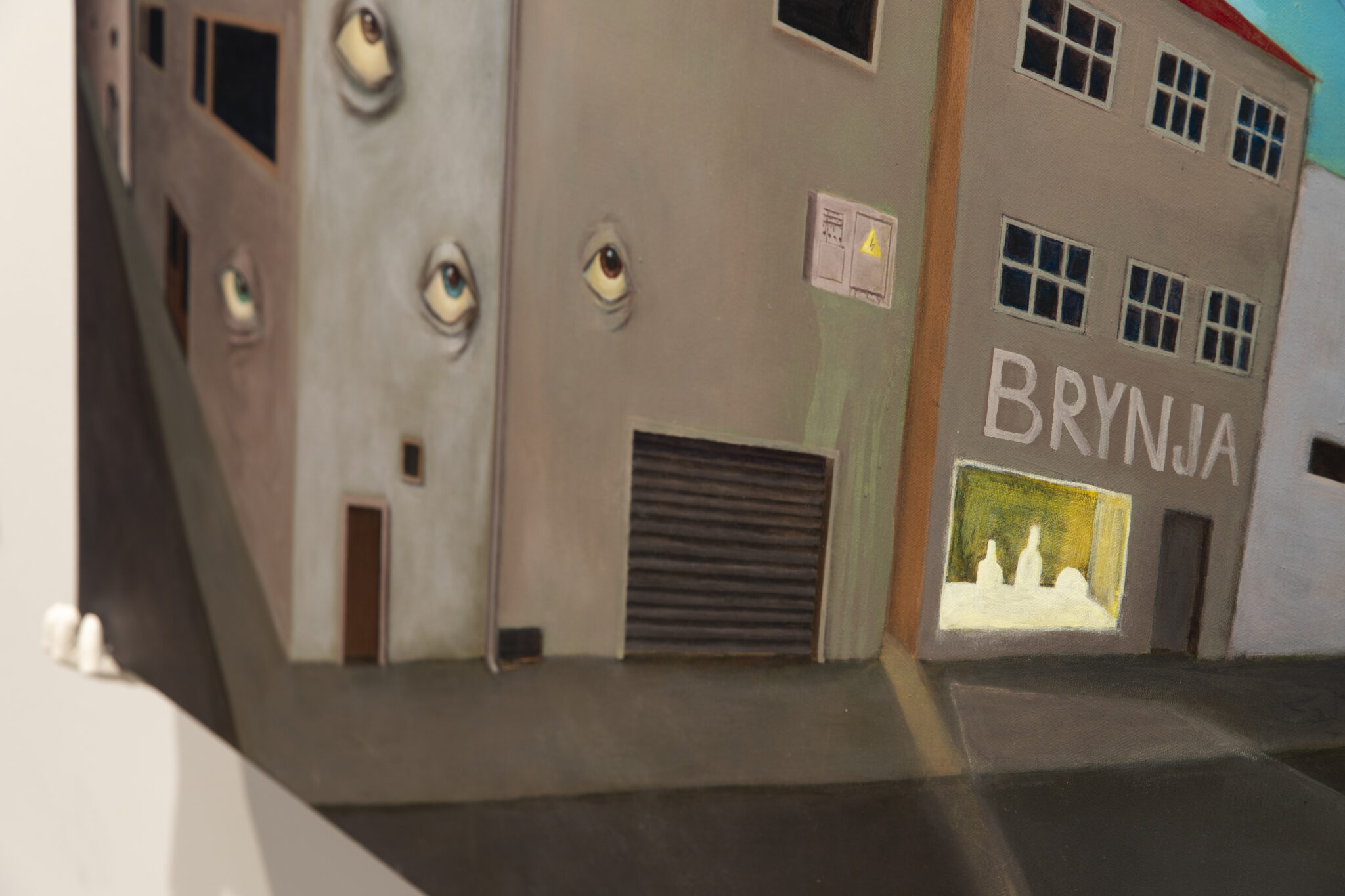
This thesis project explorations the interplay between material culture, sustainability, and education through the lens of Iceland's history of survival and the proposed development of a centralized building for the Iceland University of the Arts (LHÍ). Shaped by its colonial past and reliance on local materials such as turf, stone, and driftwood, Iceland's resourcefulness reflections a legacy that aligns with environmental management, on other hand, environmental research, and research, and economic activities.
For decades the Iceland University of the Arts (LHÍ) has had an ongoing discussion about creating a single, permanent building that consensus all the university's departments into one cohesive space. This vision would develop a better working environment while protesting the growing importation of the arts in Icelandic culture.
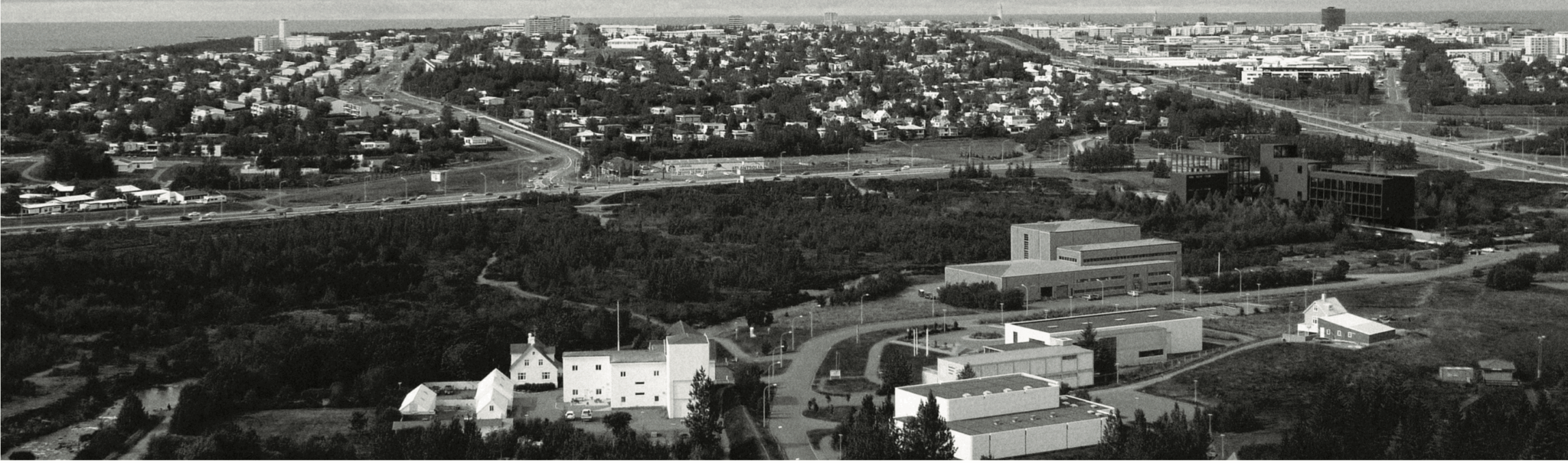
The proposed campus in ElliðaárdalurReykjavík's largest natural retreats: opportunities an opportunity to invest in knowledge and materiality can embody a sustainable and context-sensitive approach. The thesis also measures the potential and based alternatives to the urban activities, which are located within the urban areas, which are located within the urban activities, which are located within the urban activities.
Results position LHÍ as a leader in ecological design and art education, contributing to a reading cultural and educational legacy
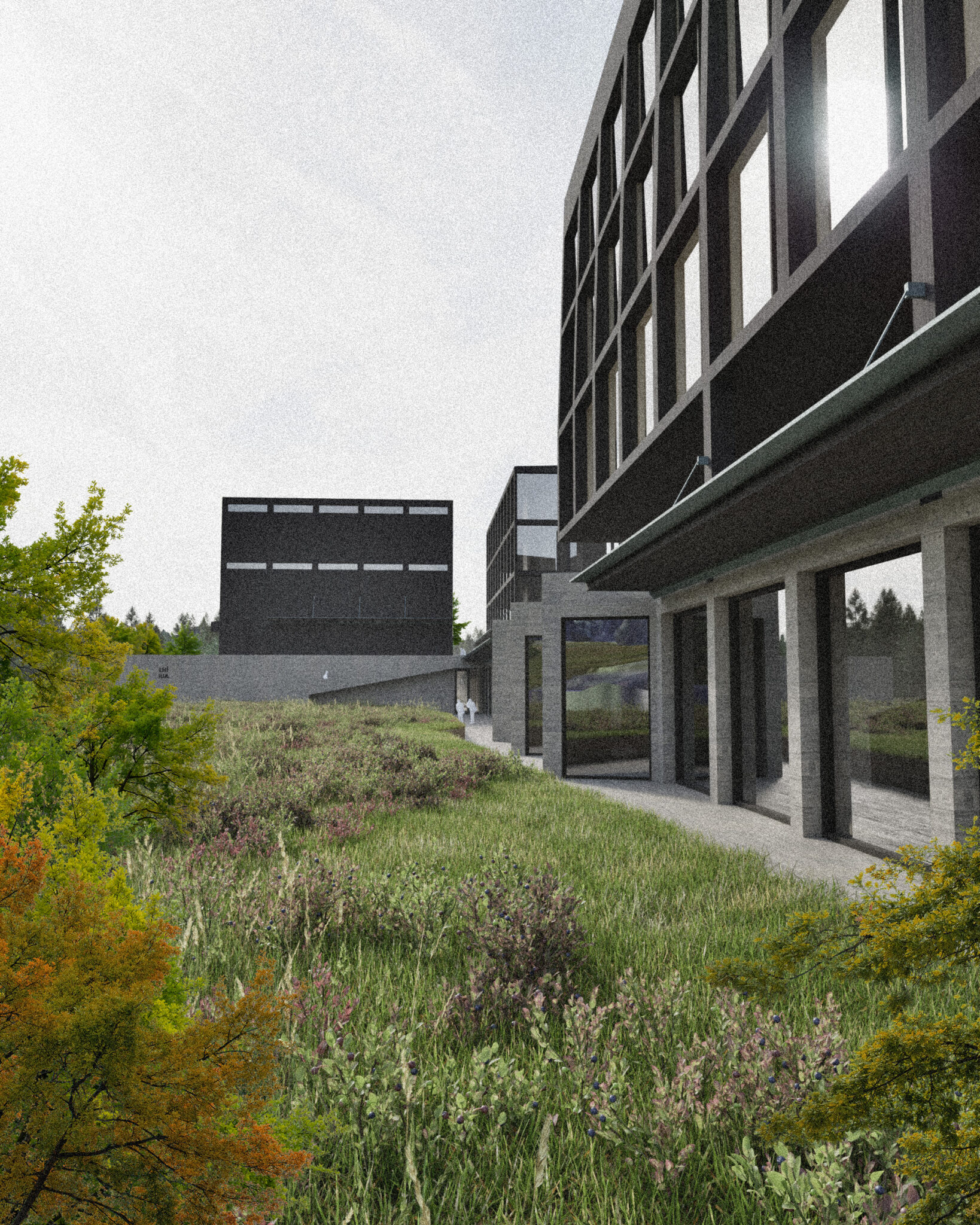
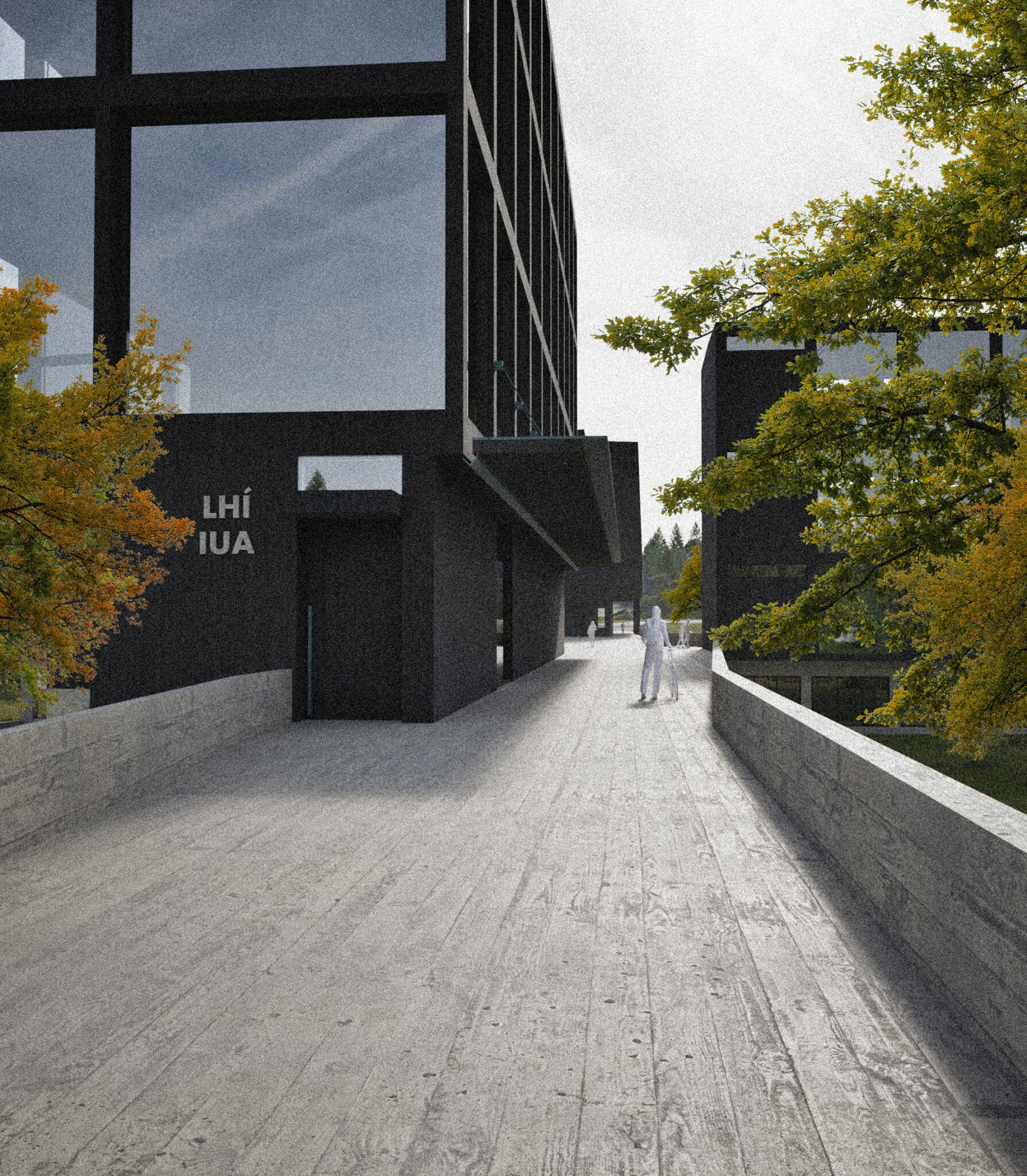
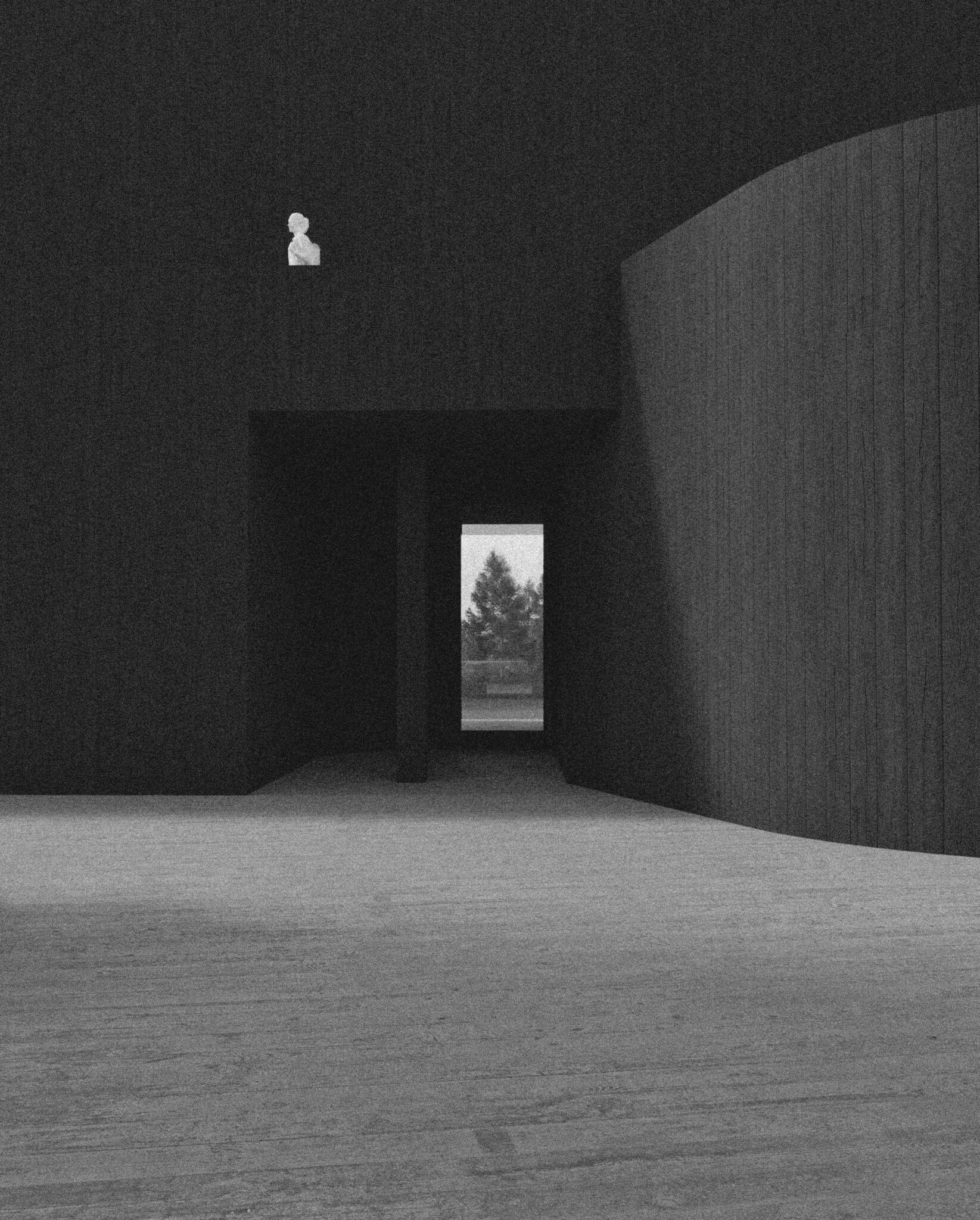
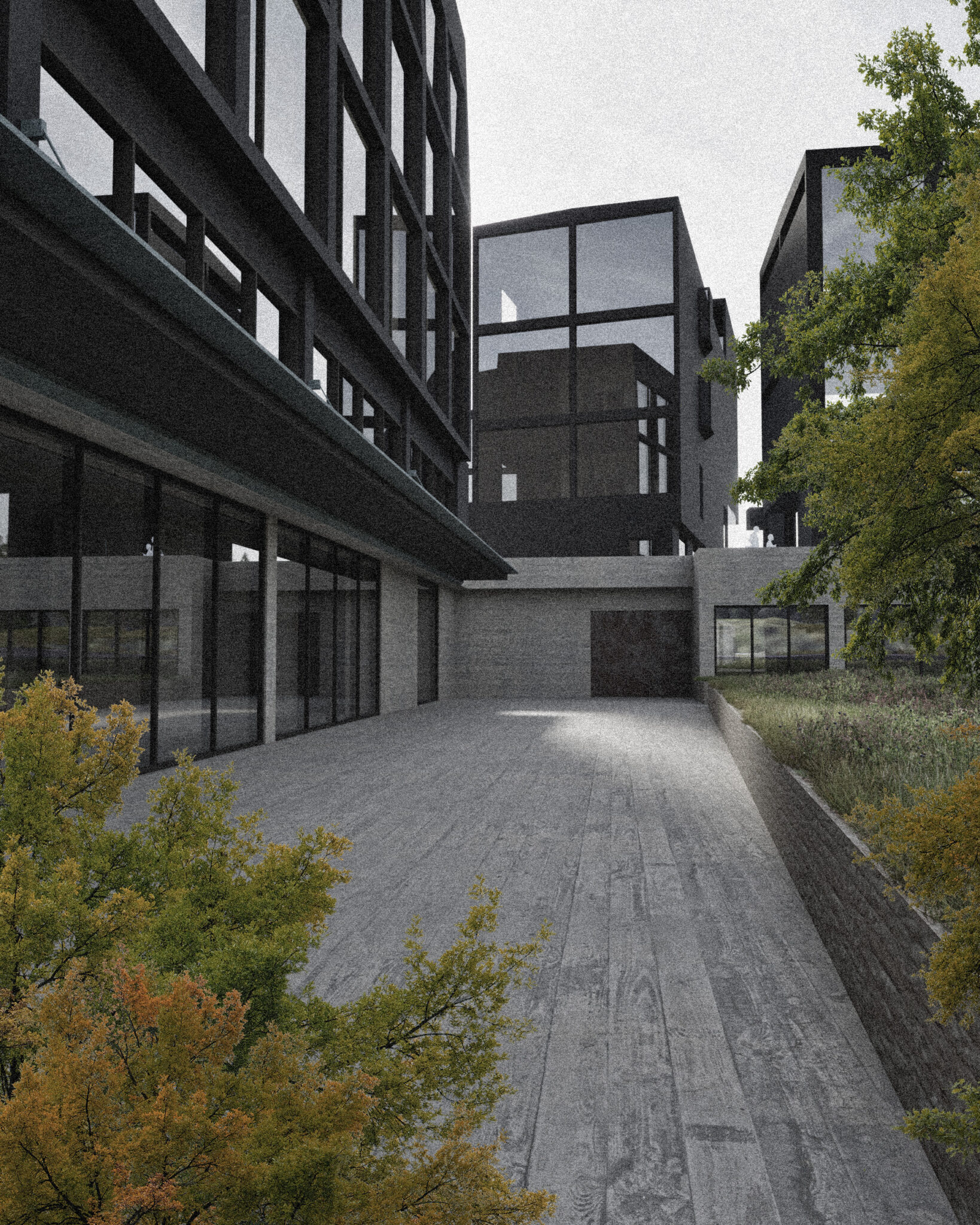
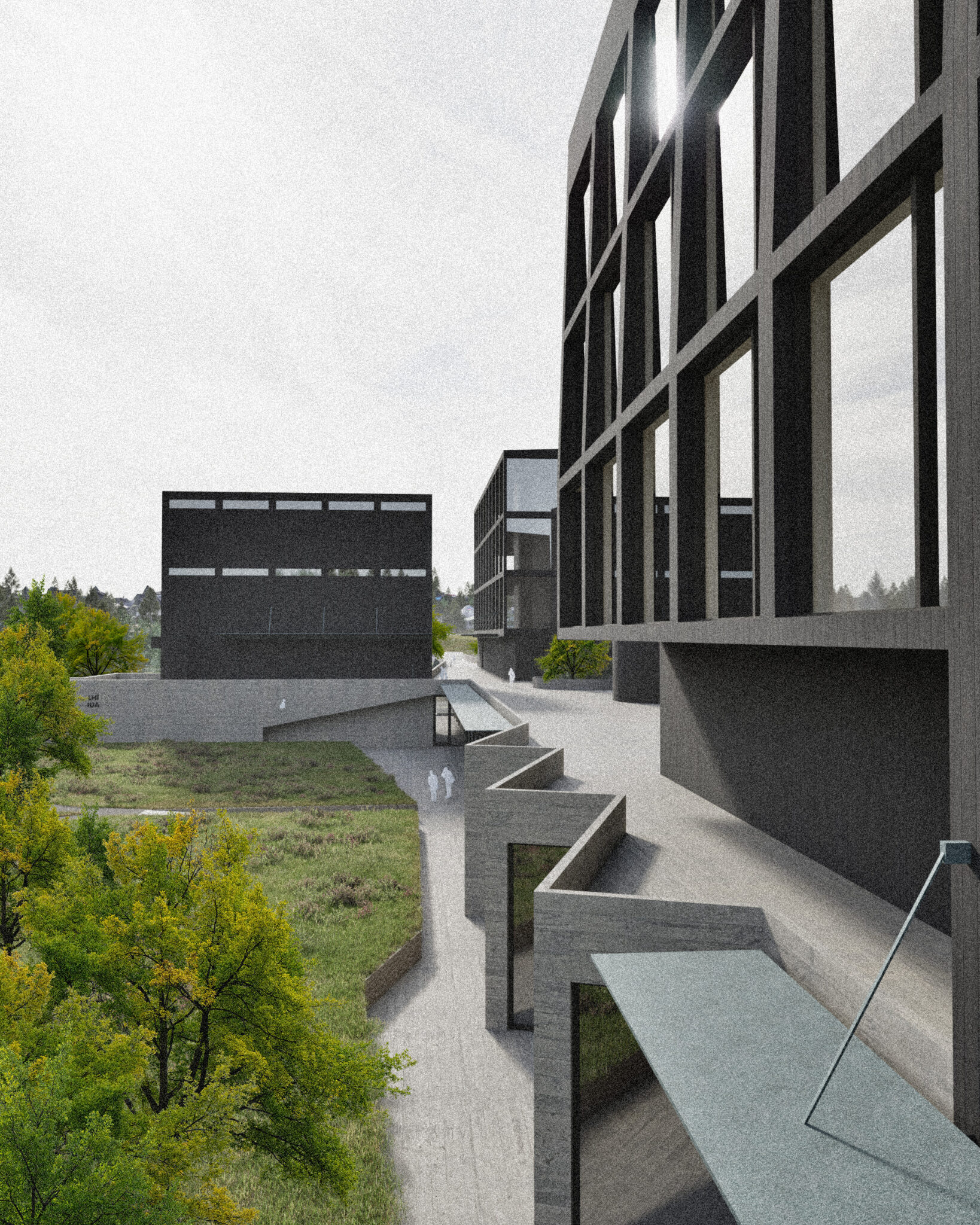
The work in pictures.