Þorlák times and musical life of the Middle Ages in Iceland

Þórberg Bollason
Entrance
What was the culture of the Middle Ages like in Iceland? Much has been lost over time, but the sources we have about the nation's culture in the past are best found in old manuscripts and books, apart from what has lived in oral storage. The Middle Ages were a boom time in the cultural life of Icelanders in all areas of art. Churches were built all over the country, adorned with decorative craftsmanship, compare the Valþjófsstaðar door, which is preserved in the National Museum. landmark works in Icelandic literary history were written, both in the early Middle Ages when all the main medieval works we know are written, such as Heimskringla and Íslendingasagurn, but also in the late Middle Ages, not least within the Catholic Church in Iceland, where we get landmark works such as Sólarljód and Lilja. But what do we know about the music of this time?
One of the main sources we have about late medieval music in Iceland is a manuscript of Þorlák times. Þorlákstíðir is a menstrual song that was sung, and still is, in honor of Þorlák helga Þórhallsson, Bishop of Skálholt and saint. The menstrual song was performed twice a year, at Þorláksmessa in summer on July 20 and Þorláksmessa in winter on December 23.
Understandably, the manuscript unfortunately does not give a coherent picture of how musical life has been in Iceland at that time. We must therefore only be able to put in the gaps. In this article, an attempt is made to shed light on the music that was practiced in this country, especially in the ecclesiastical environment at the time the manuscript was written, at the intersection of the 14th and 15th centuries. The article is adapted from my BA thesis in composition at the Iceland University of the Arts, where the research question whether Þorlák times have been performed in polyphony.
The script
The very skin script that holds the menstrual song is called AM 241 a II folio and has been preserved at the Árnastofnun in Reykjavík since 1996. Where it has been for centuries is not good to say, but it is interesting that in its margin it is written: „this book a kyrckian j skalholltti en ein Anar A 1597“.[1] In his doctoral thesis on Þorlákstíðir, which will be used somewhat in this article, Róbert Abraham Ottósson believed that the likely author could have been Abbot Arngrím Brjánsson of Þingeyrarklaustr and the likely period of origin of the manuscript at the junction of the 14th and 15th centuries.[2]
It is not particularly surprising that the manuscript was written in a monastery, as they were an important part of the church's infrastructure in Iceland and the cultural activities of Icelanders at that time.
The monasteries were significant cultural institutions. The monks wrote books and wrote manuscripts. In Þingeyraklaustri, they worked for example, Oddur Snorrason, who wrote the story of King Ólaf Tryggvason, and Gunnlaugur Leifsson who wrote the story of Bishop Jón Ögmundarson. Abbot Karl Jónsson (1169-1181) was also a skilled writer and wrote the story of King Sverris Sigurðarson. Helgafellsklaustur in Snæfellsnes had a large library, being the richest monastery in the country.[3]
Table 1 and Figure 1 show how widely monasteries existed before the Reformation.[4] Monastic life in Iceland was in two rules, monks of the Benedictine order named after Benedict of Nursia and canoes of the Augustinian order named after Augustine, but the monks of that order were also ordained priests.[5]
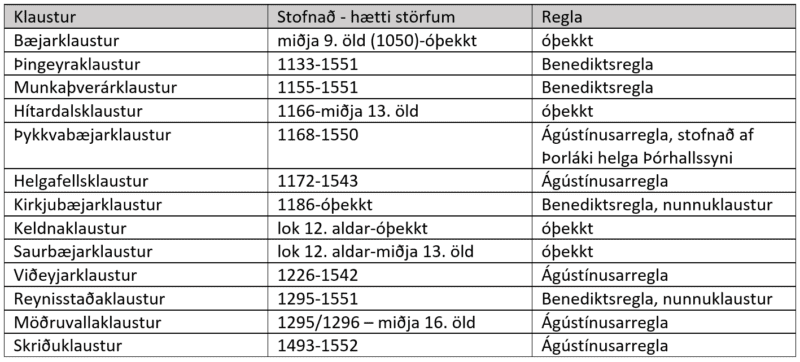
Table 1. Monasteries in Iceland[6]
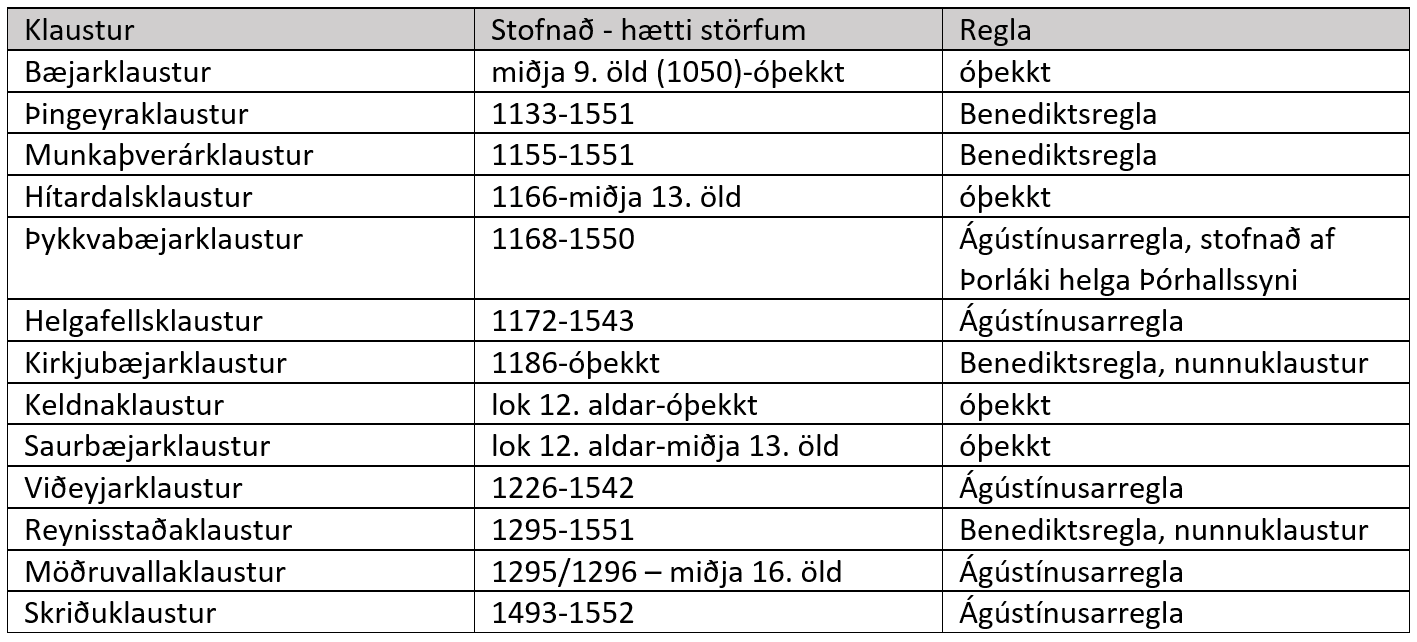
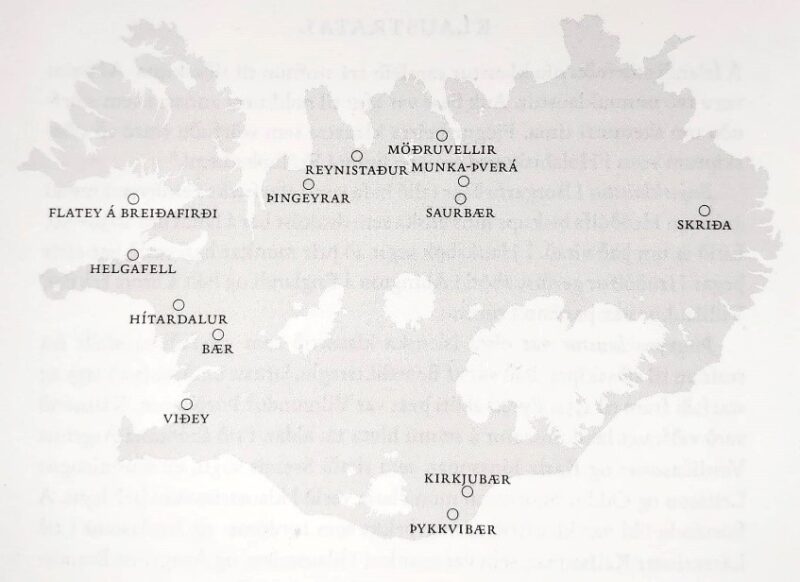
Figure 1. Map of monasteries in Iceland[7]
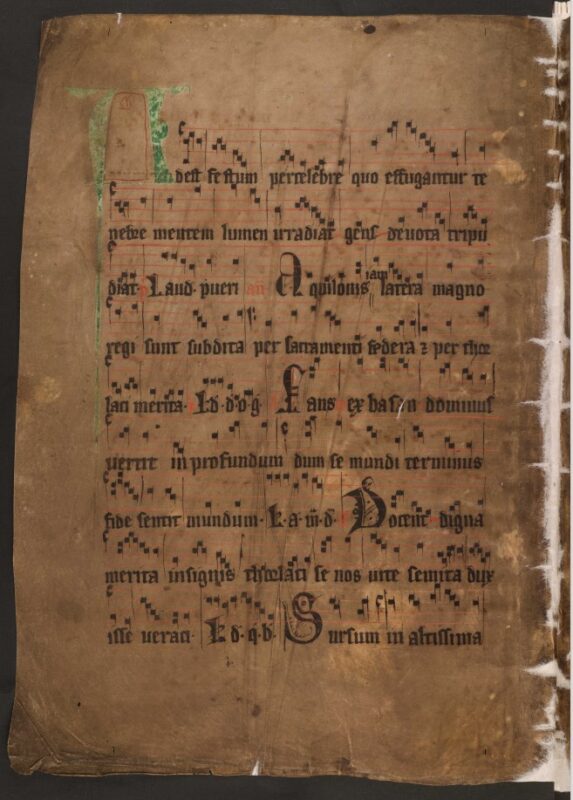
Figure 2. Home and page from inside the manuscript AM 241 a II folio[8]
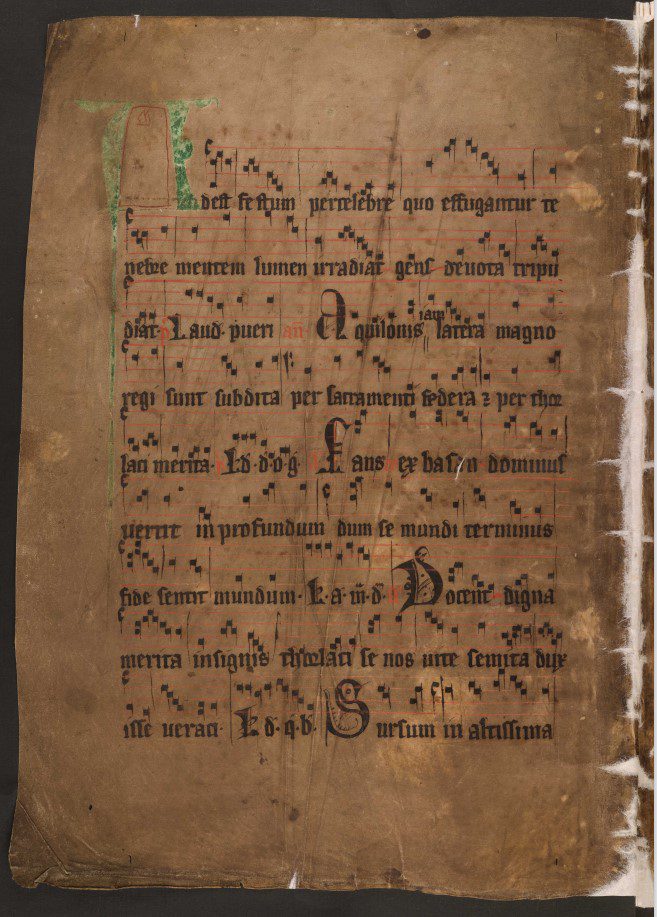
The manuscript for Þorlákstíðir has, as far as we know, been written in Þingeyrarklaustri, but shortly after, it became the property of the bishop's chair in Skálholt and was used there for the menstrual singing of St. Þorlák. As can be seen in Figure 2, the content of the manuscript is for the most part the notes to monophonic melodies written to texts, but in some places the text stands single without tonal material All this is music from the Catholic liturgy. For the most part, these are menstrual songs, but there are also two mass teams as well as other incidental elements that are difficult to locate in the context of the manuscript's other material.[9] It is worth mentioning in this context that the manuscript is somewhat damaged - margins are widely shredded and in some places pages have been lost.[10] It seems that over time the papers were freed from their original binding and the series of pages became confused Here is relied upon Robert Abraham Ottósson's rearrangement of the pages and his classification of the manuscript's material.[11]
It is natural that a question arises as to what music is included in this menstrual song, and how it was practiced in the Middle Ages? To shed light on it, the following chapters discuss various things related to musical performance in the Catholic liturgy of the Middle Ages.
Music notation
The notation in Þorlákstíð's manuscript seems at first glance familiar to those who are literate in notes, but it is soon seen that it is quite different from the notation we know today. The manuscript is written in barely (lat. neuma) which is the first notation known in Catholic church singing, and thus one of the first in the musical history of the West.[12] Bars started as a memory device, they were lines written above a particular text in order to remind the performer whether the appropriate song would go up or down in pitch This is a simple notation, a memory for a performer who already knew the song in question The first few bars were only two symbols, virga („/“) which meant elevation and points („ . “) which meant a reduction.[13] As time went on, a distinction began to be made as to the height at which the narrows were written Thus, two narrow ones written at the same height marked the same pitch The biggest step came when crosslines were added for clarity.[14] At first there were only two lines, the upper line yellow representing c’ and the lower line red that represented f. Soon, however, the four lines became four and two keys, C-key and F-key, were introduced, which replaced the colors to place the bars in a field of tone.[15] There was a medieval string of music There By writing on it narrowly, all the music one lists could be written down with precise pitch This notation is called hoof feather writing (e. square-notation) and this is the writing used in Þorlákstíð's manuscript. Figure 2 shows how the four-line string of notes is written in red ink and the C-key is located on the top line of the string. However, there was still no way to write rhythm, only pitches. Although it seems tempting to see the crosslines in the script as some kind of rhythmic dash, I think it is more likely that they are simply designed to help the eye better pair tones and lyrics.
What is a menstrual song?
But what is the nature of this menstrual song that Þorlákstíðir consists of? In order to answer that, there can be reason to look a while further back into history, back to early Christianity in the first centuries of our calendar.
By this time, the Mass had not yet come into existence, and Christian ordinances were often celebrated at night, both for convenience but also for the risk of persecution The first form of menstrual singing we know were such night ceremonies celebrating the Last Supper of Jesus Christ, and the Holy Sacrament being received.[16] These ceremonies were held on Sunday night and mainly consisted of prayers, scripture readings and hymn singing, but hymns were also soon sung.[17]
As time went on, and the altar procession moved to the Mass, this night ceremony was divided into several parts, and then began to shape the times we know today On Saturday evening, on the eve of the Mass, a time called began to be observed Vesperas.[18] When the night was over, the main part of the ceremony was played, which was a ceremony in three parts, the so-called night tour, which together formed the years The food. Finally, the morning was spent Laudes before celebrating Mass These three tenses remain the most important tenses of the church and have the most musical content.[19]
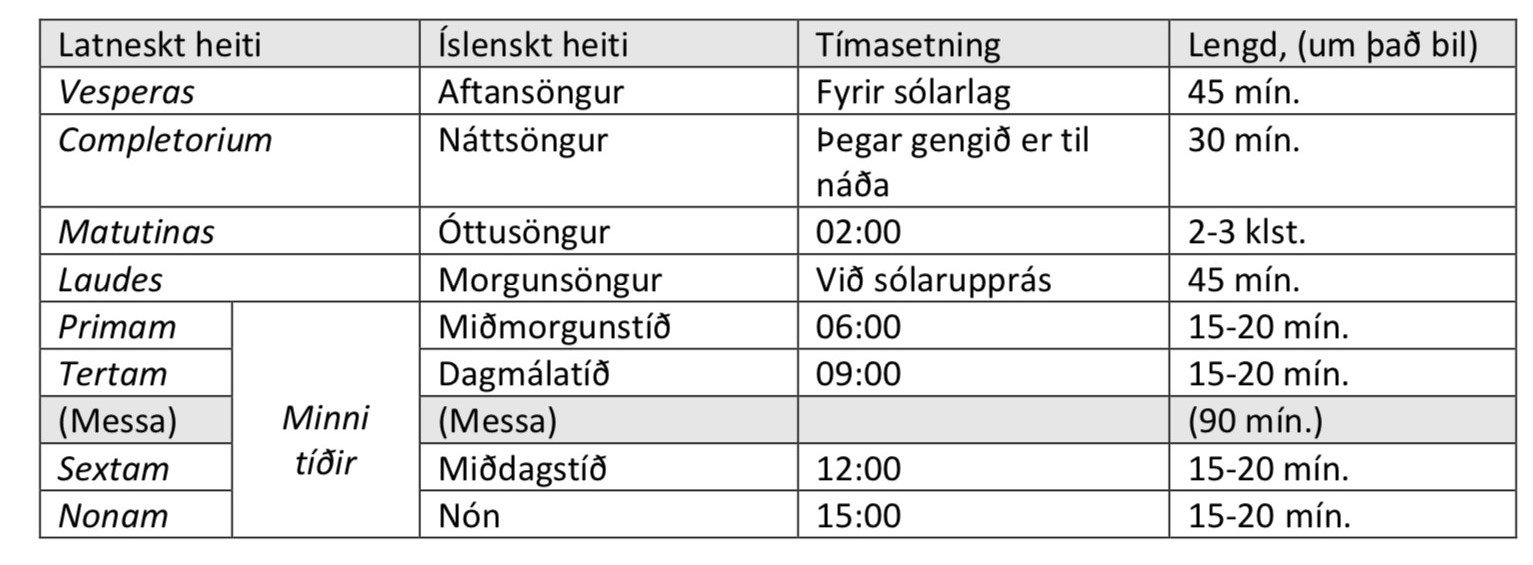
The aforementioned tenses were later supplemented by four tenses, often called „the lesser tenses“ due to their short duration of performance, and they were more personal ordinances; Primam at 6, Tertiam at 9, Sextam at 12 o'clock and Nonam at 3 pm Eventually the time came Completorium and then all the periods of the Middle Ages are listed.[20] The Completorium was a kind of smaller version of Vesperas that was taken before bed. However, it is of the least importance to us here, as its musical importance is limited due to the small amount of music written for it.[21]
Menstruation was originally done every week on Sunday night until Sunday evening, and then both started and ended at Vesperas, but soon it became customary to menstruate on other holy days such as the days of saints or martyrs.[22] The period song developed mostly in monasteries in the Middle Ages, but there the tenses were sung every day. Along with the mass, the celebration there could take 7-8 hours every 24 hours. The specification for that was made by Benedict of Nursia, founder of the Benedictine Order.[23] Often the menstrual songs were adapted to the holy days of the Christian liturgy, as is the case with the Þorlák times. It is also counted from Vesperas on the eve of Þorlák's Mass to Vesperas Þorláksmessa evening.
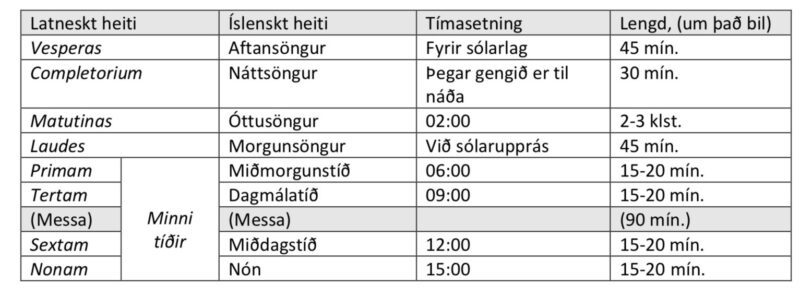
Table 2. An overview of menstruation in medieval Catholic menstrual singing[24]
The main basis of the menstrual song, especially to begin with, was hymn singing, The song was perhaps slightly different from what is used - namely, the text of the celebration was not sung to a large extent to ready-made „songs“ as we are used to but to the so-called tone.[25] The tones were certain specifications of notes that could be adapted to the text that was to be performed at any given time. The tones were composed on the one hand voice keeping, a note on which the main part of the text was sung, and on the other hand ribbons made at the beginning and end of the text.[26] Each note was usually sung over one verse which is each two lines, and was also often a bow at the intersection of the lines of the stanza Simple notes were most often in the Middle Ages with a voice hold on note A with bows down to G or F, but in the 13th century it became more common to have the voice hold on F or C and then end a small binary lower on E or H. There was not much musical content in this simple song, but the notes could become much more decorative as will be done later.[27]
For this great and constant performance, the hymns were not so much By singing menstrual singing every day, you could get through all 150 David hymns in one week. It can be assumed that monks began to get bored with the undecorated tone singing after singing this same material for years, as different performance methods soon began to be created to enliven the singing, which consisted of adding fluorescent melodies, often with new lyrics. The hymn could then be either antiphonic, responsorian or straight:[28]
Three different modes of performance of hymn singing can be identified: direct, antiphonic and responsive hymn singing In straight psalm singing, the Psalm's stanzas are sung throughout without added lyrics An antiphonic performance implies that the two halves of the chorus take turns singing either the stanza of the psalm, or (which was all the more common) the added stanzas sung to simple melodies - antiphonies - either before or after the psalm, or between its stanzas In a responsorian psalm song, a single performer sings the lyrics of the psalm, while the congregation or chorus sings answer after each stanza.[29]
At any given time, hymns were sung both antiphonically and responsorically, but it seems that direct hymn singing was not common The melodies ("Song") were not the most common, but the psalm-like songs were the most commonthe antiphonies), however, you could find more widely than in the hymn, because antiphonies soon began to follow other parts of the menstrual songs such as the Bible song and the prayer towards the end of each period.[30]
As can be seen in Table 3, there are more joints in the menstrual song than just the hymn The table shows the layout of the joints of each menstrual song, but for those interested in the nature of each item, more detailed explanations can be found in the appendix.
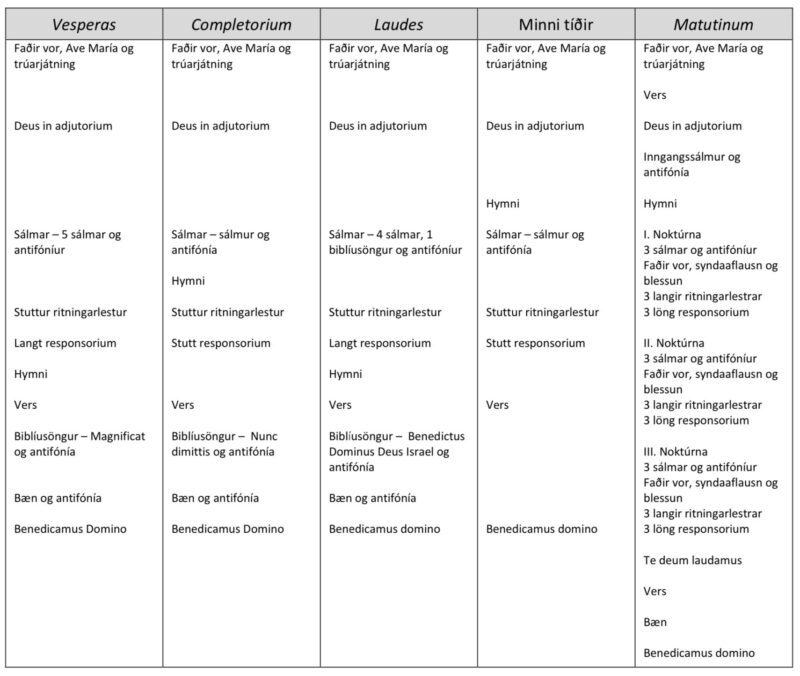
Table 3. An overview of the episodes of menstruation in medieval Catholic menstrual singing.
The appendix of the article contains definitions of all the joints of the menstrual song that appear in the table [31]

For comparison, let's look at what content can be found in Þorlákstíð's manuscript. Table 4 shows the menstrual singing part of the manuscript.[32]
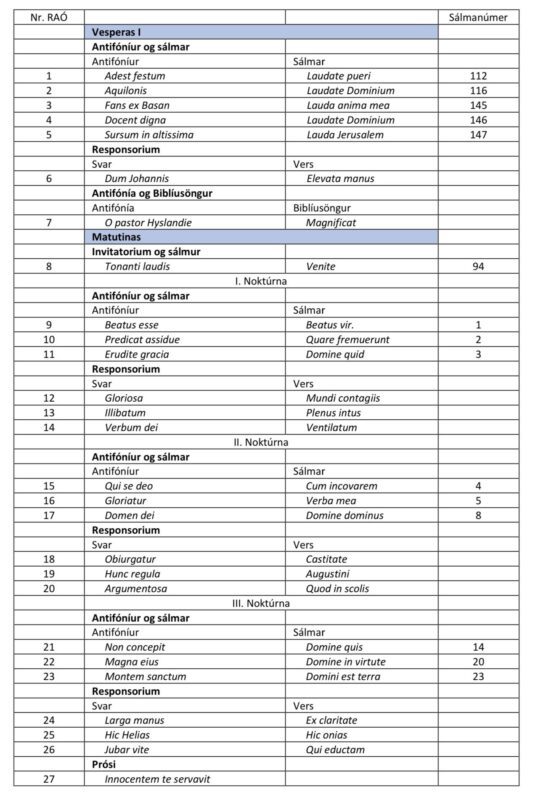
Table 4. The joints of the menstrual song of Þorlákstíði that can be found in AM 241 a II folio.[33]
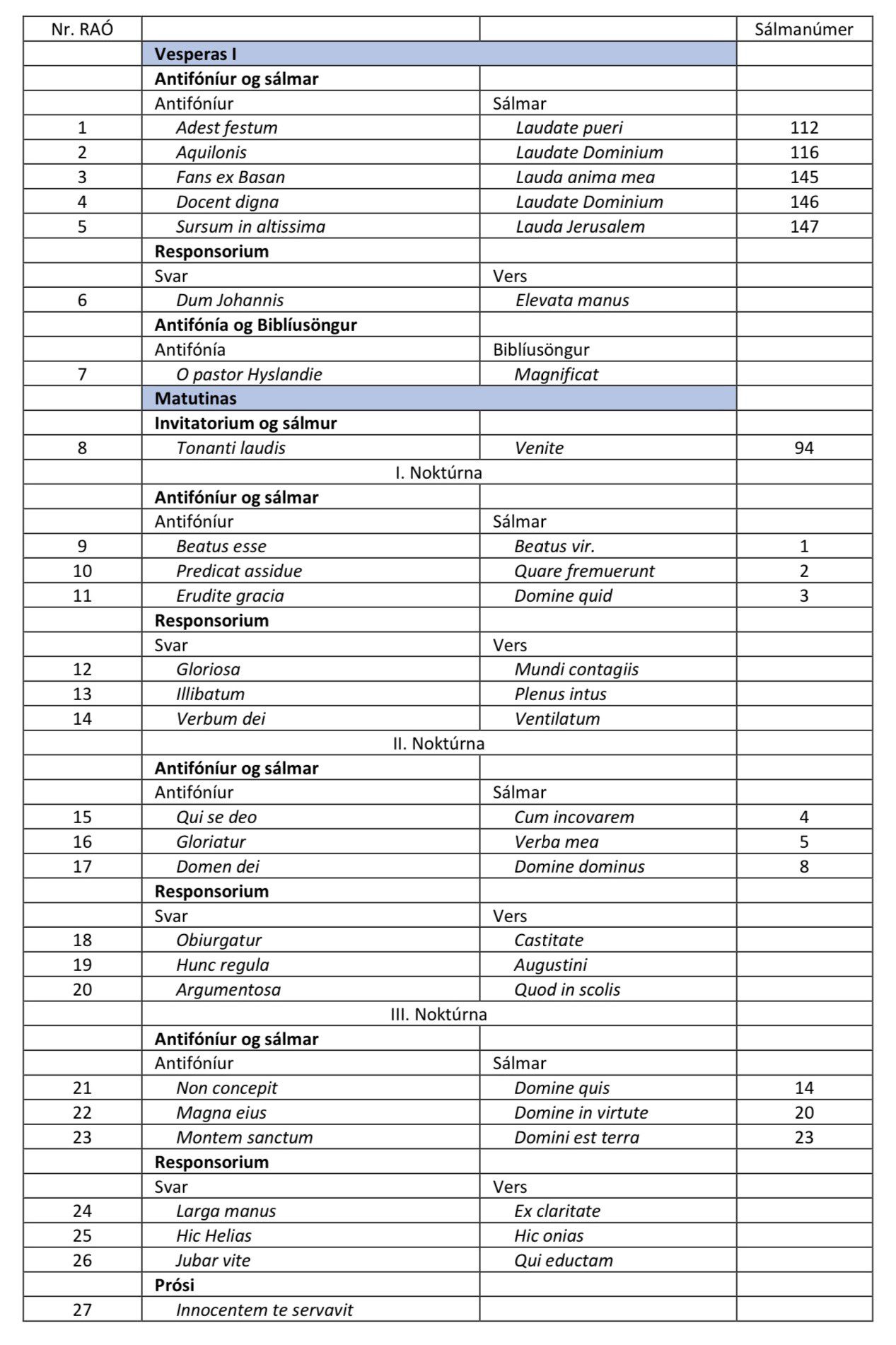
If we compare the form of the menstrual songs in Table 3 with the content of the manuscript of Þorlákstíð in Table 4, it can be seen that the manuscript contains far from all the parts of the menstrual songs. In the first Vesperas in the manuscript, for example, only five antiphonies can be found at hymns, the responsorium and the antiphon for Magnificat. When compared to Vesperas in Table 3, it can be seen that this covers only three of the ten parts of the liturgy. It is therefore unlikely that this manuscript was only a record of the exceptions that the performance of Þorlákstíðir required from the traditional menstrual song. Since the text of the 20th is not suitable for the performance of the text could be seen at the same time.[34]
It is natural to imagine that the great works of the Parisian authors as the product of composition work fixed to paper before it was performed, just as with later composers, It is unlikely that Leoninus and Perotinus sat sweaty „writing“ the works attributed to them It is more likely that they wrote what they had previously sung without music with their companions at mass, and had plenty of time to rehearse together, try solutions and choose what they thought best. [...] Perhaps the French singers consulted manuscripts before heading to church but hardly have sung with their heads on top of the music book For this are the surviving manuscripts of „organum-the great book is simply too small in size.[35]
In this context, it is also worth bearing in mind that the hymns themselves are not written down in the manuscript, but it seems to have been enough to simply refer to them with opening words such as Laudate pueri after the first antiphony.[36]
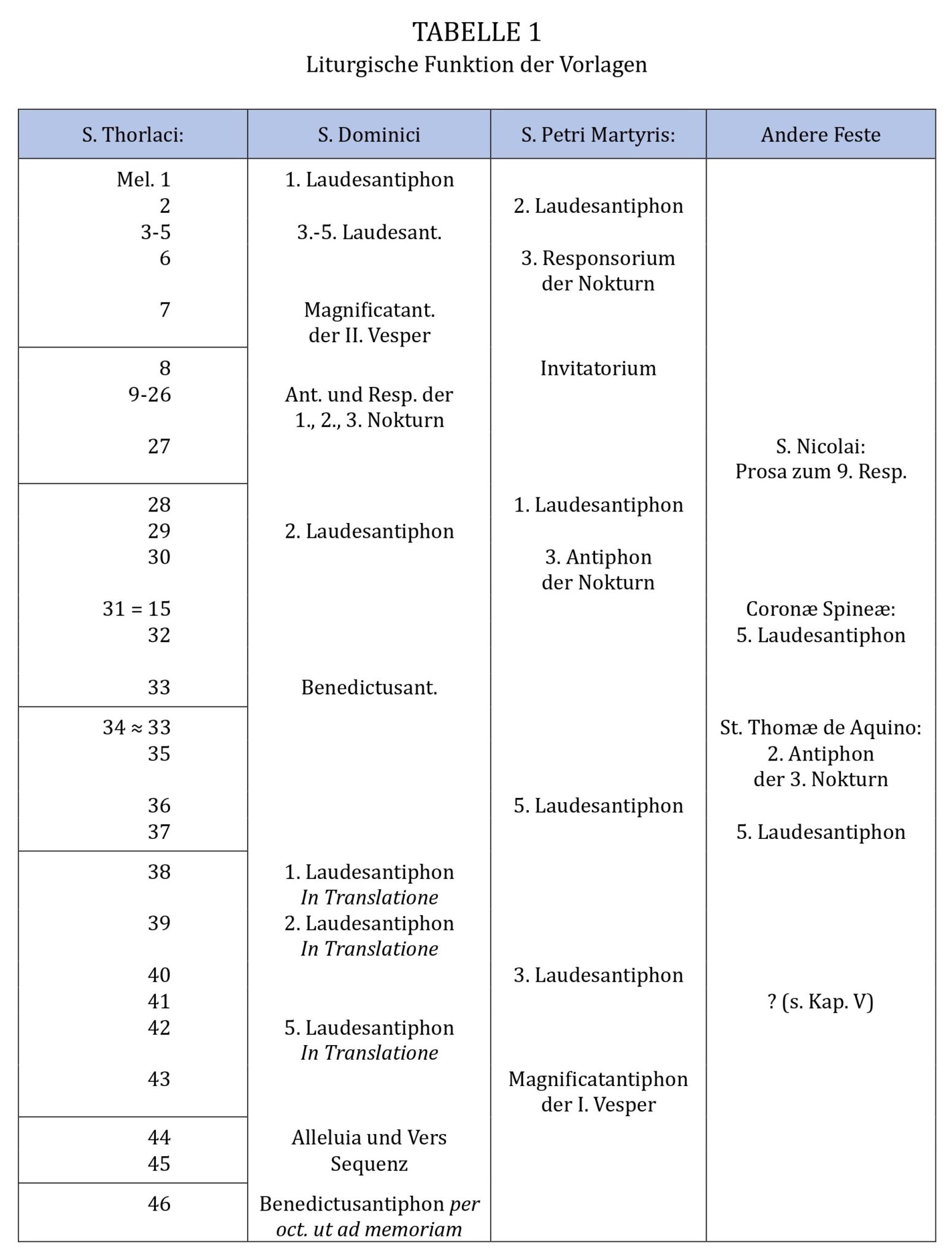
The subject of the manuscript, which are not standard texts (such as hymns), is more or less all texts written in honor of Þorlák helga Þórhallsson. It is interesting that in his essay, Róbert Abraham presents the hypothesis that, although the text about St. Þorlák is probably a domestic work, the melodies of the manuscript are based on foreign models.[37] In support of this, he has found possible models in foreign publications that fit almost perfectly with the melodies of the manuscript, although with a few exceptions.
Figure 3 shows Robert Abraham's table of possible models.[38] The numbers of the melodies are the same as in Table 4.
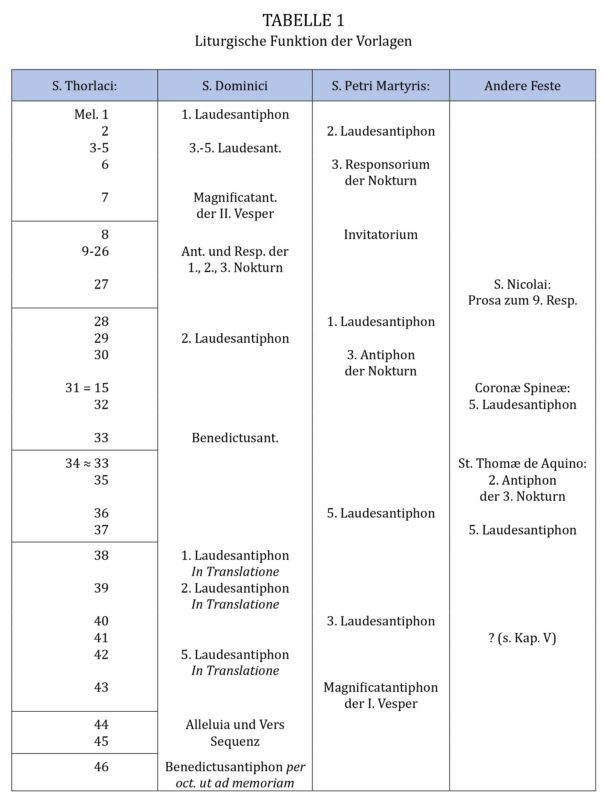
Figure 3. Comparison of material AM 241 a II folio and possible models.[39]
Tones and tones
What did the music written in the script sound like? In order to understand that, and also especially the polyphony that will come later, you first need to get to know the environment of the keys; how did people think about and organize pitches at this time?
The keys of the Middle Ages were all diatonic keys, meaning that when notes were written, there was generally no basis for sign Human ideas about keys were quite different from what we know today in the major/minor system „The functional visions“ of a sweet key were not yet thought of, and this can be seen, among other things, in the fact that the importance of the keynote consisted only in being the final tone of a work in a particular key, but it was precisely called" finalis.
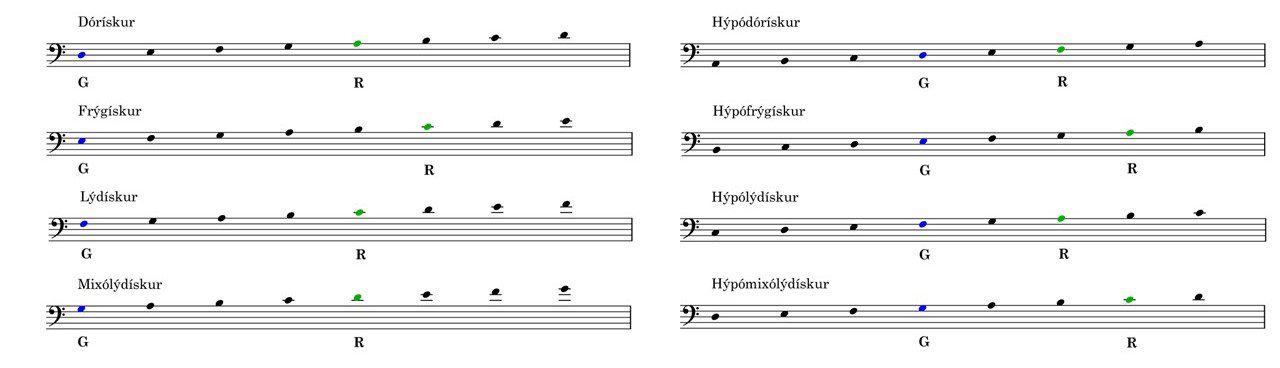
The keys could be grouped into four groups, called maneria, depending on whether their keynote was D, E, F or G, but their name was then protos, deuterus, tritus and tetradus. Within each group there were then two keys, one main key (e. authentic) and one derived key (e. plagal). Today, we might not be able to discern a large difference between the primary and secondary keys as they were based on the same intervals based on the fundamental tone The only difference was the range of tone At this time was namely don't think of octaves as equivalent, so if a song was in a certain key, it almost always stayed within the pitch range of the key The main exceptional cases were if singers allowed themselves to skate one note up or down for the formal pitch range of the key.[40]
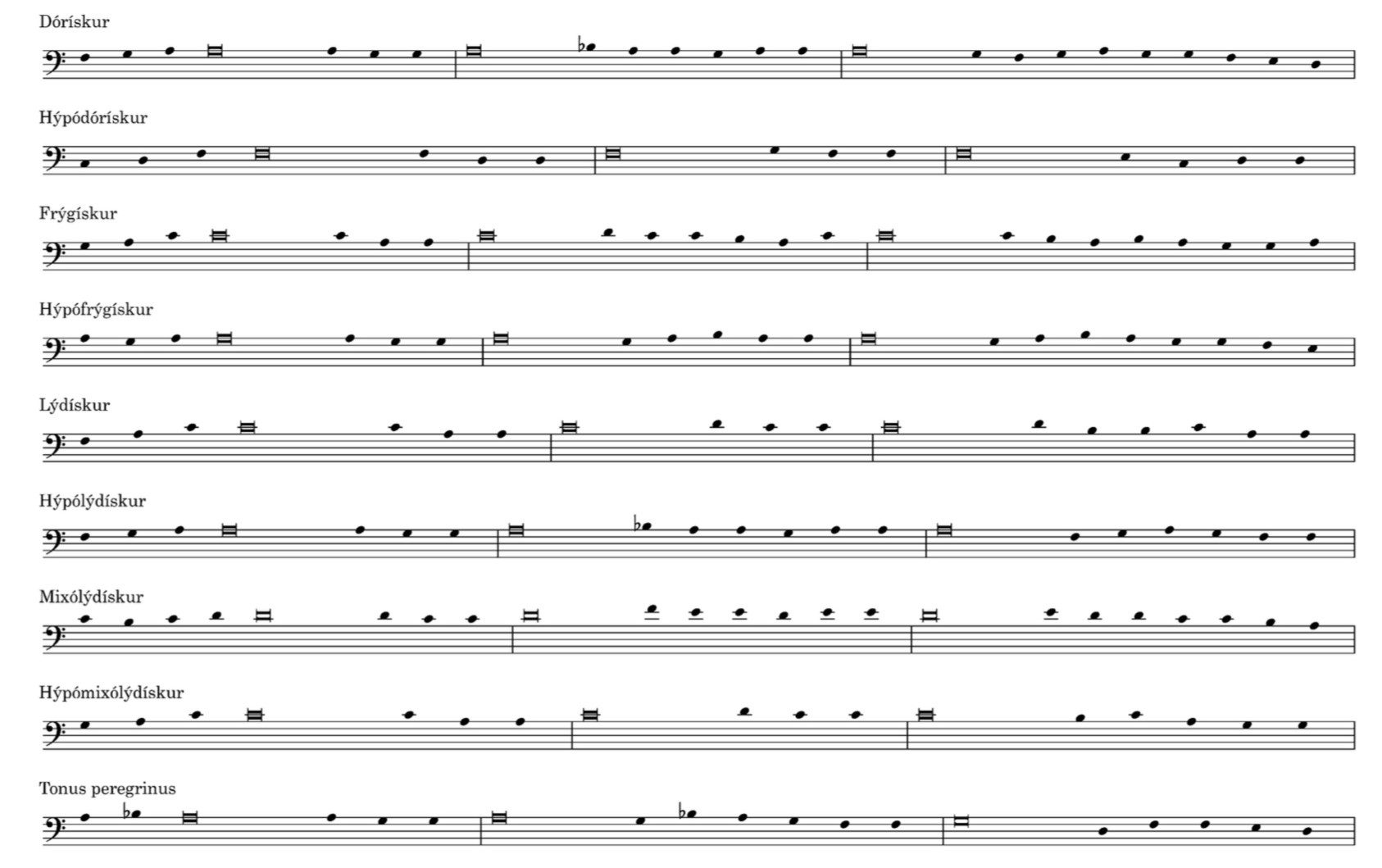
The main keys were called doric from D, phrygian from E, lydian from F and mixolydian from G. The derived keys were prefixed hypo, and thus became hypodoric, hypophytic, hypolydic and hypomixolydic.[41] As can be seen in Figure 4, the derived keys actually start with what would be the main key, thus spanning a range of 4und lower than the main keys.[42]
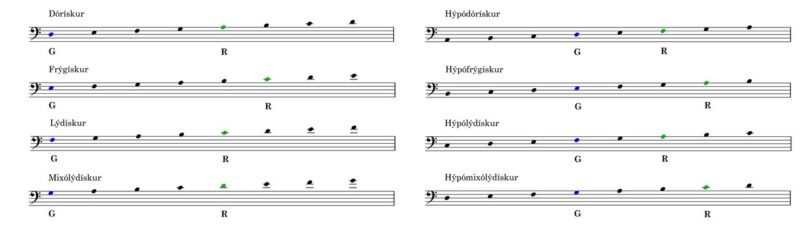
Figure 4. Medieval keys.[43]
Besides a key note, there was another key note in each key that was the voice hold Originally, it was always in the main key and in the derived key, but as time went on it shifted from H to C in Phrygian and Hypomixolydic and from A to G in Hypophrygian.[44]
The reason for the importance of the voice in the keys was not least because the application of these keys is first visible in the so-called psalm tones, which were the tones sung at the Psalms of David The main difference between psalms and other tones was that they were rarely performed singly, but were almost always part of a larger whole Consequently, the psalms had to be sung in tones that matched their musical surroundings and the psalm tones were therefore all in keys.[45] Roughly, one main psalm tone may be said to have been for each key, plus one additional; tonus peregrinus, which had a keynote on D, but a voice hold that went from A to the first part of a hymn down to G in the second part of it.[46]

Figure 5. Major medieval hymn tunes[47]

In the early 11th century, the musicologist Guido d'Arezzo introduced a method of singing instruction he had developed that would later be the Sol-fa system we use today. [48] In this system he organized the tonal range of medieval singing by breaking it down into multiple hexachords, all of which were co-formal and had the intervals S2-S2-L2-S2-S2-S2-S2 (corresponding to the first six notes in the major scale).[49] Guido gave the notes of each six-tone score a name depending on the seat of the six-tone ladder of the respective notes: the 1st note was ut, note 2 was re, note 3 was mi, note 4 was fa, note 5 was sol, and the 6th note was la. He then arranged these six-tone levels on the notes C, F and G so that it became a scale called „Gamminn“ which was supposed to contain all possible notes that could be sung.[50] The big innovation with the introduction of this system consisted in the fact that a singer was now always supposed to be able to position himself inside any of these six-tone levels, and then found it easier to sing correctly what he read from a piece of paper If he had to go beyond the limits of one six-tone level, he just used some common note to position himself in a new six-tone level.[51] With this, singers could then be expected to read music directly from the paper, but previously it had been most common for singers to learn the songs, at least in part, by ear.
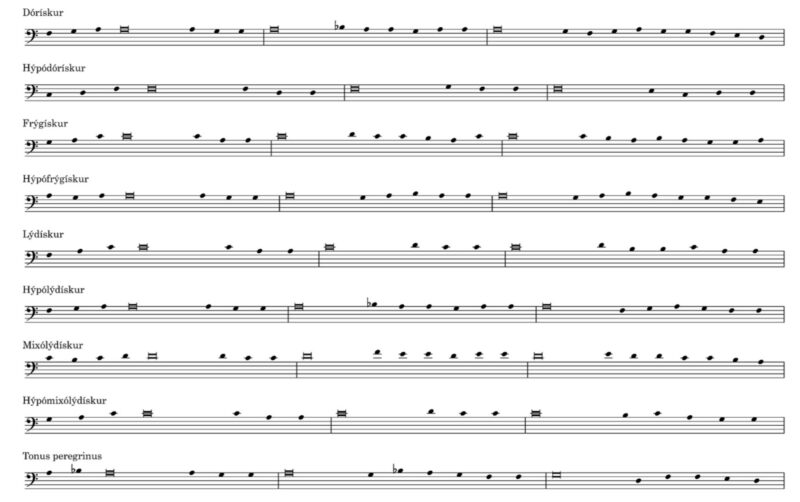
Figure 6. „The Gamma“, Guido d'Arezzo's musical range scale[52]
It is not at all unlikely that Guido's singing methods found their way to Iceland, as the level of education is high among the clergy, and there was a great connection with the mainland. It was said in the early days of the Icelandic church that Icelanders would study in Europe in order to get an education as a priest. They came home to Iceland and set up a school in Iceland where various arts were taught important for priests, including music.
An example of this European connection is Ísleifur Gissurarson the White who was after his conversion to Christianity elected Iceland's first bishop in Parliament. He studied in Herford, Germany and was consecrated as a bishop by the Archbishop of Brima with the support of Holy Roman Emperor Henry III. He settled in Skálholt and founded a school there to educate priests.[53] Gissur, Ísleif's son, succeeded him in 1080 and had him legalized Skálholt as a bishop's chair and build a cathedral. Another bishopric was founded in Hólar in 1106 and Jón Ögmundarson, the first bishop there, also founded a school, as well as he built a cathedral and founded the monastery in Þingeyri. In the history of Bishop Jón Ögmundarson, it is mentioned that the singing teacher Rikini, who was probably French, worked at the school in Hólar.[54] There were also schools around the country, and each monastery has most likely also performed teaching duties:
„It is known that two of the missionary bishops who worked here in the middle of the 11th century ran a school. They were Hróðólf who was English and operated a school, and possibly a monastery, on Bæ in Borgarfjörður and Bjarnhardur who was Saxon and had a school in Stóra-Giljá in Húnaþing. The schools in the bishoprics have previously been mentioned, but more educational institutions were found in the country. The Odds family operated a school in Odda in Rangárvellir, and it is likely that Bishop Sæmundur the Wise founded Bishop Gissur's brother Teitur had a school in Haukadal. Later, there were also schools in the monasteries“.“[55]
Polyphony
It is from this soil that the polyphony of the Catholic Church springs Since the subject of the Catholic observance was much sung by the clergy, it is understandable that they sought to decorate the music The first polyphony within the church of which we have records is so-called organum. It is not possible to say with a good way how the beginning of the organ took place, but sources say that it began as an improvisational method within the church in order to decorate the tonal material that already existed.[56]
As it began as a decoration to the plainsong, polyphony [of the organ] served almost exclusively the function of adding to the grandeur of church ceremonies from the ninth century well into the thirteenth It can therefore be seen as a kind of tropa that appeared alongside the plainsong instead of being monophonic additions to it Of particular note is that polyphony had its beginnings in the same centuries and in the same places and where there was a lot of writing of tropes and seconds Both types of music clearly come from the same need for artistic expansion Both treated that need in the most logical way with the expansion of the only proper collection of music that existed at the time.[57]
The tropes and sekvens mentioned in this quote were musical hand-to-hand which were often added to an old church song, and are another example of the clerics' creativity in performing the liturgy.
It is believed that the organ was only a very limited polyphony to begin with. For example, a follow-up voice could sing a drone under a certain smooth song or sing the melody of the smooth song in the same way as 8und lower or higher.[58] Soon, however, it began to appear that the accompanying voice did not necessarily have to follow the plainsong in the 8thundum, but she could also accompany him in other pure intervals, 5undabout and 4undum. This polyphonic method, singing the material in these harmonious intervals, is today called strict organ. The main voice bore the name vox principalis, but the accompanying voice vox organalis.[59]
There are two books that are the main source for such an organ: Musica enchiriadis, „Manual of Music“ „, and Scholia enchiriadis, “Annotations to the Manual" Scholia enchiriadis contains several good examples of how to sing the strict organ all based on the voicing of the same hymn tune.[60]
It starts by showing how to add a follow-up voice 8und above or below the main voice, or 5und below, and this two-voice polyphony is called simple organ. If more voices were to be added, it was possible to resort composite organ, but then the material of the simple organ was sung on the 8thnd above. From became a four-part polyphony with the main voice being sung from the basic tone of the smooth song, another 5und lower than the plainsong, third 4und higher than the plainsong, and fourth 8und higher.[61] Examples are taken that one could go into even further complexes. You could sing in three voices by releasing the bottom voice (which sang 5und below the main voice) and you could even move the voice which was 4und higher with the main voice up by 8und, so she ended up as the top voice, 11und above the main voice.[62]
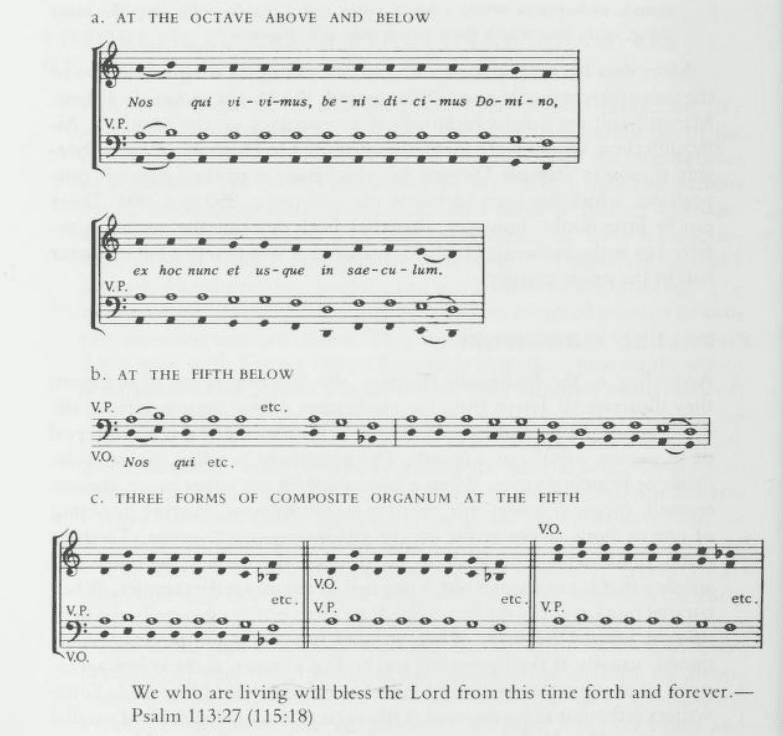
Figure 7. An example of a strict organ[63]
It is known that polyphony of this kind was common in Iceland at the same time as the script was written and has lived with the nation for a long time since then, but that is the song we call today duet, or sometimes fifth song:
For example, it [double voice] was practiced in Iceland for centuries. Here it was called duet when two voices sang in this simple style and the oldest manuscript fragment with such music that has been preserved by the hand of an Icelandic writer, it dates from the year 1473. [...] Although the version has changed over the centuries, it is in some ways rooted in the polyphony of the Catholic Church more than a thousand years ago.[64]
There is some inconsistency between Musica enchiriadis and Scholia enchiriadis about how to treat the strict organ where singing is in concert with 4undum, but in the books there is considered a risk of the formation of a tritone. This probably wasn't a real problem though:
As claimed in De harmonia after Hucbald, men and boys instinctively sing the strict organ in the same octaves A convergent movement in fifths and squares would of course require more attention from the performer, but it does not seem as far-fetched when one checks that the comfortable vocal range of tenor and bass lies about one fifth from each other "The" Strangan organ, whether simple or composed, never had to be written down, and the performers never encountered problems with tritones As soon as each singer had started on his opening note, he simply sang the musical interval of the melody from there, just as if everyone had started with the same opening note The trite was therefore only a concern of scholars who were trying to explain and write with notes what was sung in their time.[65]
There was a great turning point in the history of polyphony as the 11th century progressed, which consisted of the accompanying voice beginning to gain independence from the main voice. To begin with, what is today called „"modified parallel organum“, which is a name for what seemed to happen towards the end of the action in the examples we have of the strict organ, that the accompanying voice suddenly began to move in an analogous or even opposite motion so that the main voice and the accompanying voice could end on the same note.[66] By the 11th century, it seems that this style opened up what we call free organ. There is polyphony in which the secondary voice (which seems to have been alone only) is free to travel in the direction it wishes, but is not tethered in harmony with the main voice.[67] In the contemporary textbook De musica by John Cotton, it is said that the accompanying voice can end up cadenzas anyway in 1und at the main voice or in 8und on either side of Moreover, he mentions possible intervals between the main voice and the secondary voice, listing not only the pure intervals of 8nd, 5und and 4und, but also 2und and 3und, and even 7und. [68] As it is not stated in the text, it is my opinion that the last three intervals, all of which may be either large or small, are either large or small in the context of which key of the Middle Ages is being used at any given time This development was particularly significant because:
Despite all these advances, the most important input of John's discussion of the organ is a clear indication that a certain freedom of choice had been brought into the creative process As there were now many options, composition had become a creative art form, and polyphony a new form of music.[69]
The 12th century then saw a great change again in the polyphonic singing of the church Paris had a great growth in the field of music, and especially among the clergy of the Church of Notre Dame, where a style was created that would later be attributed to that church.[70] Great innovations appeared there, such as the free organ in up to four voices. It was called organum triplum in the case of three voices and organum quadruplum in the case of four, but the words duplum, triplum and quadruplum stand for second, third and fourth voices above the plainsong if they stood their ground.[71] However, the biggest change is the invention of the so-called rhythmic, with which for the first time a clear rhythm could be written down in the so-called „modal notation"“. This was an important step forward to describe the rising complexity of the music of this new style If singing together in four independent voices, it is important to have a good command of rhythm This rhythm was a new development out of the hoof feather writing of the smooth song where the already existing bars were used to represent rhythm as follows[72]:
Since the notes of melisma can be grouped together according to patterns in the writing of the naums, these patterns can be used to distinguish different modes of rhythm. If, for example, a composer wanted to imply a performance in the first way, he would write a three-note narrow before two two-note narrows.[73]
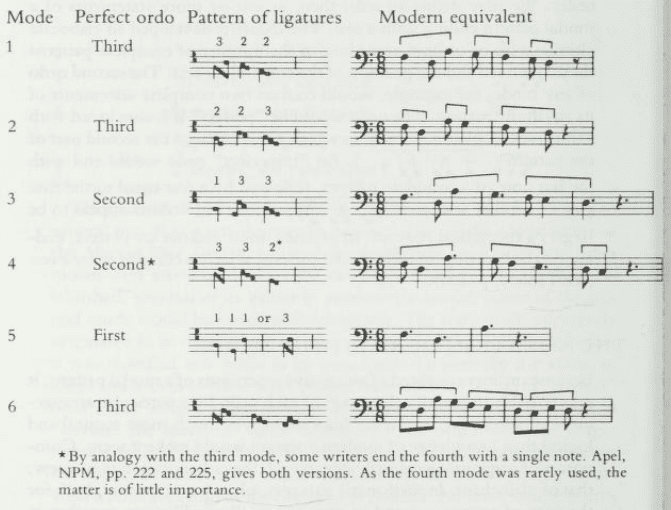
Figure 8. Writing style of the rhythm of Notre Dame School.[74]
Transport Þorlákstíði
As stated earlier in this article, the melodies in Þorlákstíð's manuscript are almost all based on foreign models, and therefore it is not unlikely that those who have brought those models to the country have used similar performance methods as were the case in Europe at that time. We also know that there has been some communication with Europe, but as has been mentioned earlier, there was anything about Icelanders going to Europe to get an education and returning that knowledge home to Iceland. Since polyphony had been in place in Europe since the Middle Ages, and we know that simple polyphony has been common in Iceland at that time, it is unlikely that Þorlák times could have been sung in some kind of polyphony. But then how?
Since the script is all written in monophonic form, the extra voice has had to be improvised rather than read, this narrows to a considerable extent the complexity of possible polyphony As mentioned earlier, the notation of the manuscript can be seen to be written in narrow[75] with the aforementioned hoof feather writing I cannot reasonably discern that the scantness of the manuscript is of such a nature that they may fit into the rhythm of Notre Dame school so that I here suppose it is not, though with the proviso that I am not an expert in reading medieval pain So let us take the polyphony of Notre Dame school out of parentheses as it stands, and most likely that contrapuntal polyphony stuck to the main voice and countervoice.
What remains is then the organ, on the one hand the strict organ and on the other the free organ. As can be seen in a quote earlier in this article, it is known that the strict organ was sung in Iceland at least from the year 1473, and it is unlikely to be the first example of polyphonic singing in Iceland. Strangur organum is an accessible singing method that was around the time the manuscript was written at least 500 years old in Europe. However, it is not as good to say with the free organ, since about a much more complex musical practice to discuss. Free organ is a contrapuntal art in which the countervocal is not tethered to the main voice, and so the leap to the free organ requires the performer to have a sense of, and a command of, the key in which he is present and his relationship to voice with the countervocal.
As an example, the first hymn of the manuscript, Laudate pueri, which stands with Adest attached, can be taken the first antiphony of the manuscript Adest festum is in the Doric key, as can be seen from the keynote and range, and so the hymn has been sung to a Doric hymn tune If either the psalm tone or the antiphony is to be sung in polyphony, a singer must be aware that the accompanying voice stays in the same key as the melody, and that it ends in the key's keynote with the melody This may seem obvious to today's musicians, but does require an understanding of keys, and sweet notes within the key, which the strict organ does not need.
In my opinion, however, it is not improbable that this skill may have been found in Iceland at that time. We know that there were several singing lessons in Iceland in the Middle Ages.[76] If, for example, Guido d'Arezzo's methods were taught, it is not at all unlikely that singers had sufficient command of the music in order to perform the free organ This is also not improbable given the interaction with Europe in the Middle Ages (which can be seen, among other things, in the fact that the songs are mostly imported) and the fact that the free organ had already been practiced in Europe for approximately 400 years when the manuscript was written.
But was all the material of the manuscript then sung polyphonic? As for the menstrual vocal parts themselves, I believe it is clear that there was a tradition of polyphonic material being sung to psalm tones In support of this, the aforementioned examples from Scholia enchiriadis are all based on psalm tones, also we know that polyphonic works were composed at the responsorium.[77] What is not quite as clear is whether antiphonies were sung polyphonically It can hardly be considered very far-fetched, especially when thinking of a strict organ where it is relatively accessible to sing the same song in a uniform pure interval.
My conclusion is therefore that there is every chance that a lot of Þorlákstíð's material was sung in polyphony, probably some kind of organ. As a conclusion, below I present tables 5-12 that summarize the material that has been discussed above. It paints a picture of how the actual performance of Þorlákstíðir could have been at the time the manuscript was written, both in terms of the members of the menstrual song when they were performed in their entirety, but also my hypotheses about whether the material was performed in polyphony.
The tables are all set up in the same way:
- In the first column, information from the manuscript of Þorlákstíð is linked to the traditional part of menstrual singing (information about the menstrual singing team of Þorlákstíði from the manuscript is in blue, the traditional parts of menstrual singing in the Middle Ages in Europe have black lettering as well as hymn numbers).
- Columns 2-5 identify how the relevant menstrual song has been performed, i.e. whether it was read, sung with normal tone, sung along psalm tone, or sung to full-composed melody based on the discussion above.
- Column 6 speculates what may have been sung in polyphony, based on the discussion above. Labeling X, I think it is likely that the material was sung in polyphony, but O is marked by what has probably been sung monophthong.
- Since I believe there is uncertainty, a question mark is placed.
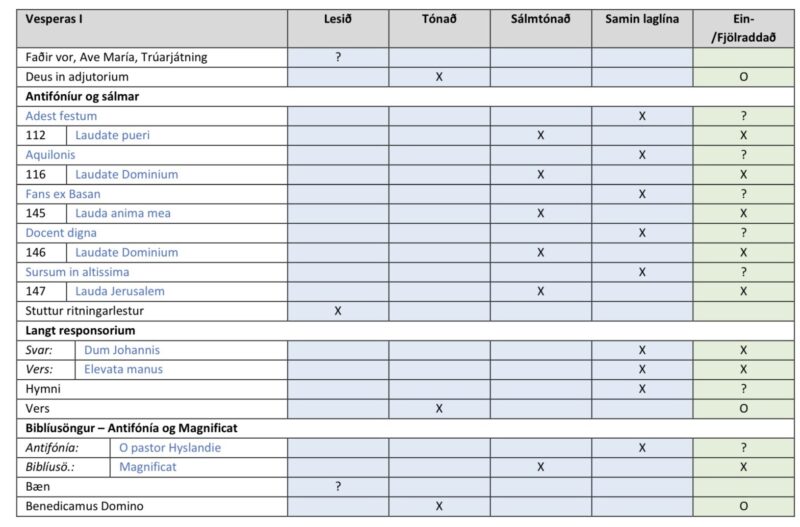
Table 5. Overview of the probable form of Þorlákstíð - Vesperas I.
Blue text is material from the manuscript AM 241 a II folio, while black text is
traditional menstrual songs of the medieval Catholic Church.
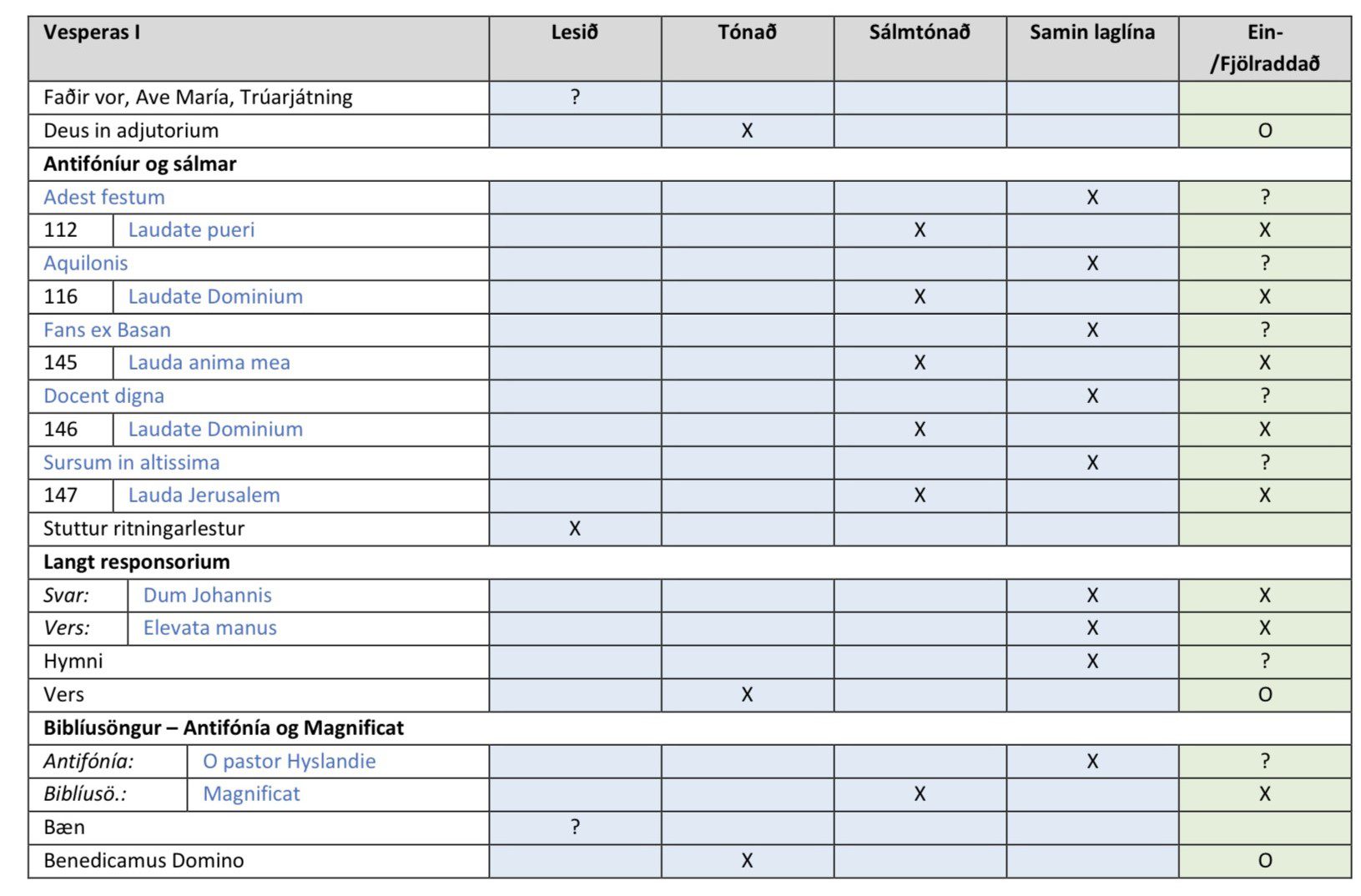
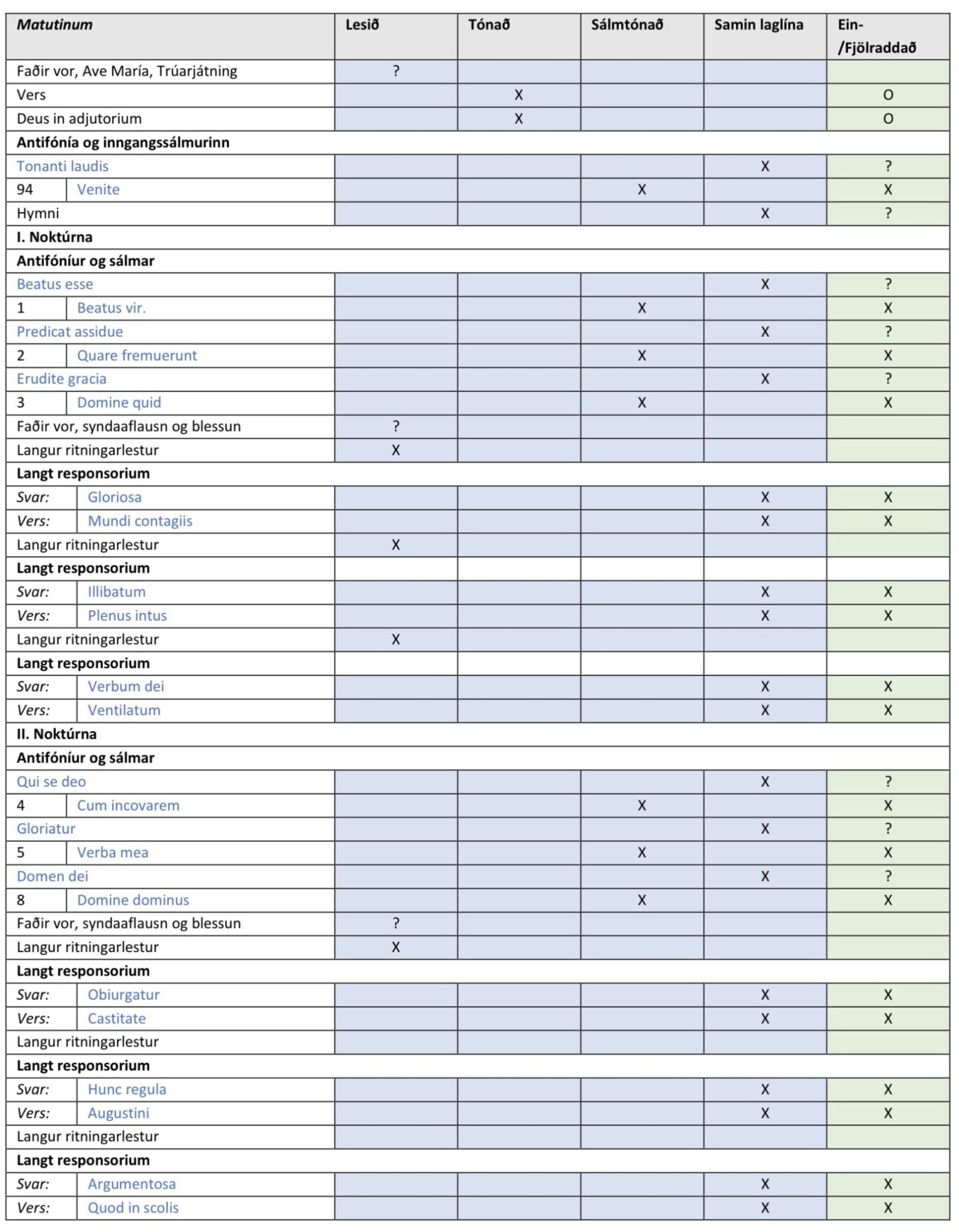
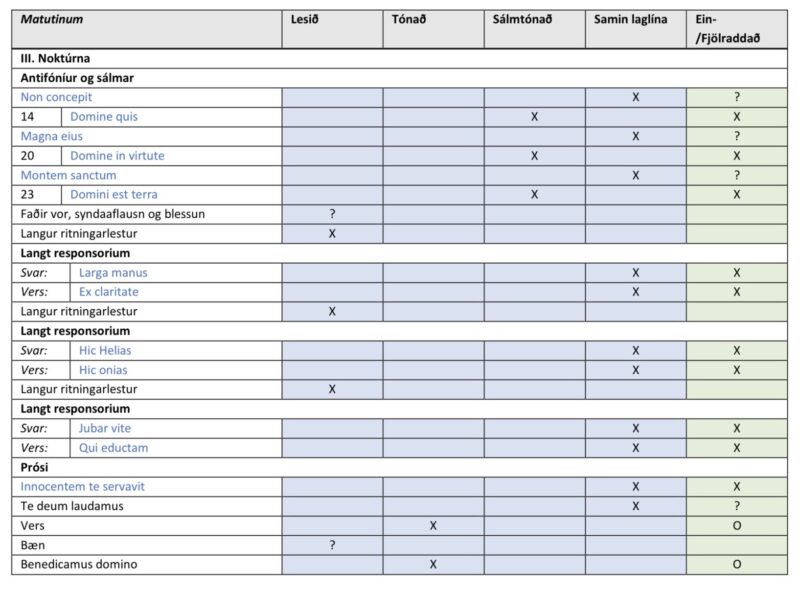
Table 6. Overview of the likely form of Þorlákstíðir - Matutinum.
Blue text is material from the manuscript AM 241 a II folio and black
lyrics are traditional menstrual songs of the medieval Catholic Church
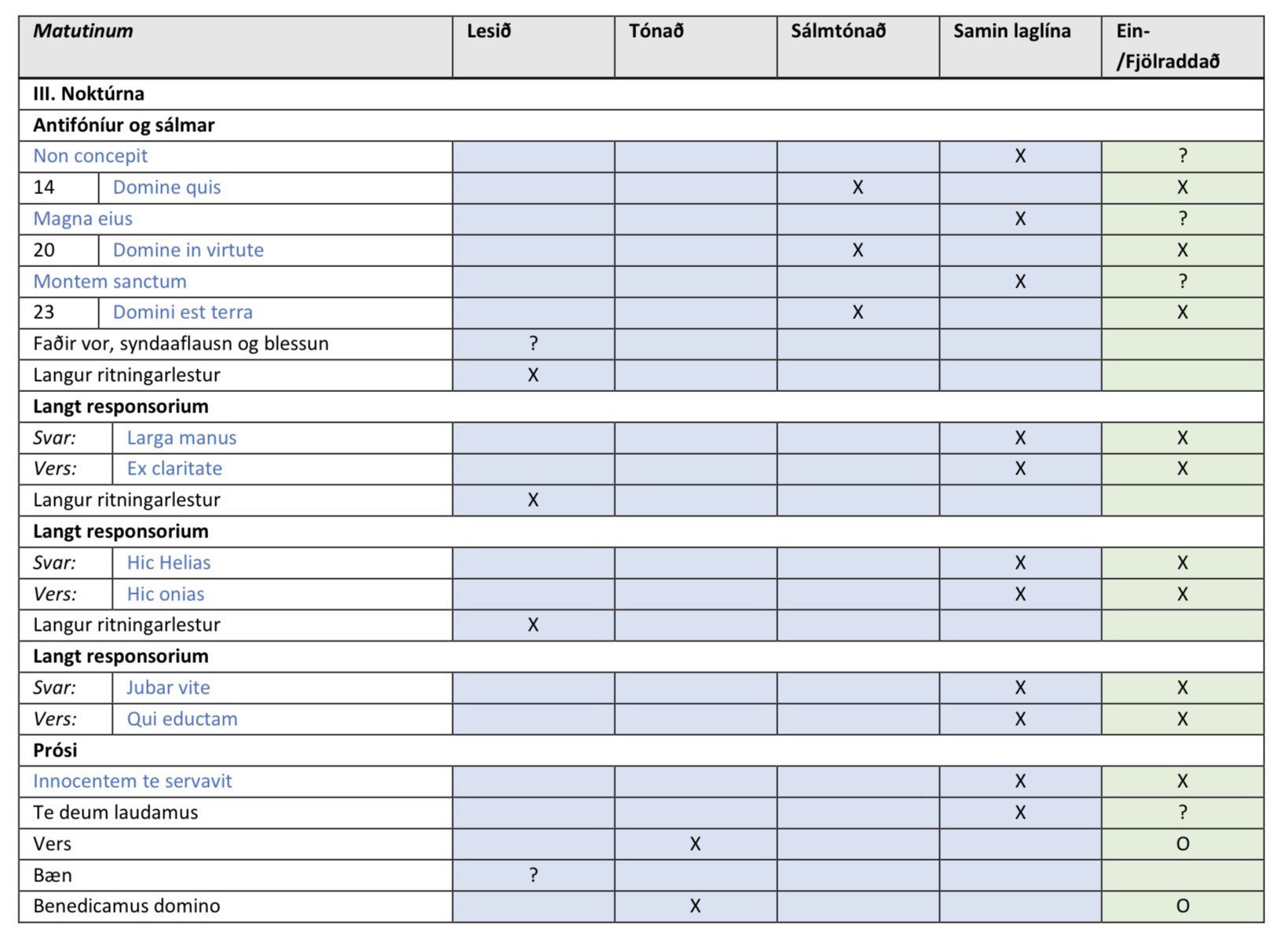
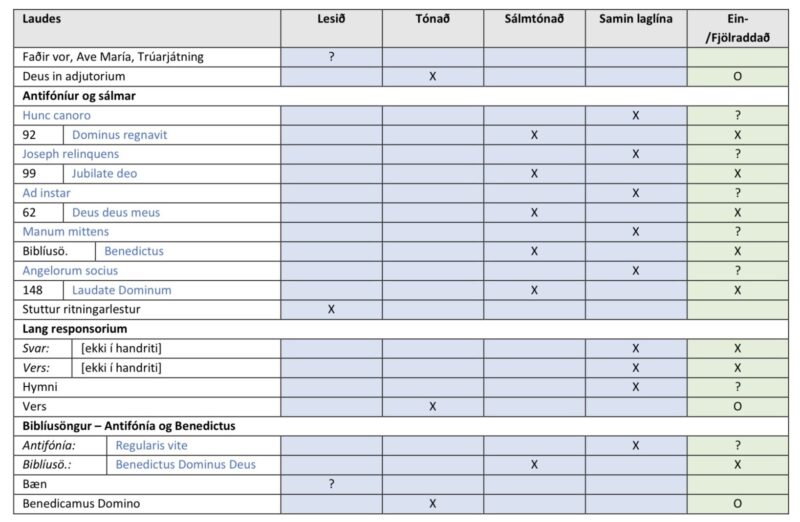
Table 7. Overview of the likely form of Þorlákstíðir - Laudes.
Blue text is material from the manuscript AM 241 a II folio en
black text are the traditional menstrual songs of the medieval Catholic Church.
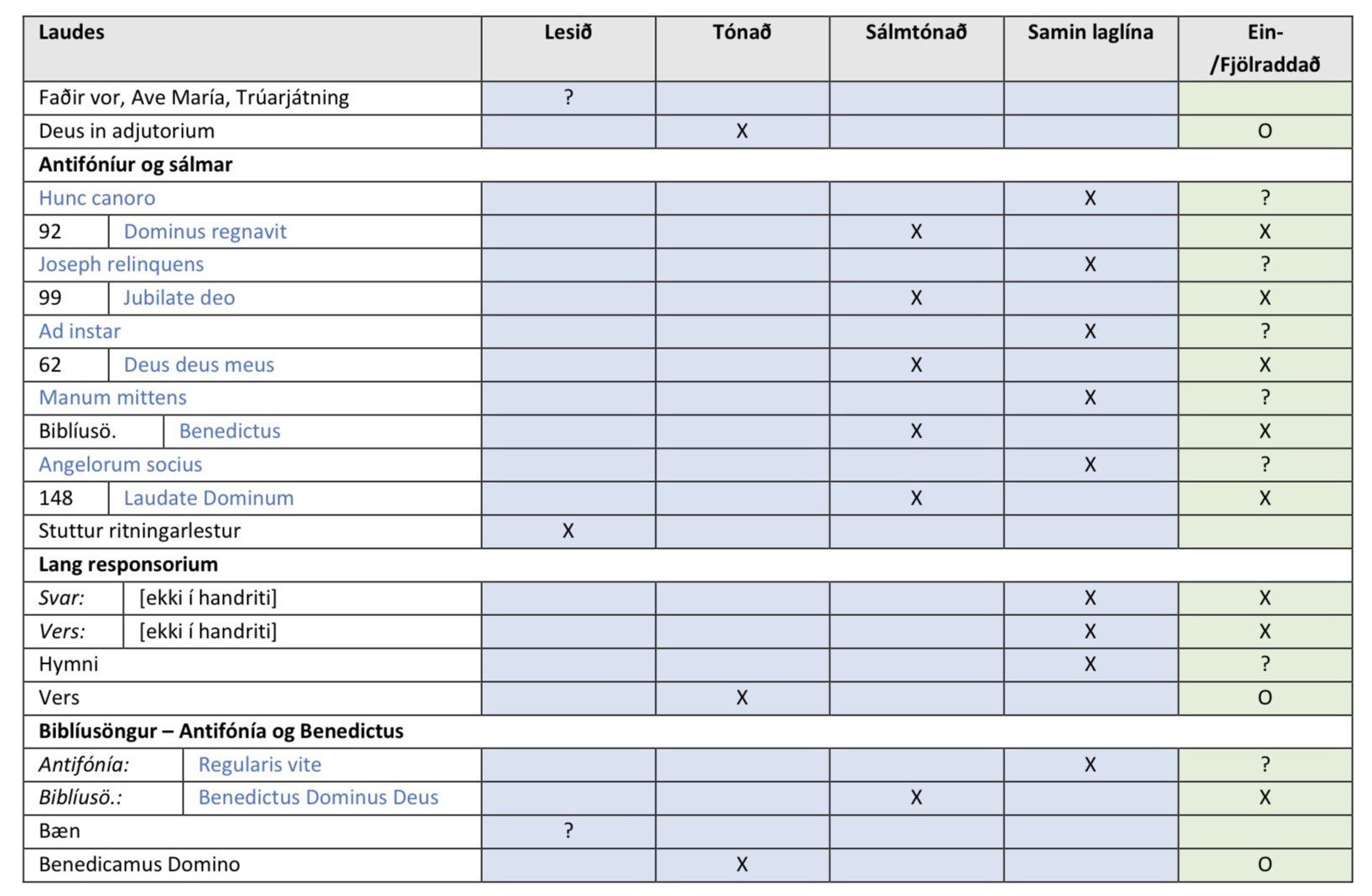
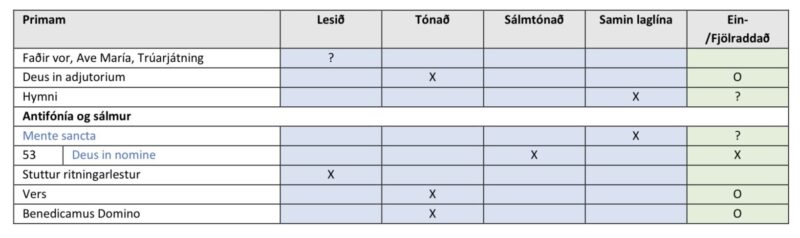
Table 8. Overview of the likely form of Þorlák seasons - Primam.
Blue text is material from the manuscript AM 241 a II folio en
black text are the traditional menstrual songs of the medieval Catholic Church.
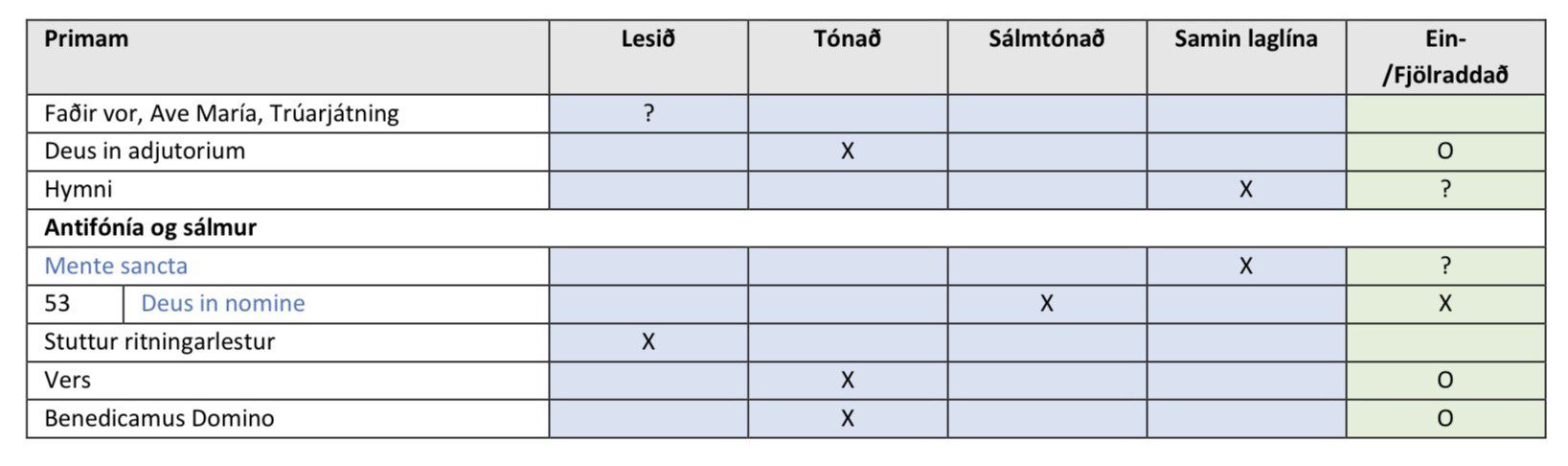
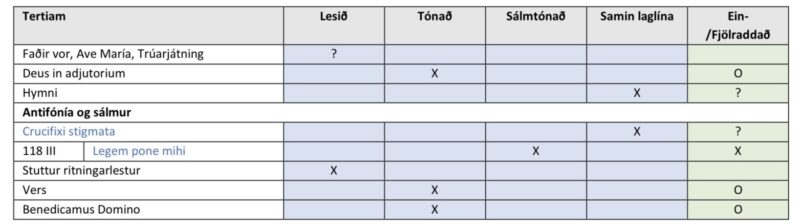
Table 9. Overview of the likely form of Þorlák seasons - Tertiam.
Blue text is material from the manuscript AM 241 a II folio en
black text are the traditional menstrual songs of the medieval Catholic Church.
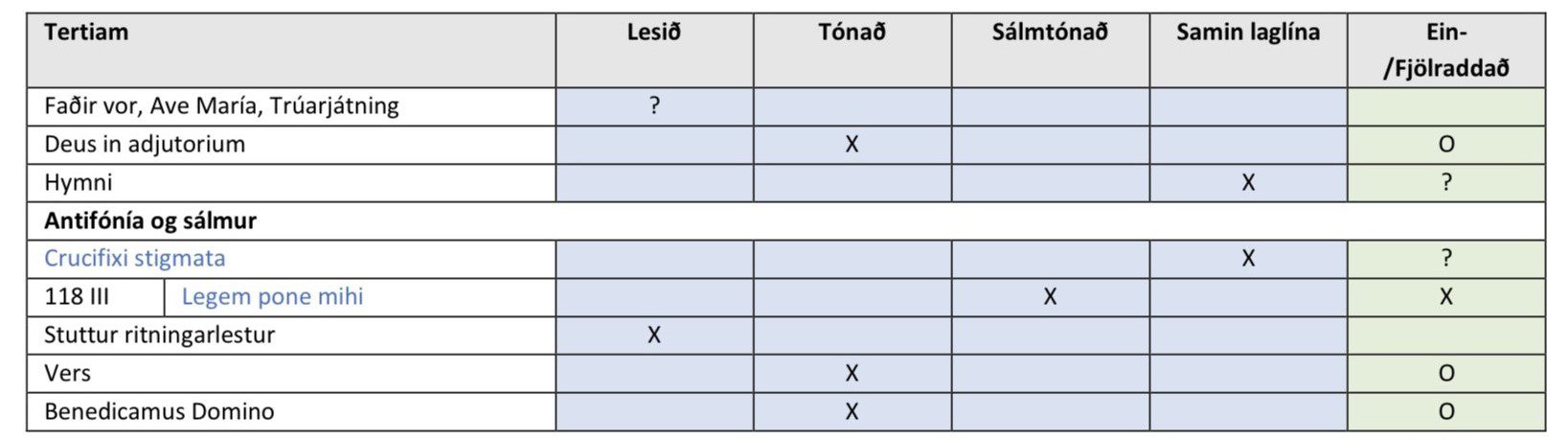
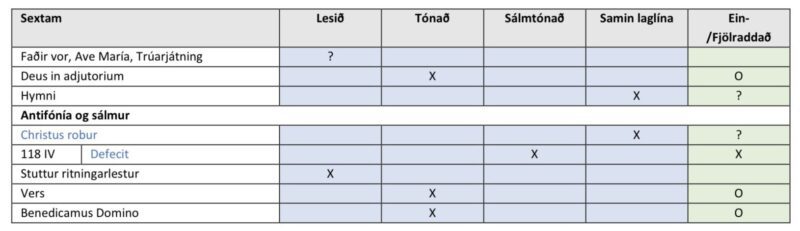
Table 10. Overview of the likely form of Þorlák seasons - Sextam.
Blue text is material from the manuscript AM 241 a II folio en
black text are the traditional menstrual songs of the medieval Catholic Church.
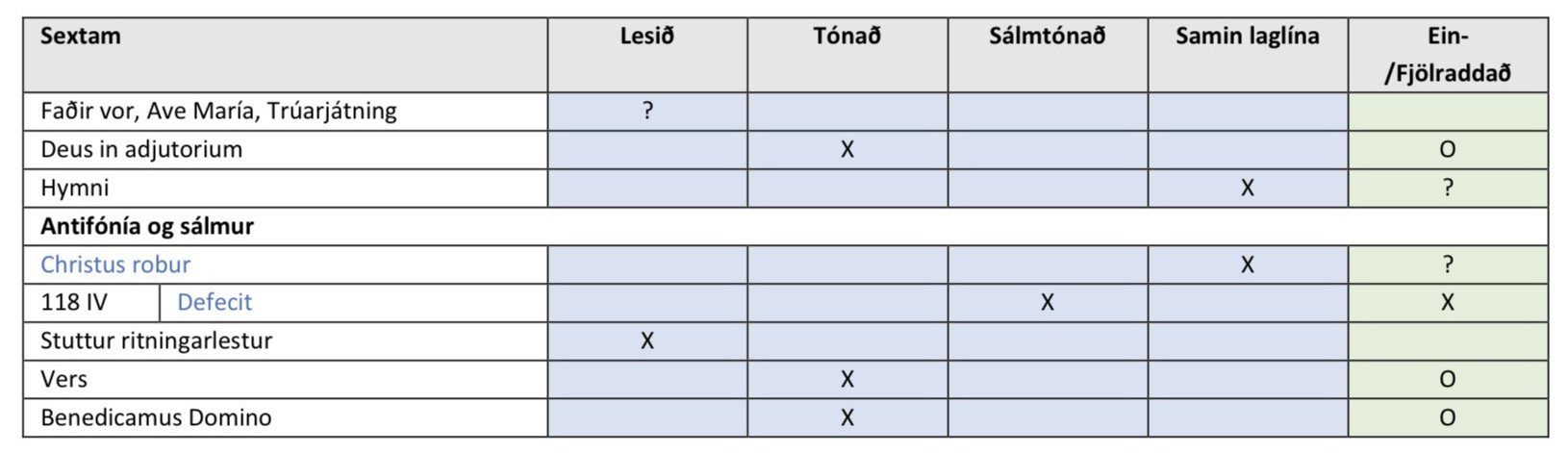
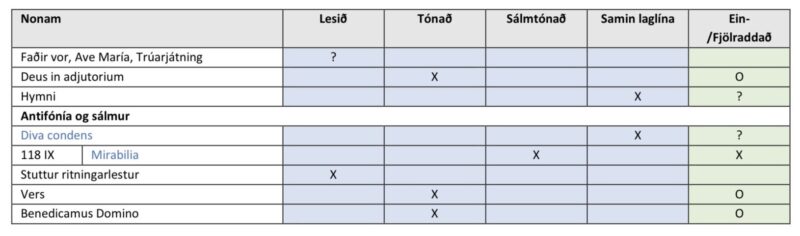
Table 11. Overview of the likely form of Þorlákstíð - Nonam.
Blue text is material from the manuscript AM 241 a II folio en
black text are the traditional menstrual songs of the medieval Catholic Church.
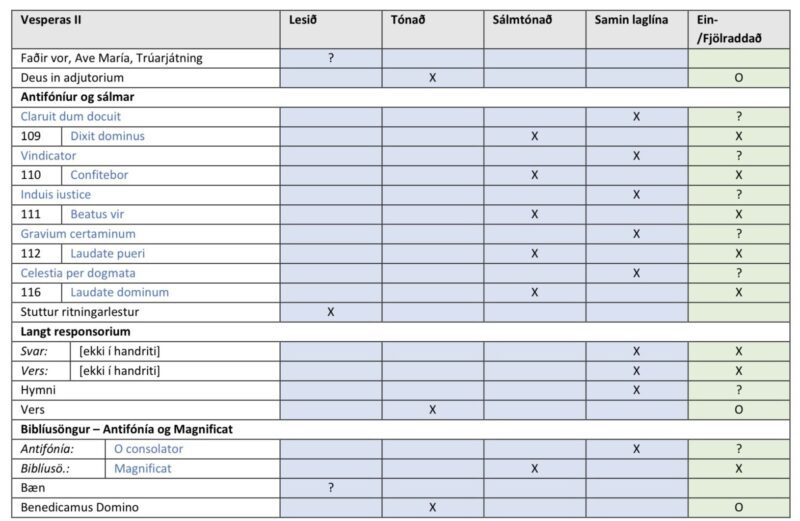
Table 12. Overview of the likely form of Þorlákstíð - Vesperas II.
Blue text is material from the manuscript AM 241 a II folio en
black text are the traditional menstrual songs of the medieval Catholic Church.
Bibliography
AM 241 a II fol. - Þorlák times. (without day.). Retrieved 20. 11 2022 from manuscript.is: https://handrit.is/manuscript/view/is/AM02-0241a-II/0#mode/2up
Árni Heimir Ingólfsson. (2016). History of music. Reykjavík: The publishing house.
Bjarni Thorsteinsson. (1906-1909). Icelandic folk songs. Copenhagen: SL Møller.
Encyclopedia Britannica, Guido d'Arezzo. (28. 3 2007). Retrieved 20. 11 2022 from https://www.britannica.com/biography/Guido-dArezzo-Italian-musician
Guðmundur J. Guðmundsson. (2010). Episodes from Icelandic history - from settlement to 1820. Reykjavík: The Icelandic Literature Society.
Haraldur Bernhardsson (ed). (2016). Icelandic monastic culture in the Middle Ages. Reykjavík: Medieval Center of the University of Iceland.
Hoppin, RH (1978). Medieval Music - a Norton introduction to music history. New York: Norton.
Kristján Eiríksson, Sigurborg Hilmarsdóttir. (1999). Book support - Summary of Icelandic literary history. Reykjavík: Iðnú.
Robert Abraham Ottosson. (1959). Sancti Thorlaci Episcopi Officia Rhythmica et proprium missae in AM 241 A folio. Bibliotheca Arnamagnaena, Supplementum vol. III, 9-127.
Image file
Figure 1: Haraldur Bernhardsson. Map of monasteries in Iceland. Scan from Icelandic monastic culture in the Middle Ages.
Figure 2: Manuscript at Árnastofnun. Home and page from inside the manuscript AM 241 a II folio. Photograph retrieved from https://handrit.is/manuscript/view/is/AM02-0241a-II/7#page/1v/mode/2up.
Figure 3: Róbert Abraham Ottósson. Comparison of material AM 241 a II folio and possible models. Remake of original image from Sancti Thorlaci Episcopi Officia Rhythmica et proprium missae in AM 241 A folio.
Scene 4: Richard H. Hoppin. Medieval keys. Remake of original form from Medieval Music - a Norton introduction to music history.
Scene 5: Richard H. Hoppin. Major medieval hymn tunes. Remake of original form from Medieval Music - a Norton introduction to music history.
Figure 6: Árni Heimir Ingólfsson. „The Gamma“, Guido d'Arezzo's musical range scale. Remake of original image from the History of Music.
Scene 7: Richard H. Hoppin. An example of a strict organ. Scan from Medieval Music - a Norton introduction to music history.
Scene 8: Richard H. Hoppin. Writing style of the rhythm of Notre Dame School. Scan from Medieval Music - a Norton introduction to music history.
„We added
Notes on the joints of the menstrual song
- Verse (e. versicle) are short toned sentences that open or close larger aspects of observance.[78]
- The doxology are short hymns treated with the gods for glory Two praises were used in the Catholic Church at this time, the „Song of Glory the Greater“, which was the text Gloria in exelsis deo, and „the beat of glory the lesser“ which was the text Gloria patri.[79] In the menstrual song, only the lesser song of glory was used, but its complete text in Latin is as follows:
Gloria Patri, et Filio, et Spiritui Sancto. Sicut erat in principio, et nunc, et semper, et in sæcula sæculorum. Amen.[80]
- The hymn is described as follows:
At the end of menstrual singing, hymns are sung and they are of a somewhat different nature than the music we used to mention. Hymnar have memorable melodies and regular rhythm, the songs are easily sung and most of the time there is only one tone or two for each syllable of the text. Some hymns enjoyed great favor and composers based on that number of compositions. [...] Hymnalág are always errand-bound ie. the song is repeated at one stanza after another.[81]
There are some Icelandic hymns such as Ray by Einar Skúlason and Verses of Christ (Hear membrane builder) by Kolbein Tumason.[82]
- Antiphonias were sung with a two-part chorus The way that division took place, however, could vary Early on, it became customary to always sing alternately the antiphony and one to two stanzas of the hymn, so the following pattern resulted:
A - V1 - A - V2 - A etc. or A - V1-2 - A - V3-4 - A, etc.
A good example of similar behavior can be found in the Introduction Hymn in The food which is sung:
A1A2 - A1A2 - V1 - A1A2 - V2 - A2 - V3 - A1A2 - V4 - A2 - V5 - A1A2 - D - A2 - A1A2
Here A1 and A2 are two half parts of the antiphony, V are the verse of the hymn and D is the song of glory Gloria patri. Since this is an extremely time-consuming form, soon came the custom of singing the hymn only with the antiphony at the beginning and end, and not between stanzas Sometimes it even went so far as not to finish singing the whole antiphony at the beginning but to sing just a fragment of it, and then sing it all at the end This, however, seemed undesirable as the music did not match the hymn that followed and the lyrics became incomprehensible when it was cut in the middle of a sentence.[83]
The antiphonies can generally be described as short syllabic songs, but they could become highly ornamented, especially when sung with Biblical songs such as Magnificat in the menstrual song Note that the antiphony that stands with the prayer at the end of many periods is one of the few cases where it stands independent.[84]
- Responsorium there are hymn songs where a solo singer sings the lyrics of the hymn (verse e), while a choir or congregation recites answers in between. Originally, the hymn verses were toned and the answers were written melodies, but quickly the hymn tunes for the verses became so complex that the whole score actually became written. In responsorium the method of shortening became different from when singing hymns with antiphonium - instead of just singing the answers at the beginning and the end like antiphonies, the hymn text itself was shortened to one stanza. The song of glory was not the original part of responsorium but was added later, probably to imitate the hymn singing with antiphonium Only the first part of the beatific was used, Gloria Patri, et Filio, et Spiritui Sancto, and it was only sung in Versperas and in the last of three responsorium every night tower Matutinas.[85]
Form responsorium was therefore in several ways, depending, among other things, on whether the song of glory was included or not. The answers were usually longer than antiphonies and could therefore be divided into two to four parts, but the division into three parts seems to have been the most common form responsorium always started with what may come as a surprise, that the answer everything was sung throughout Then a verse took over, but what followed could vary Here comes a table of several different productions of long responsorium. Ra,b and c are here parts of the answer (respond), V is vers and D is the glory song of the lesser:
- Rabc - V - Rc 2. Rabc - V - Rc - Rabc 3. Rab - V - Rb - D - Rb
- Rabc - V - Rc - D - Rabc 5. Rabc - V1 - Rb - V1 - V2 - Rc - V3 - Rabc
Short responsorium become R - V - D or Rab - V - Rb - Rab in order to shorten the form.[86]
- Bible songs (e. canticle) are reverential songs from the texts of the Bible that were sung to psalm tones like the Psalms of David Other similarities with the psalms are that the Biblical songs were always accompanied by antiphonies and they were traditionally more extensive and decorated than those that accompanied psalms.[87]
A more detailed description of the joints of menstrual songs
All tenses begin with the same introduction: a verse is recited, Father Spring, Ave Mary, and the Creed After that, it is sung Deus in adjutorium, the first stanza of Psalm number 69. Therefore the song of glory follows the lesser Gloria patri and then ends on Alleluia. All tenses also end on the same points: verse, prayer with antiphonina, and at the end the greeting Benedicamus Domino.[88]
Outside this entrance and conclusion is The food one quite different from the other times. As mentioned earlier is The food in four sections The first section is an introductory section and contains on the one hand the Introduction Psalm Venite, exsultemus Domino and the antiphonine to him, and on the other hand a changing hymna.[89] The other three joints are then the octagons, which all have the same form: They start with three hymns and antiphosium. Next, it takes over Our father, absolution and blessing Finally, there are three long scripture readings, each with its own long responsorium after. After the night tour, on Sundays and special holidays the hymn was sung Te deum laudamus before going to the traditional final part of the menstrual song.[90]
The other periods all followed a similar form as Vesperas. After Deus in adjutorium came the main hymn reading of the times: Psalms and corresponding antiphonies were sung together.[91] Í Vesperas and Laudes five hymns and antiphonies were sung, but in Completorium and the lesser tenses were three hymns and just one antiphony. Let's note that the fourth hymn Laudes is not really a hymn, but a Bible song derived from the Old Testament.[92] The next big point is the scripture reading and responsorium. Differences are again on the other hand Vesperas and Laudes and on the other hand Completorium and the smaller times where the former periods were included long responsorium after the scripture reading, but later mentioned a little short responseorium. Hymni was sung in slightly different places in the tense form compare the table below.[93]
The last major musical aspect of the menstrual song was then the Bible Song The frequent differences were which Bible song was sung; in Vesperas was it the Marian prayer Magnificat, in Laudes was sung the „song of Zechariah“ Benedictus Dominus Deus Israel, and in Completorium was sung Nunc dimittis. All these texts are from the Gospel of Luke. In all times (except The food) a verse was recited before the Biblical Song Observing that there was no Biblical song in my times, but merely recited the verse.[94]
Description of cofinalis keys
Medieval keys were the work of scholars and therefore created after almost all of the plainsong was composed, and therefore not all songs fit into this system.[95] People sometimes got into trouble when the song required a raised or lowered note Although the medieval keys were all diatonic was one sign allowed; reduction of H, which I call here B. If the song in question required another sign, the song simply had to be performed to music so that it landed on H/B. A good example is a song doric a key that required both F and F#. If it is intoned up by a square, F and F# land on H/B and therefore it is a simple matter to write the song down. However, this causes a new key note to be reached - D had become A. This is how the so-called were created cofinalis, A, H and C which were the basic tones of songs that had been performed to music for this reason.[96]
St. Martial polyphony
In the 12th century, there were more innovations than just Notre Dame, including the style of the St. Martial monastery in Limoges. There, the accompanying voice regained independence from the main voice as in free organ, except now it was not only in tonal matter but also rhythm.[97] This was done by having the accompanying voice sing multiple notes over a particular note of the main voice, and the accompanying voice was sometimes made to sing up to thirteen notes over each note of the main voice This style of ornament was called organum purum, but the contrast where a tone against a tone was sung was called discant. It is not entirely clear how the works of this new style were to be performed, as rhythm writing was not known in Limoges.[98]
[1] (Bjarni Þorsteinsson, 1906-1909, p. 80)
[2] (Róbert Abraham Ottósson, 1959)
[3] (Guðmundur J. Guðmundsson, 2010, p. 25)
[4] (Haraldur Bernhardsson (ed), 2016)
[5] (Guðmundur J. Guðmundsson, 2010)
[6] (Haraldur Bernhardsson (ed), 2016)
[7] (Haraldur Bernhardsson (ed), 2016)
[8] (AM 241 a II fol. - Þorlák times)
[9] (Róbert Abraham Ottósson, 1959)
[10] (AM 241 a II fol. - Þorlák times)
[11] (Róbert Abraham Ottósson, 1959)
[12] (Jumping, 1978)
[13] (Jumping, 1978)
[14] (Jumping, 1978)
[15] (Jumping, 1978)
[16] (Jumping, 1978)
[17] (Jumping, 1978)
[18] (Jumping, 1978)
[19] (Jumping, 1978)
[20] (Jumping, 1978)
[21] (Jumping, 1978)
[22] (Jumping, 1978)
[23] (Hoppin, 1978) (Árni Heimir Ingólfsson, 2016)
[24] (Árni Heimir Ingólfsson, 2016, p. 16)
[25] (Jumping, 1978)
[26] (Jumping, 1978)
[27] (Jumping, 1978)
[28] (Jumping, 1978)
[29] According to the method of performance, we may discriminate types of psalmody: direct, antiphonal, and responsorial. In direct psalmody, the verses of the psalm are sung straight through with no textual additions. Antiphonal performance implies the alternative of two half-choirs, either in singing the verses of the psalm itself, or, as was more common the case, in singing an additional verse set to a simple, free melody 'an antiphon before, between, between, and after the verses of the psalm. Responsorial psalmody involves solo performance of the psalm text, with a congratulatory or coral response after each verse page (Hoppin, 1978, 81)
[30] (Jumping, 1978)
[31] (Jumping, 1978)
[32] (Róbert Abraham Ottósson, 1959)
[33] (Róbert Abraham Ottósson, 1959, pp. 37-39)
[34] (AM 241 a II fol. - Þorlák times, without day.)
[35] (Árni Heimir Ingólfsson, 2016, p. 52)
[36] (AM 241 a II fol. - Þorlák times, without day.)
[37] (Róbert Abraham Ottósson, 1959)
[38] (Róbert Abraham Ottósson, 1959)
[39] (Róbert Abraham Ottósson, 1959, p. 51)
[40] (Jumping, 1978)
[41] (Jumping, 1978)
[42] It is said that the formation of these keys was created based on two clusters of notes, one pentachord and one tetrachord. The main keys were then composed first of the pentatonic ladder (which were the first 5 notes of the key) and then the square note ladder (which were the next 4).The derived keys differed from the main keys in that the square note level was below the pentatonic level instead of appearing above it, and therefore lay lower in the range. (Hoppin, 1978) (Árni Heimir Ingólfsson, 2016)
[43] (Jump, 1978, p. 65)
[44] (Hoppin, 1978) (Árni Heimir Ingólfsson, 2016)
[45] (Jumping, 1978)
[46] (Jumping, 1978)
[47] (Jump, 1978, p. 82)
[48] (Encyclopedia Britannica, Guido d'Arezzo, 2007)
[49] (Jumping, 1978)
[50] (Hoppin, 1978) (Árni Heimir Ingólfsson, 2016)
[51] (Jumping, 1978)
[52] (Árni Heimir Ingólfsson, 2016, p. 31)
[53] (Guðmundur J. Guðmundsson, 2010)
[54] (Guðmundur J. Guðmundsson, 2010)
[55] (Guðmundur J. Guðmundsson, 2010, p. 24-25)
[56] (Árni Heimir Ingólfsson, 2016)
[57] Beginning as an elaboration of plainchant, polyphony served almost exclusively as a means of increasing the splendor and solency of church services from the ninth century until well into the third. It may be protected, then, as a kind of trope in which new music appeared together with the chant instead of being added to it by monophonic extensions. Significantly, polyphony established and was first cultured extremely in the same countries and in some places that produced the large sources of tropical animals and sequences from music only created and necessary.
[58] (Jumping, 1978)
[59] (Jumping, 1978)
[60] (Jumping, 1978)
[61] (Jumping, 1978)
[62] (Jumping, 1978)
[63] (Jump, 1978, pp. 190)
[64] (Árni Heimir Ingólfsson, 2016, p. 47)
[65] As Hucbald's De harmonia suggest, men and boys singing together would unconsciously produce strict organization at the octave. Parallel motion at the fourth or fifth might probably require a more conservative effort, but even this procedure seems less than we remember that there is nothing that is better than this. Once each singer had set on his starting pitch, he would merely repeat the accident of the accident, and could the accident only be responsible for the accident. notate the improvised practices of his time. (Hoppin, 1978, pp. 192-193)
[66] (Jumping, 1978)
[67] (Jumping, 1978)
[68] (Jumping, 1978)
[69] Despite all these advances, the most important of John's discussion of organum is the clear indication that an element of choice has entered into creation. With the availability of various alternatives, composition has become a creative act, and polyphony a new form of musical art. (Hoppin, 1978, p. 196)
[70] (Hoppin, 1978) (Árni Heimir Ingólfsson, 2016)
[71] (Jumping, 1978)
[72] (Jumping, 1978)
[73] Because the notes of a melisma may be grouped in distinct patterns of ligatures, those patters could be used to identify the different rhythmic modes. If a composer wanted to indicate performance in the first mode, for example, he would write a three-note ligature followed by a series of two-note languages. (Hoppin, 1978, p. 224)
[74] (Jumped, 1978, pp. 224)
[75] (Róbert Abraham Ottósson, 1959)
[76] (Guðmundur J. Guðmundsson, 2010)
[77] (Jumping, 1978)
[78] (Jumping, 1978)
[79] (Jumping, 1978)
[80] (Bjarni Þorsteinsson, 1906-1909, p. 35)
[81] (Árni Heimir Ingólfsson, 2016, p. 18)
[82] (Kristján Eiríksson, Sigurborg Hilmarsdóttir, 1999)
[83] (Jumping, 1978)
[84] (Jumping, 1978)
[85] (Jumping, 1978)
[86] (Jumping, 1978)
[87] (Jumping, 1978)
[88] (Jumping, 1978)
[89] (Jumping, 1978)
[90] (Jumping, 1978)
[91] (Jumping, 1978)
[92] (Jumping, 1978)
[93] (Jumping, 1978)
[94] (Jumping, 1978)
[95] (Jumping, 1978)
[96] (Jumping, 1978)
[97] (Hoppin, 1978) (Árni Heimir Ingólfsson, 2016)
[98] (Árni Heimir Ingólfsson, 2016)