- 180 ETC Units
- 6 semesters - 3 years Duration of study
- B.Mus Degree
- 13 January 2027 Application website opens
- 5 April 2027 Final deadline for applications
- May 2027 Answers sent to applicants
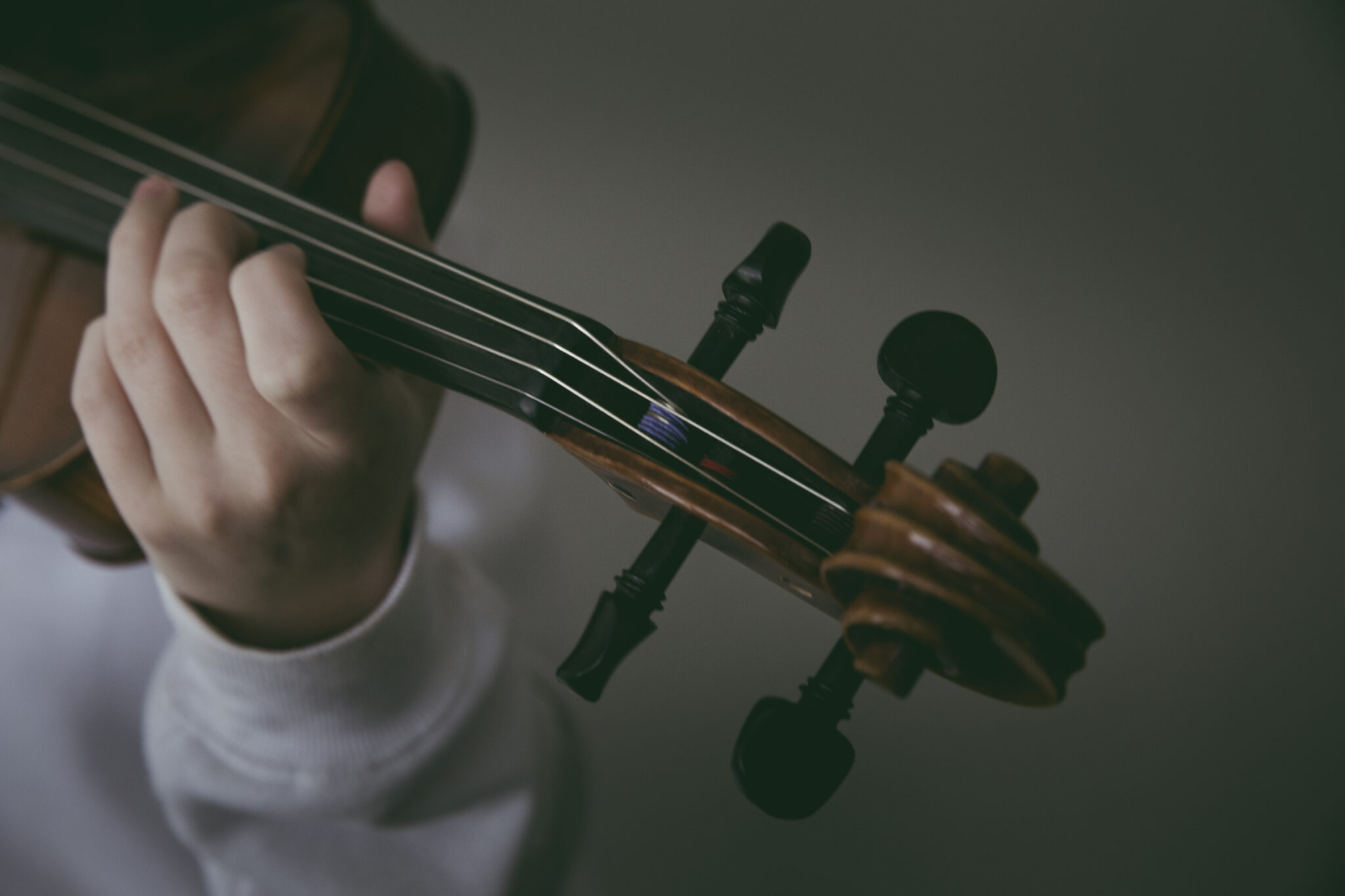
In classical performer studies, students are given the opportunity to train the skills needed to work as professional performers as well as the diverse aspects of musicians' careersThe program is progressive and constantly evolving.
Information is provided in Icelandic for study programs that have Icelandic as the primary language of construction.
About the programme
The program aims to provide students with the training necessary to act as classical music performers Broad opportunities arise here for artistic specialization at the university level.
Programme structure
The classical performer program is divided into three areas of focus: instrumental, vocal, and church music The program is based on regular and targeted training, where emphasis is placed on independence and creative work practices Students work systematically to gain a good command of technology and interpretation under the guidance of faculty teachers and guest teachers.
In the program, students have the opportunity to get to know a diverse flora of music and shape their own priorities. Academic courses, collaboration in music and participation in diverse projects support the major subject and promote interpretive skills and stage performance During the course of their studies, students can apply for exchange programs at foreign music colleges.
The main goal of the course is to provide students with deep knowledge and solid techniques in classical instrumentation and singing The emphasis is on students deepening their understanding of the methods, styles and interpretation of different compositions The program is individualized and encourages empowerment and initiative in artistic creation.
Admissions criteria are advanced music or equivalent qualifications Upon completion of the course, students possess solid and professional knowledge, skills and competencies within their specialization and may additionally through the selection of customized courses broaden their field of work within music In that context, starting from Year 2, students will be offered to make use of all choices (30 ECTS) in specific areas of focus: (a) teaching and communication (b) performer training devoted to contemporary music (structure and course presented later).
The program is based on individual teaching, group classes and master clusters and reflection, where emphasis is placed on independent working methods, initiative and critical thinking.
After graduation
A classical performer's program at the Faculty of Music at LHÍ provides a good foundation for continued studies at the master's level at foreign music universities. Those students who intend to focus on teaching also have easy access to a master's program at LHÍ in pedagogy (Mus.Edu).
Application and admission process
The application for a program at the Iceland University of the Arts is filled out in the application portal. The application process is in two steps: in the first step, the application is filled in with supporting documents and the application fee is paid. The second step is the admission process.
In the electronic application, the applicant is given the opportunity to specify the reasons for the application, goals, vision and more in a short text Applicants are asked to submit an electronic audition The video recordings may be a maximum of 3 months old Each song or aria plus spoken text must be performed in one take without editing but it is not necessary to perform the entire program in one take The applicant sends a link to the recording where it can be retrieved After the recording has been evaluated, the applicant is invited for a short lead vocal and interview with the admissions committee.
If the number of applicants meeting the admission criteria for a study programme falls below the minimum threshold, the programme will not be offered for the upcoming academic year. Applicants will be informed of this as soon as possible, and the registration fee will be refunded if it has already been paid.
The applicant must fill out an electronic application in the application portal. The application must be accompanied by the following supporting documents:
Required 1. Cover letter
Cover letter: In a cover letter, the applicant must state which focus area he applies for: song, instruments (and then which instrument) or church music. It must also be stated, among other things, what the applicant's motivation is for applying to the relevant study program and information about previous studies and participation in music.
NOTE
If the applicant wishes to make a private class selection in the first year, this must be clearly stated in the cover letter. It must specify which additional instruments are applied for and account for previous studies and experiences Applicants who meet the criteria for participation in private class selection can be invited to the audition, where they also play their secondary instrument.
It should be noted that it is not possible to accept all applications.
obligation 2nd Diploma
Diploma: Applicants are asked to submit a certified copy of a diploma from secondary school as well as a study history summary from a music school if applicable.
a) Scan original diplomas and attach to application or get a certified copy of the diplomas with a stamp from the relevant school, scan and attach to the application.
b) Get a certified copy of the previous music course (a copy of the latest pass exam that has been passed) with a stamp from the relevant school, scan and attach it to the application.
Required 3. Links
Links: Applicants must submit links to video recordings of their own musical performances that demonstrate the ability to perform appropriate instruments/vocals.
Criteria for video recording:
Song
- Two arias from different periods and in different languages
- Two songs in different languages
- A monologue in Icelandic, about two minutes long to show interpretability and textual treatment. Foreign applicants are allowed to perform texts in their native language.
All transport must be leafless,
Instruments
Piano/Guitar/Harmonica:
- Classical Sonata Chapter
- Romantic or 20th century work
- Etch
or similar
Strings
- An episode from a work or work from the Baroque or Classical period
- An episode from a work or work from the Romantic period or the 20th century
- Etch
or similar.
Wind instrument
- First movement from a classical concerto
- Works from the Romantic period or the 20th century
- Etch
or similar.
Church music
Applicants are required to submit a video recording of their organ playing, at least two solo works from different periods of musical history that show a breadth of skill and interpretation.
These lists are for reference, other works that show comparable competence or skill or that are more suitable for a specific instrument are allowed to be sent.
Note that video recording does not replace instrumentation/vocal audition.
Application does not guarantee invitation to audition.
The admission process takes place in three stages.
If the application is considered satisfactory, there are applicants invited to interviews and auditions, subsequently, nintake results reported.
Required 1. Position test in musicology subjects
Position test in musicology subjects: Applicants are invited to a placement test in musicology subjects that takes place in April 2027. Samples of status tests can be accessed below.
Note Applicants can be accepted to a program on the condition that they attend and pass a summer course in acoustics, which is taught on the afternoon of 2x a week and lasts for 6 weeks from the middle of May 2027.
obligation 2nd Audition
The applicant must perform works that show the person's technical skills and ability in interpreting their instrument or in singing.
Instruments:
It is recommended that a single ethyl or short work be prepared that shows the applicant's technical skills well, and then two works from different periods of music history that show a breadth of skills and interpretation.
Recommended works to be performed:
Wind instruments:
- a) Etching/short technical work
- b) First movement from a classical concerto
- c) Romantic work or work from the Baroque period or 20th century work
Strings:
- a) Etching/short technical work
- b) Episode from a solo piece by JS Bach
- c) Fast concerto or sonata section
Piano/Guitar/Harmonica:
- a) Etching/short technical work
- b) Fast movement from classical sonata
- c) Romantic or 20th century work
Church music:
Anyone who meets the entrance requirements for an organ performance is invited to audition for piano playing and singing.
Song:
- a) Two arias from different periods and in different languages
- b) two songs in different languages
- c) Singular in Icelandic, about two minutes long to show interpretability and textual treatment Foreign applicants are allowed to perform texts in their native language.
3. Results announced
Application results are announced in May 2027.
Admissions criteria for a classic performer's program are divided into general and specific admissions criteria, but applicants must have completed a matriculation exam or similar program.
General admissions criteria
General admissions criteria are a matriculation certificate, a final exam from a secondary school at the third qualification level, a similar exam from a foreign secondary school, or a minimum of 60 ECTS credits from an accredited university Applications must be accompanied by a certified copy of the diplomas and a certified copy of the study history summary.
Admission to the school may be granted to those applicants who have knowledge and experience that is considered adequate preparation for bachelor's degree studies at the school. See more details „exemptions for admission“
Admission committees evaluate applications based on submitted data as well as interviews and/or entrance exams in the relevant areas. The dean appoints an admissions committee for each study programme in consultation with the subject manager and the admissions committees work according to the procedures presented to the applicants.
Specific admissions criteria
Admission to the course may be granted to those applicants who have knowledge and experience that is considered adequate preparation for bachelor's studies. Admission requirements are advanced music exams or similar qualifications.
Exemptions due to intake
Admission to the school may be granted to applicants who have knowledge and experience that is considered adequate preparation for bachelor's studies at the school.
Applicants who do not meet the general admissions criteria may apply for an exemption if they have completed, for example, numerous credits at the secondary school level, completed other final exams such as at the 4th qualification level or have other preparation that can prepare the person for studies at the university level on the relevant study programme Applications for exemption from the general admissions criteria are evaluated by professionals within the relevant department. The result of the evaluation of exemption applications is final. When evaluating applications, interacting factors are considered with regard to grades in studies at the secondary school level, education in the arts, further education, work experience and participation in social work Each case is examined separately, and the interaction of these factors may affect the outcome Applicants are encouraged to account for everything they believe may become their application for exemption from general admissions criteria for advancement.
Admission committees evaluate applications based on submitted data as well as interviews and/or entrance exams in the relevant areas. The dean appoints an admissions committee for each study programme in consultation with the subject manager and the admissions committees work according to the procedures presented to the applicants.