Despite Iceland's renowned natural beauty, 94% of its population sources in urban areas, with a significant concentration around the capital, Reykjavík. This will continue to be the reality as the municipalities’ answer to the ongoing housing crisis is to continue exploring Iceland's side between domestic activities and domestic activities, where residents can recover from the world's conditions, and changes to change, and what is responsible, what is responsible, and what is responsible.
Through the lens of Ebenezer Howard's “Three Magnets” theory, this thesis examples rural living models abroad as well as in Iceland while focusing on the challenges and opportunities presented by the country's unpredictable weather, geography, and unique social services.
Results propose a new housing model for Icelandic residents on the outsiders of its capital borders. And the design of a sustainable, family-oriented, community-driven settlement. Using local technologies and off-the-shelf material, this thesis illuminates an affordable model that focuses on slow-paced, individual living within a community that responses its natural results.
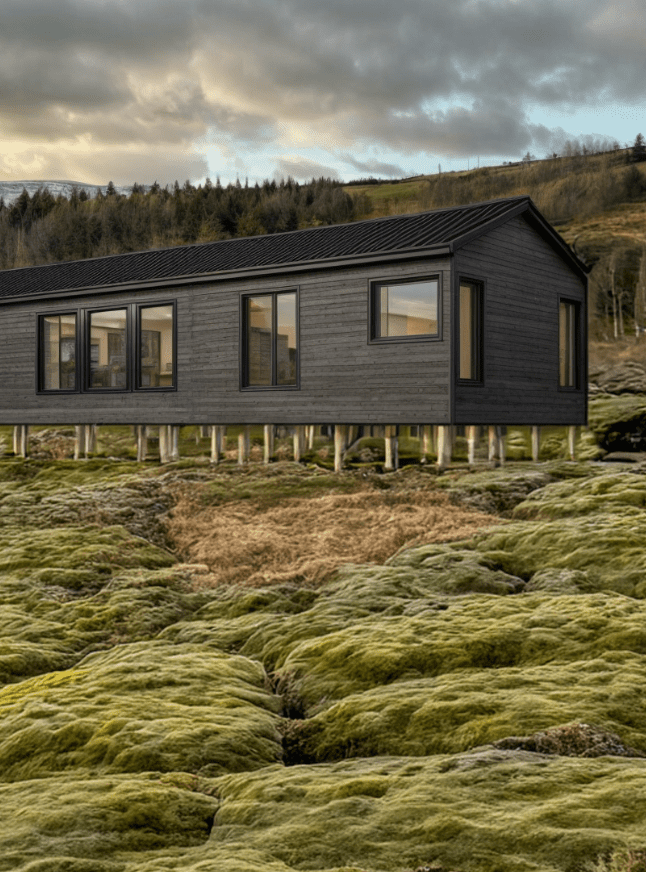
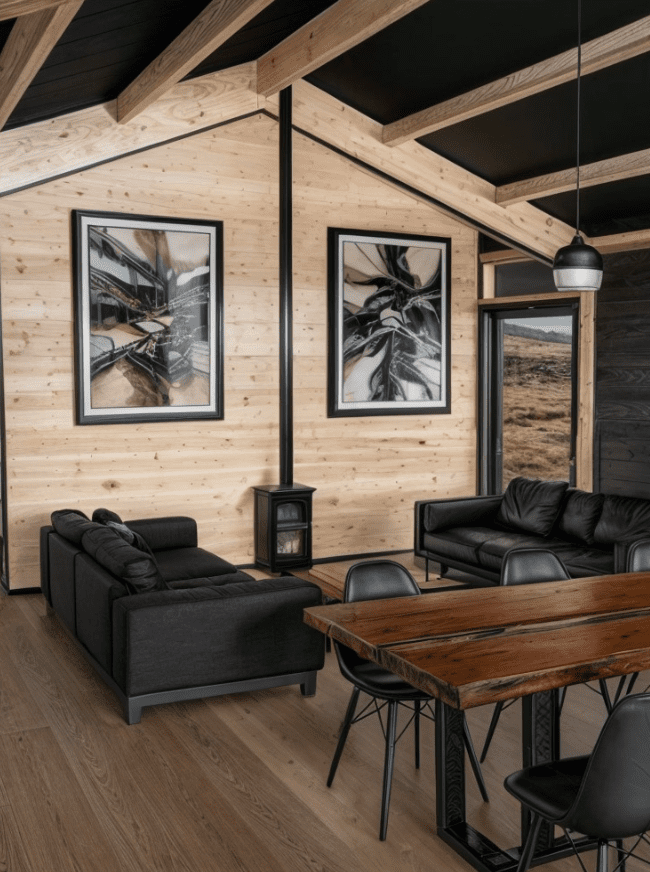
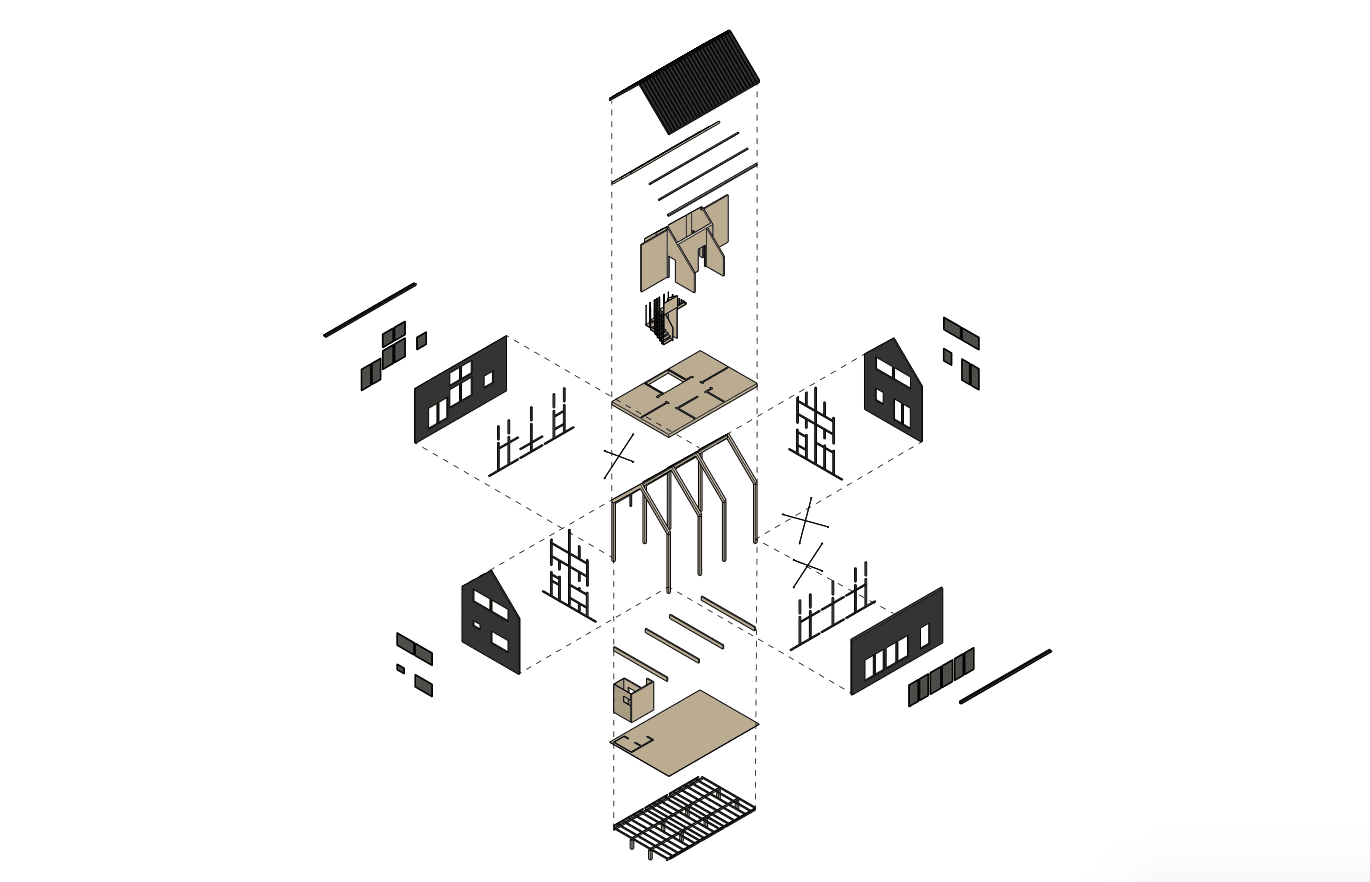
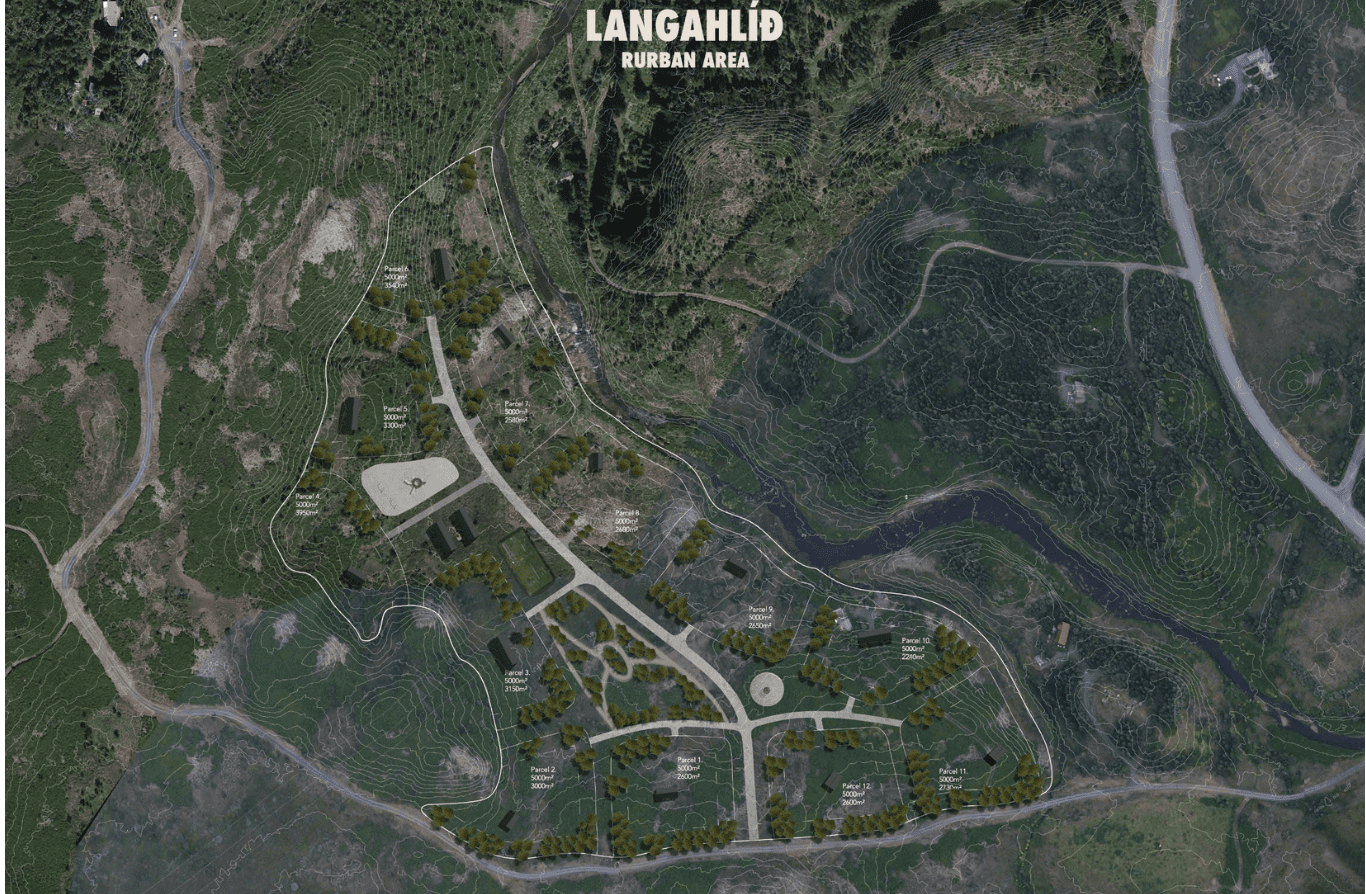
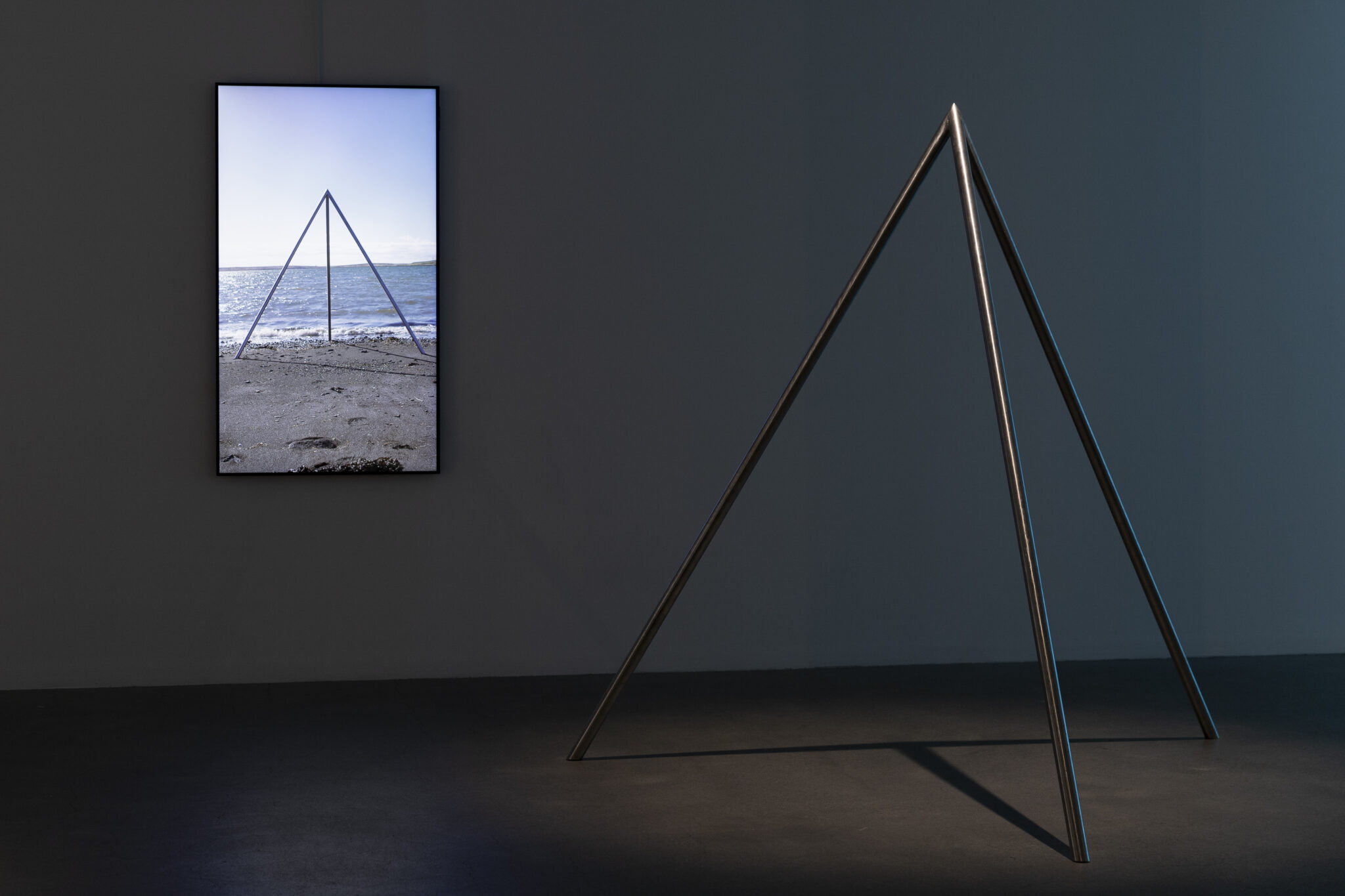
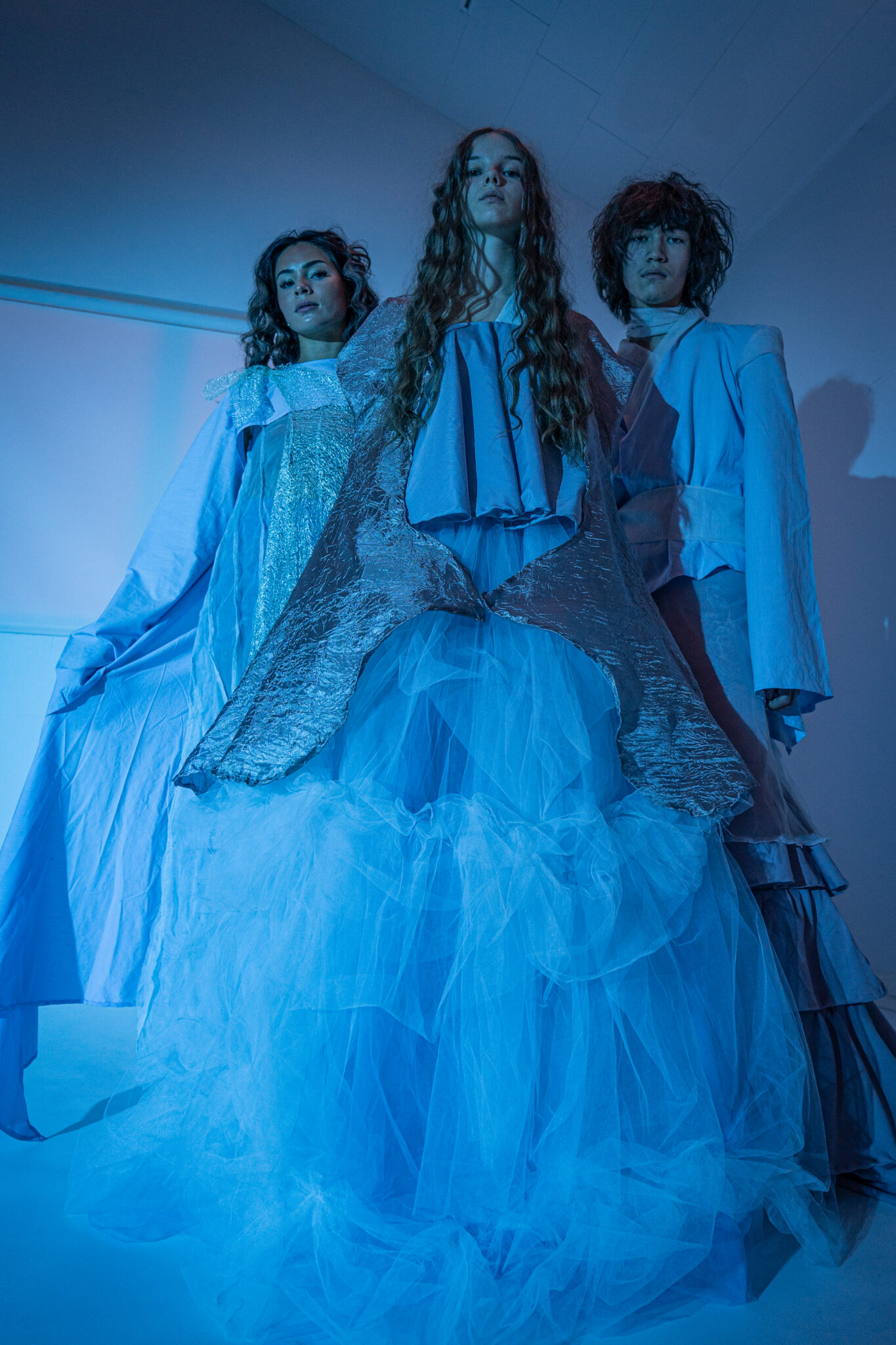
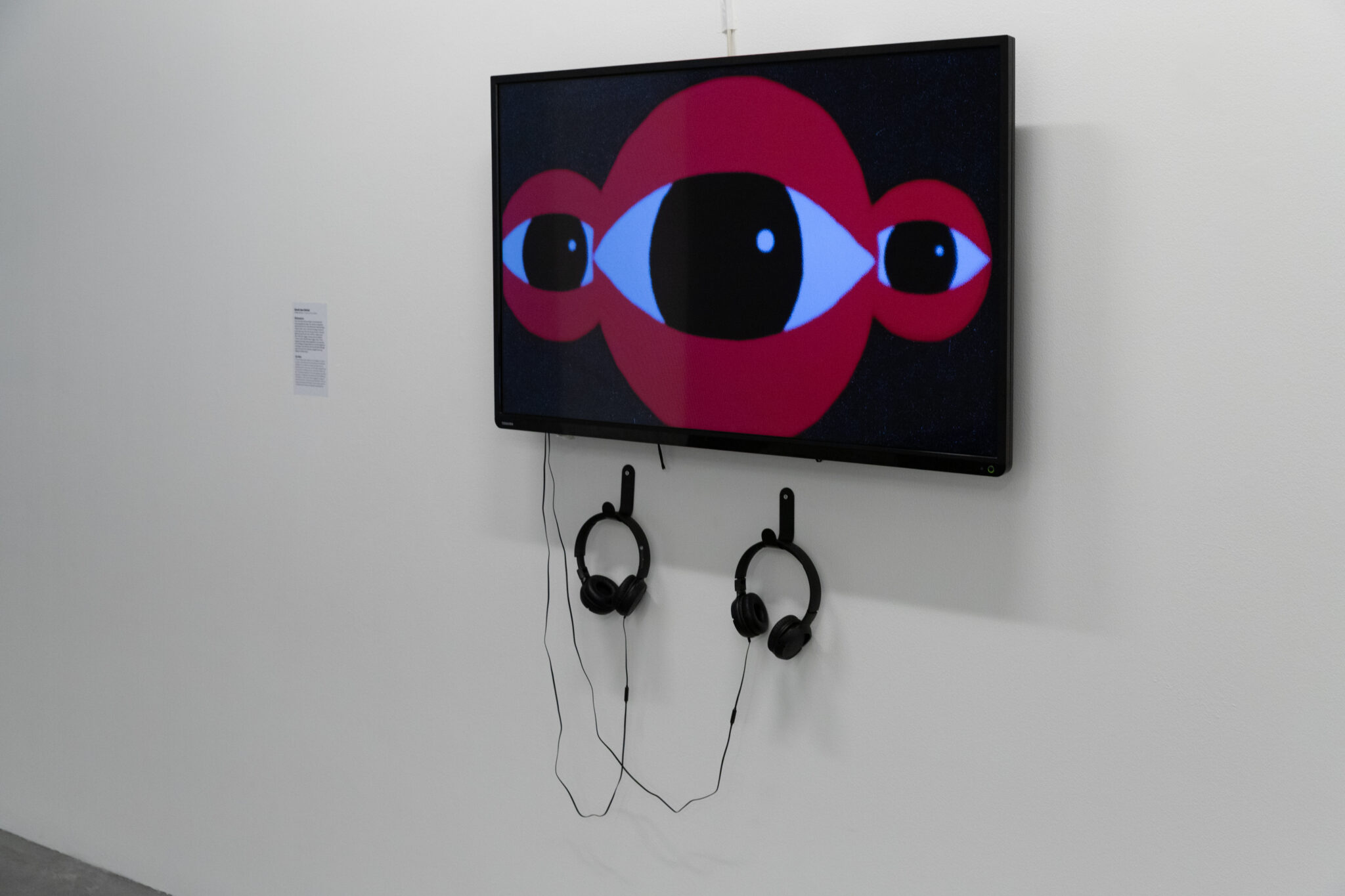
The work in pictures.