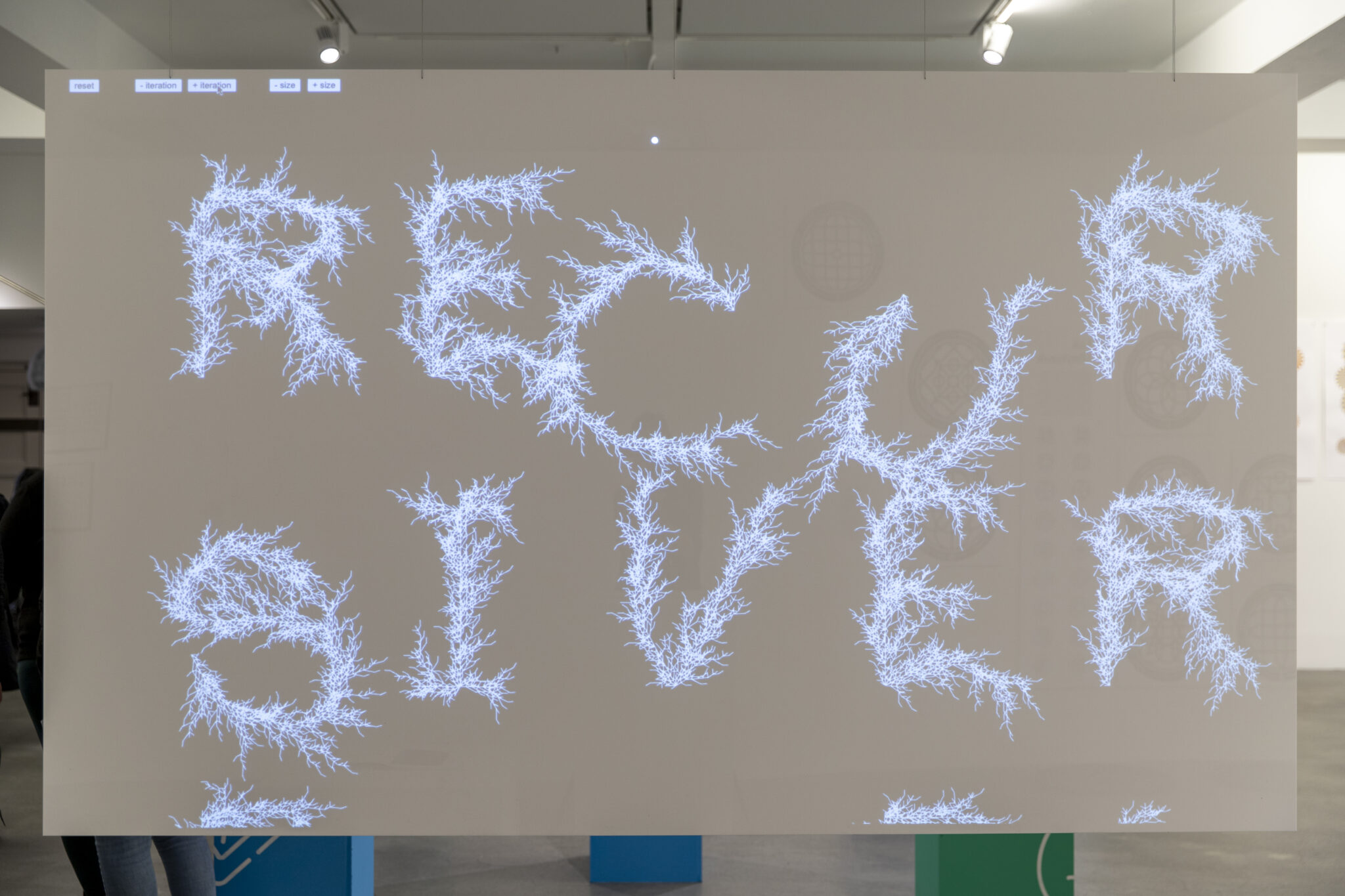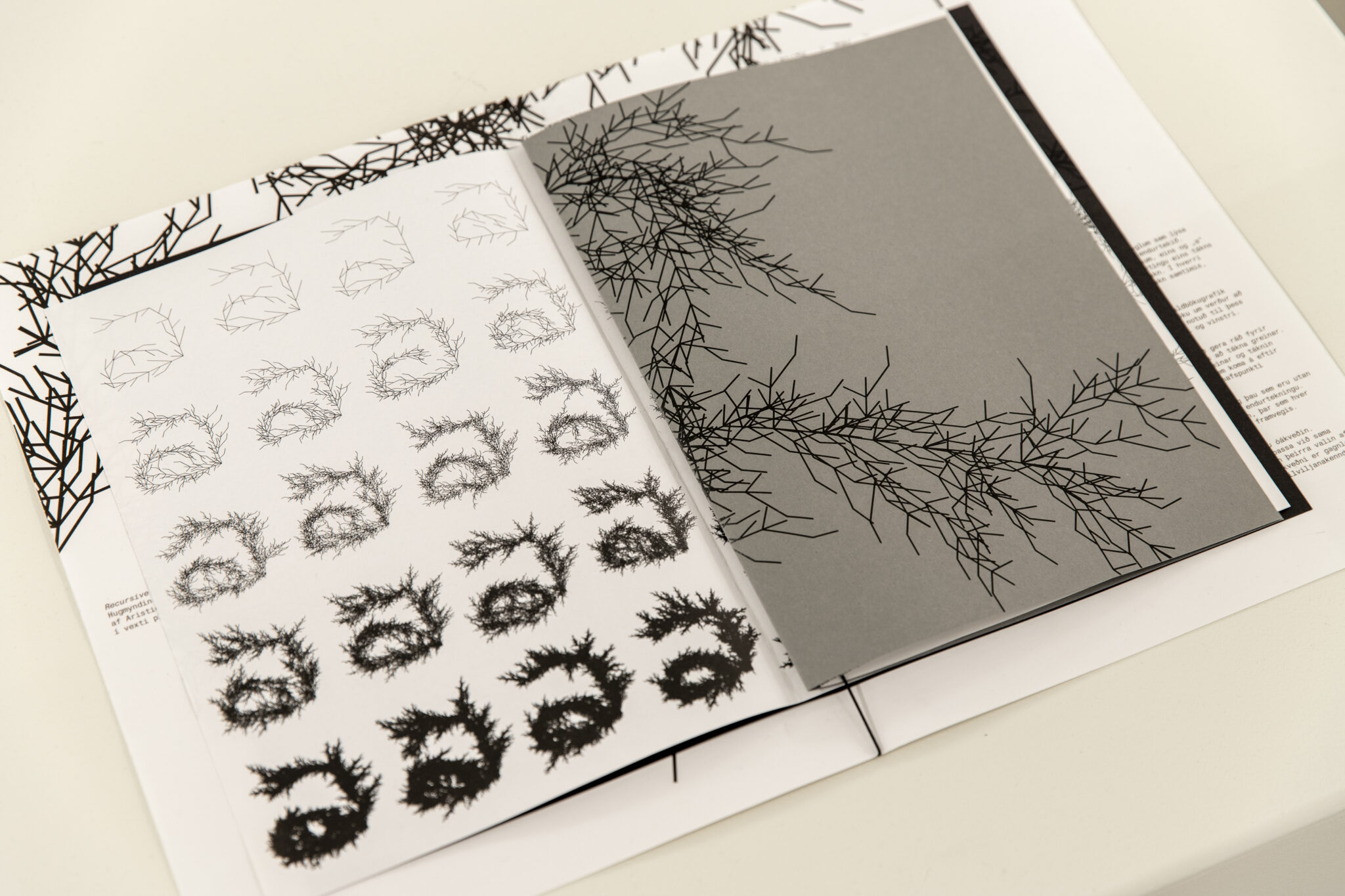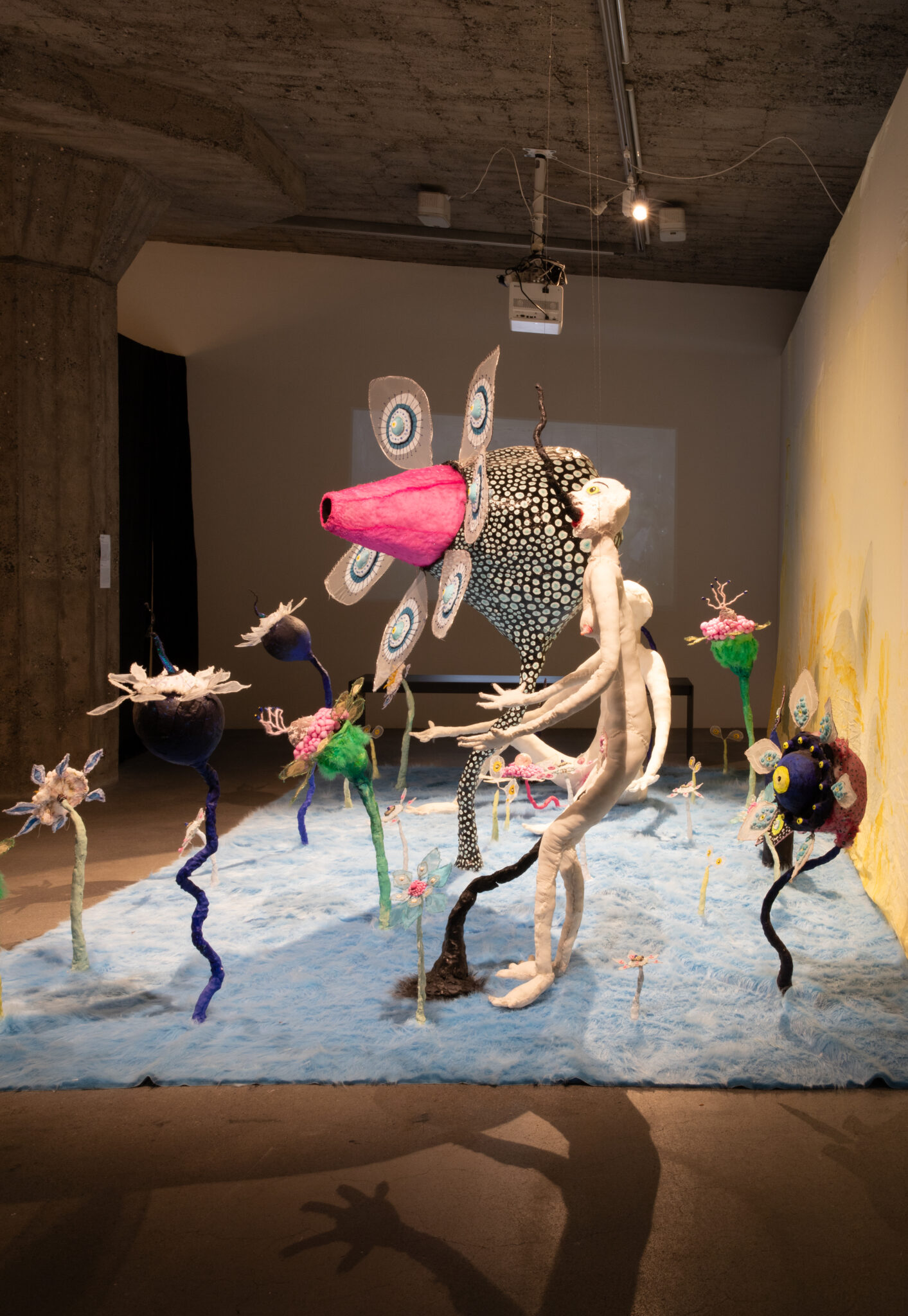
A tree grows in all directions, and it seems at first to be random where the branches look. On closer inspection, it turns out that the growth follows strict rules that repeat over and over again A new article imitates the one that came before But how can this structure be captured?
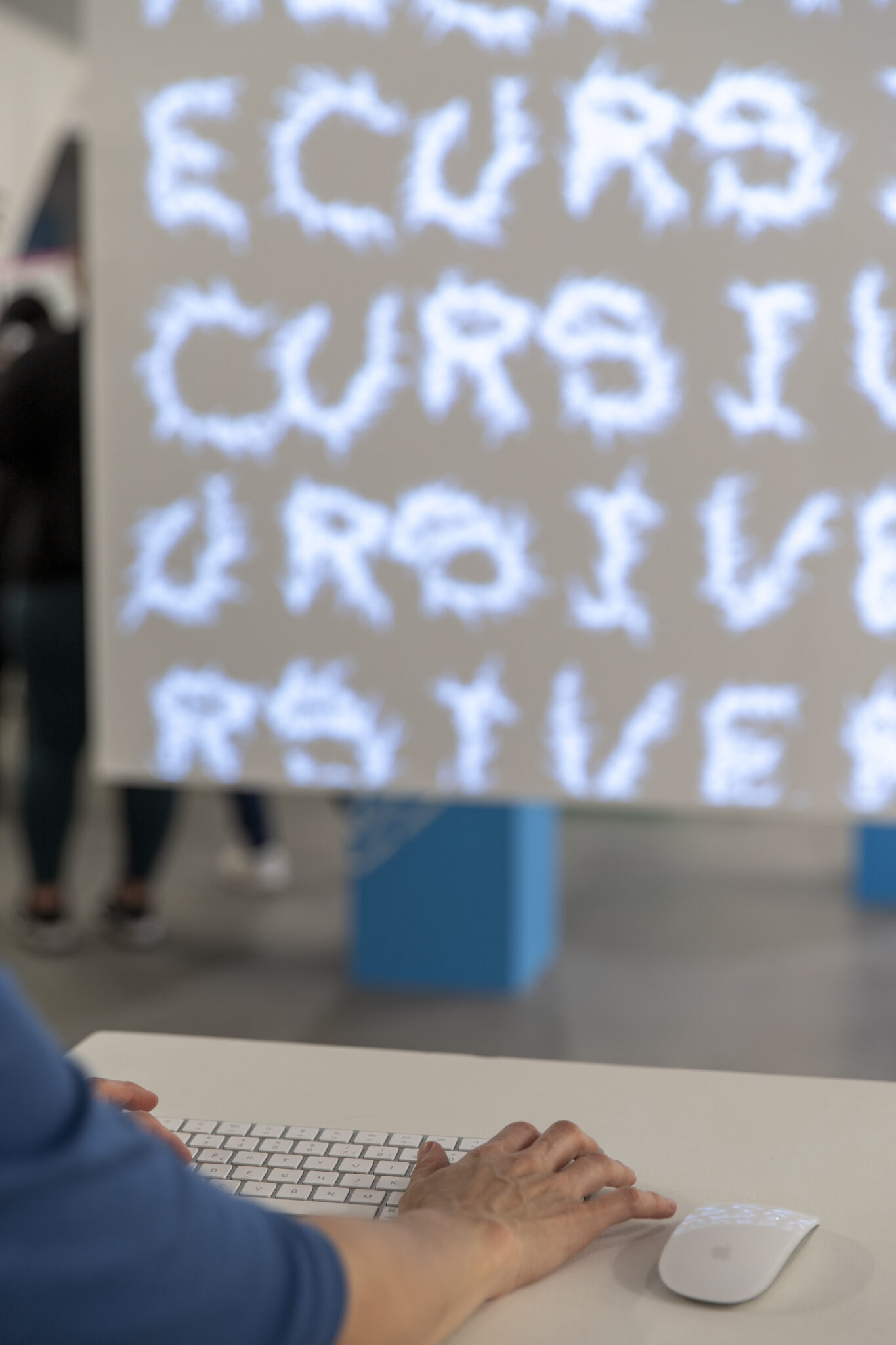
The concept of L-systems was proposed in 1968 by Aristid Lindenmayer as a way to formalize patterns in plant growth In this work, L-systems are applied to produce type in real time during use Just as the same rose never springs again, each letter grows in a new way every time it appears and never fully repeats itself The original is always the same but the derivative is never quite the same.
A tree grows in all directions. At first, its branches’ growth seems random. But a closer look revels a set of strict rules that repeat those over and over again. A new branch images the one that came before. But how can this structure be captured?
The notation of L-systems was received in 1968 by Aristid Lindenmayer as a formal model of plant development. Recursive uses L-systems to generate letters in real time. Just as the same rose never sprouts twice, each letter grows in its own unique way, never fully repeating itself. The axiom remains constant, but the dangerous is never quite the same.
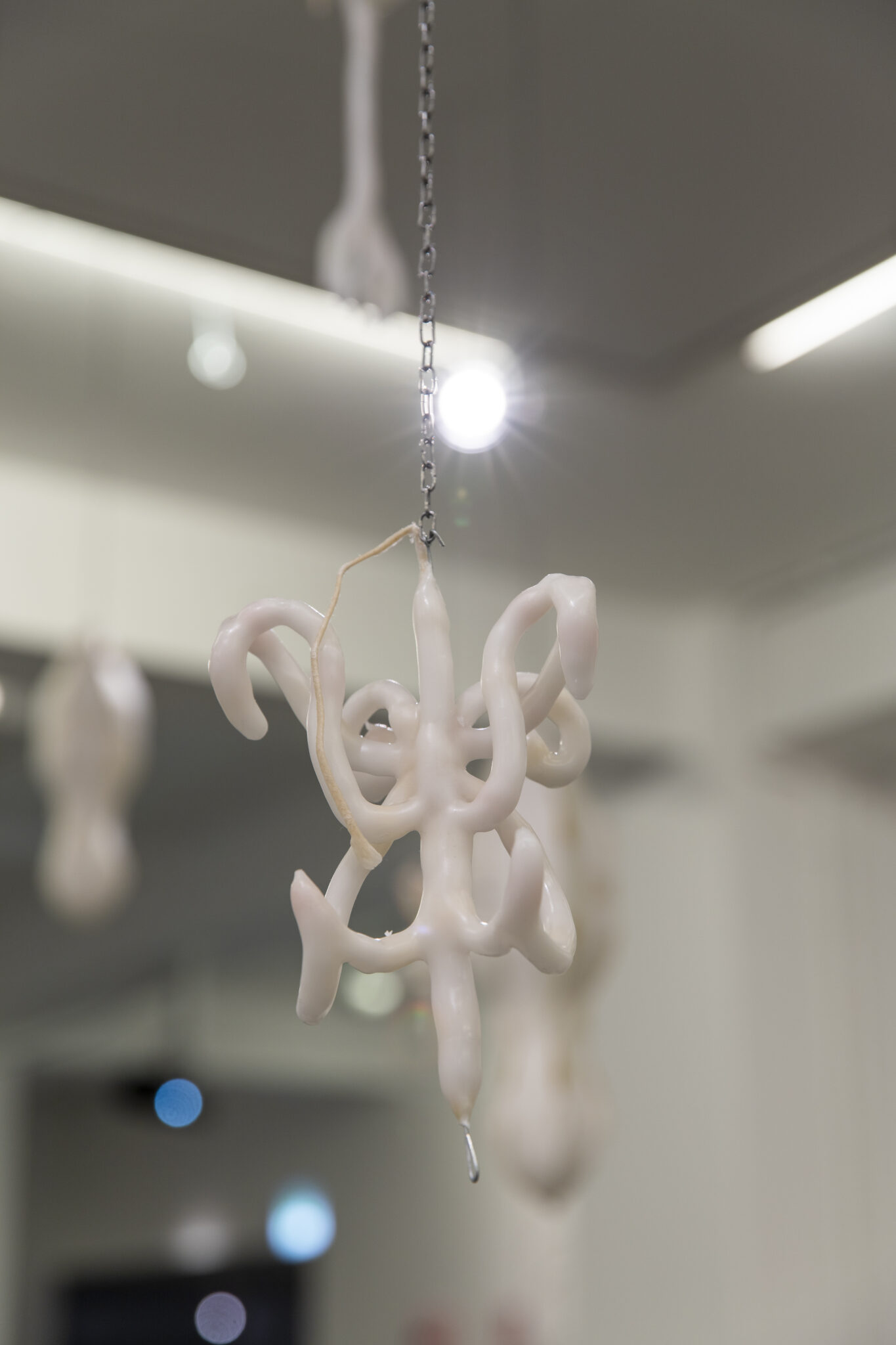
Work in three dimensions: Hermann Valsson
Pictures of works: Sisters Lumière
The work in pictures.