05.05.25
The hall Kópavogur
Performers
Stijn Brinkman and Caput Ensemble
MA Compositions
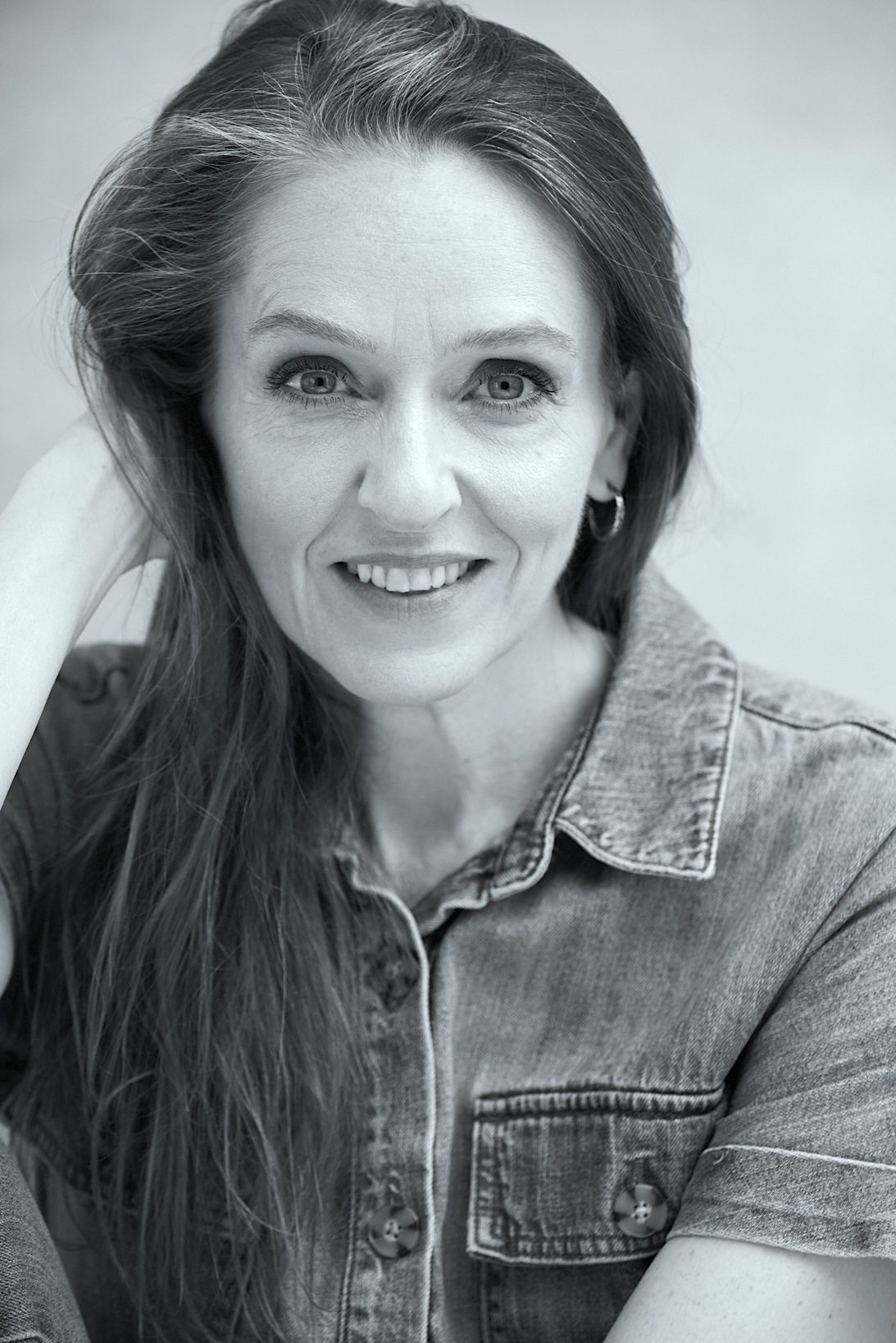
Adda Ingólfs Heiðrúnardóttir is a composer and singer-songwriter. She studied sonologic electronic music at the Royal Conservatory of The Hague and philosophy and gender studies in Iceland, the Netherlands and Budapest.
In her compositions, she studies the connection and disconnection with Icelandic music history, especially the poetic tradition that flourished in turf town culture. It can be said that she settles inside the poems and poems of foremothers and ancestors, focuses on characteristic details, expands them and thus transforms the element
Mold power
The title of the work is derived from the poem Krókárgerði by poet Ólína Jónasdóttir. Krókárgerði is a deserted farm in Skagafjörður, but Ólína knew its last inhabitants. The poem is a kind of memorial of the turf town culture and the poet's complex relationship with her. About the reactionaryness but also the desire for poetry and singing. The poet was a child when she once came home with a newly written poem and was beaten up. She took that advice from burying her poems in the ground up on the hillside where she sat over the rivers.
Oda's work is based on her interpretation and transcription of Olína's poem (see the post attached to the repertoire).The work is a journey into the ground, an attempt to touch on the silt. It can be said that the narrator comes above in the soil (in tradition), cuts out space, goes into winter skin, quietly absorbs nourishment and then takes a path to the surface when spring begins.
The composition of the work and rhythm is adapted from a recording of a poem that Þórhallur Ástvaldsson recited to Krókárgerði around 1960. The poem is a round-handed square-tip, which means that in addition to the end-rhyme, you can find an inner rhyme in every single line (see the aforementioned post). Here, you can mainly enjoy the wave-like rhythm that is formed in Þórhall's poetry when he limps with the syllables that form the rhyme of the ring hand.
The work consists of seven short chapters entitled: Eyðiró, Hugarkvíði, Vetrarhýði, Rústin hóðir, Kraftur ól, Vakti årði, Fjörið glæði.