There is a fairly long tradition of young musicians taking the stage with the Icelandic Symphony Orchestra and making their debut in the role of soloist or singer with the orchestra.
In the 1970s, the formal collaboration between the Reykjavík School of Music and the Symphony Orchestra began. It consisted, among other things, in the fact that the first part of the student soloist's exam from the school consisted of performing with the orchestra, and this tradition remained until the turn of the last century. When the department of music of LHÍ was founded in 2001, the environment of music education changed, and thus also the role and participation of the Icelandic Symphony Orchestra in the final exams of musical performers.
Electronic application for UE 2027
Turning point in the history of the competition
In 2003, there was a certain turning point in this story, when the last soloist exam students of the Reykjavík School of Music performed at a concert together with the first diploma student of the department of music, Elfa Rún Kristinsdóttir.
In 2004, the Iceland Symphony Orchestra and the University of the Arts made an agreement on the implementation of the competition, but that year and in 2005 only students from the LHÍ department of music performed at concerts by young soloists. The concert was no longer part of the final exam, but became the highlight of the competition to perform with the orchestra.
A jury made up of representatives from the Symphony Orchestra and LHÍ
In the fall of 2005, a change was made to the preliminary selection of the contestants and the competition was opened to all Icelandic music students at the bachelor's level regardless of which music school they attended. Competitors must additionally be Icelandic citizens or foreign nationals and have resided in Iceland for at least one year. A jury, composed of representatives from the Iceland Symphony Orchestra and the Academy of Arts, can select up to four participants who perform at the concert.
Now another turning point in the competition for young soloists Participation conditions will be changed after a thorough review and then the competition will also be held in a modified format The competition has been opened to students at all levels of higher education in music, namely bachelor's level, master's and doctoral level The age limit has also been abolished These changes are made with the development of higher education music education in this country in consideration and further opens up the possibilities of everyone who is pursuing it The competition now takes place in two rounds In the previous round, candidates are evaluated according to submitted video recordings and the candidates who advance are invited to the second round of the winners perform at the Young Soloists concert which generally takes place in Harpa's Eldborg Hall.
A new regulation has been published on the LHÍ website and can be accessed here.
- Competition rulesRegulation of LHÍ and SÍ
- Electronic application Electronic application form for UE 2027
- contact Thelma Hrönn Sigurdórsdóttir, project manager of the department of music
thelma@lhi.is
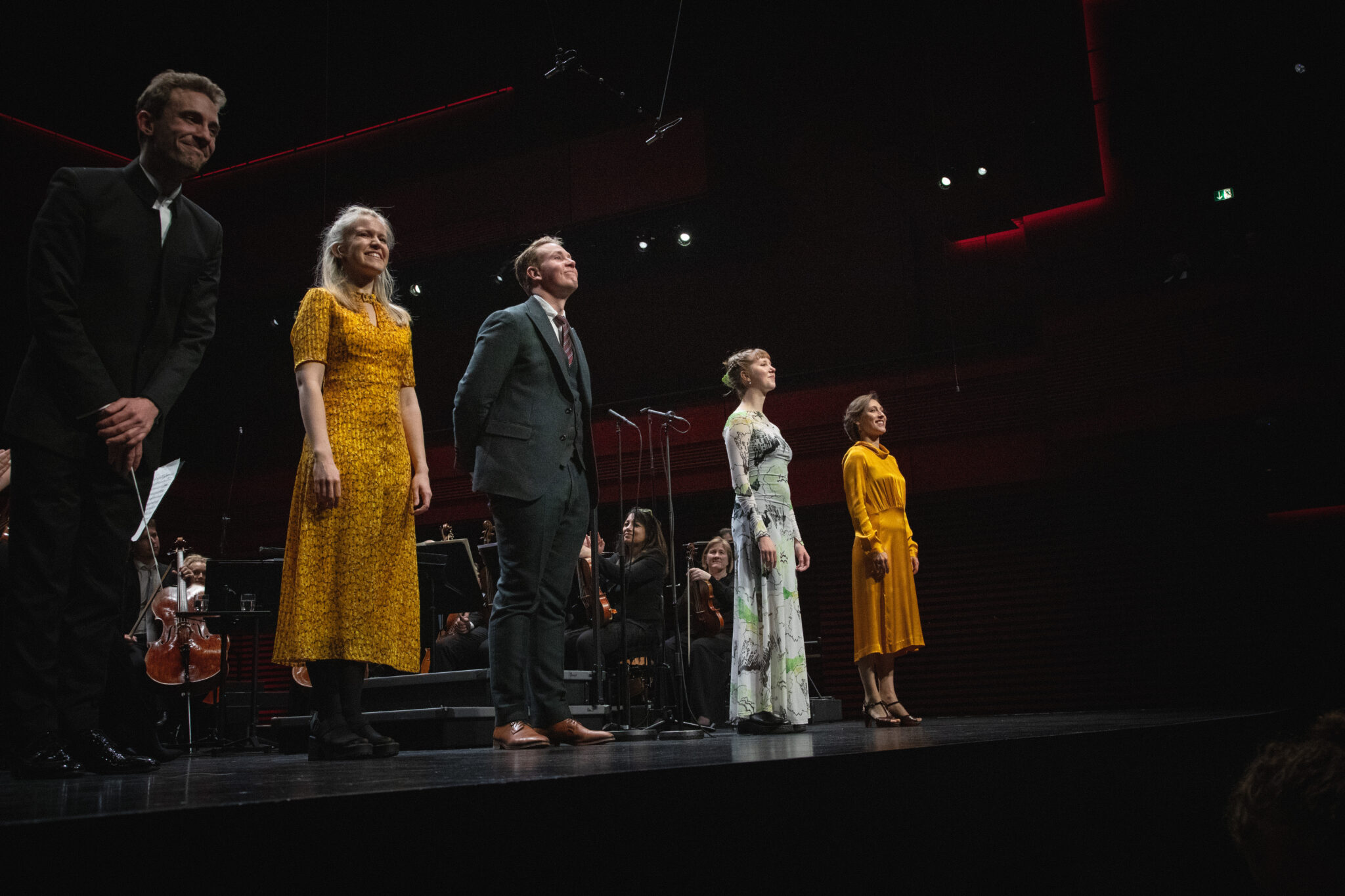
2026
Halldóra Ósk Helgadóttir, song
Lilja Hákonardóttir, flute
Matthildur Traustadóttir, violin
Mariann Rähni, piano
2025
Bjargey Birgisdóttir, violin
Katrín Birna Sigurðardóttir, cello
Steinn Völundur Halldórsson, trombone
2024
Helga Diljá Jörundsdóttir, violin
Hrafn Marinó Thorarensen, bassoon
María Qing Sigríðardóttir, cello
Ólína Ákadóttir, piano
Tómas Vigur Magnússon, violin
2023
Ólafur Freyr Birkisson, singing
Ragnheiður Ingunn Jóhannsdóttir, singing
Þórhildur Magnúsdóttir, viola
2022
Birkir Örn Hafsteinsson, clarinet
Ingibjörg Ragnheiður Linnet, trumpet
Hanna Ágústa Olgeirsdóttir, singing
Þórgunnur Anna Örnólfsdóttir, singing
2021
Íris Björk Gunnarsdóttir, song
Johanna Brynja Ruminy, violin
Jón Arnar Einarsson, trombone
Marta Kristín Friðriksdóttir, singing
2020
Kristín Ýr Jónsdóttir, flute
Sólveig Vaka Eythórsdóttir, violin
Flemming Vidar Valmundsson, harmonica
Gunnar Kristinn Óskarsson, trumpet
2019
Guðbjartur Hákonarson, violin
Harpa Ósk Björnsdóttir, song
Hjörtur Páll Eggertsson, cello
Silja Elsabet Brynjarsdóttir, vocals
2018
Ásta Kristín Pjetursdóttir, viola
Bryndís Guðjónsdóttir, vocals
Guðmundur Andri Ólafsson, horn
Romain Thor Denuit, piano
2017
Auður Edda Erlendsdóttir, clarinet
Herdís Mjöll Guðmundsdóttir, violin
Hrafnhildur Marta Guðmundsdóttir, cello
Jóna G. Kolbrúnardóttir, singing
2016
Heiðdís Hanna Sigurðardóttir, singing
Ragnar Jónsson, cello
Sigríður Hjördís Indriðadóttir, flute
Jónas Ásgeirsson, accordion
2015
Baldvin Oddsson, trumpet
Erna Arnardóttir, piano
Lilja Ásmundsdóttir, piano
Steiney Sigurðardóttir, cello
2014
Sölvi Kolbeinsson, saxophone
Baldvin Ingvar Tryggvason, clarinet
Björg Brjánsdóttir, flute
Rannveig Marta Sarc, violin
2013
Einar Bjartur Egilsson, piano
Geirtrúður Anna Guðmundsdóttir, cello
Unnsteinn Árnason, song
Sólveig Steinthórsdóttir, violin
2012
Crissie Thelma Guðmundsdóttir, violin
Elín Arnardóttir, piano
Hrafnhildur Árnadóttir, singing
Ísak Ríkhardsson, violin
2011
Andri Björn Róbertsson, song
Birgir Þórisson, piano
Jane Ade Sutarjo, piano
2010
Helga Svala Sigurðardóttir, flute
Matthías Sigurðsson, clarinet
2009
Bjarni Frímann Bjarnason, violin
Hulda Jónsdóttir, violin
Nathalía Druzin Halldórsdóttir, vocals
2008
Theresa Bokany, violin
Joakim Páll Palomares, violin
Arngunnur Árnadóttir, clarinet
Hákon Bjarnason, piano
2007
Egill Árni Pálsson, song
Grímur Helgason, clarinet
Eygló Dóra Davíðsdóttir, violin
2006
Johann Nardeau, trumpet
Julia Mogensen, cello
Guðný Jónasdóttir, cello
Gunnhildur Daðadóttir, violin
2005
Hafdís Vigfúsdóttir, flute
Sólveig Samúelsdóttir, singing
2004
Melkorka Ólafsdóttir, flute
Gyða Valtýsdóttir, cello
Helga Björgvinsdóttir, violin
Ingrid Karlsdóttir, violin
Questions on this topic?
Contact the school office and we will send the inquiry to the correct department or department.