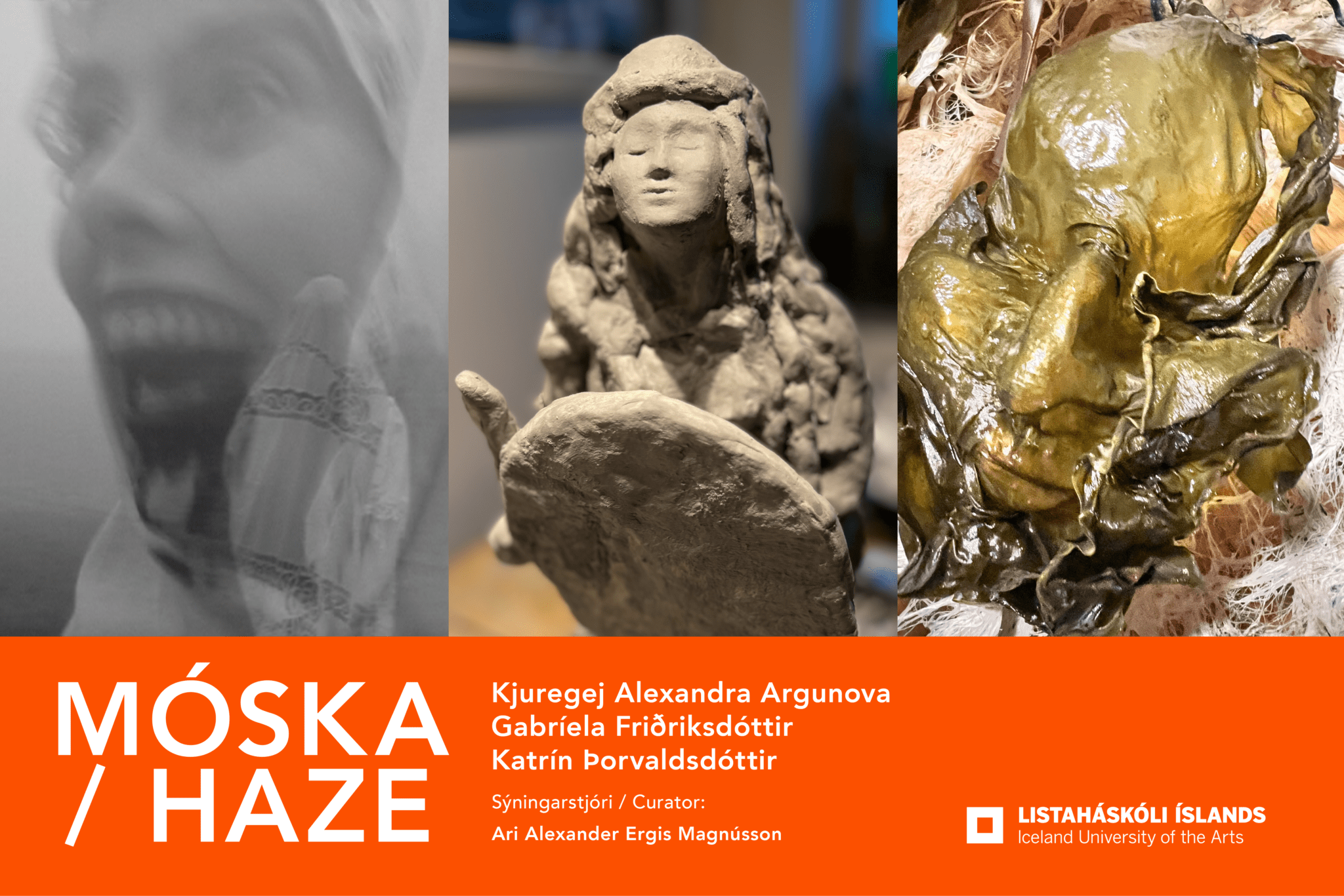
The exhibition MÓSKA / HAZE is Ara Alexander Ergis Magnússon's final project in the master's program in exhibition production at the department of fine art of the Iceland University of the Arts.
In the mosque it is difficult to see, there is darkness or fog, and although we may see some contours or shadows, it is difficult to distinguish anything more closely: We do not know if this is a person or a ghost, a rock or a troll. Few people trust themselves to explore it in more detail, but most of us rush home to a house and light so that nothing can come to our surprise. We close the uncertainty outside.The exhibition MOSKA highlights the work of three women who, on the contrary, have drawn from uncertainty, gone into the mosque and tried to get to know those who live there So they return home to the human world and tell us about what they have met and learned Such travels can be dangerous and not within everyone's reach In all societies there have been people who took this role: Shamans, womens and men It is their task to communicate between our world and the beyond where ghosts, elves, gods, dwarves and all kinds of beings live that we don't even know how to name.
Gabríela Friðriksdóttir, Katrín Þorvaldsdóttir and Kjuregej Alexandra Argunova are born in different places and times, and their artistic creation is shaped and inspired by different cultural influences. Their works are in parts of the second world and interpret mystery and magic. What unites them in craftsmanship and thought could be called the fry they commit in their creative process. Guregej became acquainted with shamanism, which was a living worldview and an important part of the lives of the people. Katrín and Gabríela have had to draw their knowledge from further afield, Katrín through her love of nature and Gabríela by virtue of her imagination.
By playing these three women together, Ari Alexander wants to amplify the fry and connect their travel stories. In the run-up to the show, he has also followed them up with a film camera, and the audience can look at its product at the show, thus getting to know the artists and their ideas better.
Kjuregej Alexandra Argunova (b. 1938) has had an unusual life, with the strongest influence relating to a fateful upbringing in Yakutia, Siberia, one of the most remote republics of the old Soviet Union From there, her path led to the Gitis Moscow University of Drama, where love took the reins and led her all the way here to Iceland where new adventures and conflicts awaited her Exotic cultural heritage, bluntness and courage have identified all that this versatile artist has undertaken and her story is the story of all those who let their hearts rule and never give up Along with art creation, Kjuregej has worked on art therapy and is among the pioneers in Iceland on that stage.
Gabríela Friðriksdóttir (b. 1971) graduated from the sculpture department of Iceland's School of Fine Arts and Crafts in 1997 and did graduate work at AVU in Prague. She has held numerous exhibitions around the world, both alone and with others. In her pictures, sculptures and video works, strange creatures often appear, even entire communities, with which Gabríela interacts with closeness and affection. These creatures and their communities have fascinated audiences. Her work has been shown at the Migros Museum in Zurich, the Pompidou Museum in Paris, the Museum of Contemporary Art in Tokyo, the Icelandic Museum of Art, the Reykjavík Art Museum, Astrup-Fearnley in Oslo, the Kunsthaus Graz, and at the 2014 Lyon Biennale. She was Iceland's representative at the Venice Biennale in 2005.
Katrín Þorvaldsdóttir (b. 1949)
In the world of artist Katrína Þorvaldsdóttir, the silent speaks, nature is alive and precious lurks in the beach where you can find the well of life, the sea, which she calls the womb of the earth For the past thirty years, she has worked with seaweed in her artistic creation, which has attracted a lot of attention both in Iceland and abroad. Katrín does not remember anything other than looking for the beauty in nature. Katrín studied theater studies in Reykjavík, Aarhus and Barcelona, and has dedicated her life to puppetry, masking and costume making.
About the genesis of the exhibition, Ari says, „Everything has its beginning, everyone has its mother, father, grandfather and grandmothers, great-grandparents who have colored our genes and outlook on life as individuals“ Having said that, one reflects oneself in all its outlook on life, the vegan food one was fed on as a child and teenager which results in all our actions and works In the preparation of my final exhibition in the MA program, I continued to spread the desire to show together the work of these three women who have shaped me as a person and an artist, and have so much in common in their approach to art.“
Ari Alexander Ergis Magnússon (b. 1968) is a visual artist, film director and curator In a career spanning 30 years, he has placed special emphasis on making documentaries about musical and visual artists, making longer films and art exhibitions He is the author of over thirty documentaries and curator of over twenty exhibitions in the field of visual arts Along with those jobs, he has advised on extensive art requests and the contribution of the business world to the arts.
The exhibition Móska /Haze is produced in demand of an MA-degree in curatorial studies at the Iceland University of the Arts. In the haze it is difficult to see. Darkness is falling or fog is setting in and enough we may see some outlines or shows, it is difficult to separate can catch us by surprise. We close out the exhibition MÓSKA/HAZE highlights the work of three women who, on the contrary, have thought out and felt the right to know. Gabríela Friðriksdóttir, Katrín Þorvaldsdóttir and Kjuregej Alexandra Argunova are of different generations and have different backgrounds. Their artistic creations are shaped and inspired by different cultural influences. Their work often seems otherworldly, evoking age-old mysteries and magical experiences. Katrín and Gabríela have had to work harder for these conditions, and those parties to influence and those difficulties. Exhibitors: Kjuregej Alexandra Argunova (b. 1938) has had an extraordinary life, with the strongest influences coming from her upling in Yakutia, in Siberia, one of the most remote republics of the former Soviet Union. From there, her path led to the Gitis Academy of Drama in Moscow, where love took over and led her all the way to Iceland, where new adventures and conflicts awaited her. Her foreign heritage, open personality and courage has changed this story, and her story is the story of all those who followed their heart and never given up. Gabríela Friðriksdóttir (b. 1971) graduated from the sculpture department of the Icelandic College of Arts and Crafts in 1997 and studied at AVU in Prague. She has held exhibitions around the world, both alone and with others. In her pictures, sculptures and video works, strange creatures often appear, even entire communities, the Pompeou Museum in Paris, the Museum of Contemporary Art in Tokyo, the Icelandic National Museum in Iceland, the Art Museum in Iceland in Iceland, Iceland in 20. Katrín Þorvaldsdóttir (b. 1949) In the world of the artist Katrína Þorvaldsdóttir, that which is silent speaks, nature is alive and treasures are hidden by the seamore, where you can find the well of life, the sea, which Katrín calls the earth's womb. For the past thirty years, she has used seaweed in her artwork, which has attracted a lot of attention both in Iceland and abroad. For as long as she can remember, Katrín has been looking theater in Reykjavík, Aarhus and Barcelona, and has dedicated her life to making puppets, mask and costs. Curator: Ari Alexander Ergis Magnússon (b. 1968) is an artist, film director and curator. In a career that spans 30 years, he has made documents about music and art, along with narrative films and art exhibitions. He is the author of over thirty documents and the curator of over twenty art exhibitions. Along with these jobs, he has provided advice on large-scale art acquisitions and negotiated contributions from the world of business to the arts.
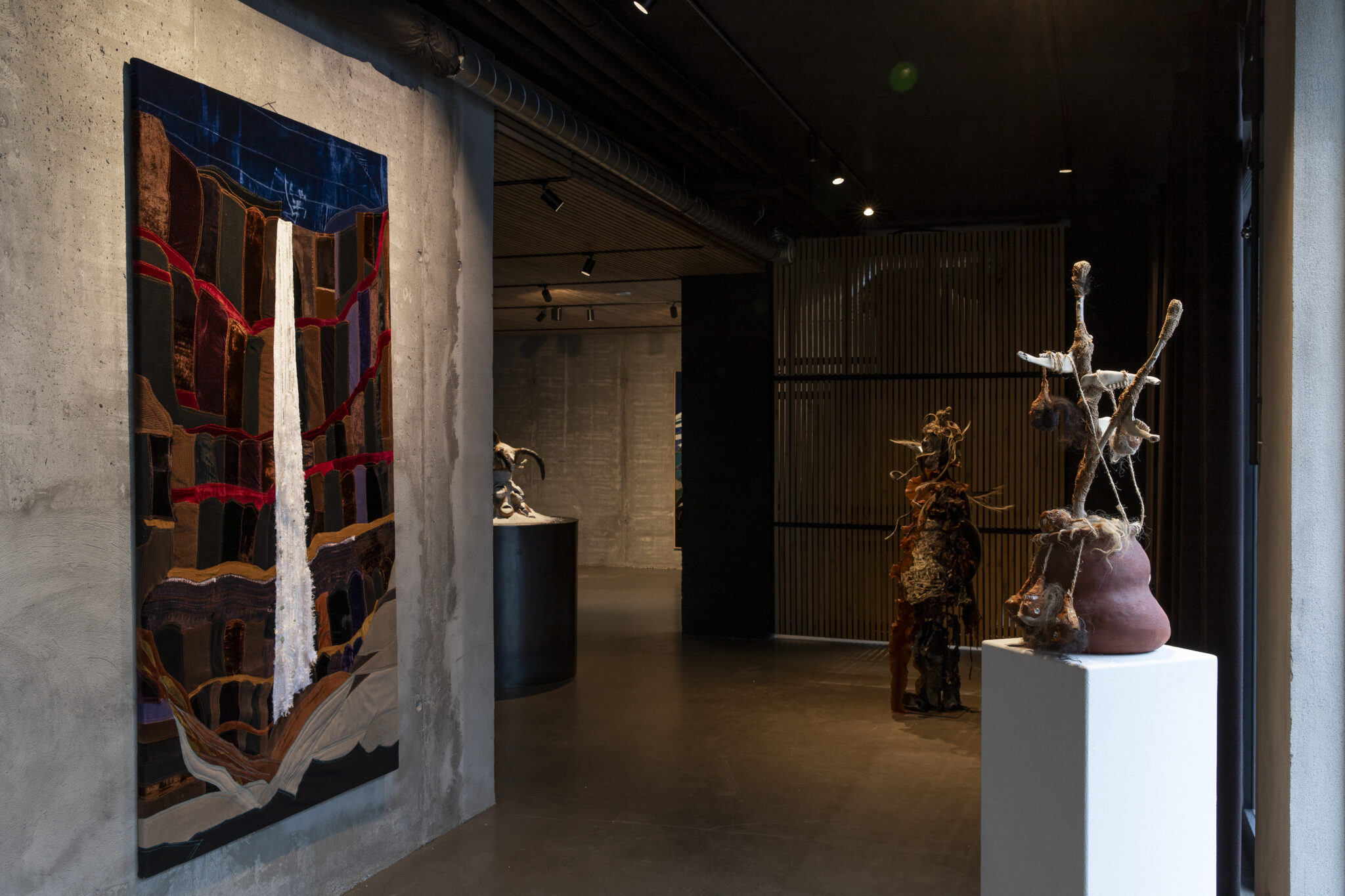
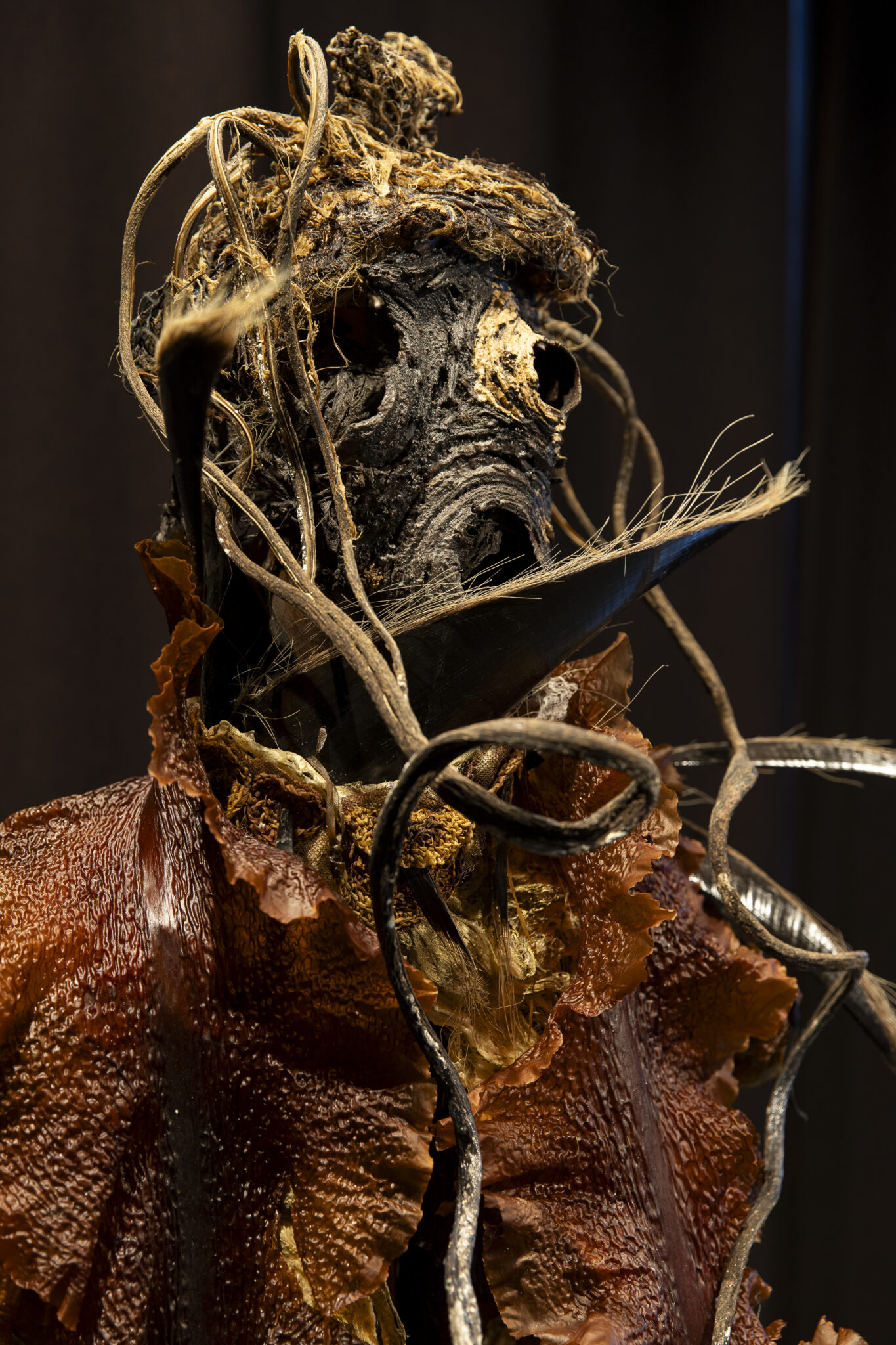
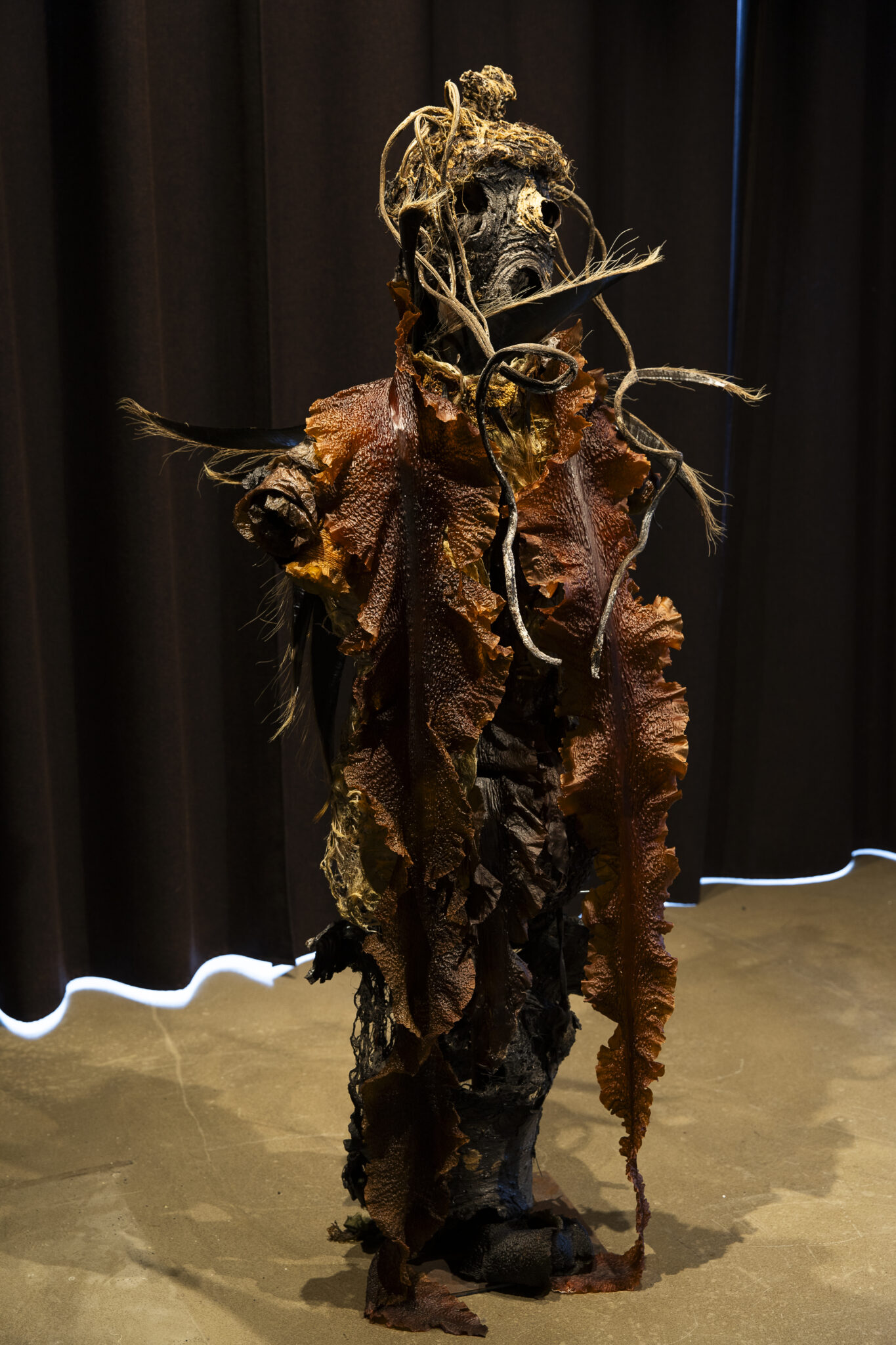
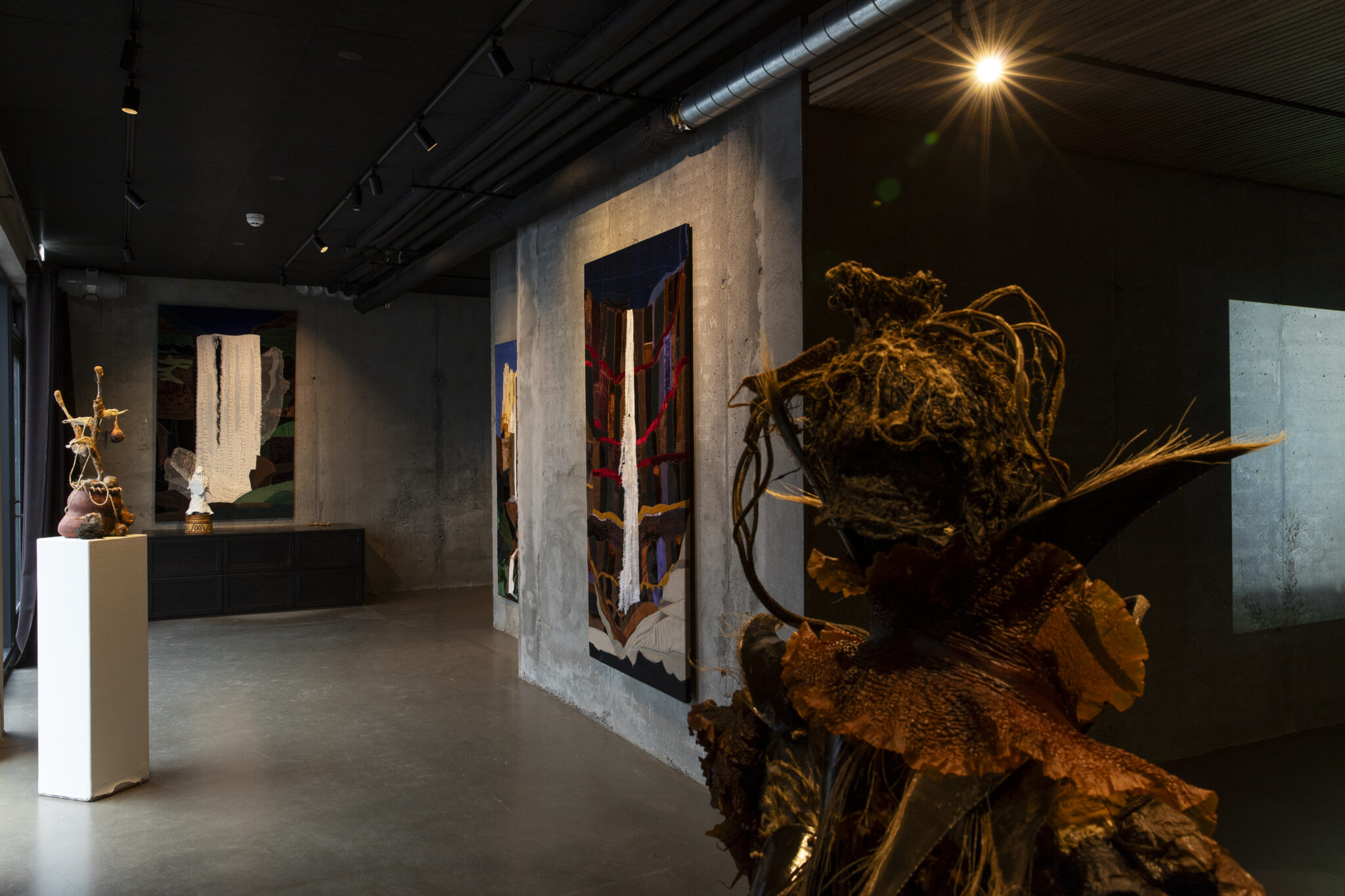
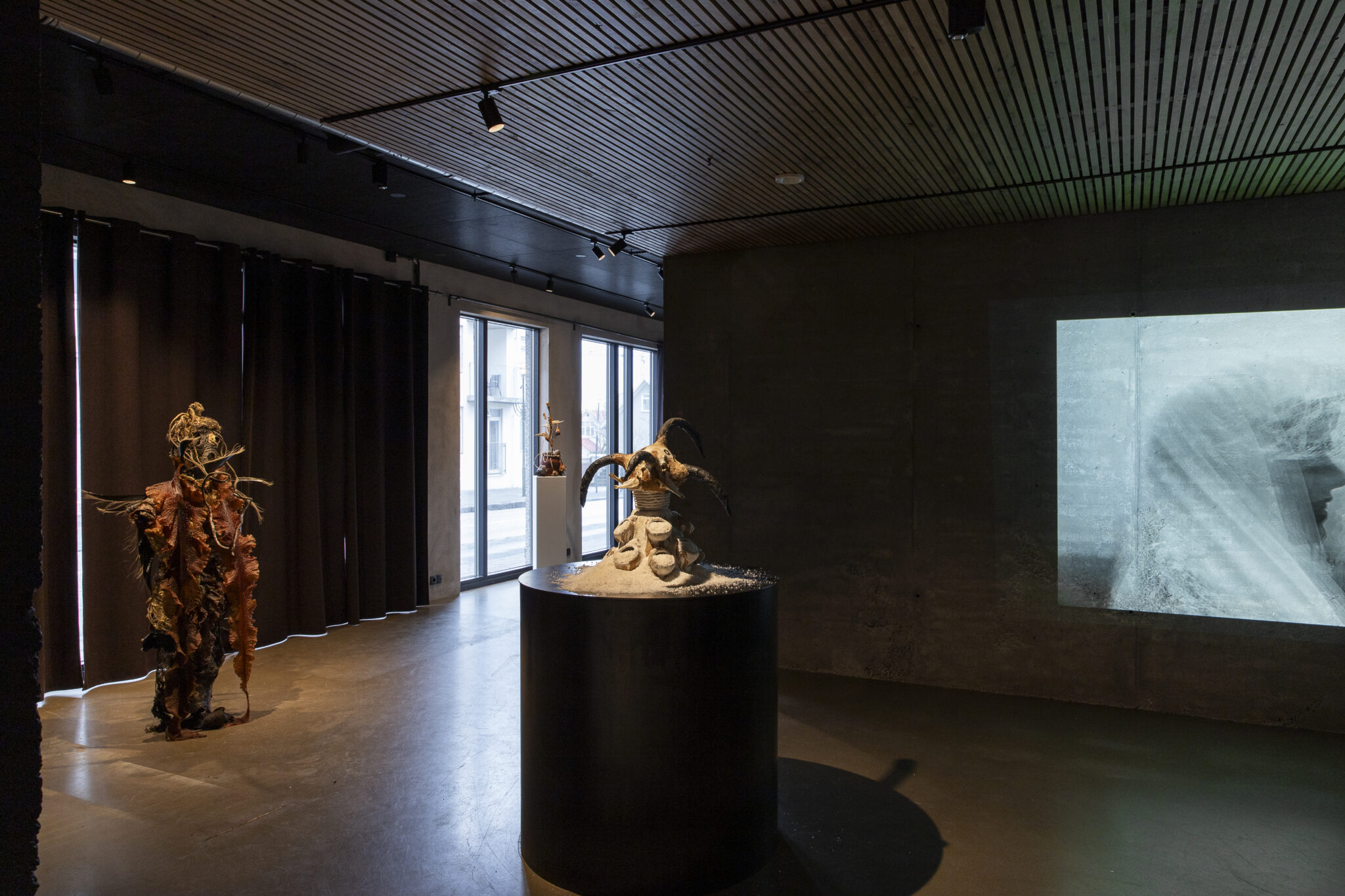
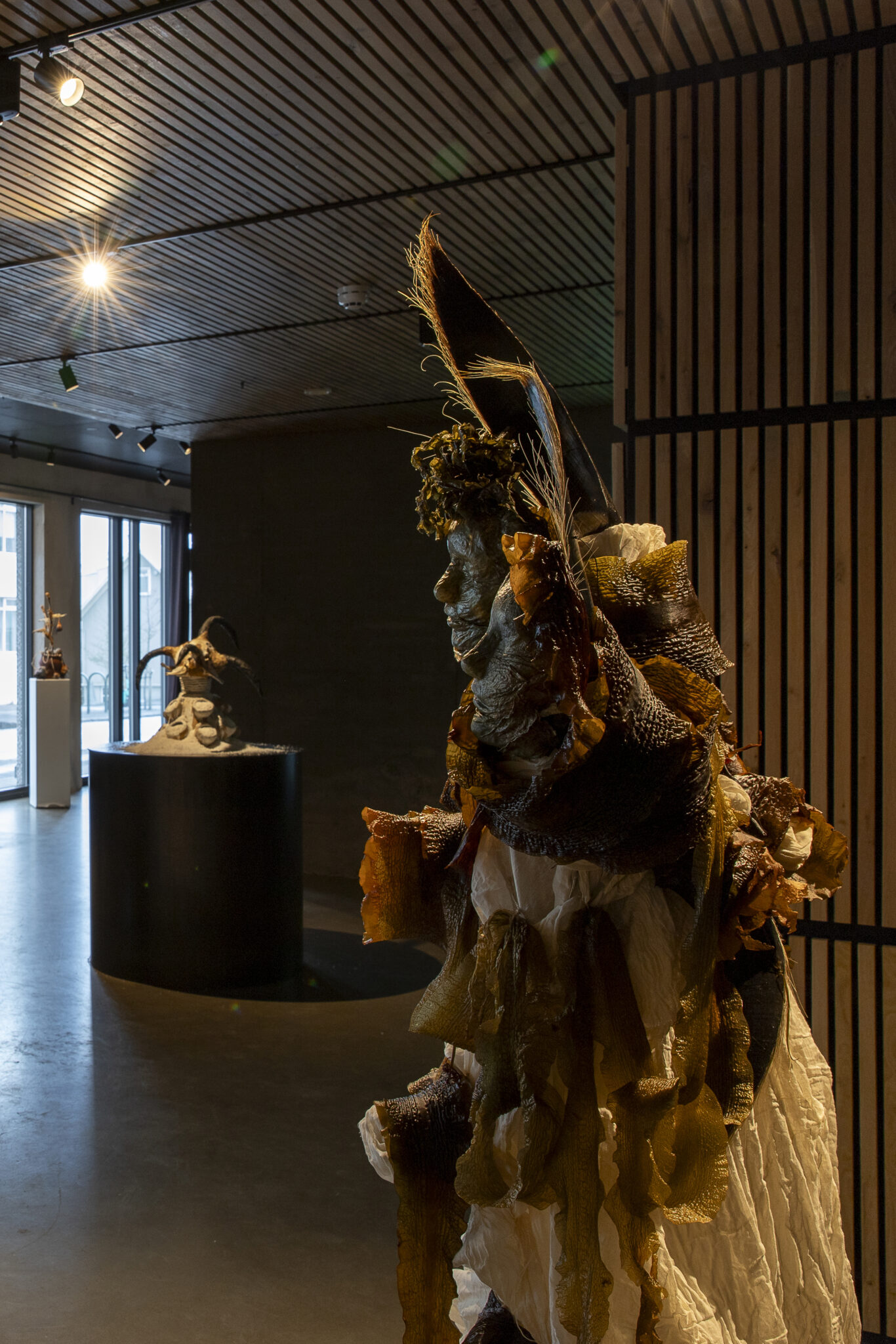
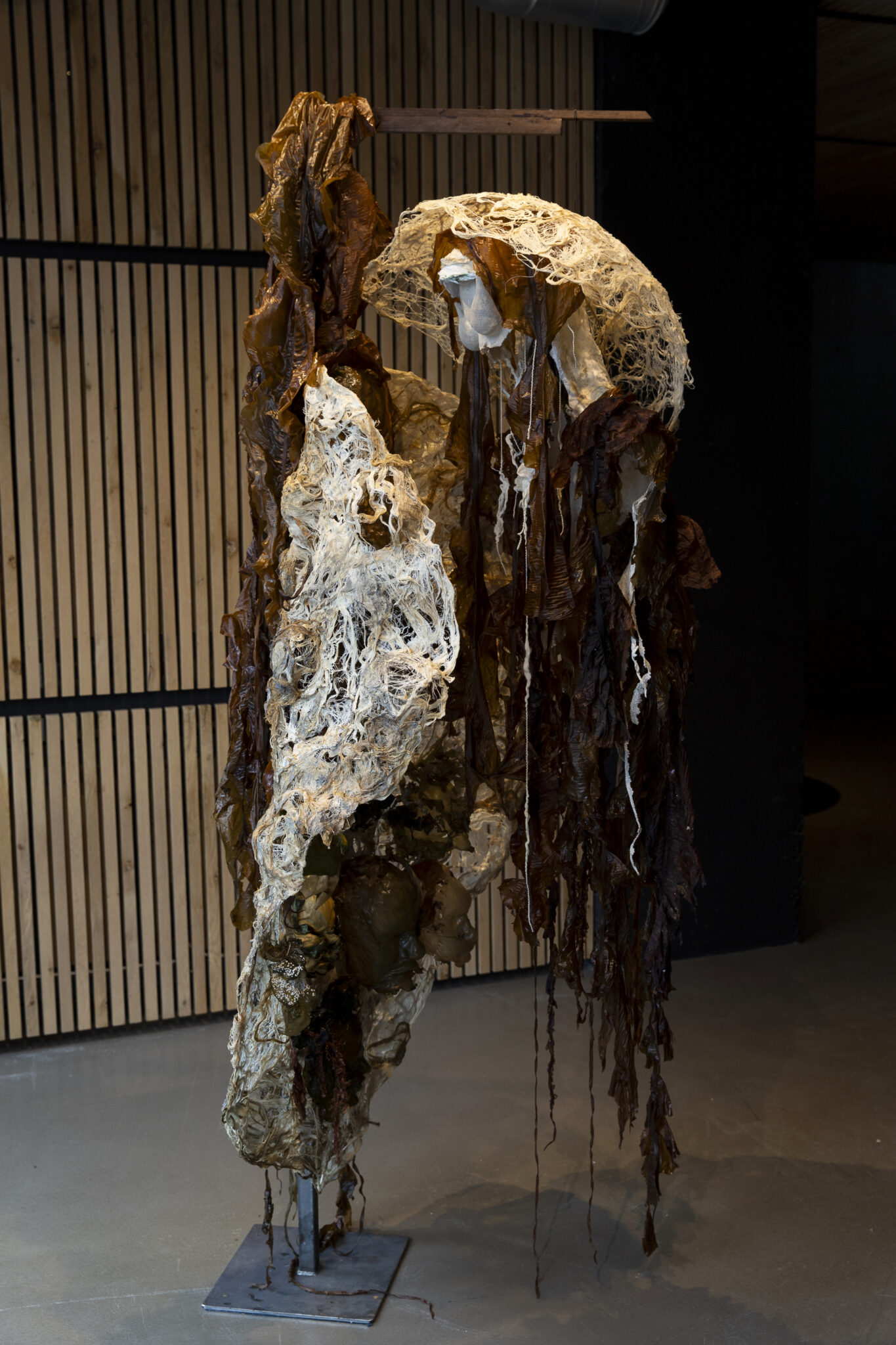
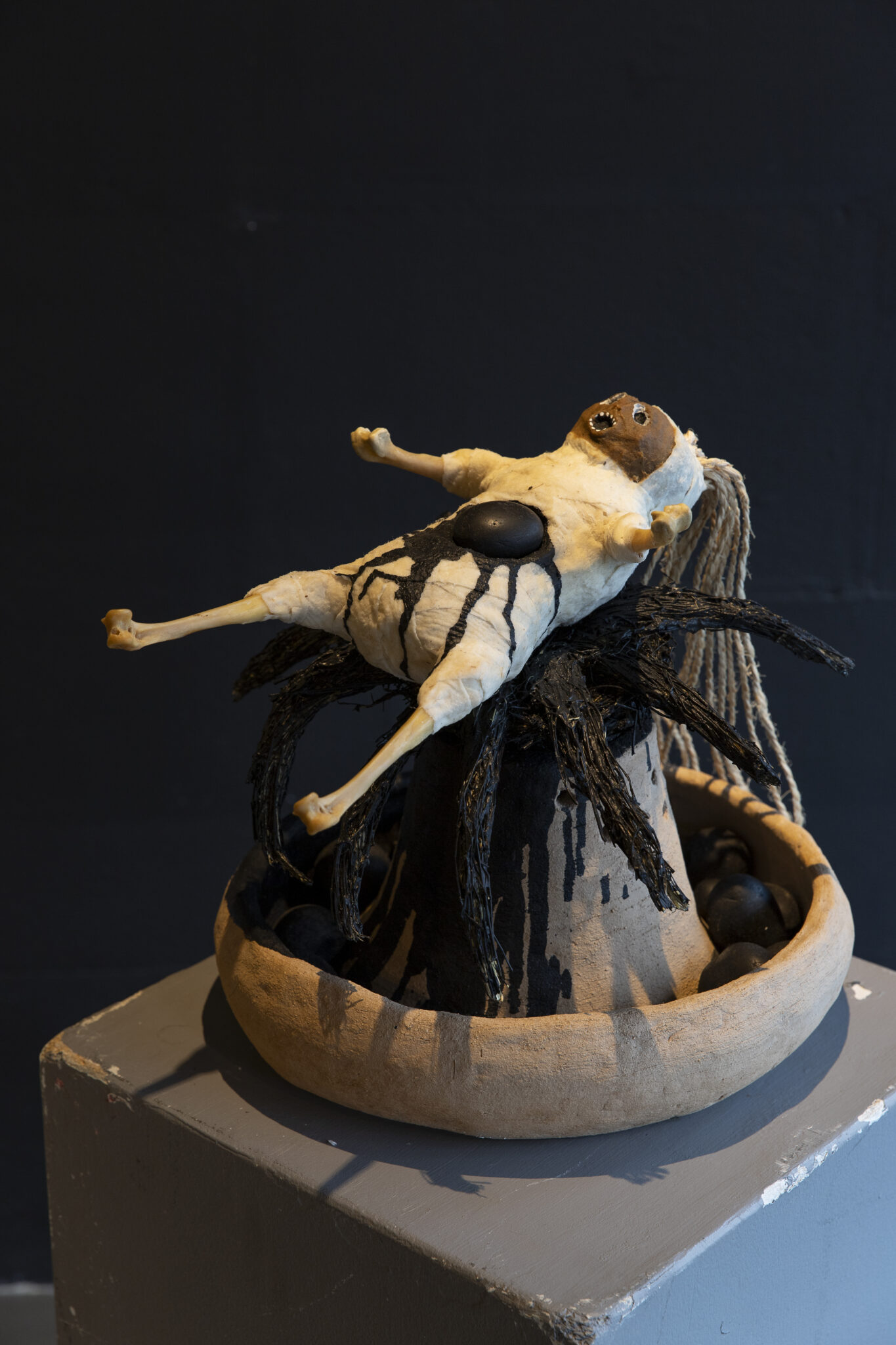
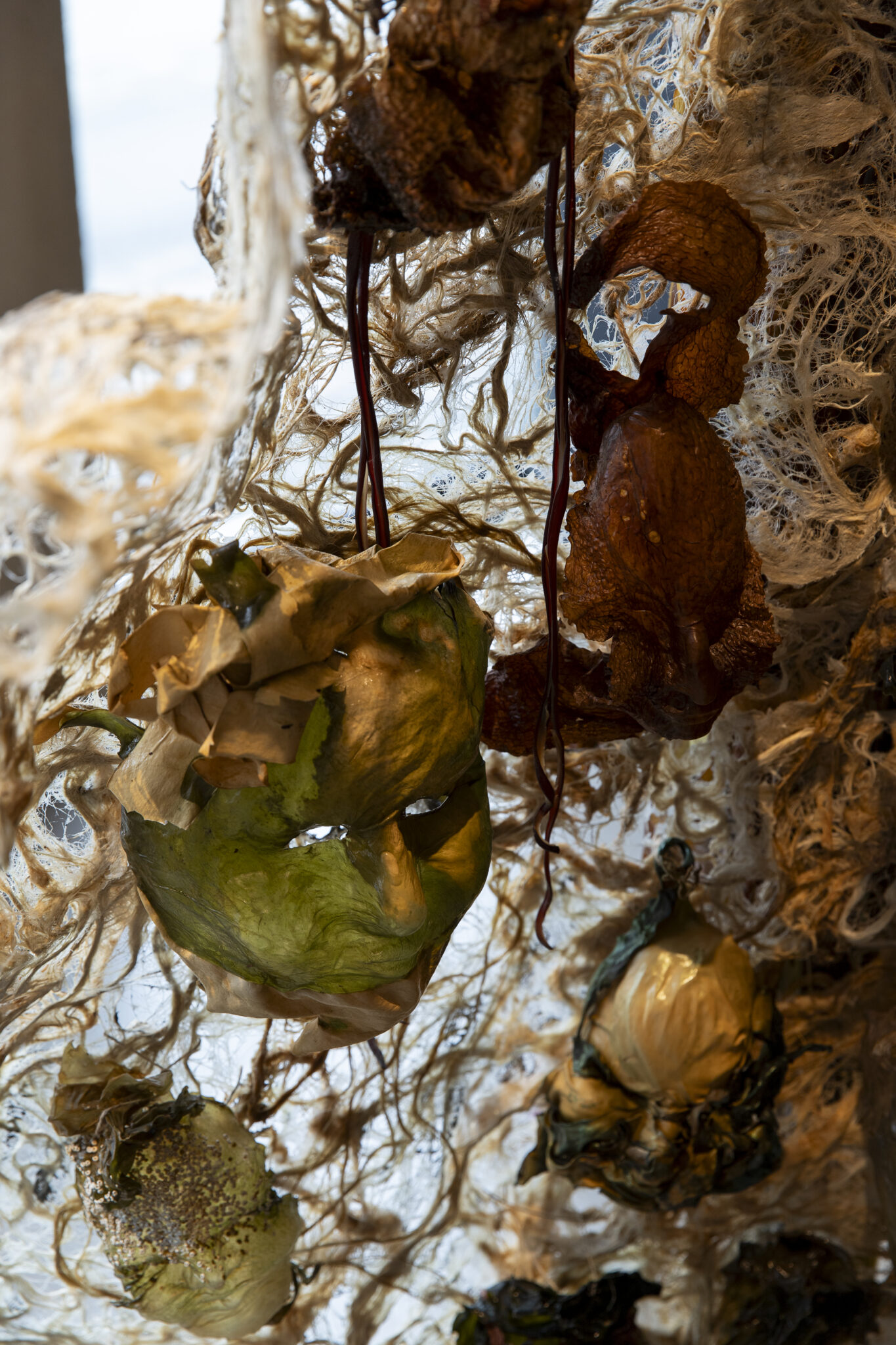
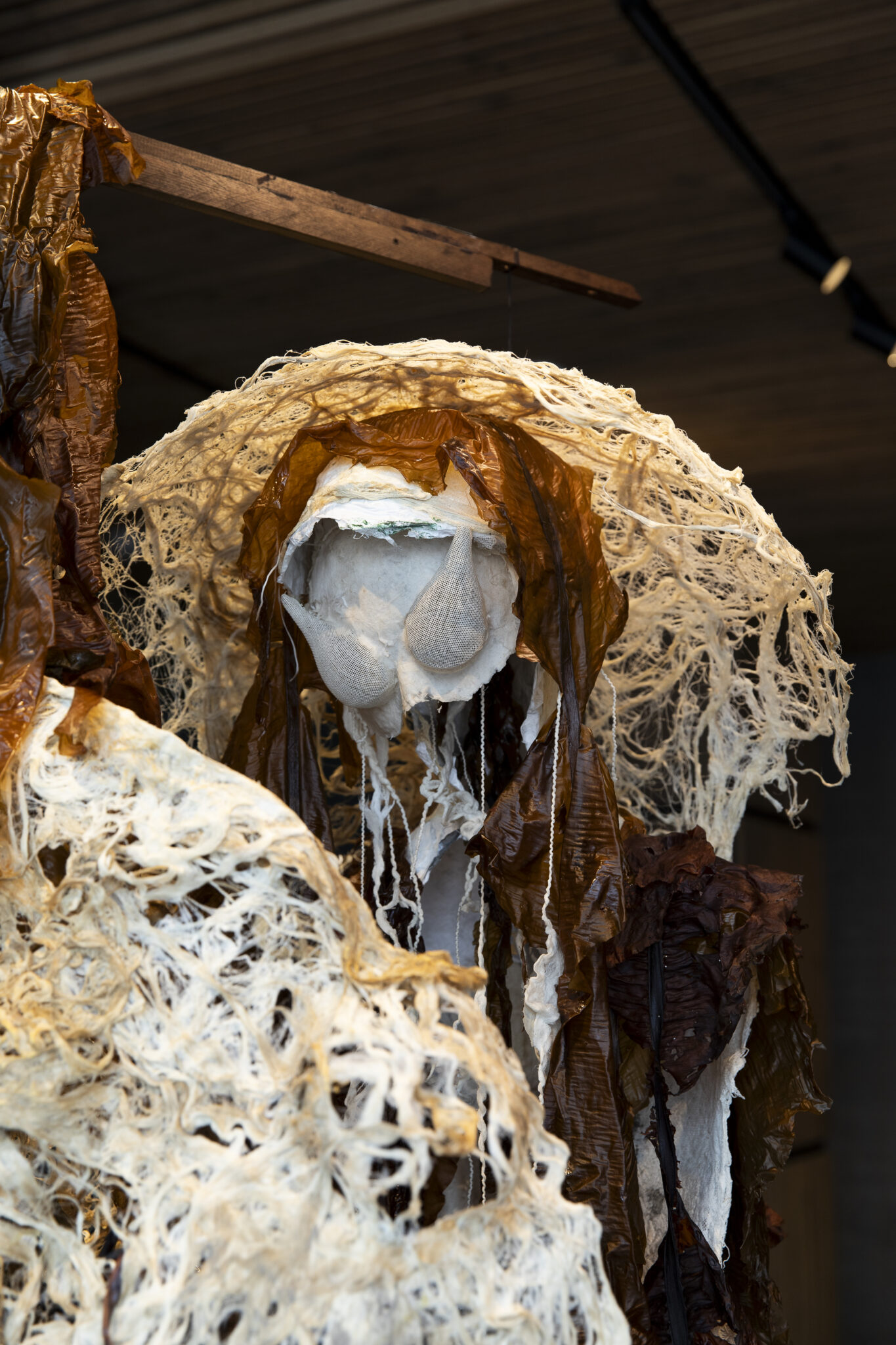
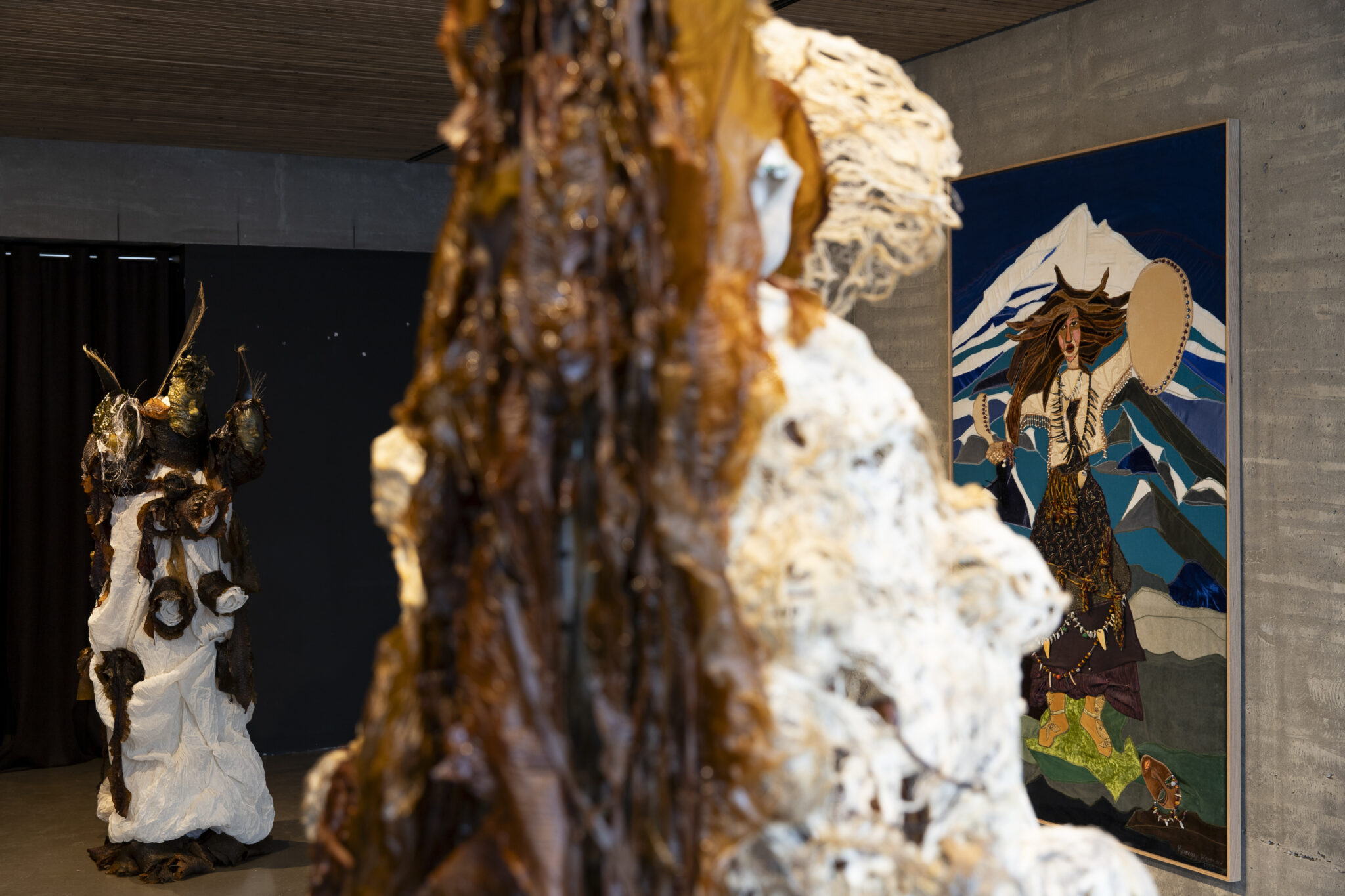
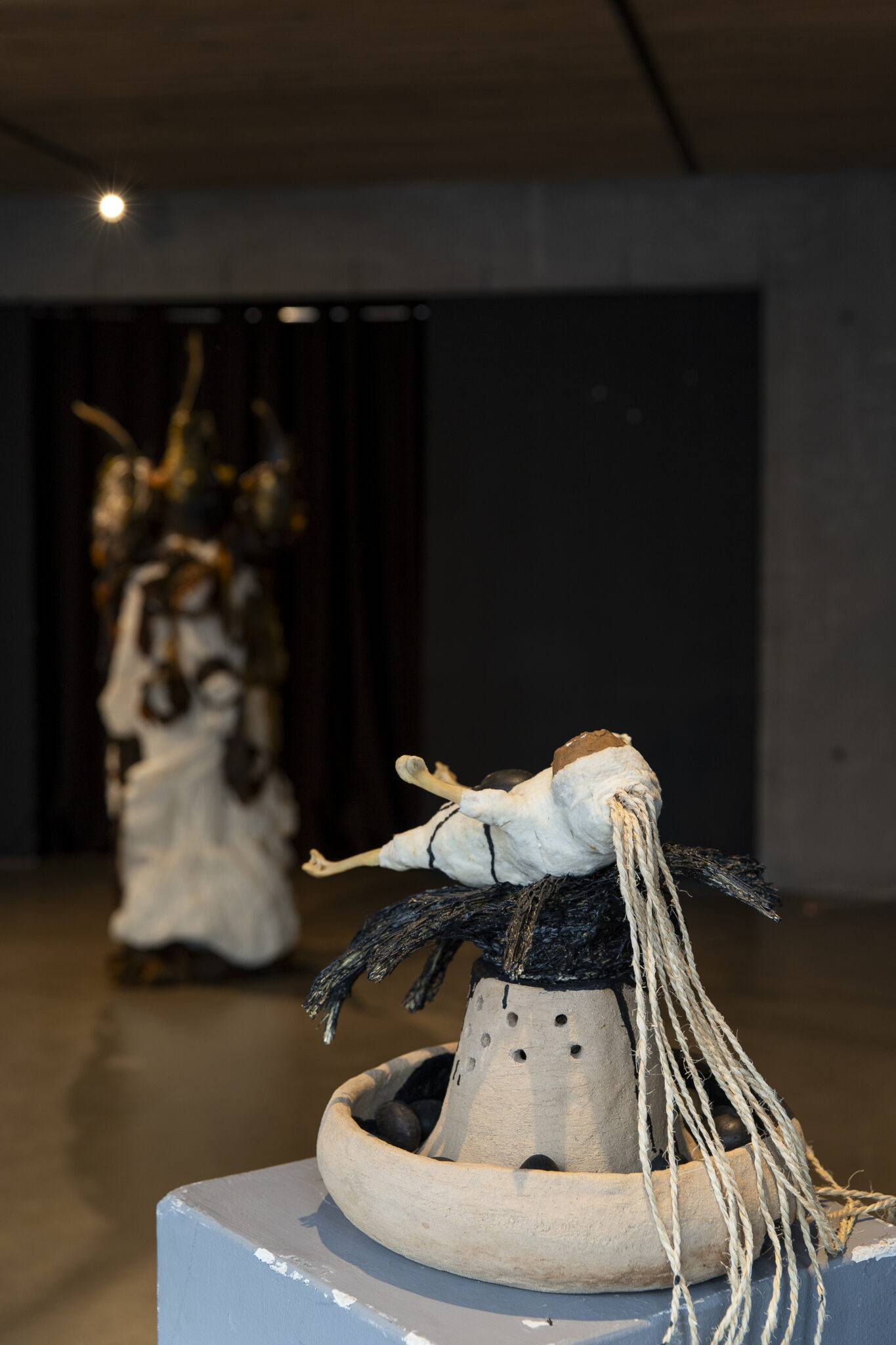
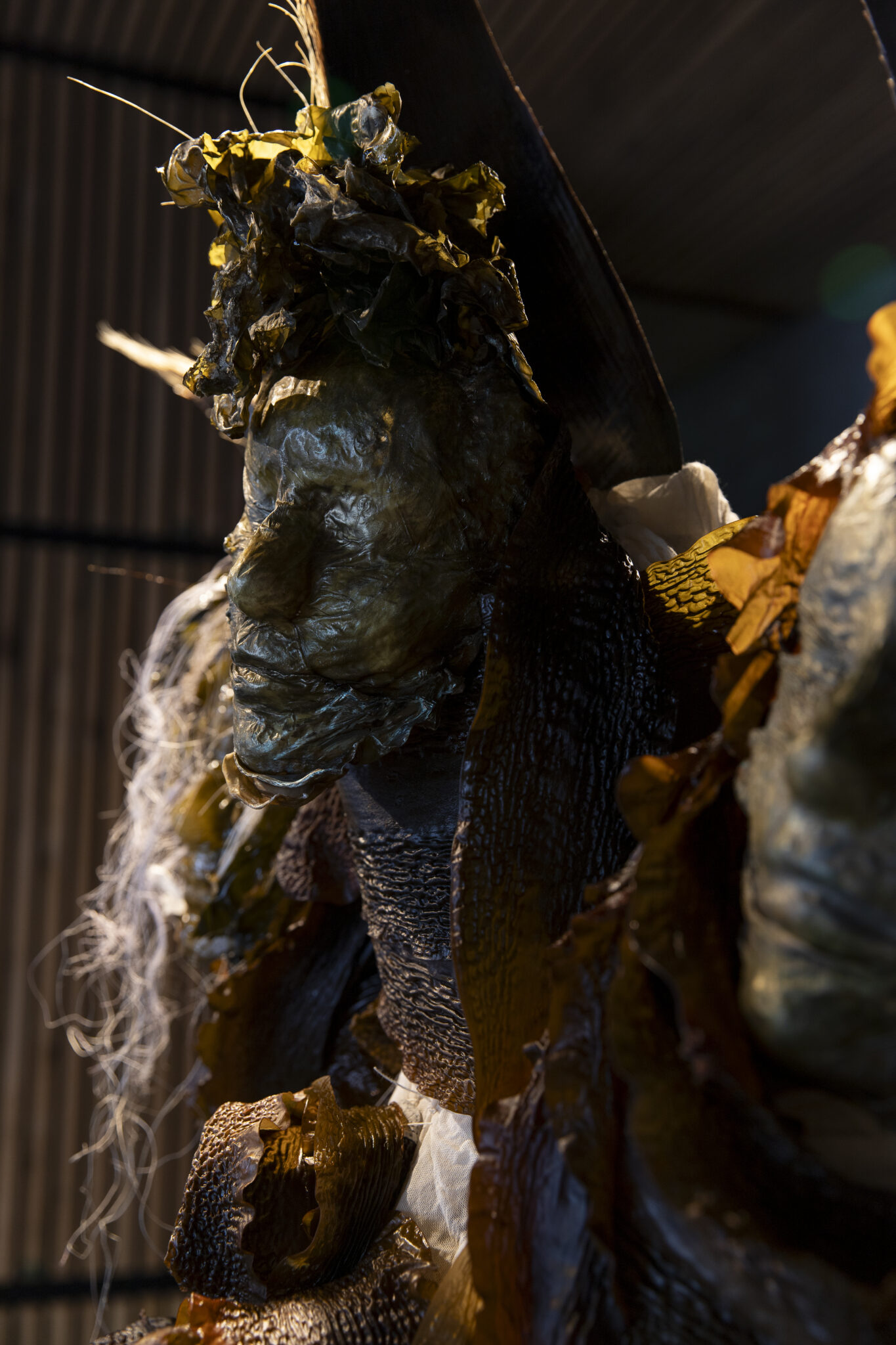
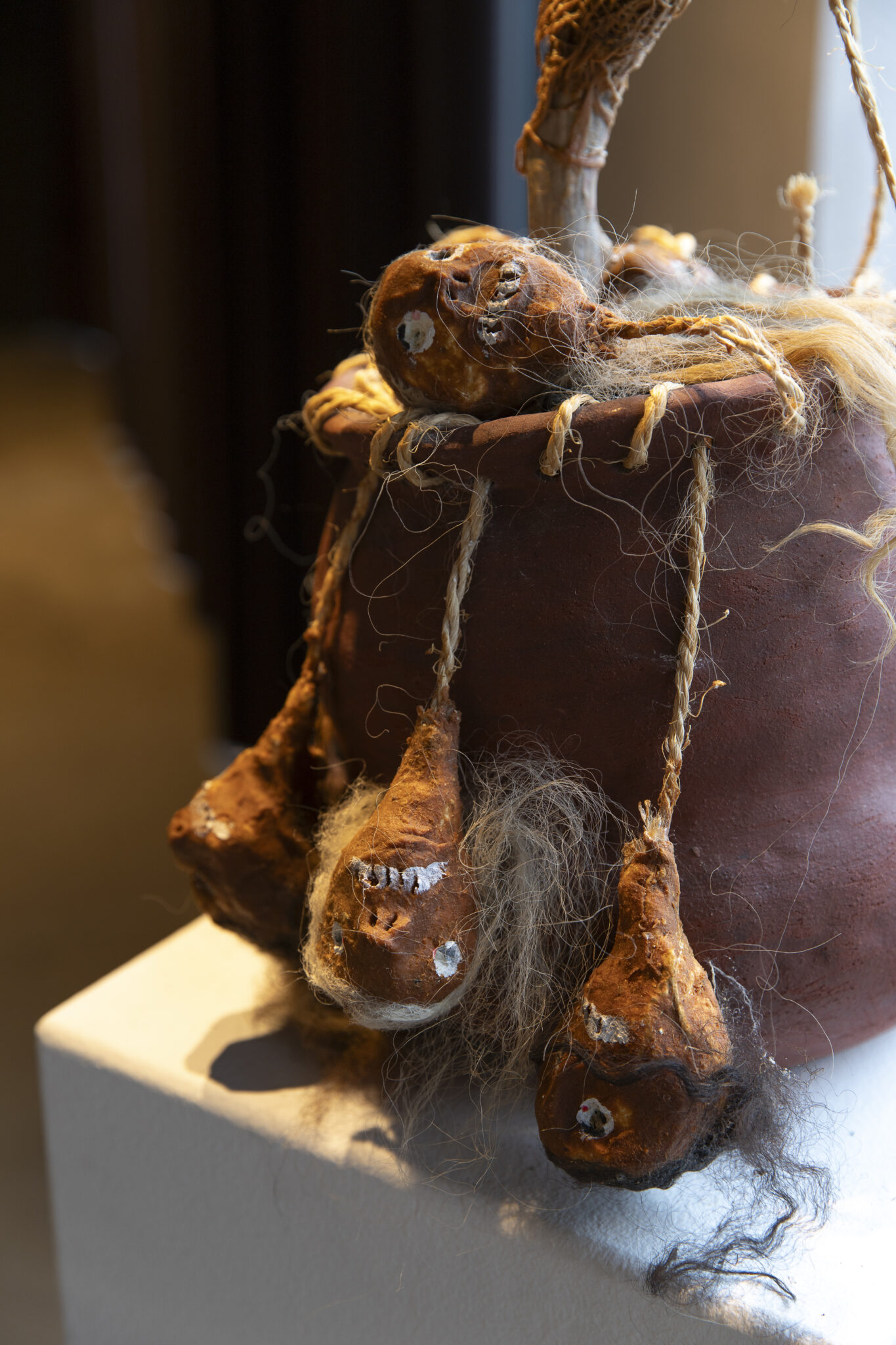
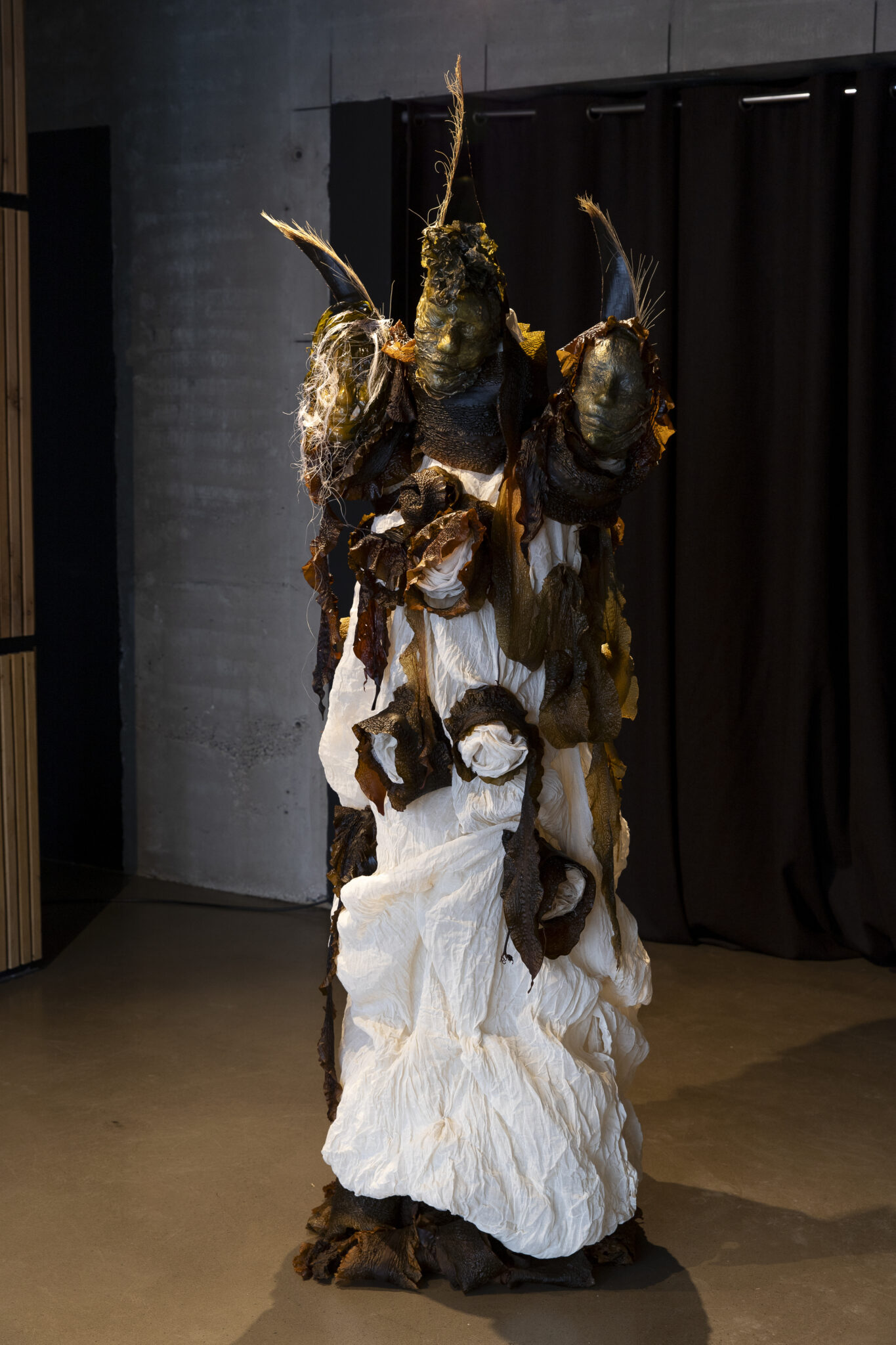
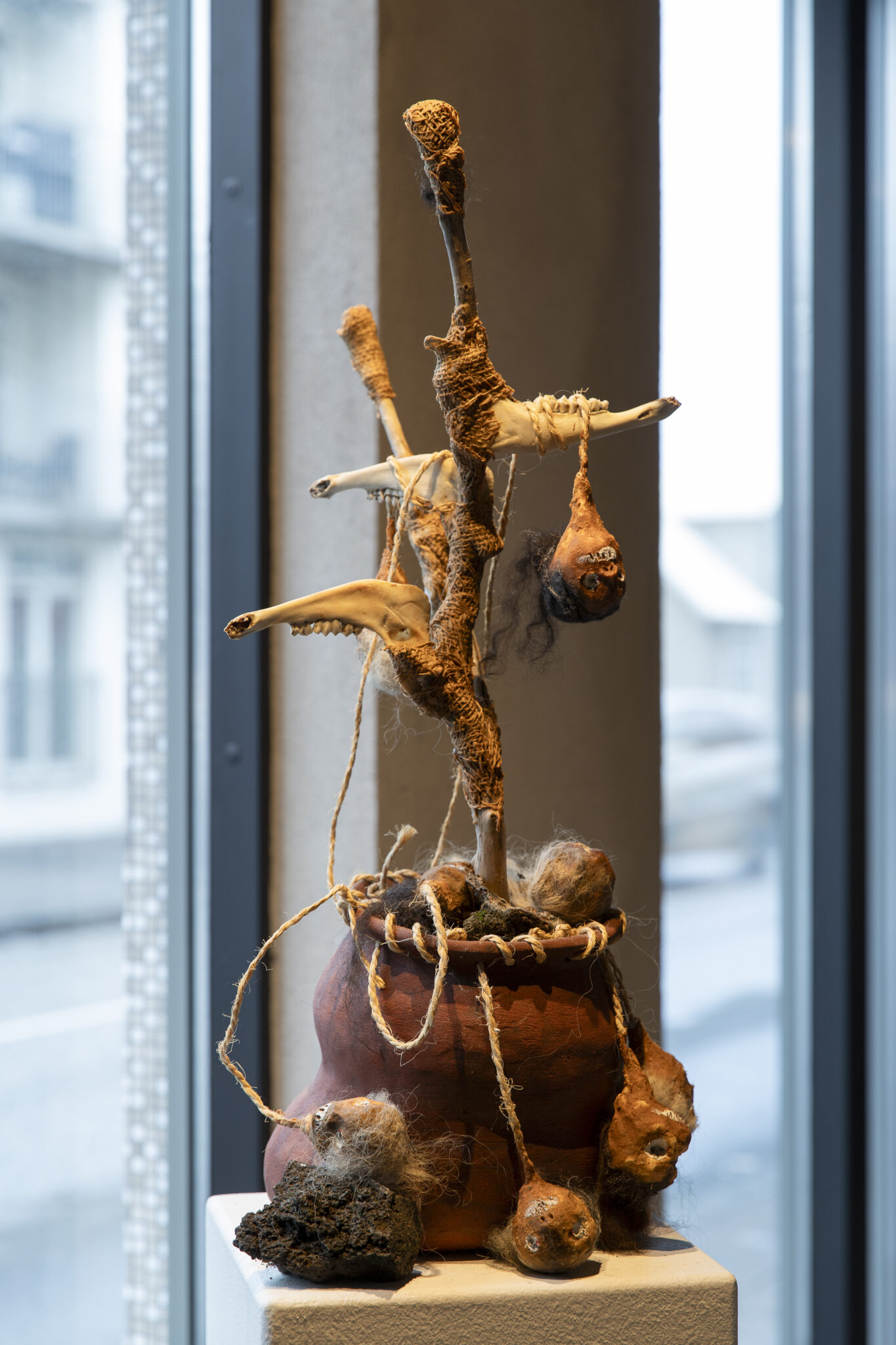
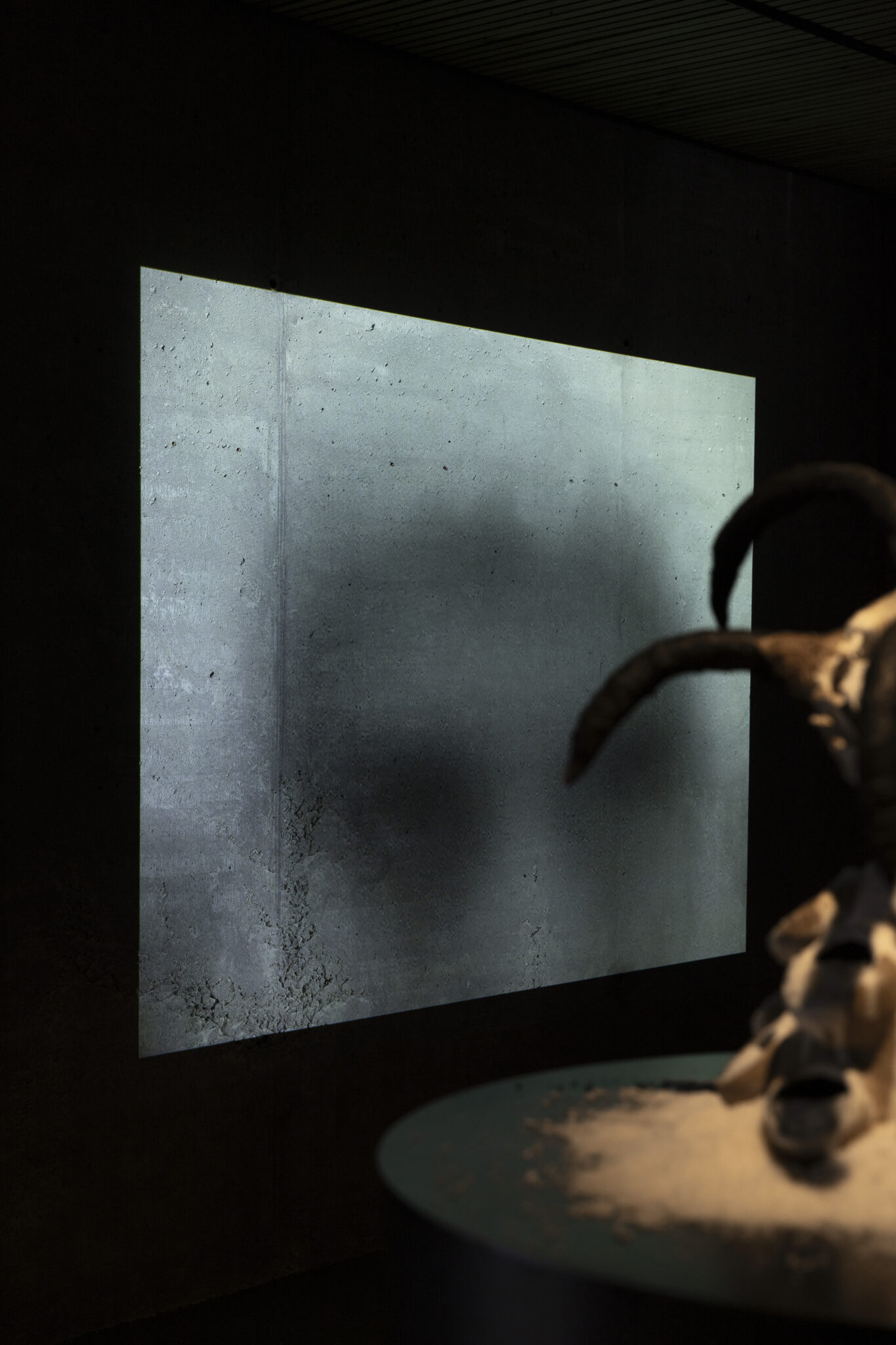
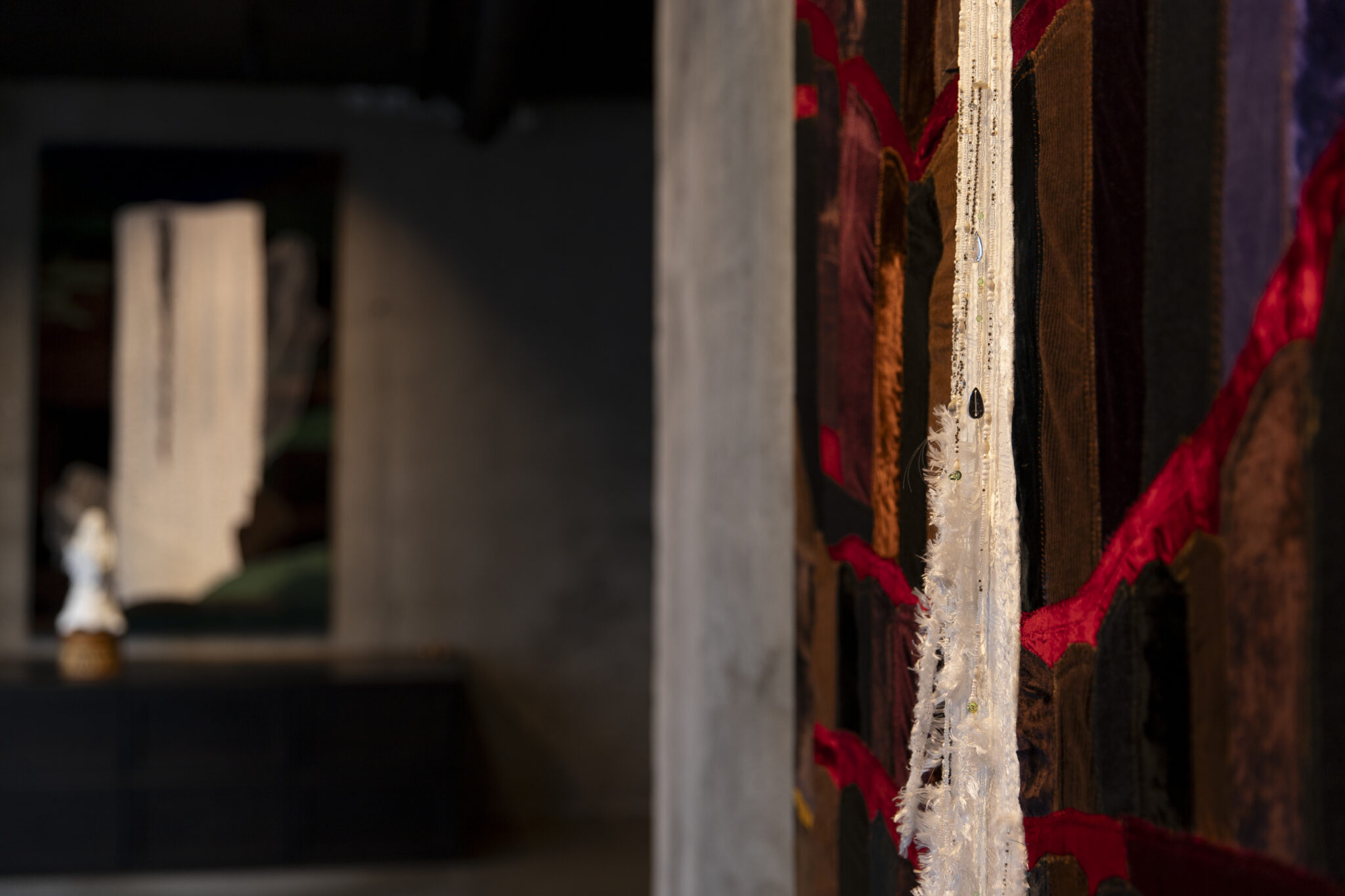
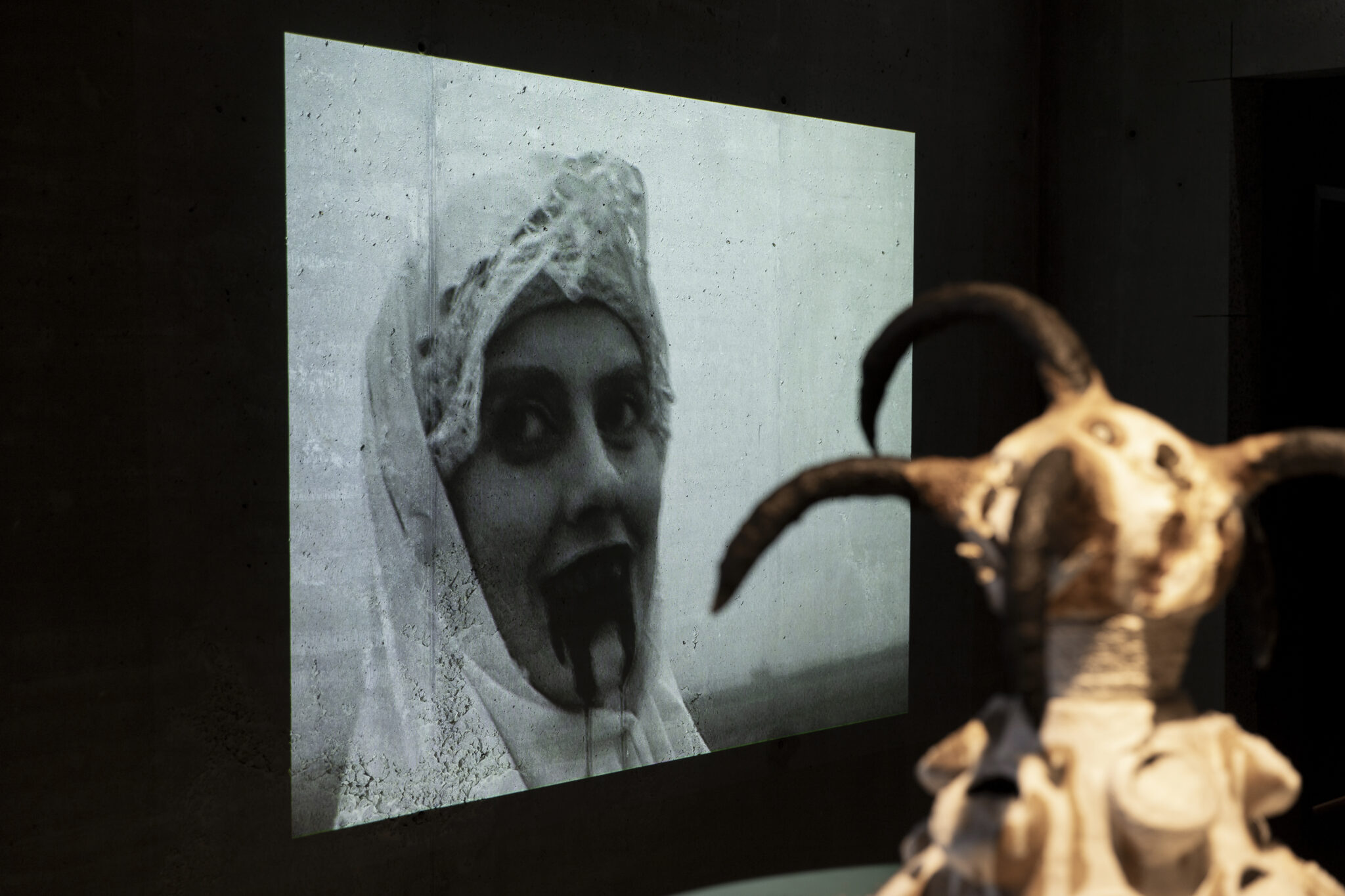
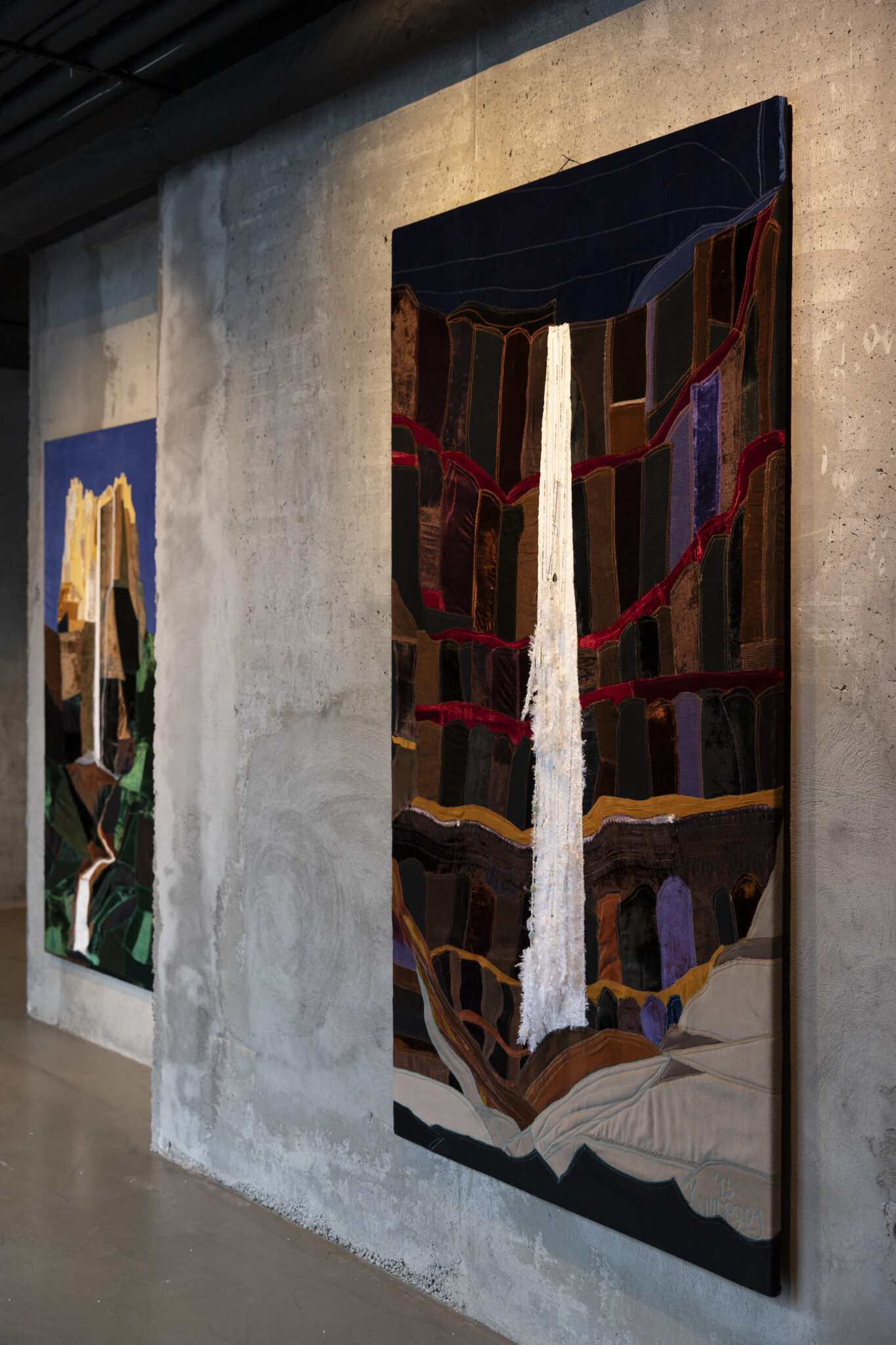
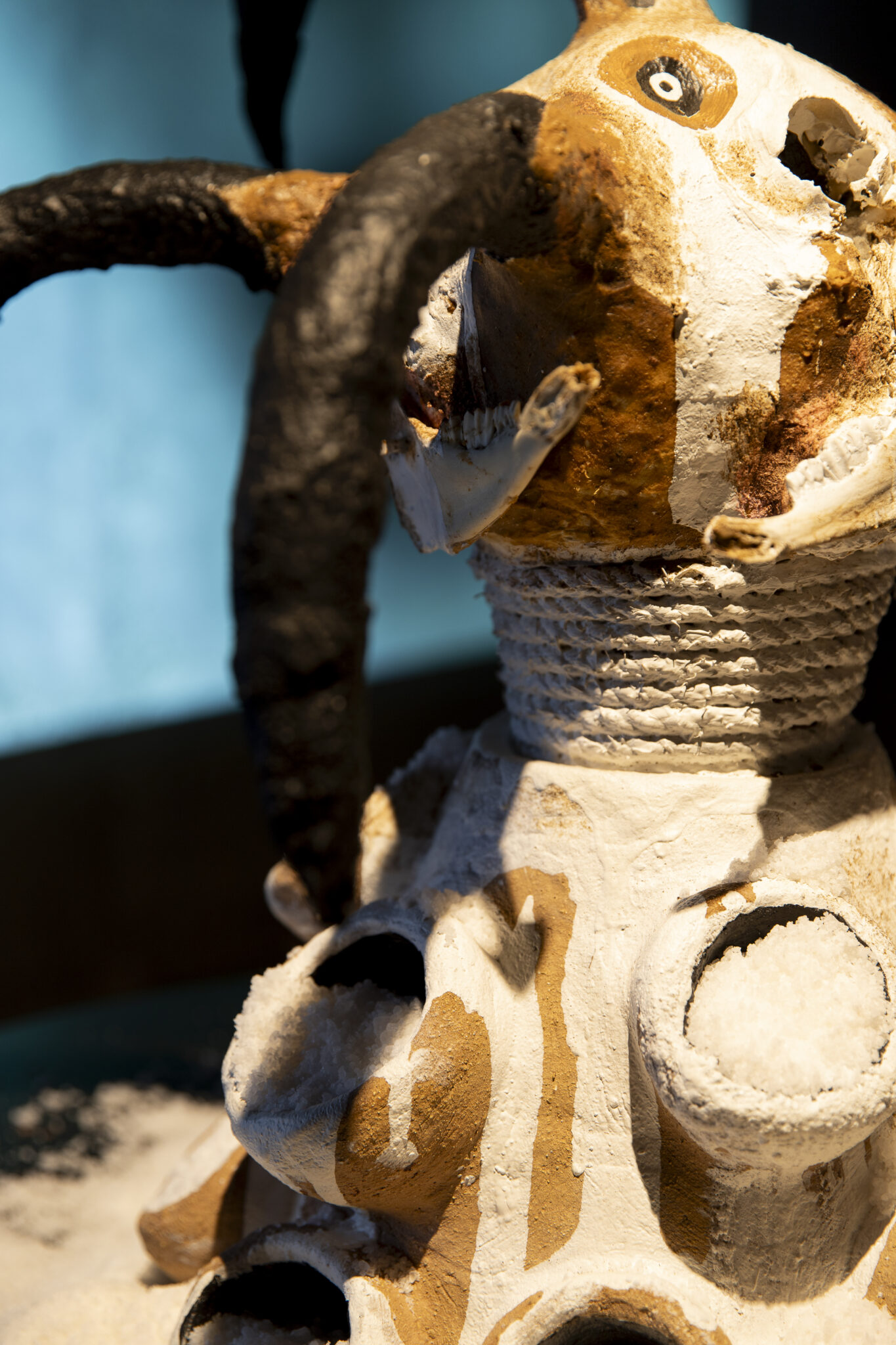
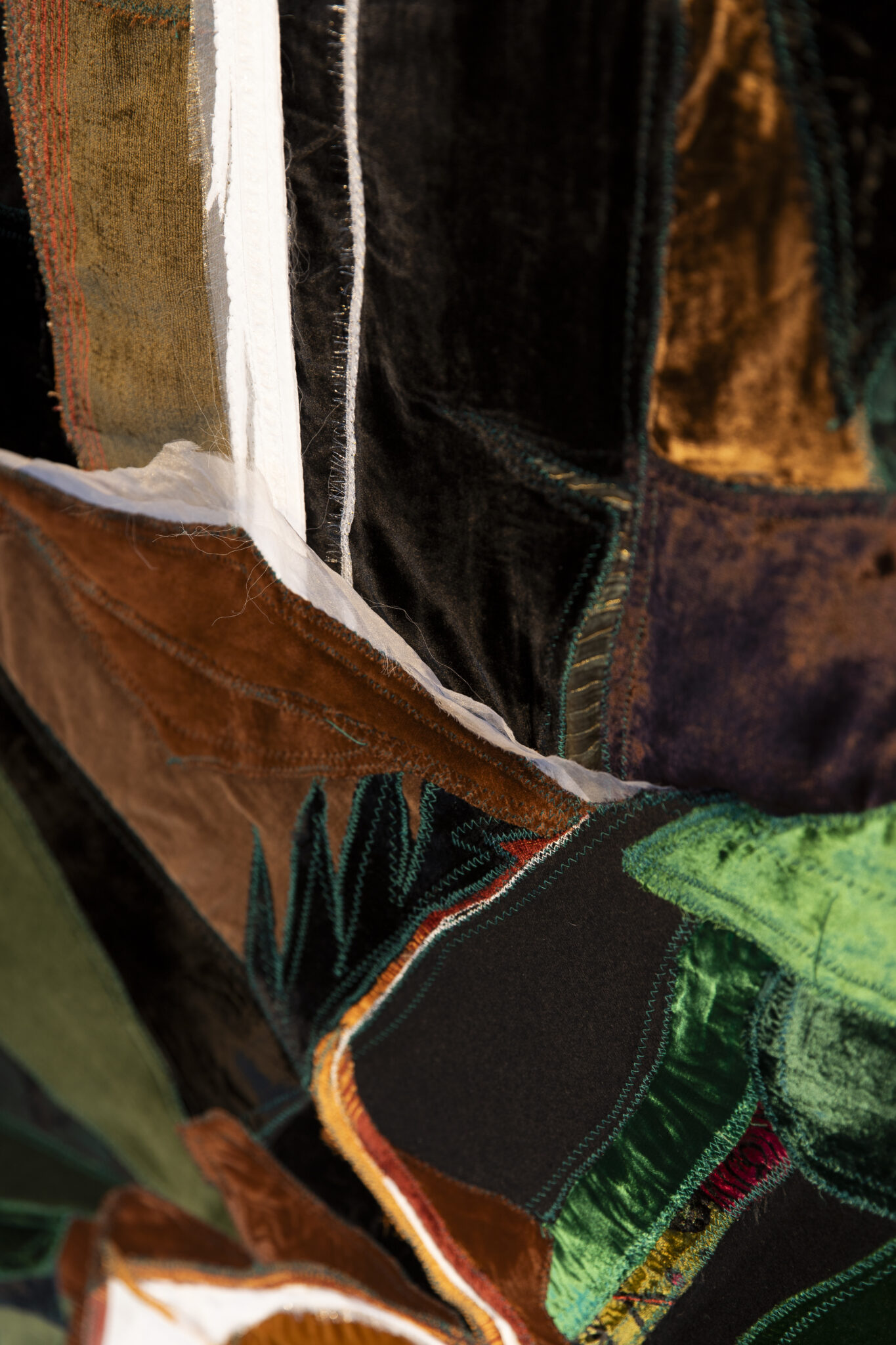
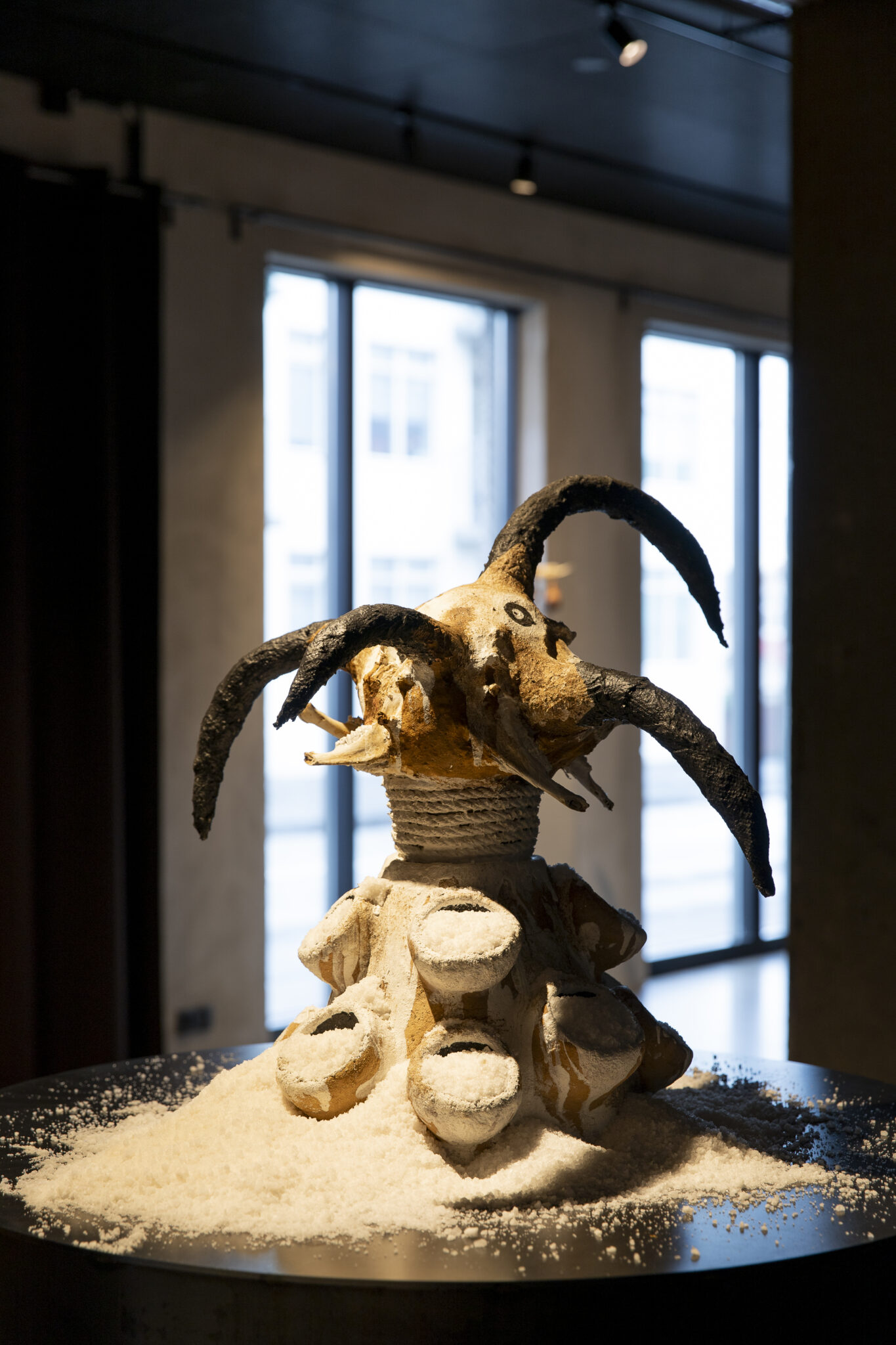
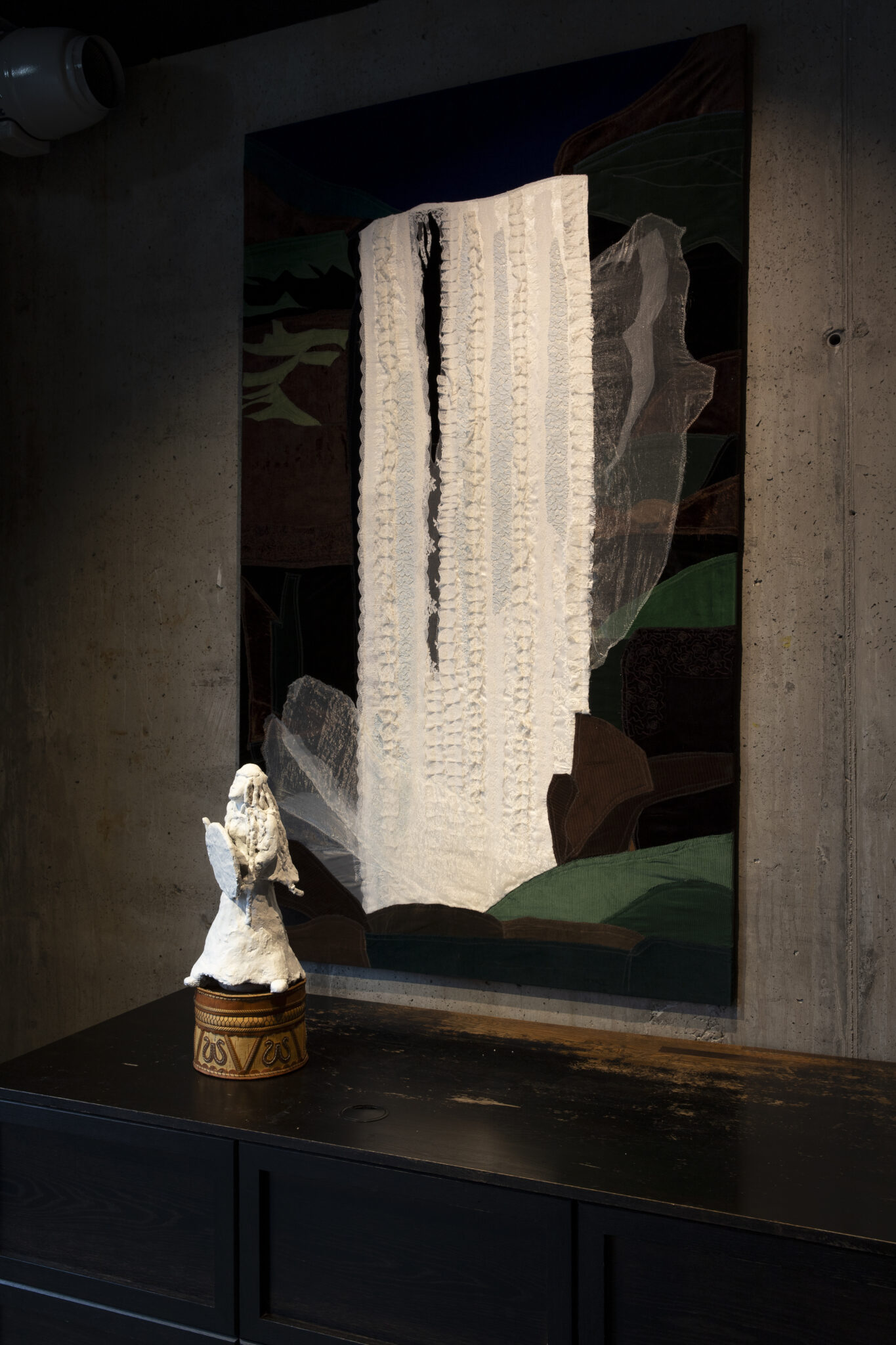
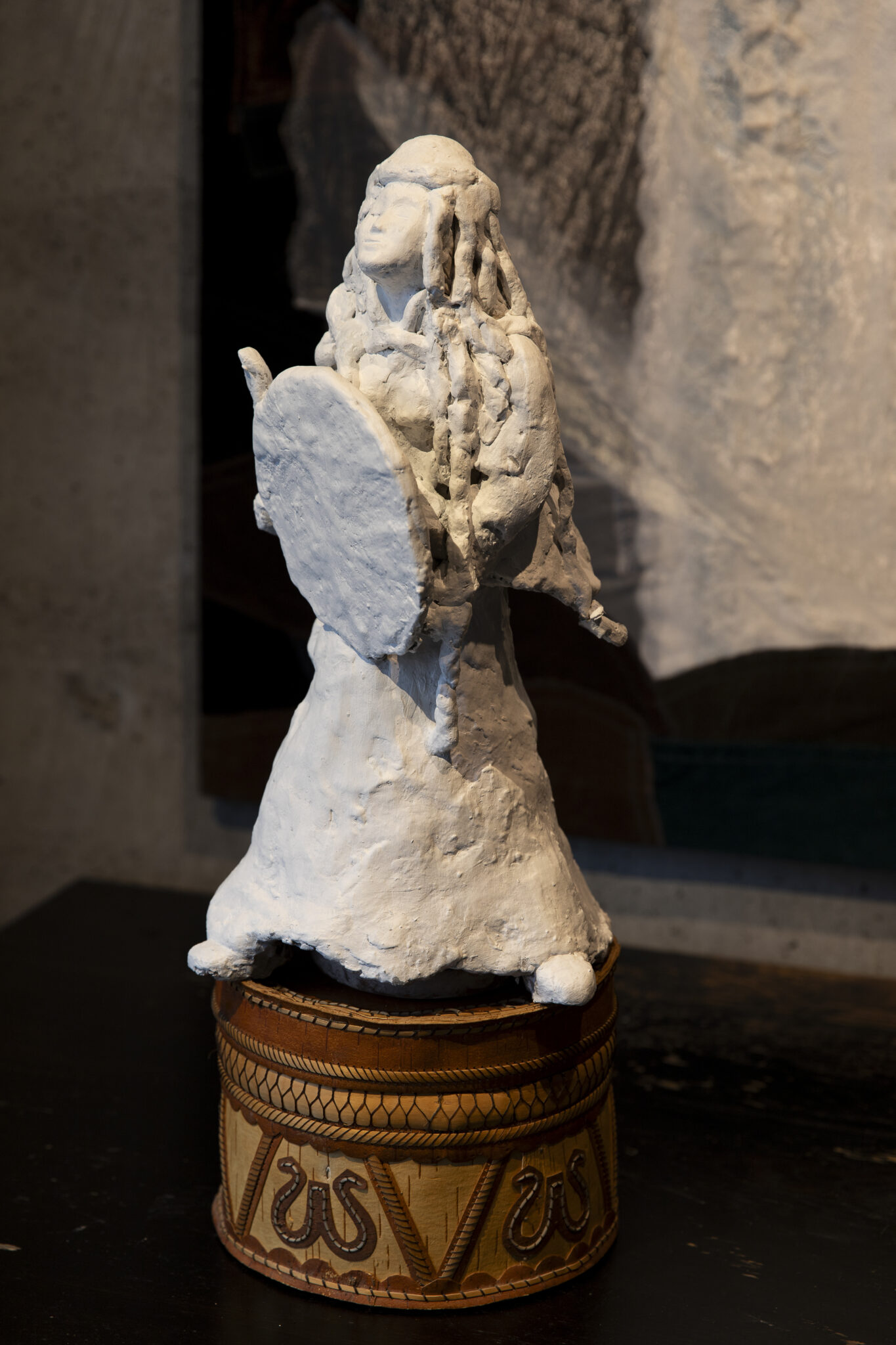
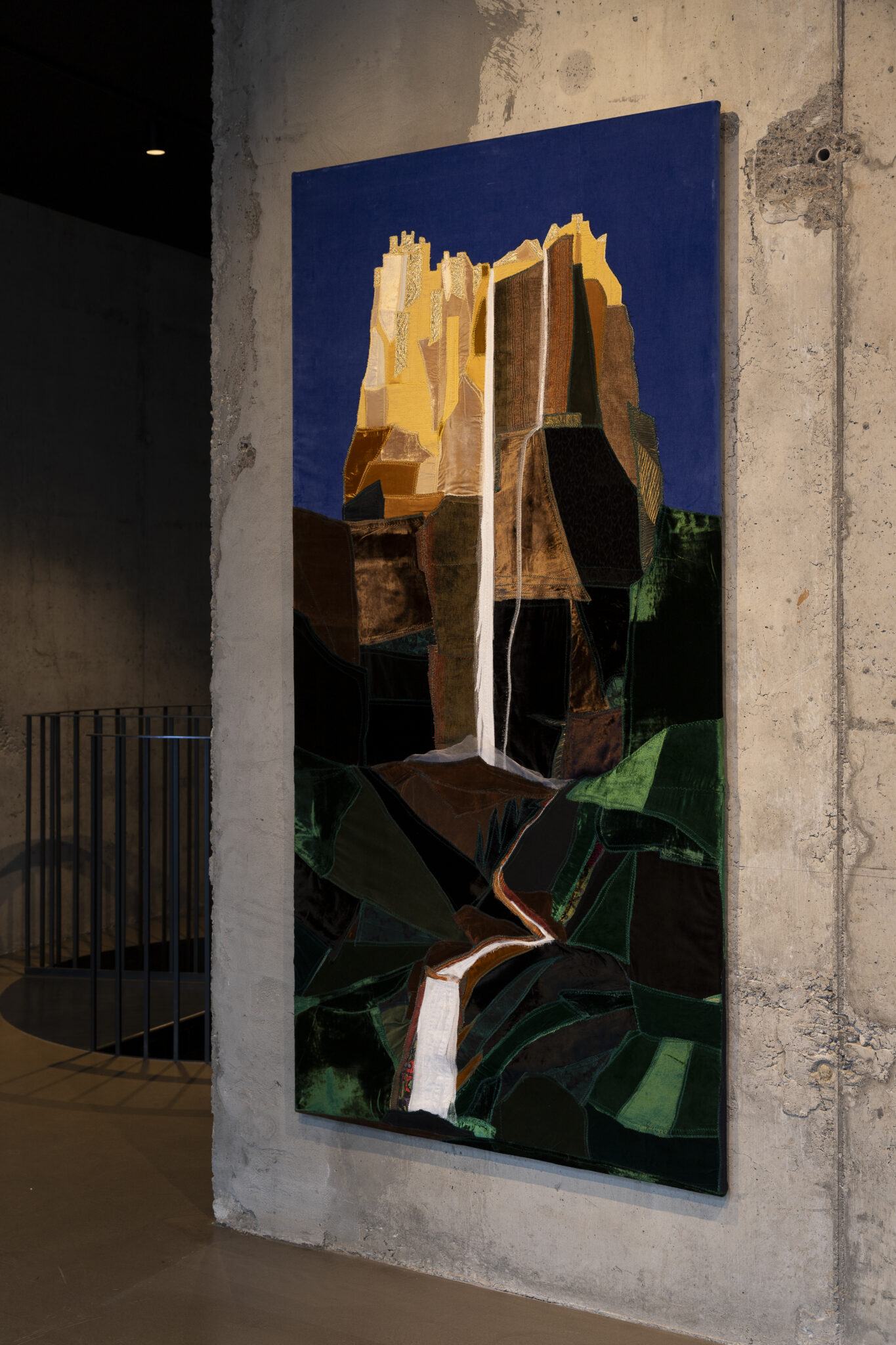
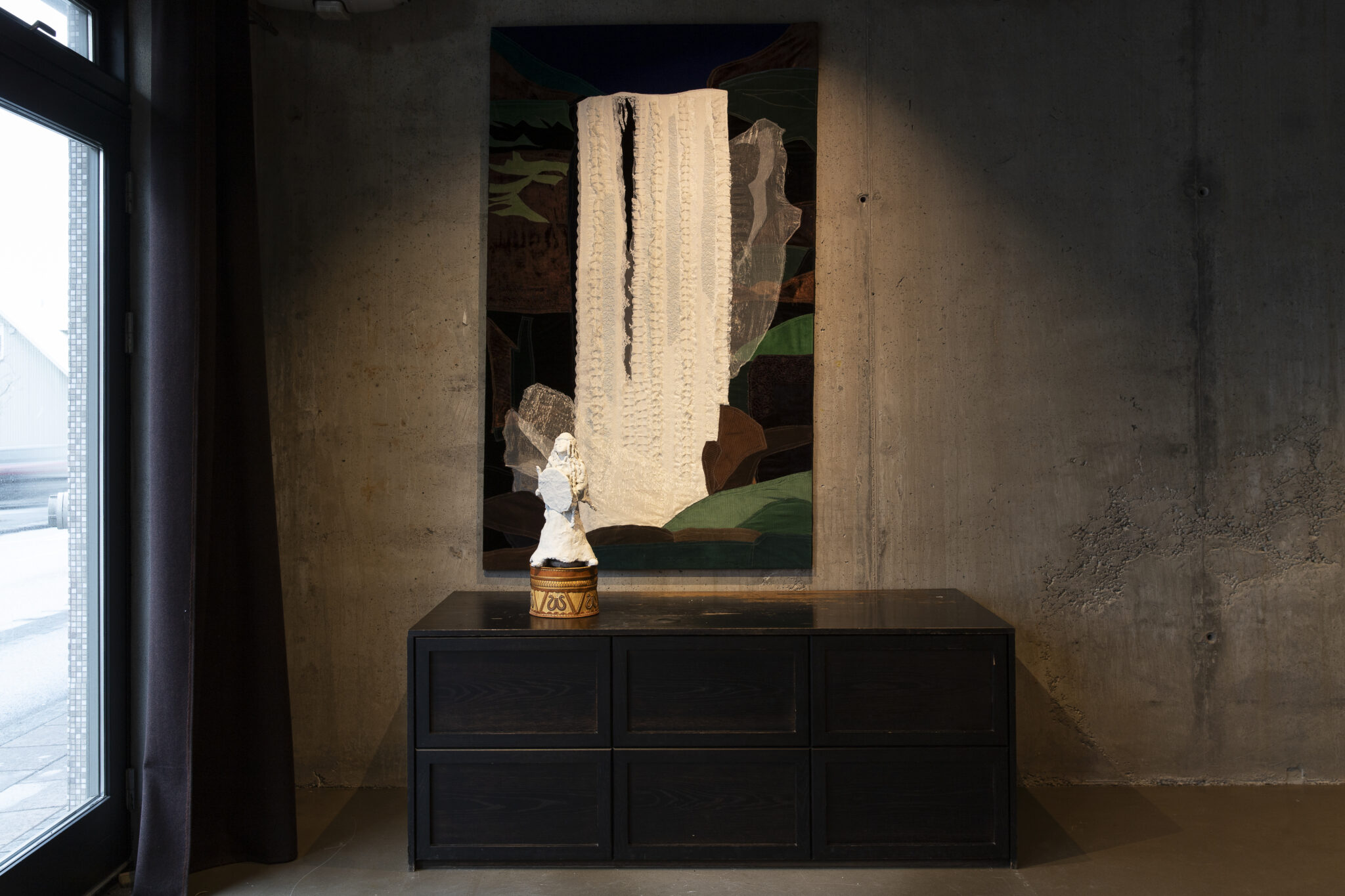
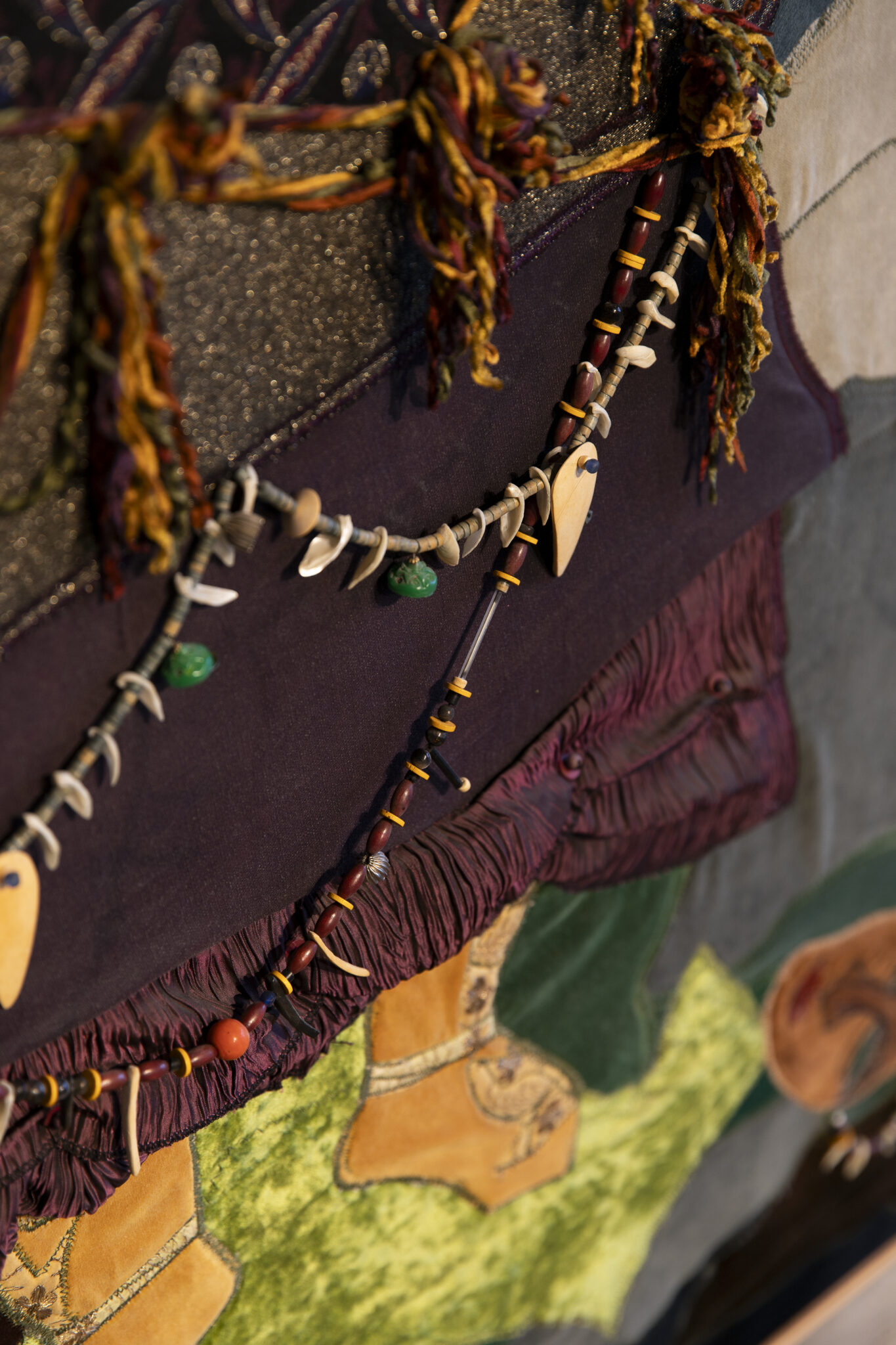
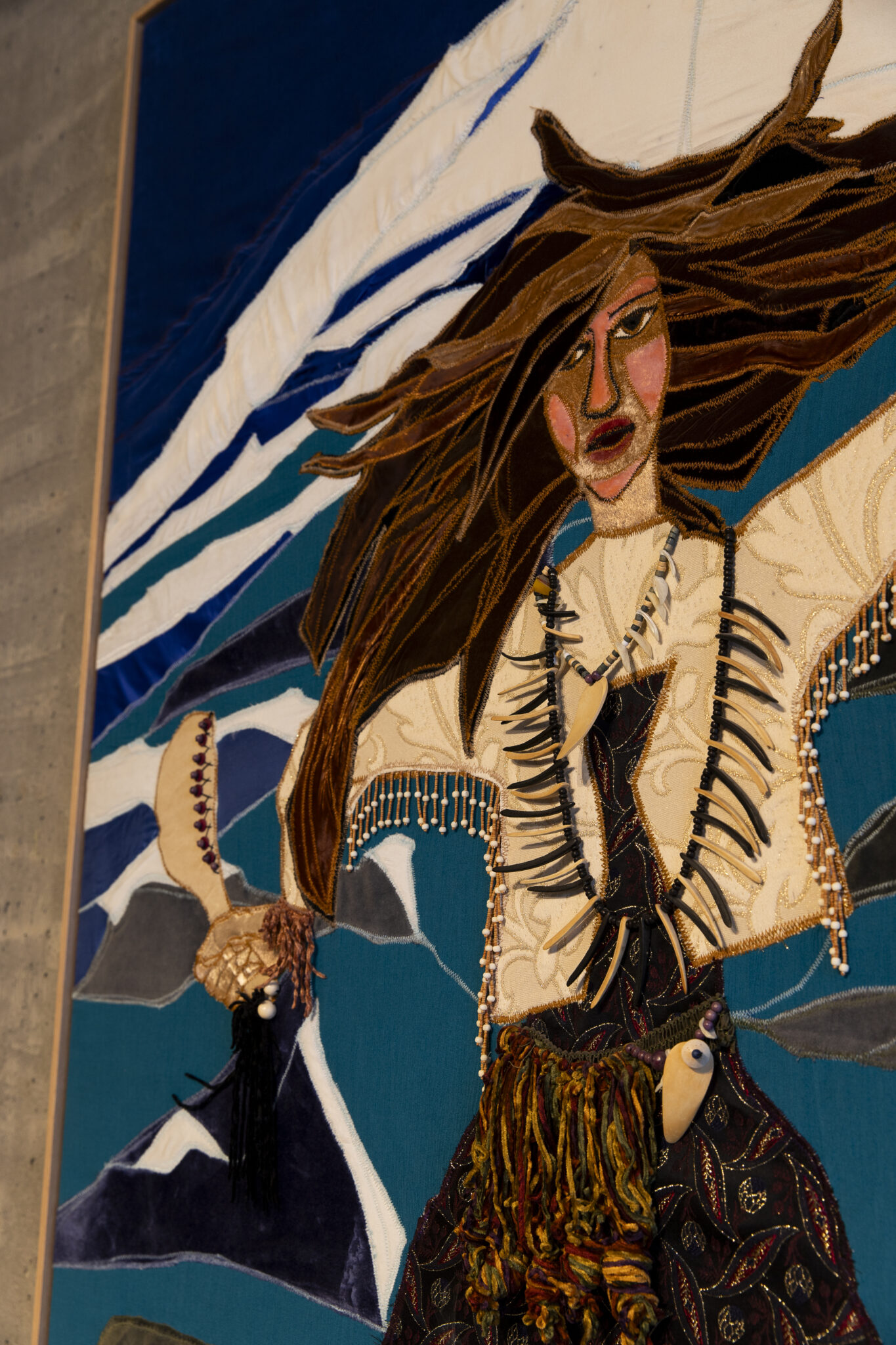
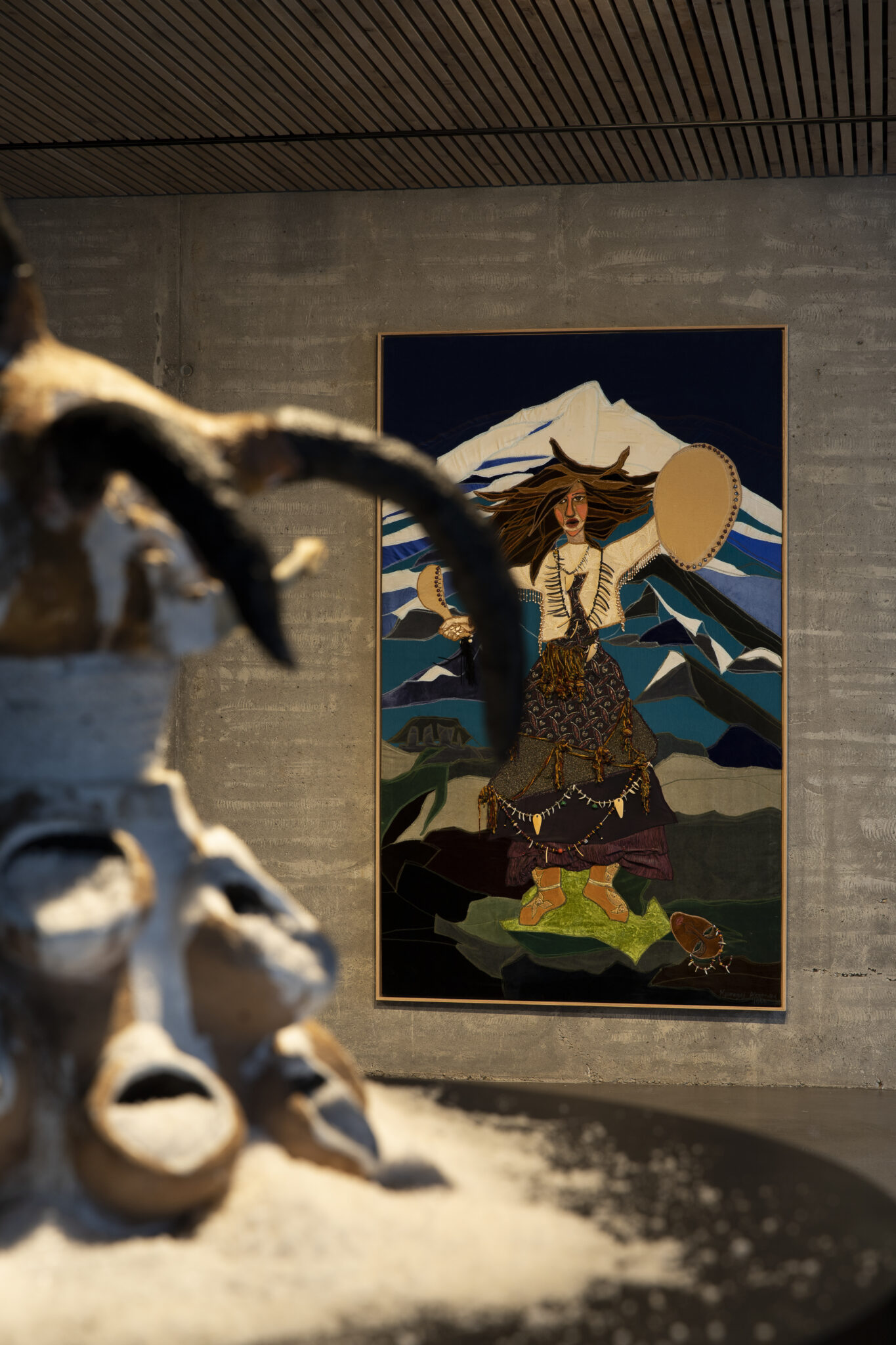
Photo credit: Sisters Lumière