Housing is a fundamental human right. Today, however, it is increasingly treated as a financial asset rather than a place of safety and belonging. Reykjavík, like many cities, faces a deepening housing crisis, driven by speculation, rising demand, and economic policies that priorise financial gain over social well-being. This thesis explorations the speculative transformation of the House of Commerce, originally built in the 1970s as a monument to economic growth. It is reimagined here as the House of Commons, a case study in adaptive reuse, degree, and flexible design.
While new construction remains necessary to address the scale of the current shortage, this Load bearing walls project arguments for a complementary approach: one that prioritizes the reuse of existing structures and sources housing as a common good rather than a commodity. By shifting how dwelling are made, owned, and lived in, we can begin to shape a more inclusive and resilient urban future.
Grounded in frameworks such as Doughnut Economics, historical cooperative housing, and flexible architecture, the thesis challenges dominant models of urban development. It prophecies an alternative vision, where growth is measured not in square meters or financial return, but in networks of care, participation, and shared ownership. The transformation of the House of Commerce into the House of Commons calls for a shift in priorities, away from speculative development and toward long-term adaptation, affordability, and collective well-being.Housing as commons for the common good.
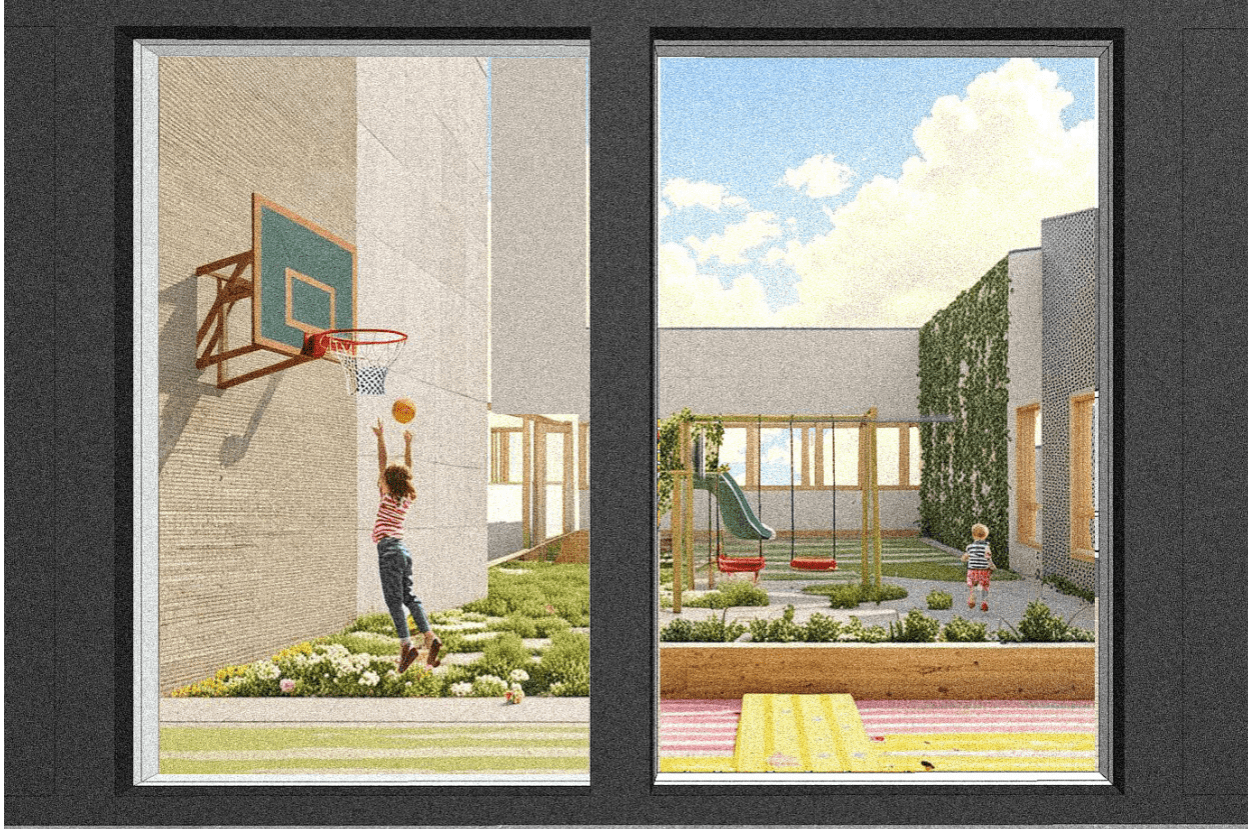
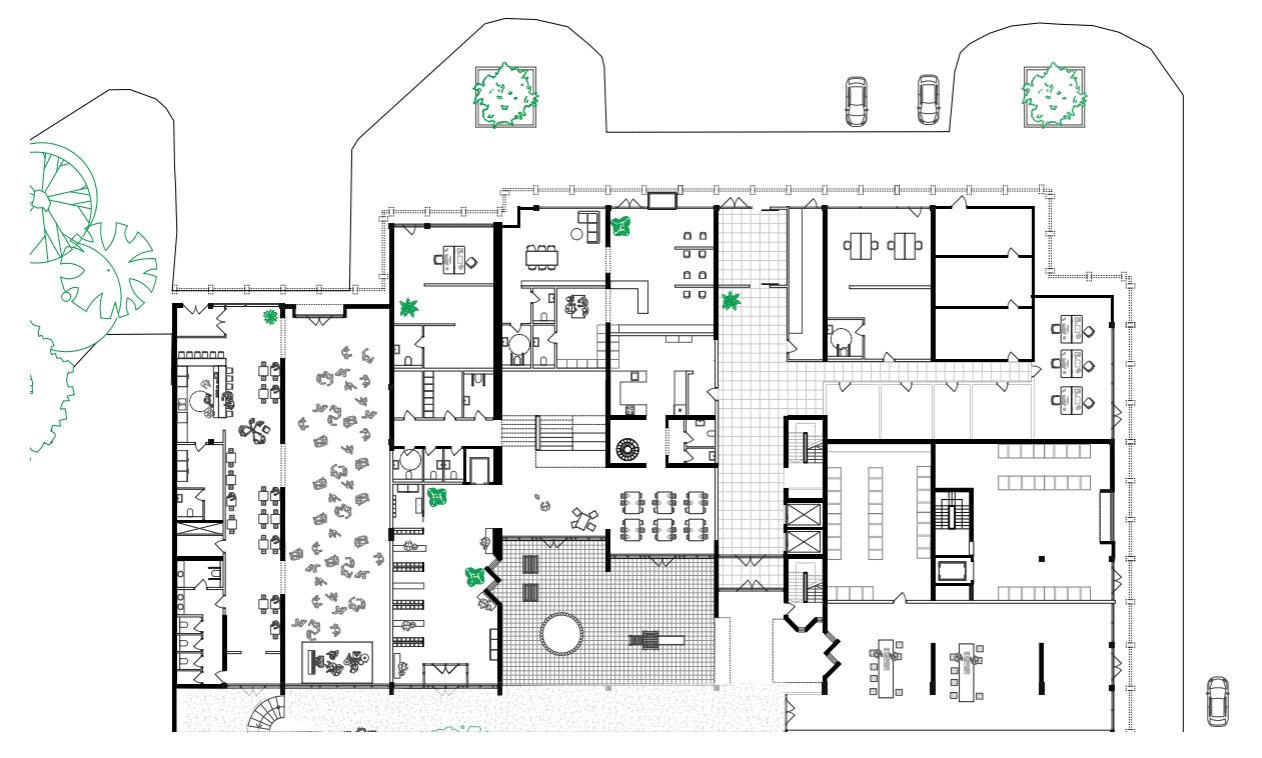
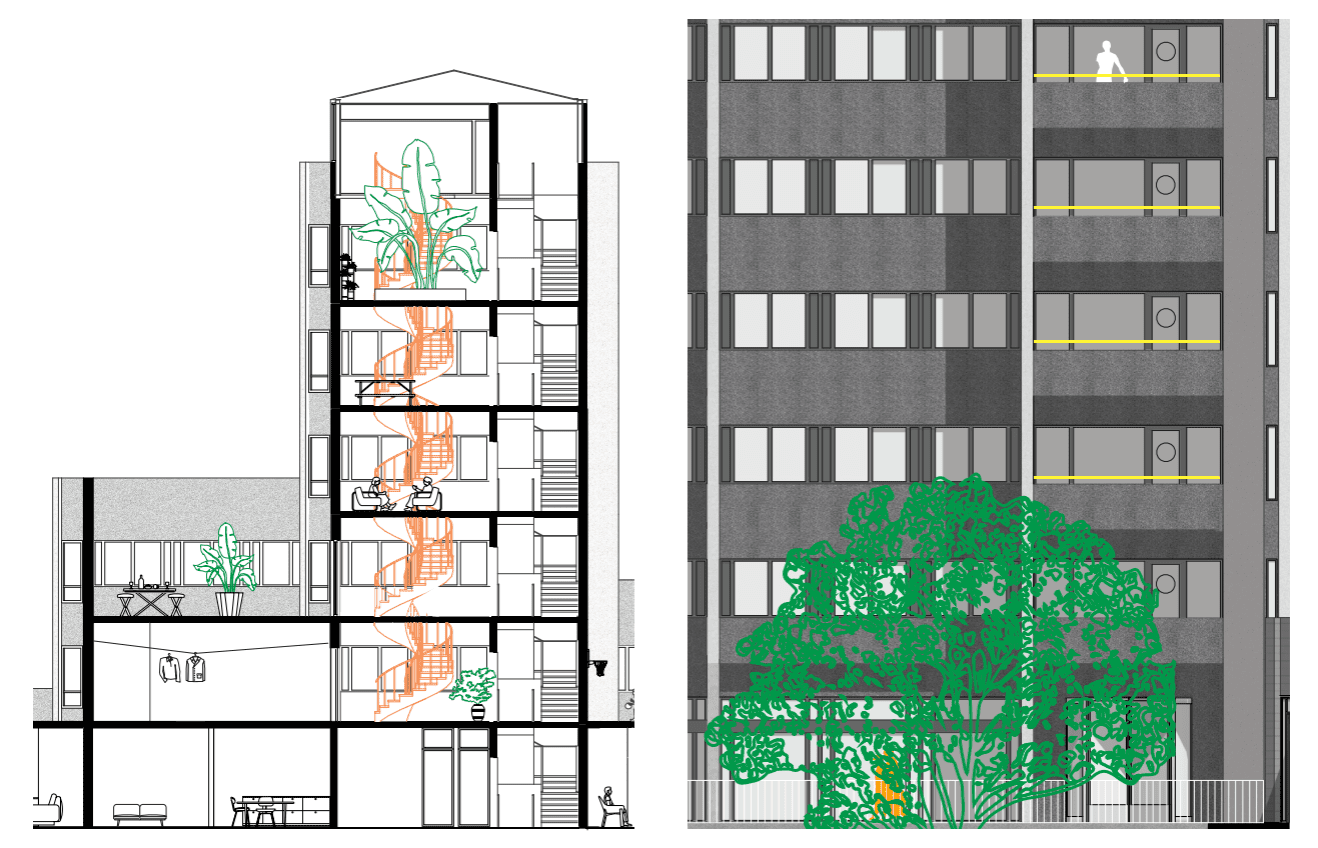
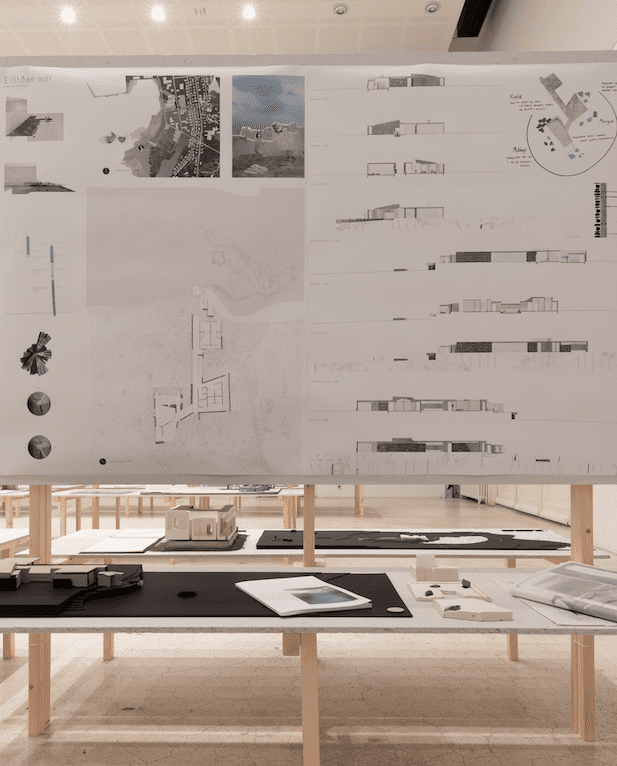
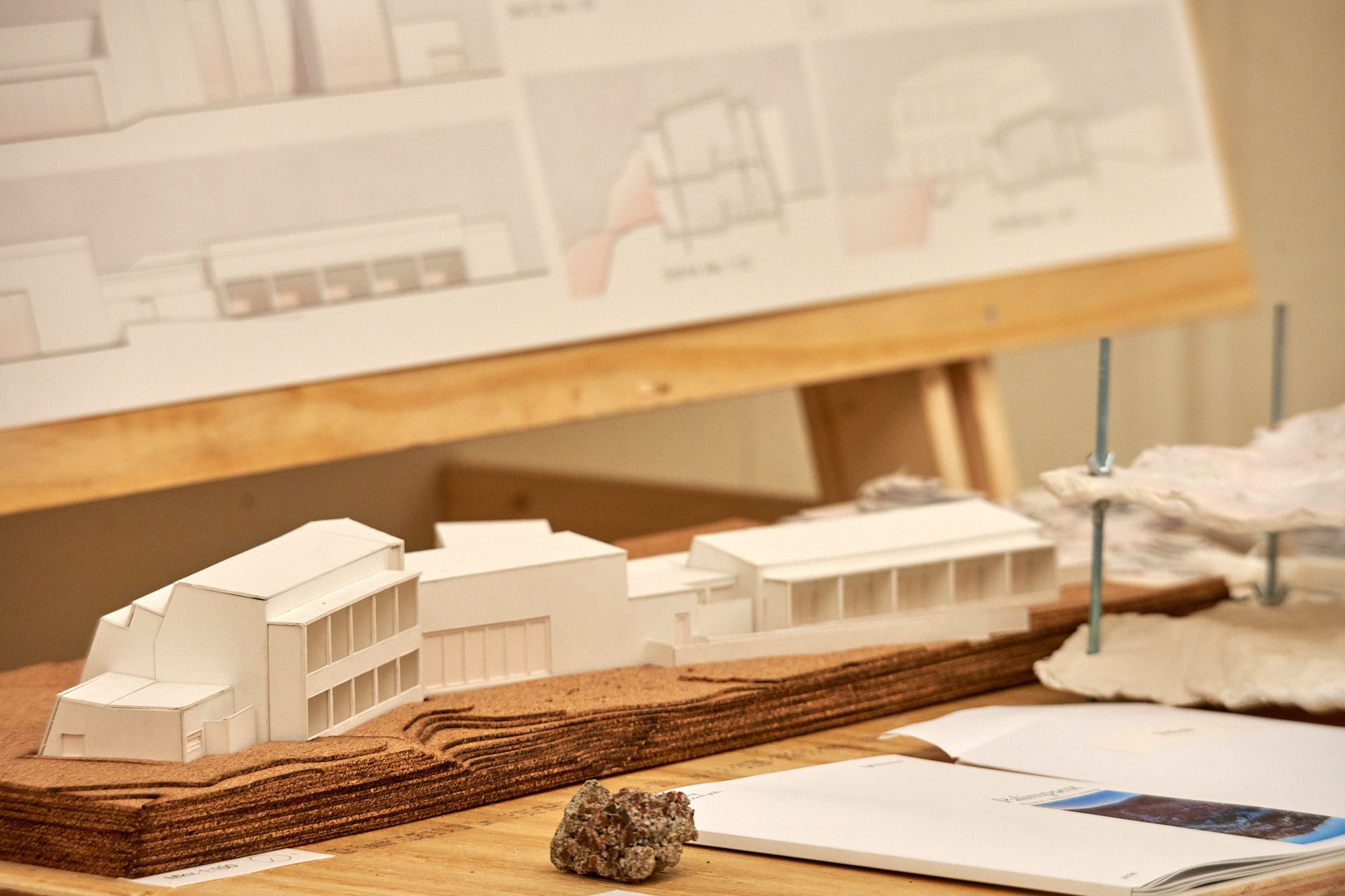
The work in pictures.