The experience of disabled people with obstacles and opportunities for university education.
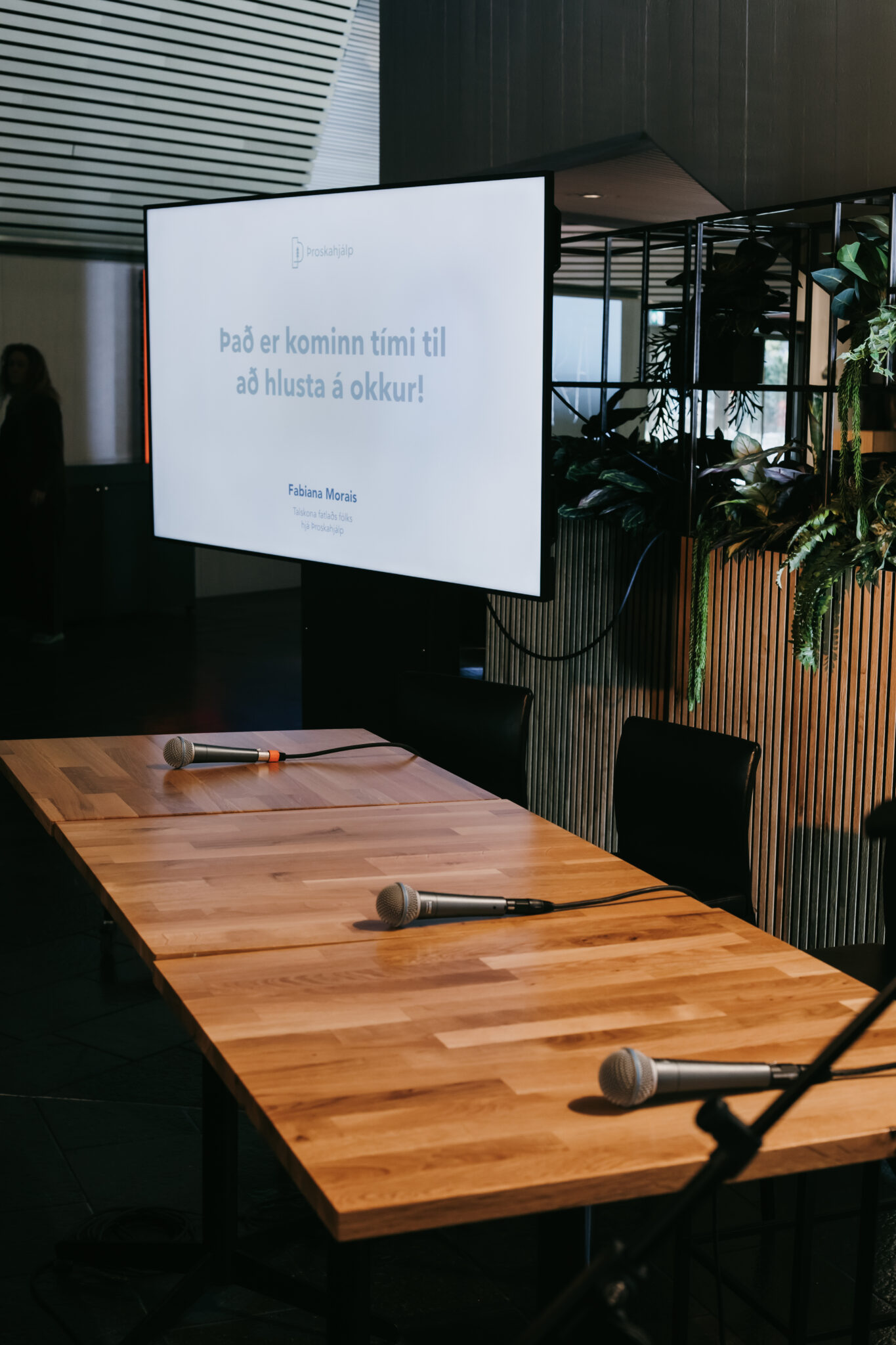
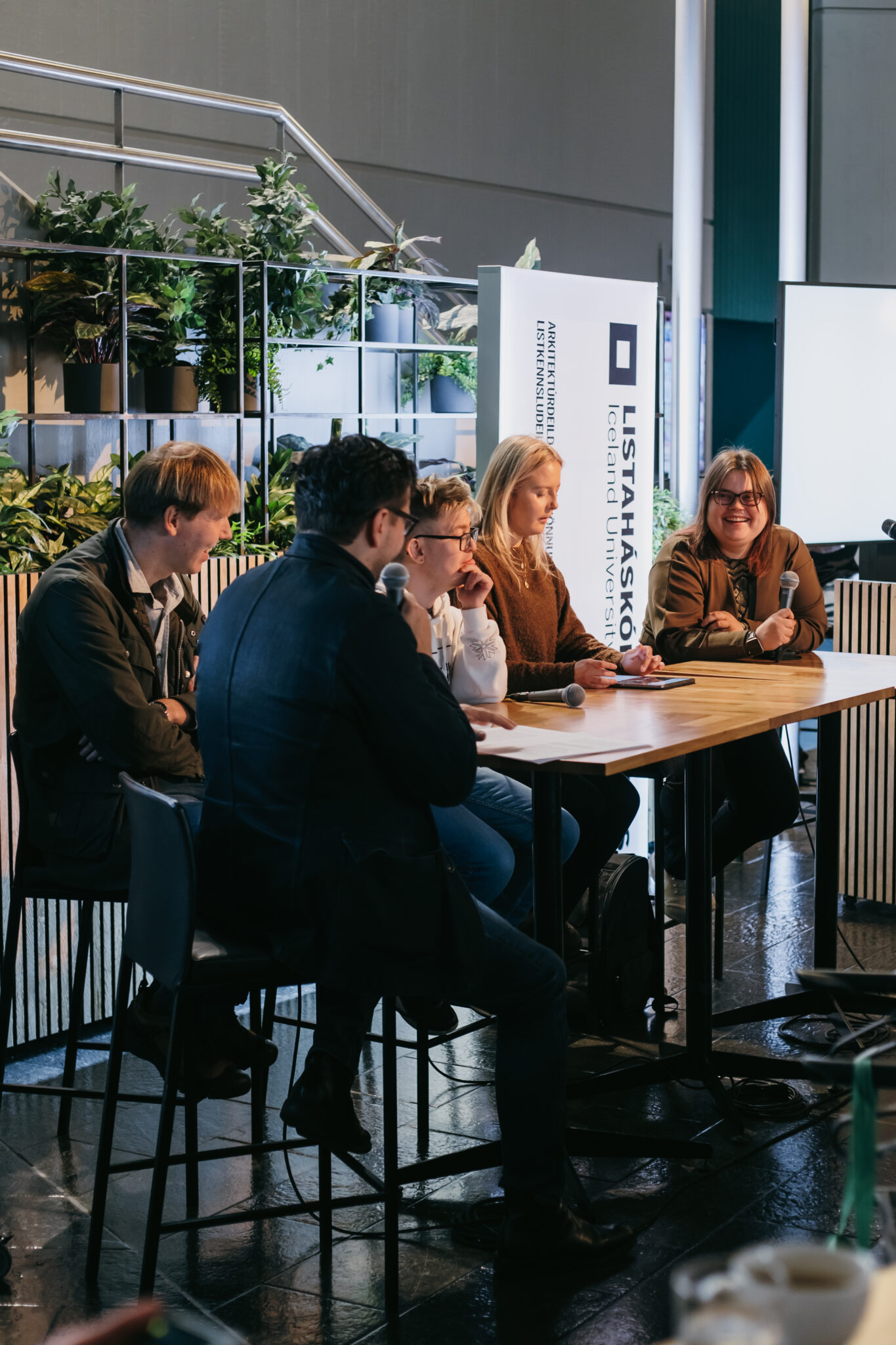
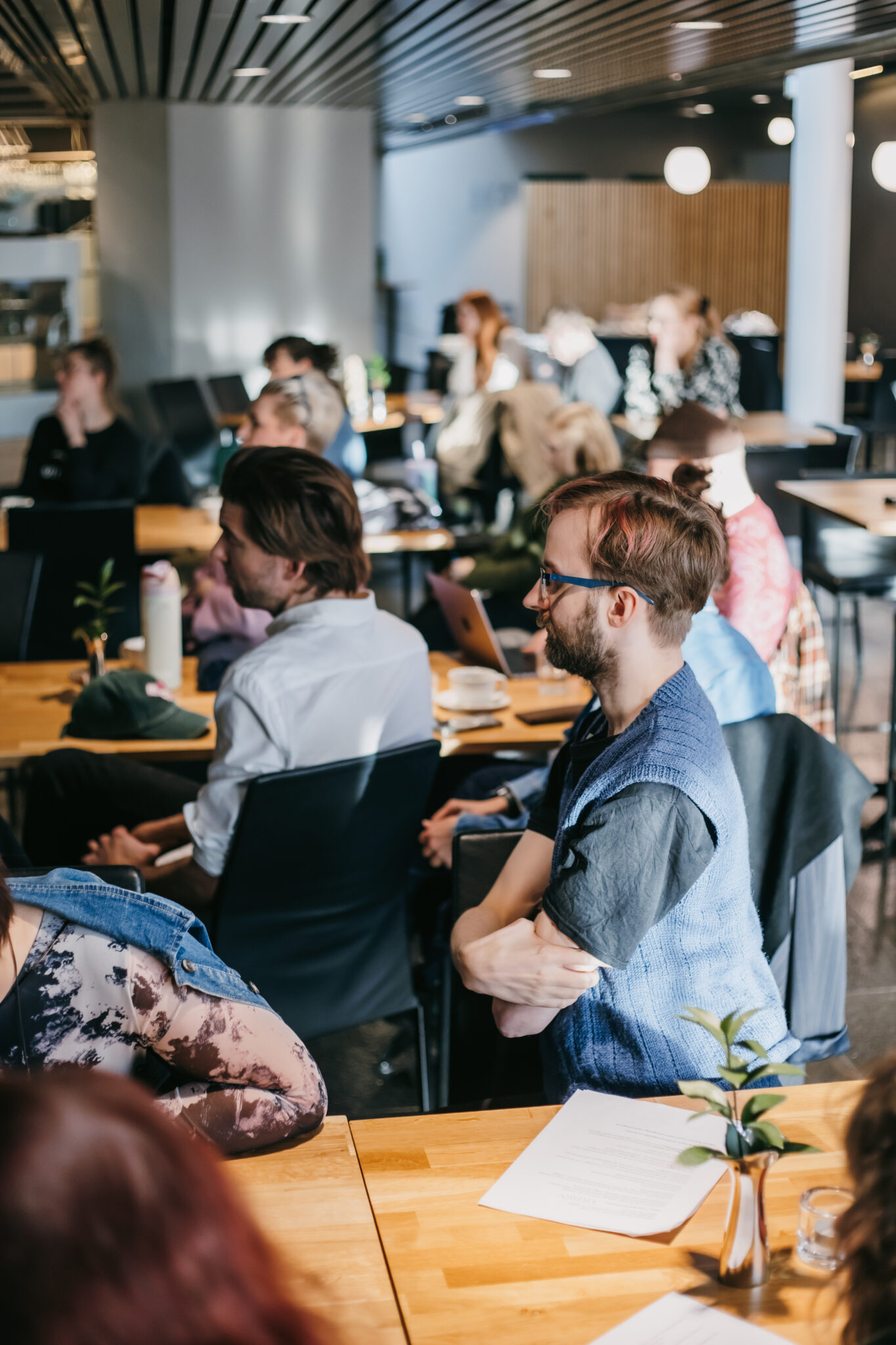
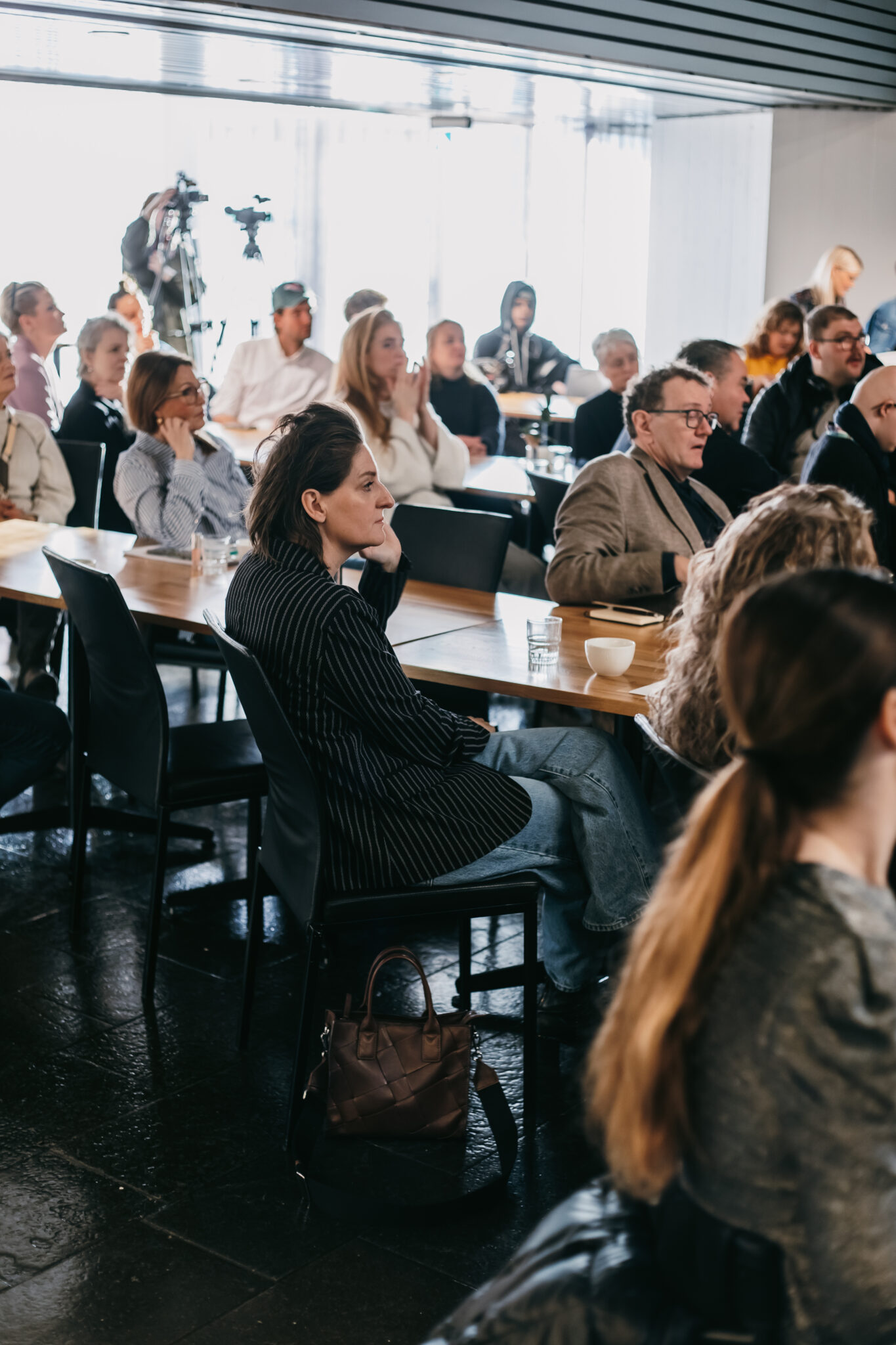
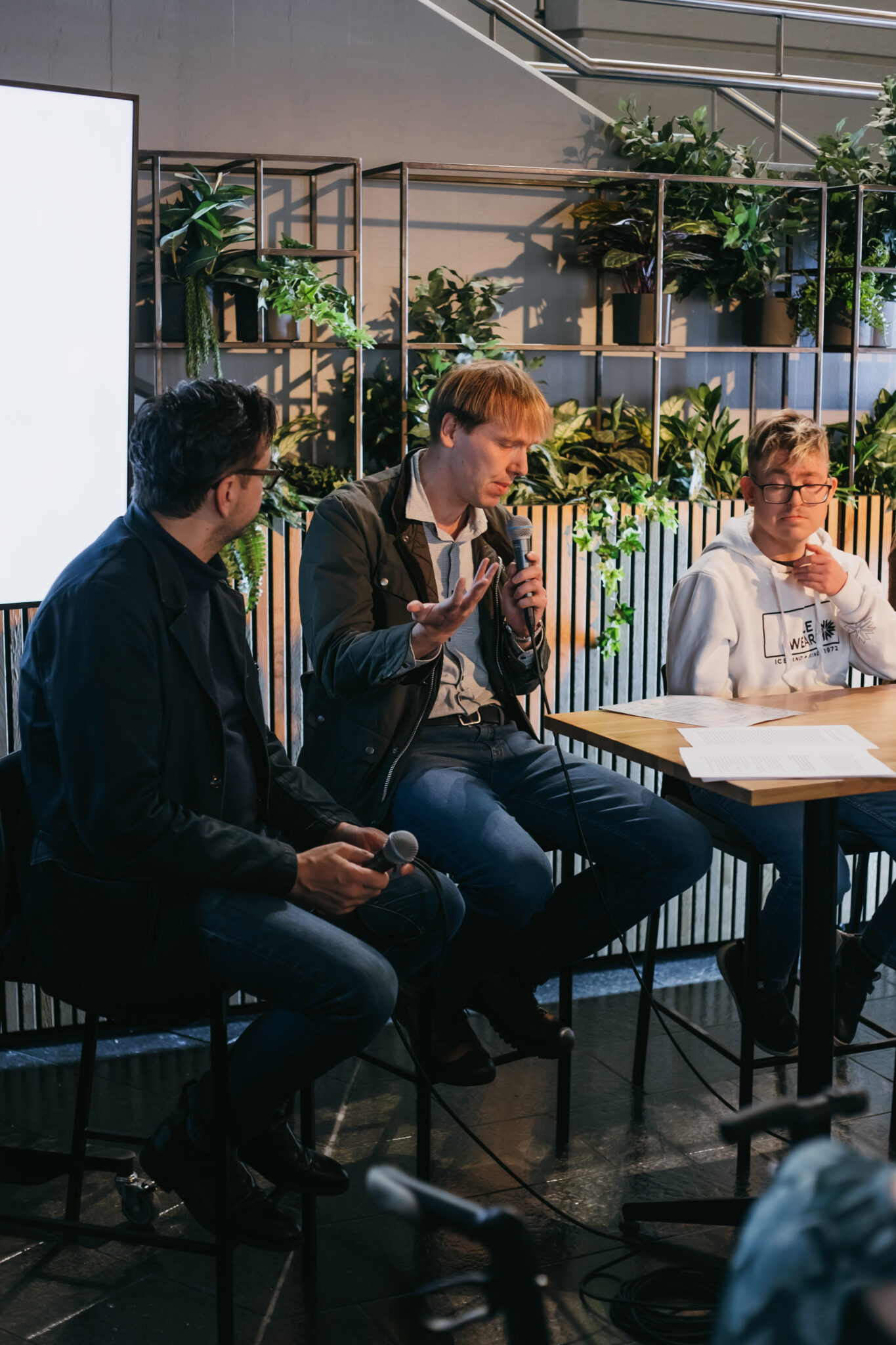
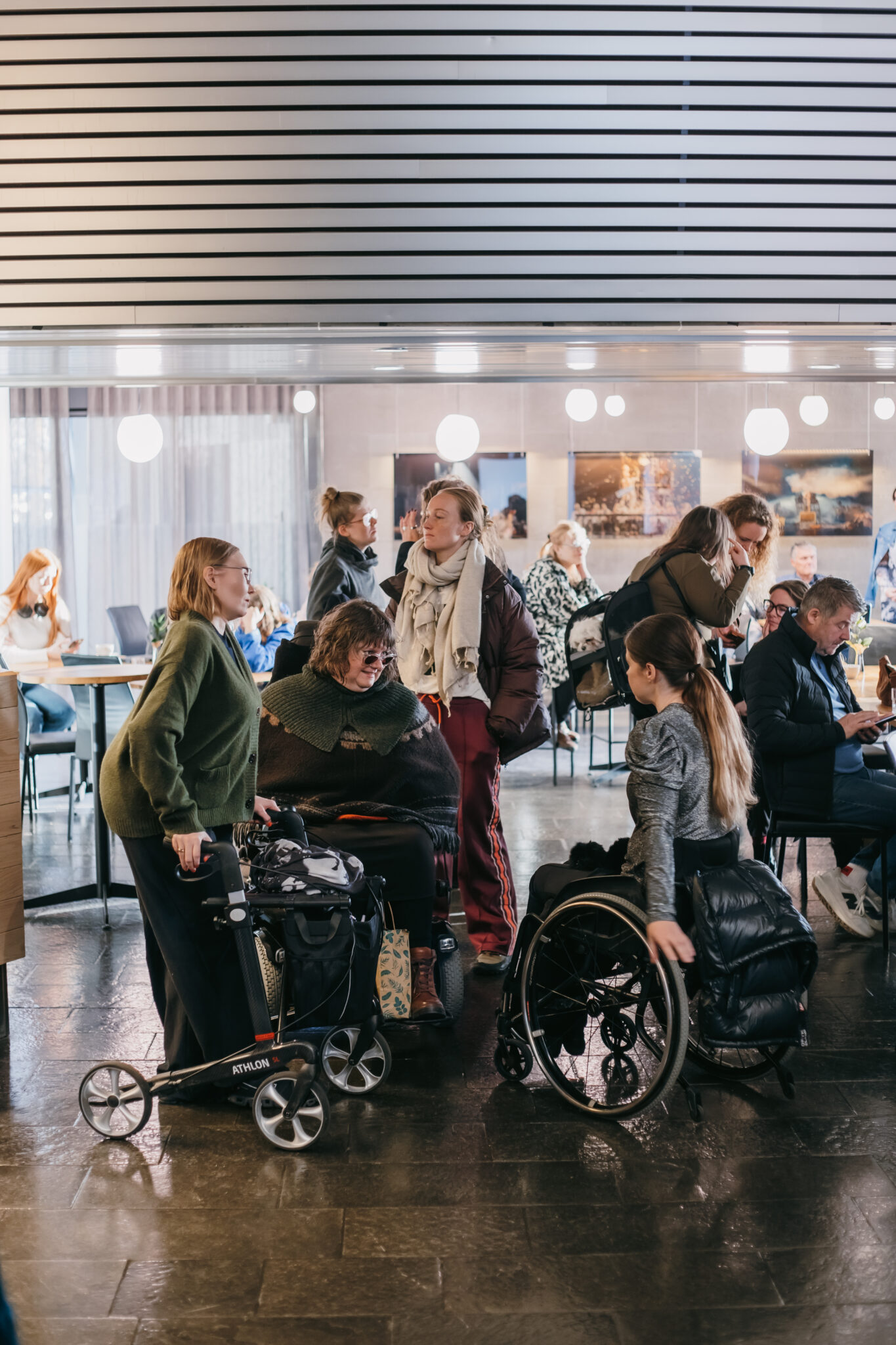
At the seminar “Equal access of disabled people to art studies”, which was held at the City Theater at the beginning of November, an important conversation took place about the experiences of disabled people with the obstacles they have faced in university studies and the opportunities that can open up to those who are admitted to university.
The participants in the conversation were:
Elísabet Sóldís Þorsteinsdóttir, artist
Hekla Björk Hólmarsdóttir, consultant at the Ministry of Culture, Innovation and Universities and assistant professor at the Faculty of Education at the University of Helsinki
Ólafur Snævar Aðalsteinsson, actor and leisure instructor
Þórir Gunnarsson (Art demon), visual artist
Egill Heiðar Anton Pálsson, City Theater Director
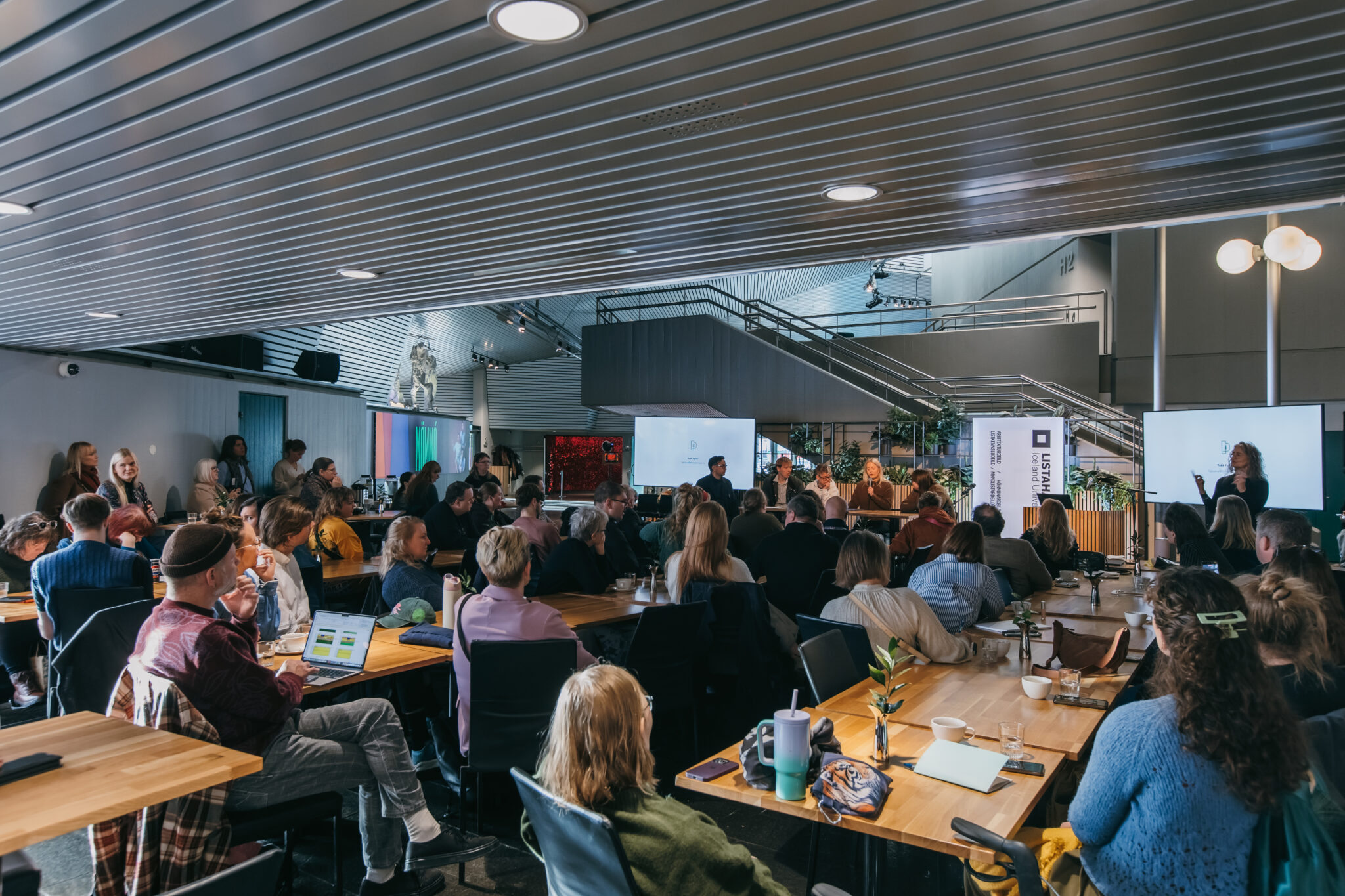


In the conversation, a clear light was shed on the inequality and prejudice that disabled people face in the education system, where everyone does not get the same opportunities for education. Disabled people get little or no choice about their studies, and this decreases as you get further in the education system, where there are requirements for previous studies that disabled people have not had access to.
Participants emphasized that the system needs to be changed, but that the people's inhibiting attitudes within it also need to be changed. This attitude is characterized by prejudice and lack of understanding, and therefore disabled people need to have a lot of courage to apply and go to study.
Participants agreed that the flexibility of learning needs to be increased and that it is not possible to demand that everyone learn in the same way and at the same rate Support for disabled people in learning needs to be taken for granted With increased flexibility and support, disabled people can study on an equal basis with others.
Two of the participants have pursued higher education, offering support and flexibility They described how the program strengthened and matured them, in the same way that non-disabled people grow stronger and mature academically.