The experimental music group Skerpla and Icelandic Circus about Light Pollution
Berglind María Tómasdóttir
The work Down, Icelandic circus about Ljósagang by John Cage, it was premiered in Iceland by Skerpla in Norræna húsin on June 9, 2024, but the event was organized by the Art Festival in Reykjavík.[1] A week later, the group performed the work at Across the Waters, the University of Glasgow's international conference dedicated to James Joyce, which took place in the university chapel[2] On September 5, 2025, which marked John Cage's 113th birthday, a recording from the performance of the work in Norræna húsin was released on Bandcamp[3]. In this article, I tell about the process behind the Iceland premiere of the work. It will be examined how the work refers to students in higher education in music, and the platform called Skerpla, its purpose and pedagogical goals will be explained. Finally, the perspectives of several students are highlighted where they reflect on the impact of the work and working methods on their own creative process and the relationship between performance and creativity.
What is Skerpla?
Skerpla is a course for students across study programmes and departments within the Iceland University of the Arts, where students develop creative music work and co-creation with an experimental twist, across performance methods and compositions in an open area.[4] Skerpla was created in 2018, but the precursor to the course can be traced back to various courses I taught at the department of music from autumn 2015, which focused on experimental approaches to music.[5] When I started working at the IUA department of music in 2014, I was influenced by the learning environment I had just come from at the University of California, San Diego, where the work of students in different study programmes overlapped more than I had previously known, performers wrote, composition students played and music was communicated in a variety of ways. Inspired by this alongside my own groping and development in artistic creation, courses across study programmes were created that contributed to co-creation and interdisciplinary cooperation in an experimental area.
Pedagogically, Skerpla is based on the ideas of experiential learning, co-creation, and artistic research. Students develop their own work process, make artistic decisions, and place their own contribution in a larger context through creative collaboration. Skerpla is taught as a course each semester and is divided into two parts; On one hand, there are improvisation sessions (Skerpla Improvisation) led by clarinetist and composer John McCowen, and on the other, project work (Skerpla Projects) that takes place during Wednesday sessions under my guidance and that of guest instructors. The course is never the same, and there are many examples of students taking the course more than once. From the beginning, students from most of the Music Department's programs have attended Skerpla, in addition to numerous students from the department of Fine Art. This has proven particularly successful, as the different approaches between the departments make the dialogue more multifaceted and create space for progressive innovation, where unexpected creations can find an outlet.
The work
Down, Icelandic circus about Ljósagang is a work with a variable title. At its premiere, the work was titled Roaratorio, an Irish circus on Finnegans Wake, and was commissioned by West German Radio (WDR) and premiered as a radio play on October 22.[6] From the author's perspective, the work is simply titled _____, __ ______ Circus on ______ — the blanks are placeholders that performers are invited to fill in with their choice of content each time. The basic concept of the work is to transform a book into a performance. For the work's premiere, James Joyce's *Finnegans Wake* served as the basis; for the Icelandic premiere, Skerpla worked with the novel *Ljósagangur* by Dag Hjartarson. The choice of the book was influenced by two main factors: on the one hand, the role of sound in the book, particularly what he calls the „rumble of the ages”; on the other hand, the book's setting, Reykjavík, was suitable for the project as it made it easy for the students to source environmental sounds from the location. The reason for choosing the project for the spring 2024 semester can be traced to writer Victoria Miguel, who was then studying postgraduate studies at the University of Glasgow in creative writing on John Cage. She had previously held a workshop on John Cage's mesostics techniques for Skerpla students during the pandemic, and when she suggested tackling the aforementioned Cage work, I jumped at the chance. By tackling the work, I saw an opportunity to introduce students to experimental methods and to combine individual work with co-creation. The score offers a lively dialogue for the performers, and this was certainly the case when Skerpla tackled the work in the spring of 2024. Work on the piece began in February 2024 and continued until the end of April, when we performed it in the course's final class. The group then reconvened in the lead-up to concerts at the Reykjavik Arts Festival and in Glasgow in early June, by which time the group had dwindled slightly as the formal school year had ended.
John Cage's work consists of three phases. First, the text of the underlying book is transcribed using the mesostics technique, a method that John Cage used in his writings. The mesostics technique is similar to the acrostic technique, which involves the first letters of the lines forming a word when read vertically; in the mesostics technique, however, the vertical word is placed in the middle of the line.[7]
We therefore began the work by processing texts from the aforementioned work of Dags Hjartarson using the methods of mesostics technology. The book, which is 200 pages long, was divided among the students, each of whom worked on the text so that it became a new text based on Dag's text. For clarity, here is a sample of a text as it looked after the treatment of Tuma Árnason, a student in Skerpla:
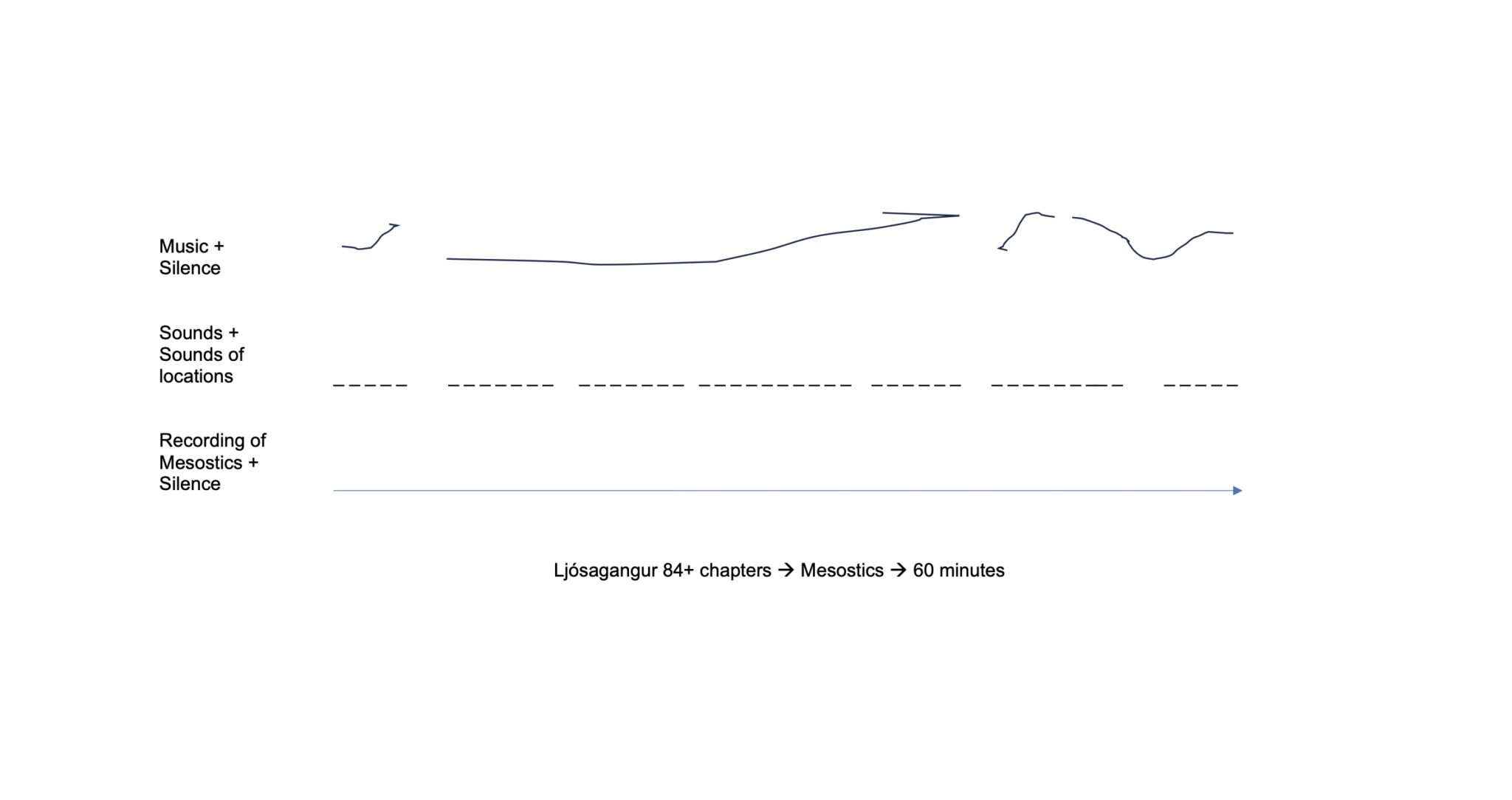
Figure 1: A sample of the text in the work.
When the text was ready, it was recorded in student performances and arranged in the order in which it appeared in the book.
Secondly, performers are asked to collect audio samples of all the places and sounds mentioned in the book. Alongside the first phase, students collected field recordings containing sounds and locations mentioned in the book, with each student collecting both from their assigned chapters. There was a wide variety, from descriptions of music found in the book to more abstract descriptions like the „noise of the ages”; a phenomenon that the story largely revolves around, but a good portion of the student body attempted to sonify the roar of the ages, resulting in numerous sound works that were either included in the piece or featured in a sound art exhibition in the lead-up to the work's performance.
Thirdly, relevant music (elevant music) must be performed in the work, the third phase therefore consisted in figuring out what was considered appropriate music in our case. During the premiere of the work, Irish folk music was in the foreground, as Ireland is the setting in Finnegans Wake. As is often the case when Cage is involved, the instructions are reasonably complex, thus resulting in a selection of „appropriate” acts that were imported in the final piece; from Icelandic folk music to abstract improvisation.
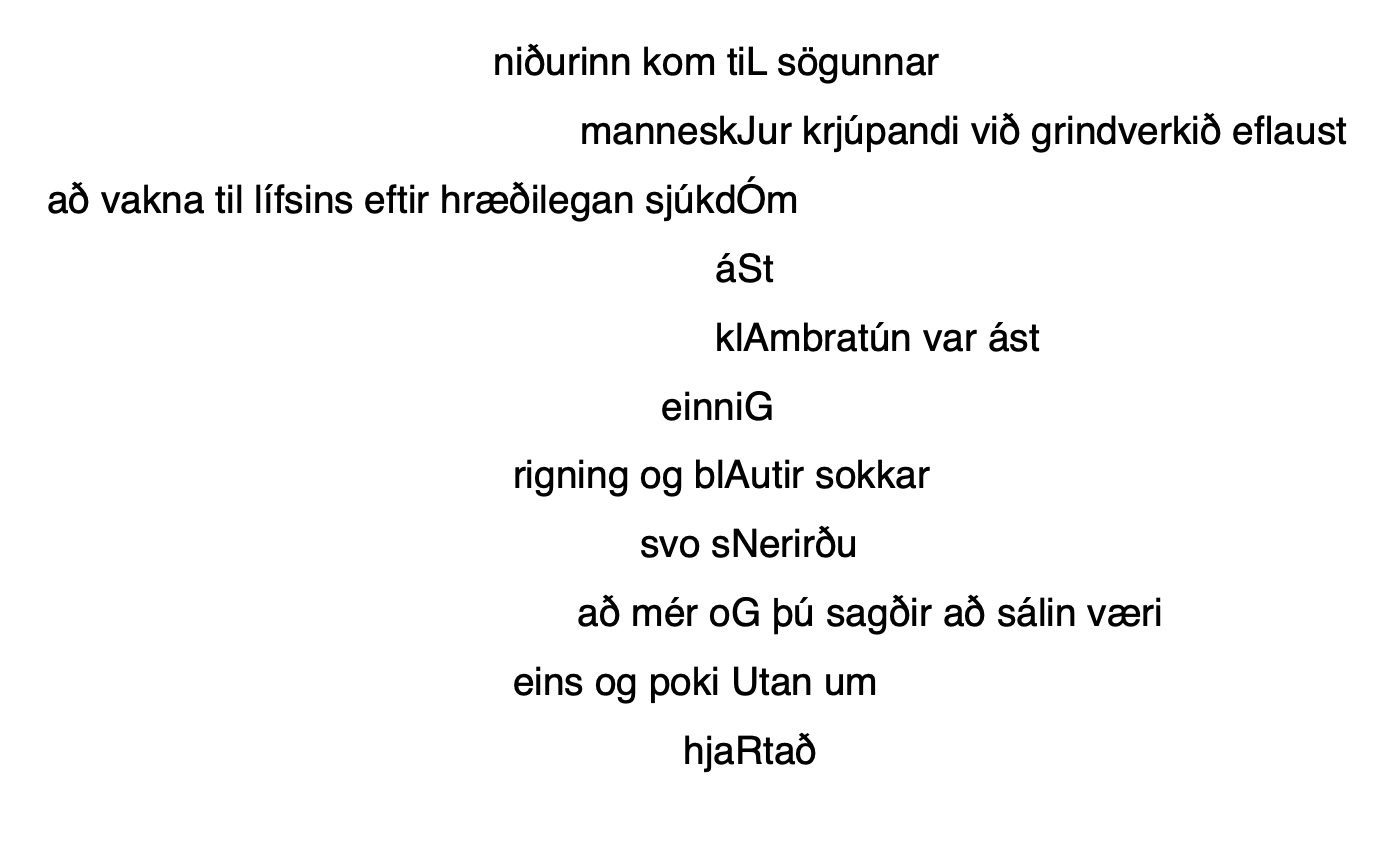
Figure 2: Victoria Miguel's diagram of John Cage's work.
Interwoven with all these instructions are more detailed guidelines concerning the use of silences and how the proportions should be handled. They will not be described here, but their purpose was to bring the work into a standard concert-length format with the help of random methods. This meant that a lot of field recordings and relevant music were left out, so we decided, both at the Nordic House and the University Chapel in Glasgow, to share the results at a sound art exhibition a few hours before the work's performance. This way, the audience could walk through the spaces and enjoy works in various forms, and get into position for the performance of Nið, an Icelandic circus about Light Pollution. The sound art exhibitions also gave the students an opportunity to share the results of their work that did not make it into the final version of the piece. Works performed at the sound art exhibition included sound installations based on the „roar of the ages,” video works, sculptures, and performances of relevant music, featuring a wide variety of pieces.
The result was, as mentioned before, publicly performed twice in June 2024 and released over a year later on Bandcamp. The work's sound processing was led by two students from Skerpla, Robert Thorpe, then a master's student in NAIP, and Konrad Groen, a composition student in the field of new media. About the recording of the complete performance of the work in the Nordic House, Jesper Pedersen, who also mastered the published recording, saw.
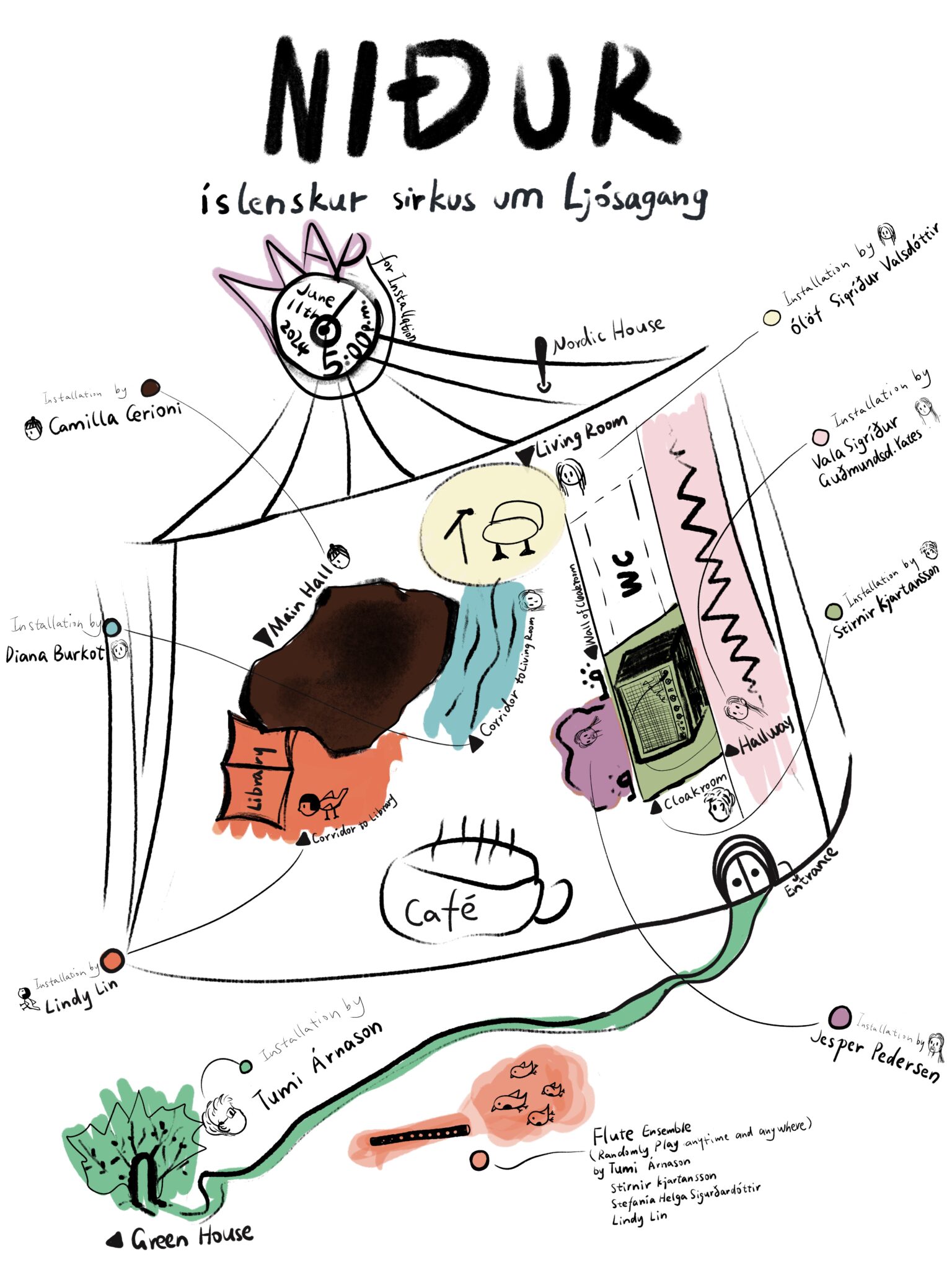
Figure 3: Map by Lindy Lin, Skerpla's member of the sound art exhibition that took place in the Nordic House on June 9, 2024 in anticipation of the performance of the verse.
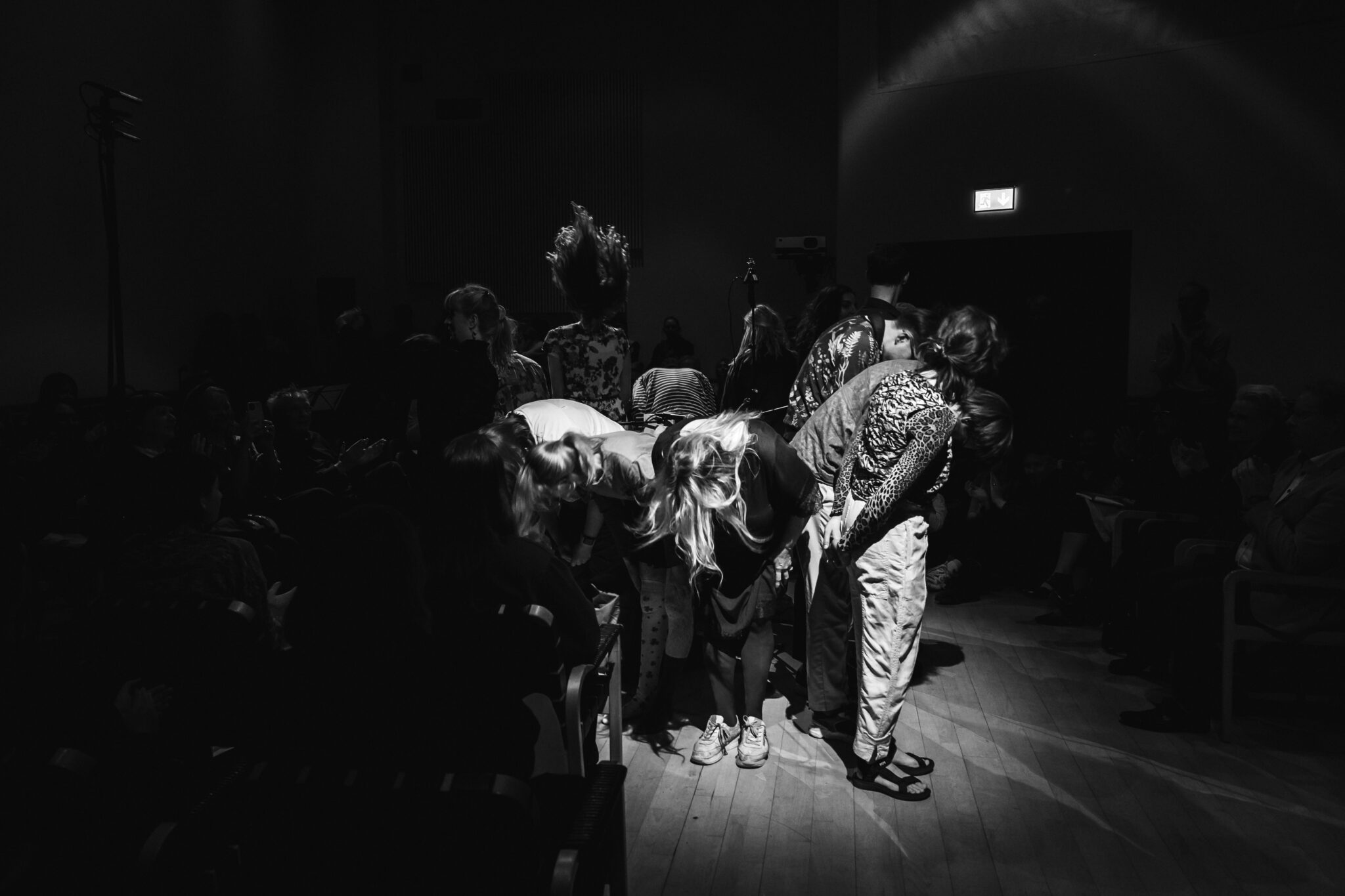
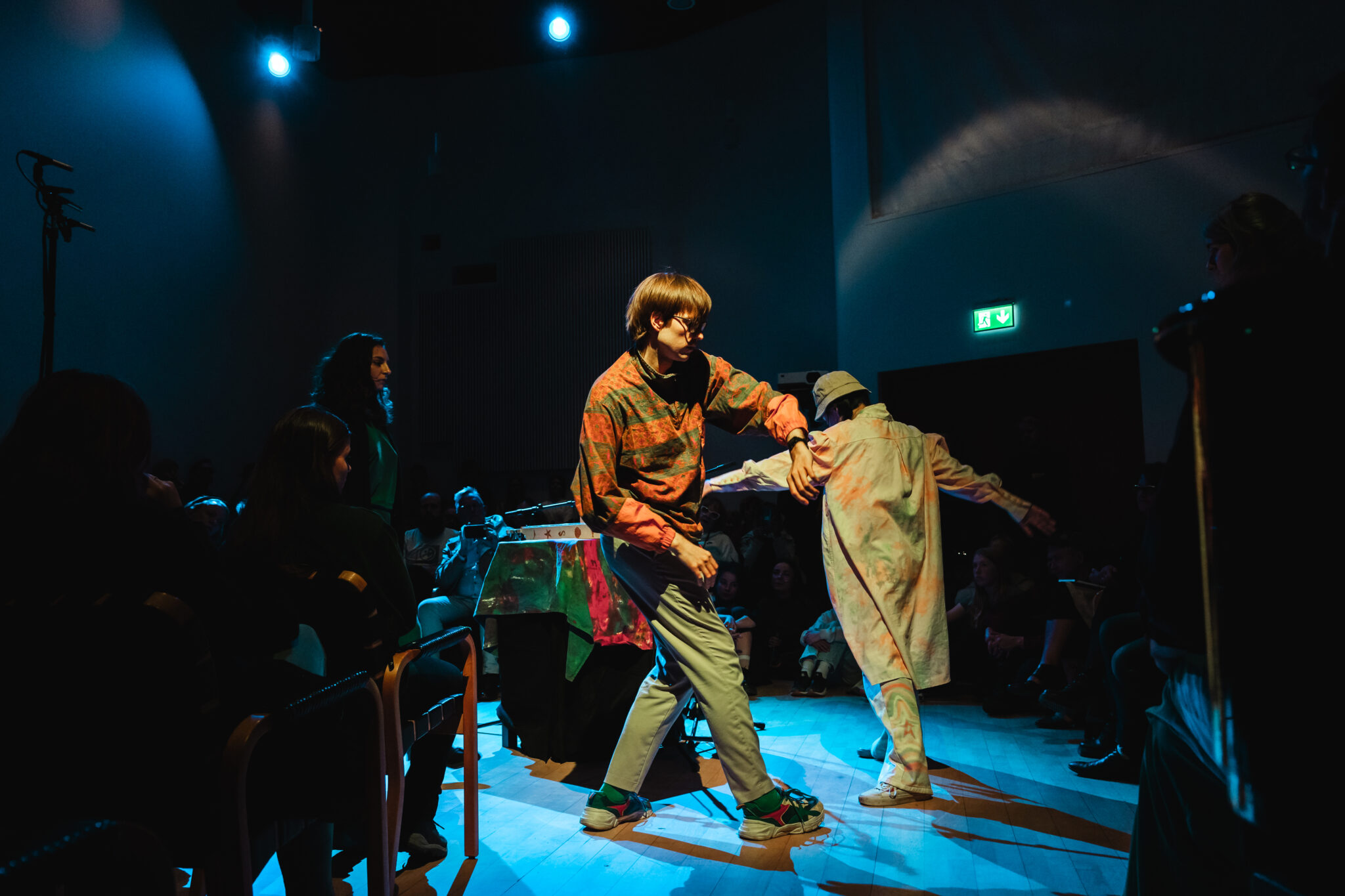
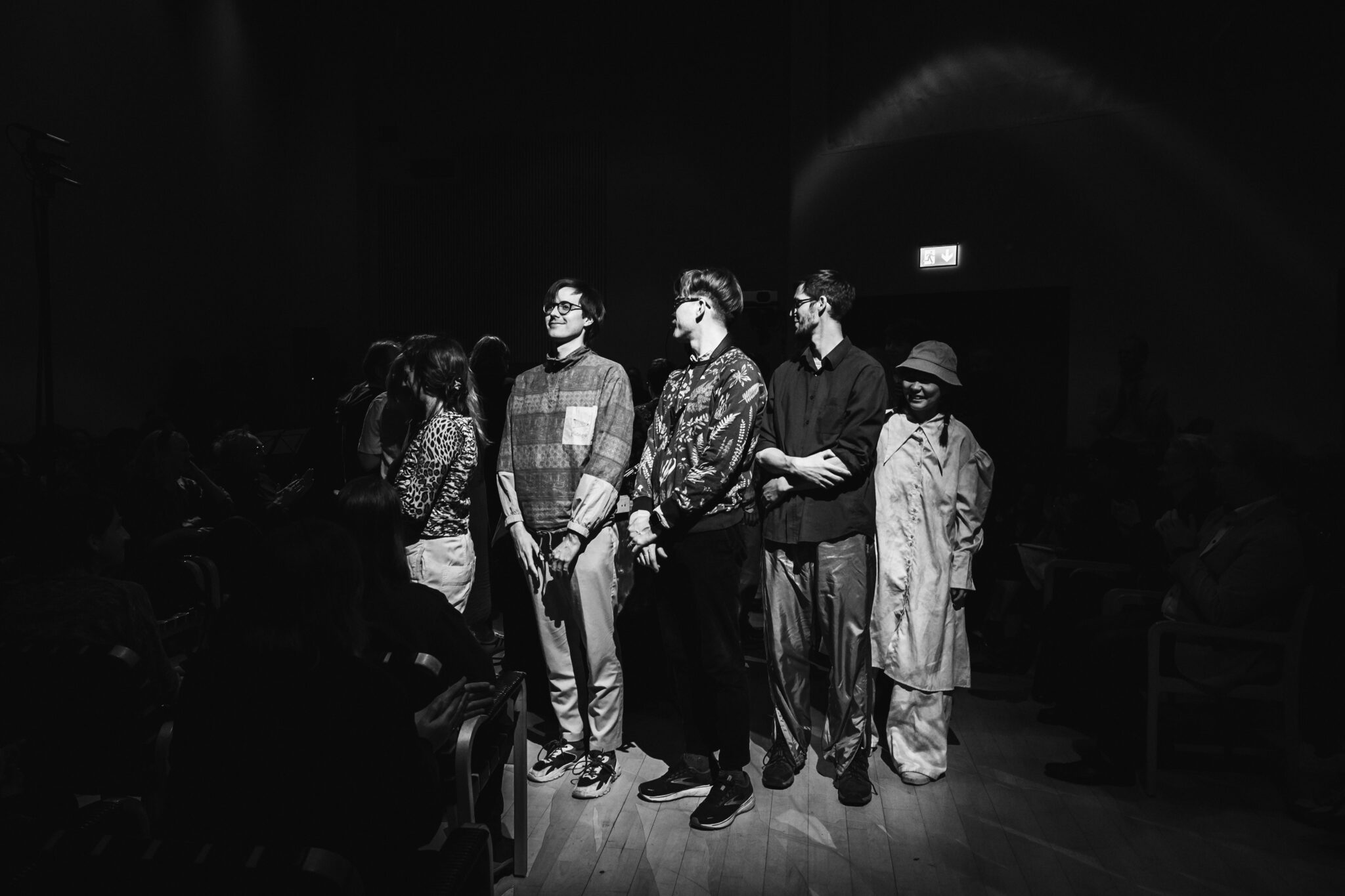
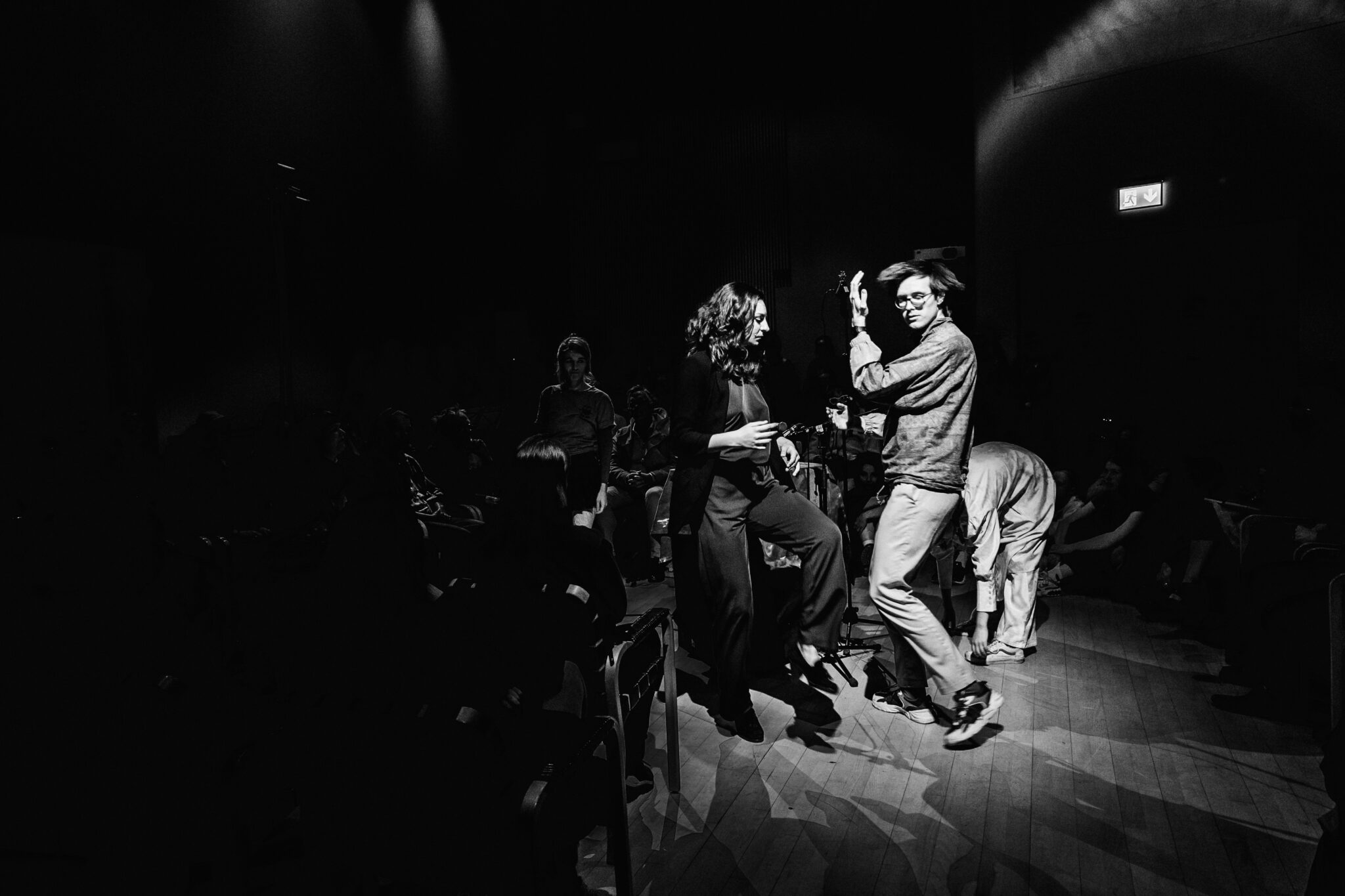
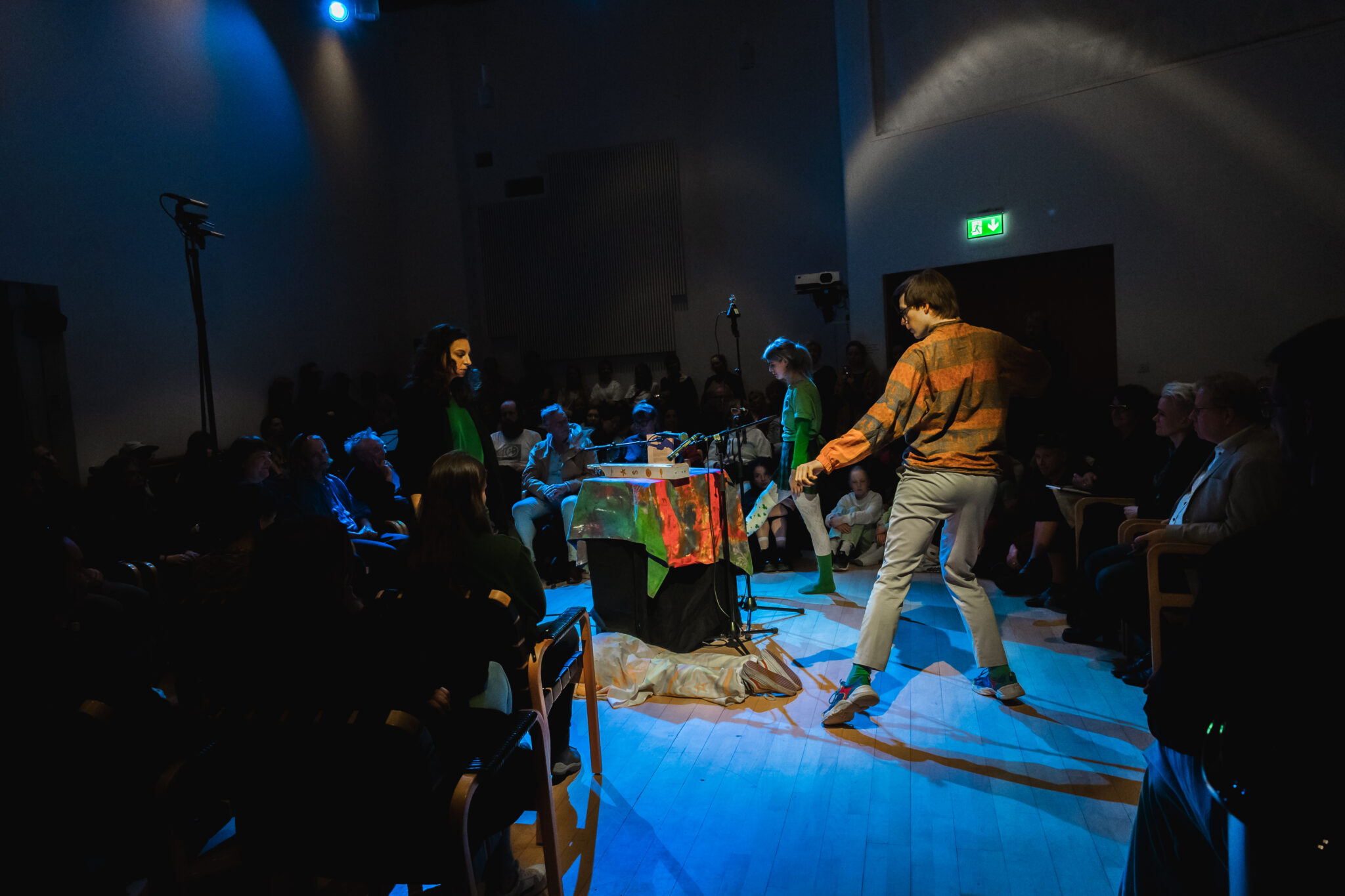
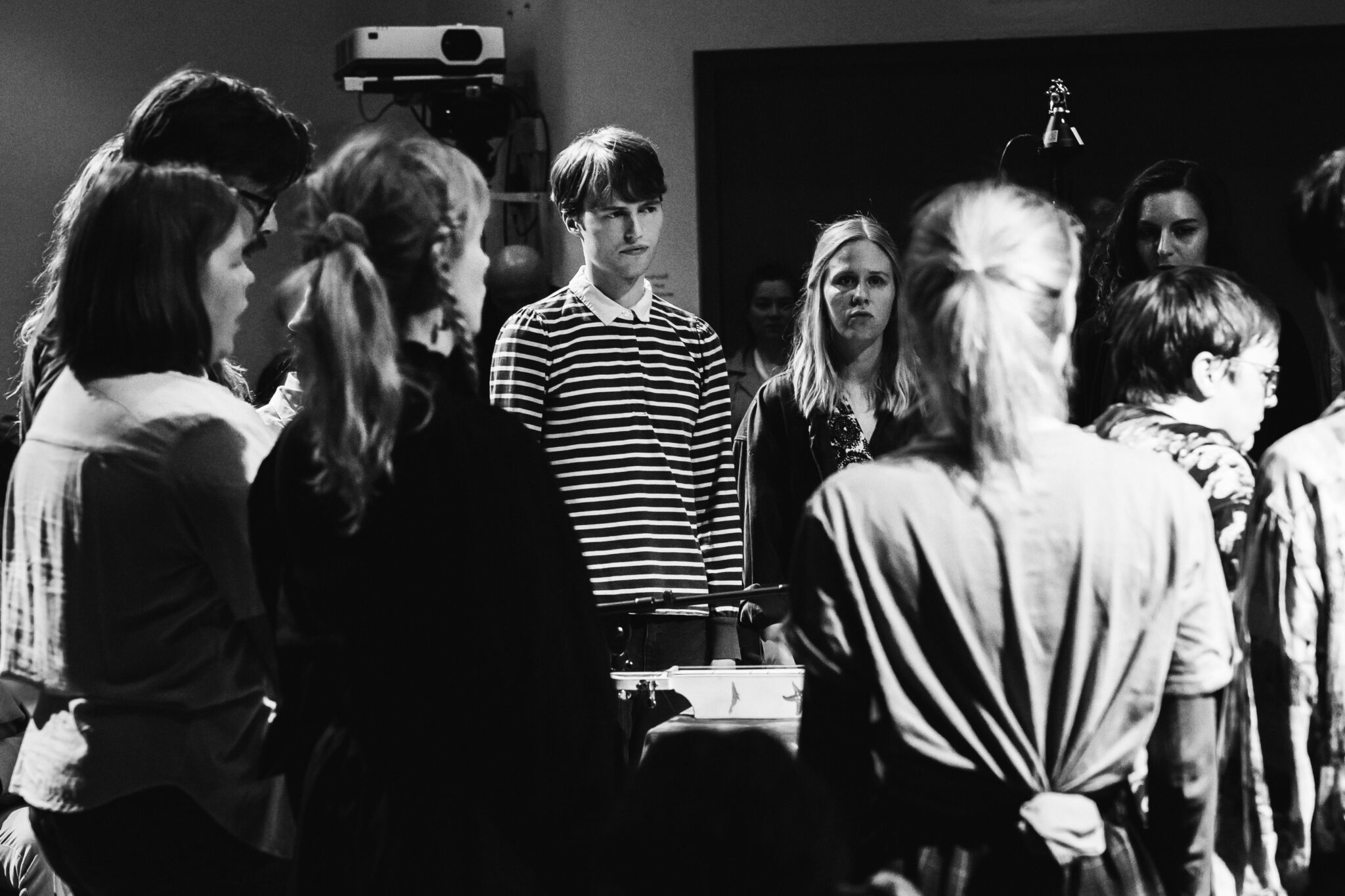
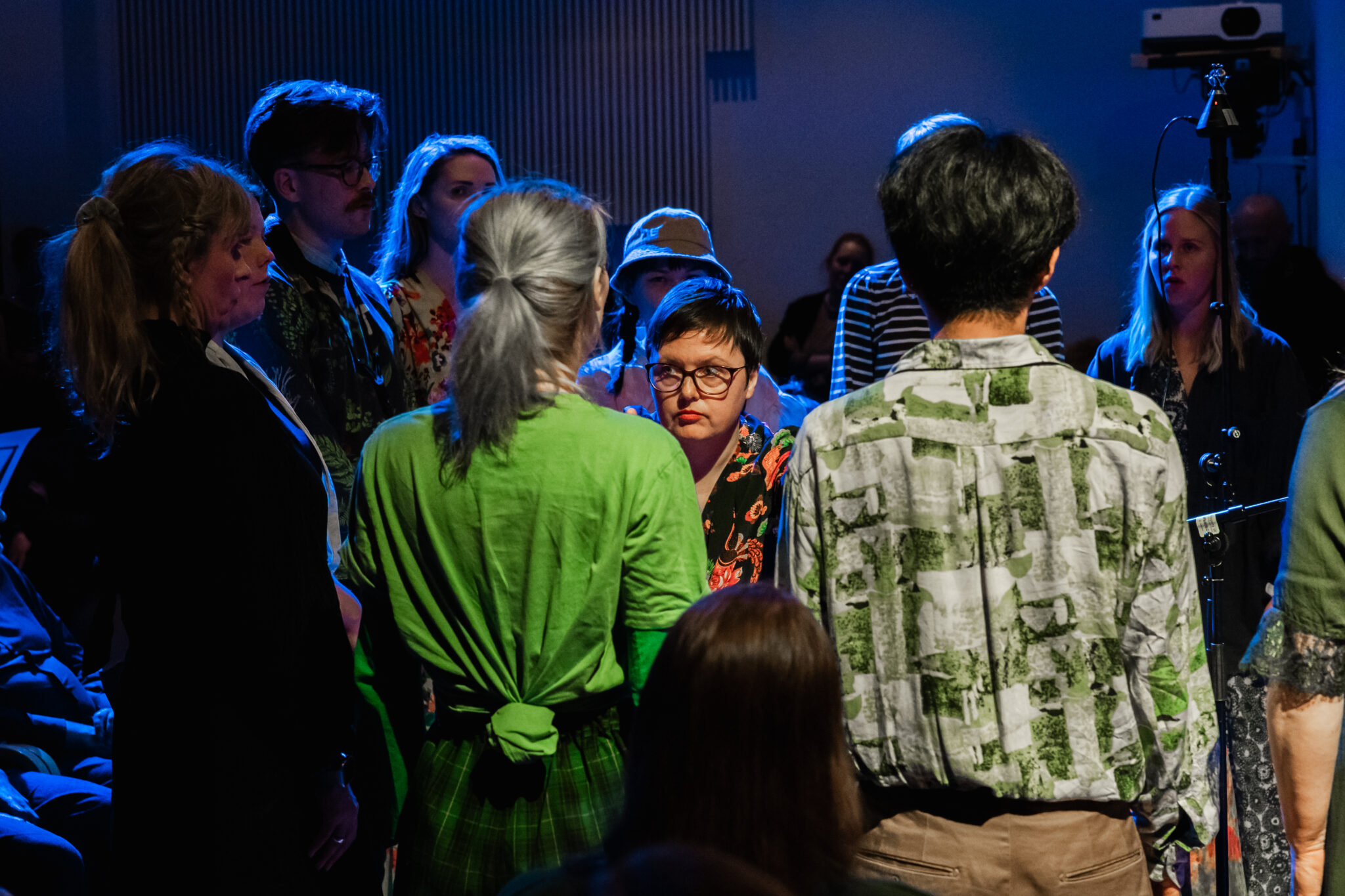
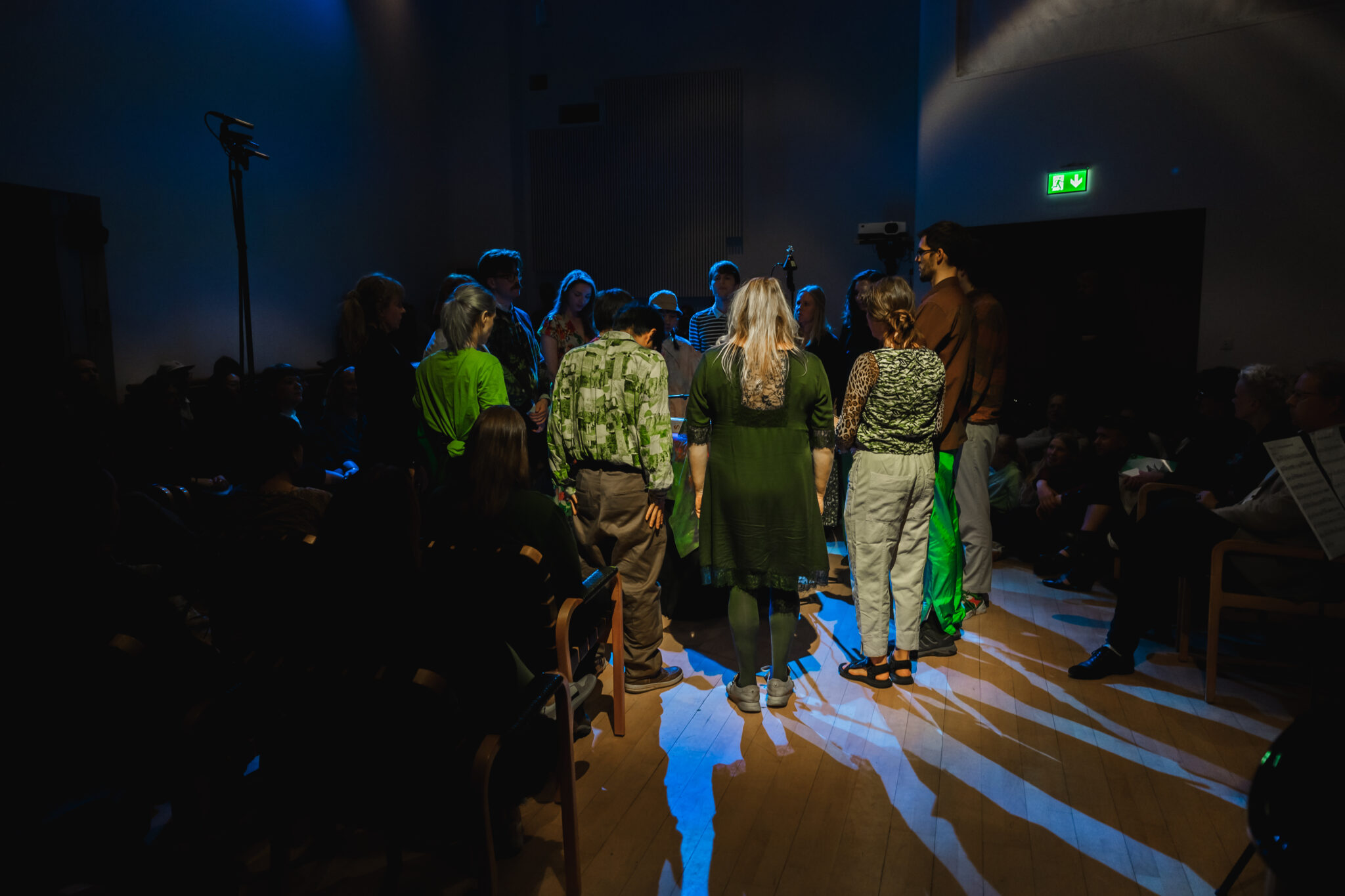
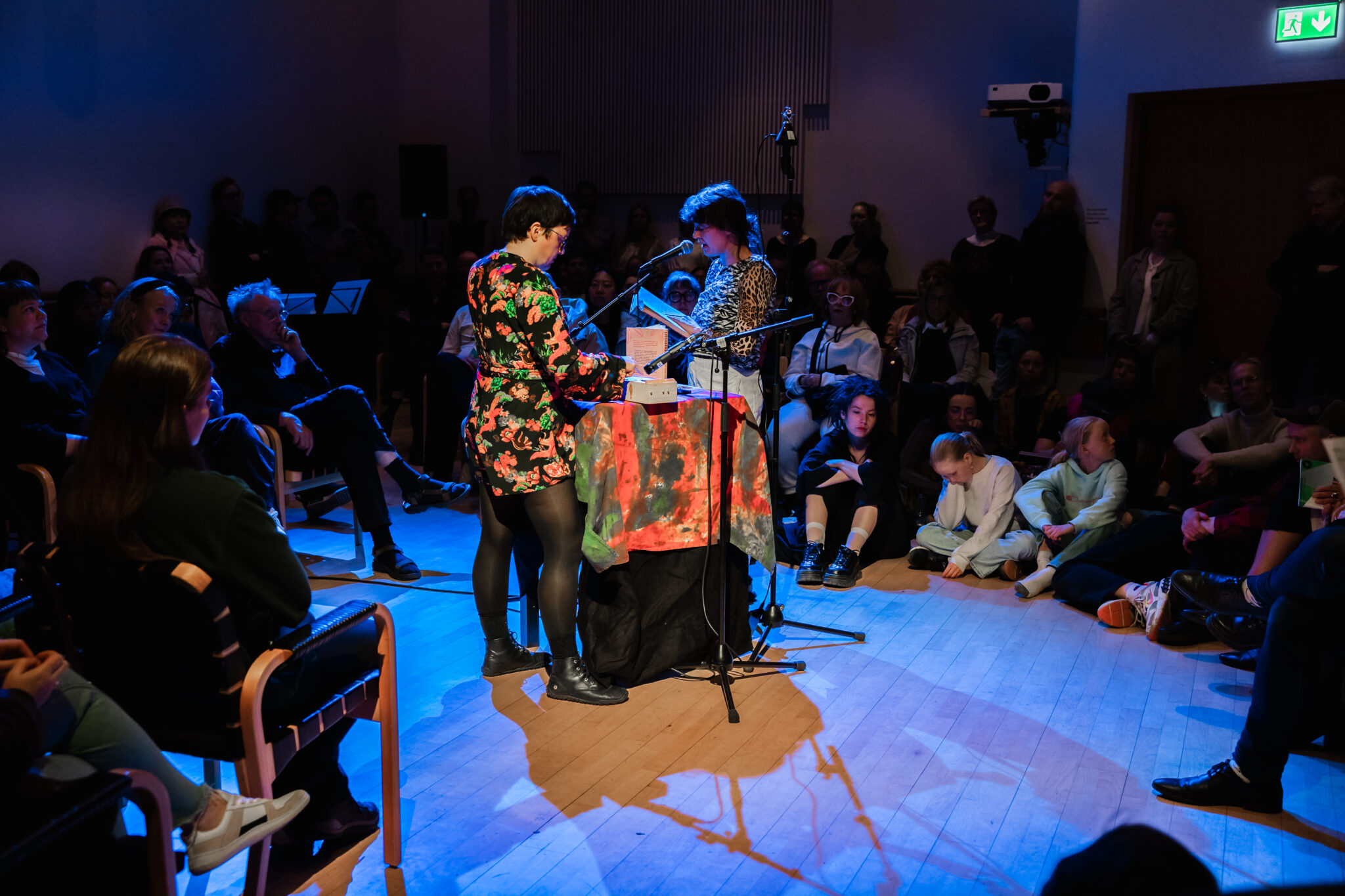
Fig. 4-13: From the sound art exhibition and performance of the work in the Nordic House.
Student contribution
The project required students to take an active part in all stages of creation; from text editing and field recordings, to presentation and performance. The project introduced new methods for some of the students; for example, some were recording in the field and working in an audio program for the first time, while others took their first steps in choreographed movement. The project thus became a platform where students stepped outside their traditional disciplines and developed new avenues for artistic expression through experimentation and collaboration. In the project, they developed both technical skills and competence to make artistic decisions and situate their contribution within a larger context. The work's unpredictability also became an important part of the learning process. Since Cage's score calls for a certain uncertainty, the students had to trust the process rather than aiming for a predetermined outcome. Such work can be challenging for music students, as the emphasis is often on Board, precision, and preconceived interpretation; the process created space for audacity, experimentation, and collective discovery.
In my conversation with the Skerpla students (see list of participants below) after the performance of the work in Glasgow, where we reflected on the process, the composition students spoke about how nourishing it had been to tackle performance and to work at the boundaries of creation and performance. In the conversation, it emerged that the experience had impacted how they thought about their own creative process, as the boundaries between composition and performance became blurred in the project. The students spoke about the challenge of trusting the process, where the outcome was unpredictable and seemed chaotic. The students also discussed how the work's random methods provided freedom from their own ideas and tastes; their own ego. This opened up space for unexpected connections, new ways of listening, and new approaches to collaboration; the creation became less bound to individual authorship and instead became a collective research process.
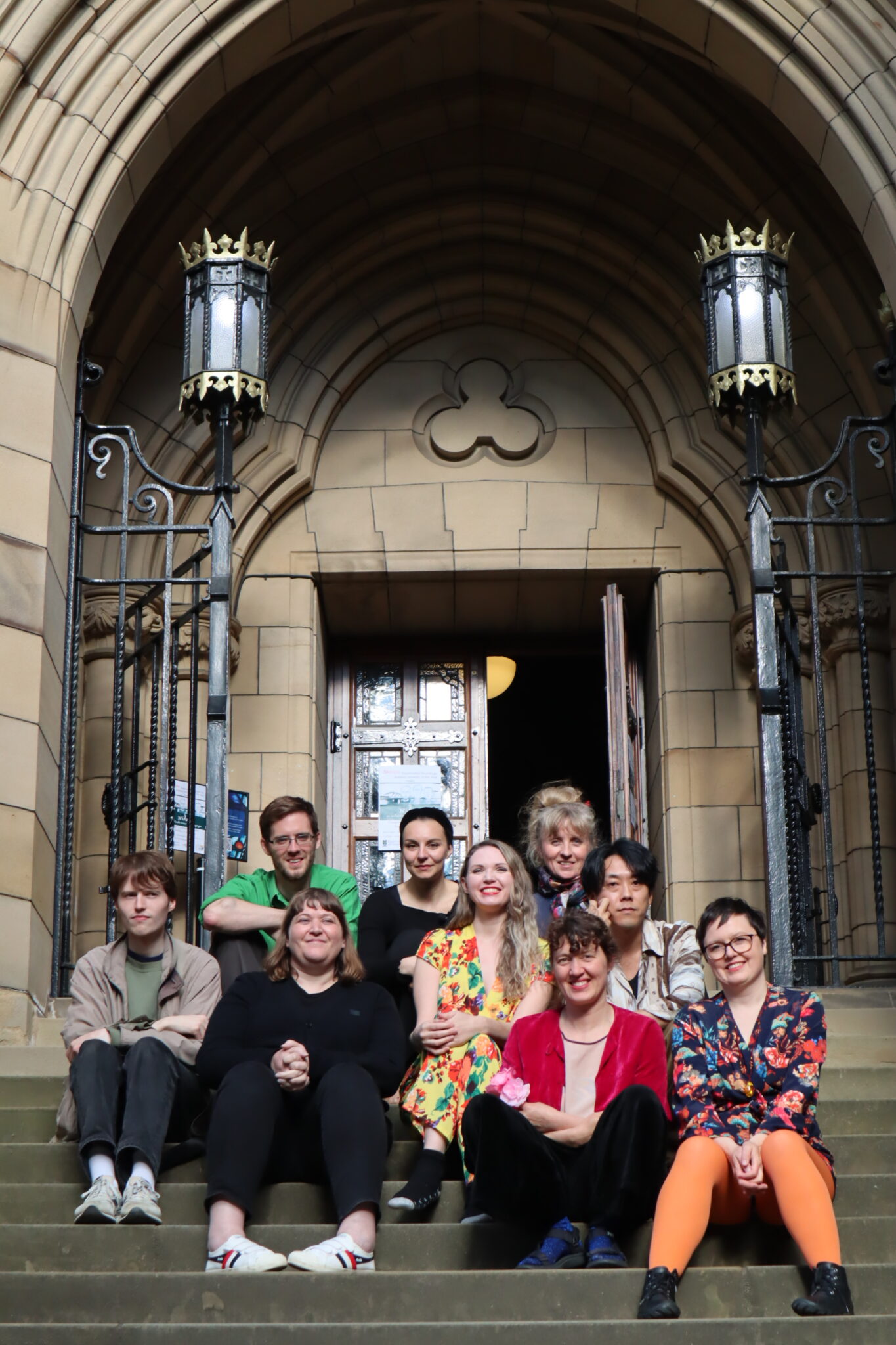
Figure 14: Sharpen in Glasgow. From the left: Stirnir Kjartansson, Rob Thorpe, Victoria Miguel, Camilla Cerioni, Vala Yates, Berglind María, Linnéa Falck, Masaya Ozaki and Adda Ingólfs Heiðrúnardóttir.
Finally
The story behind Skerpla's performance of the work Niður, an Icelandic circus about Ljósagang by John Cage in June 2024 has been traced here. The course Skerpla was also discussed and the work process behind the work was outlined. The project showed how an open and experimental work process can create a powerful learning space within university studies in music. The project also called for a re-evaluation of traditional roles within music studies. The project's pedagogical value consisted of music creation as a lively and co-responsible process in contrast to the narrowed division between composition and performance. In that context, Niður, an Icelandic circus about Ljósagang, not only a performance of a work by John Cage but also a study of how music studies can become a platform for creative research, collaboration and discovery across study programmes.
It is clear that the ambitious presentation of the work would never have been realized except through powerful partners, Victoria Miguel and Jespers Pedersen, Vigdís Jakobsdóttir and her team at the Reykjavík Art Festival, the University of Glasgow and the Research Fund of the Iceland University of the Arts. Above all, however, it is the contribution of the students who made the difference, they put a lot of work into the project and I thank them very much.
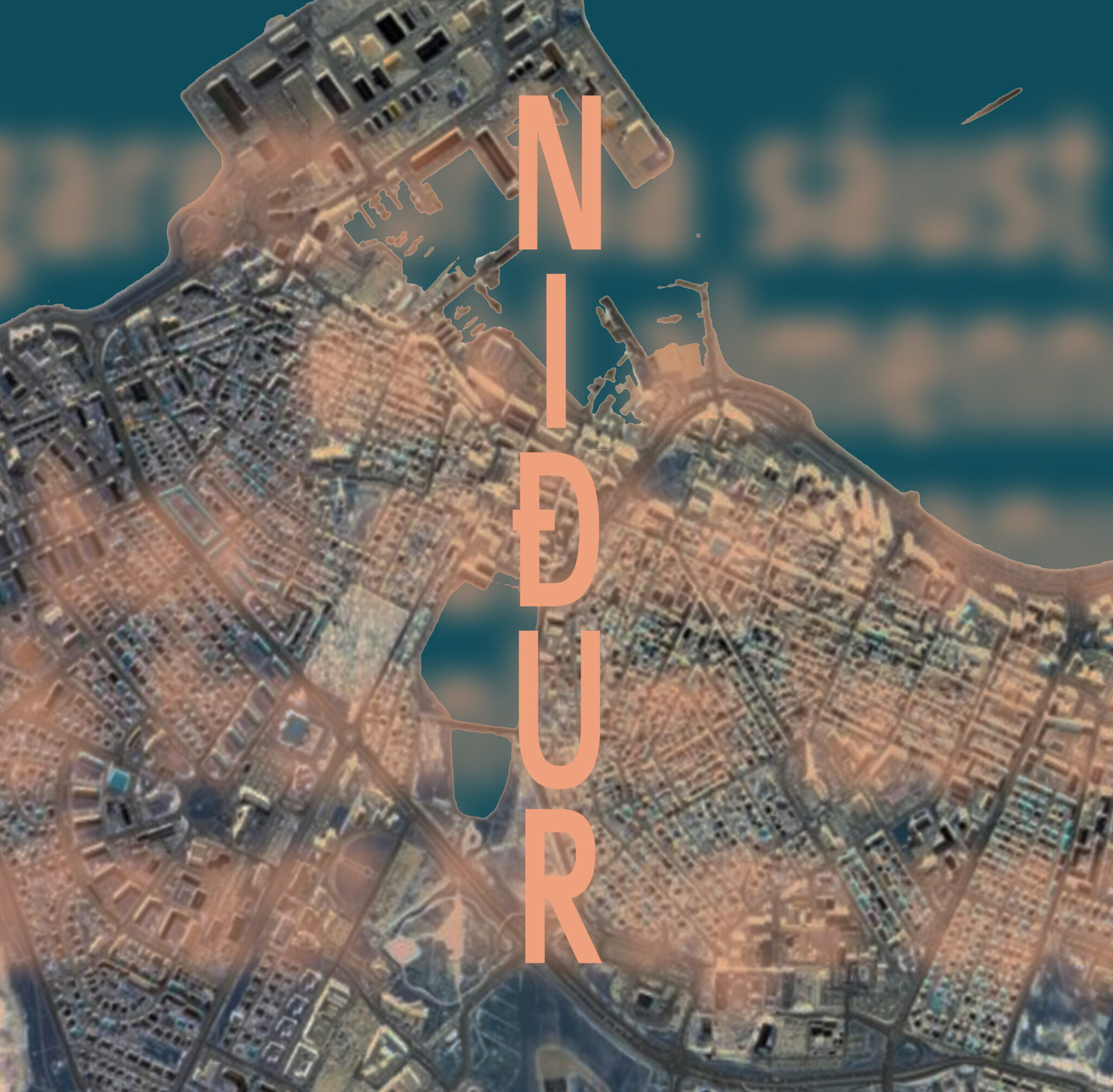
Figure 15: Cover art accompanying the recording of the work, by Robert Thorpe.
[The work on Bandcamp (embedded]
https://skerpla.bandcamp.com/album/ni-ur-slenskur-sirkus-um-lj-sagang-eftir-john-cage retrieved May 21, 2026
Sound example 1: Down - Icelandic circus about Ljósagang by John Cage performed by Skerpla
APPENDIX
The student body that performed Cage's work consisted of students from four programs of the department of music as well as a student from the master's program in the department of fine art.
Skerpla, Spring Semester 2024:
Adda Ingólfs Heiðrúnardóttir
Camilla Cerioni
Diana Burkot
Konrad Groen
Kristrún Steingrímsdóttir
Lindy Lin
Linnaeus Falck
Masaya Ozaki
Mattias Carlberg
Ólöf Sigríður Valsdóttir
Robert Thorpe
Stefanía Helga Sigurðardóttir
Stirnir Kjartansson
Tumi Árnason
Vala S. Guðmundsdóttir Yates
Artistic relatives: Skerpla, Berglind María Tómasdóttir, Victoria Miguel and Jesper Pedersen
Recording: Jesper Pedersen as well as Robert Thorpe and Konrad Groen
Cover photo: Robert Thorpe
Partners: Iceland University of the Arts, Faculty of Music, Research Fund of the Iceland University of the Arts, Reykjavík Art Festival, University of Glasgow (Chancellor's Fund), Scottish Graduate School for Arts and Humanities (SGSAH) (Engagement Fund)
Guest artists, partners and themes in Skerpla Projects:
Radio Opera, Spring Semester 2026
Protest Songs, Fall 2025 Semester
The SÚM group, concerts and seminars at Myrkum músíkdáði, spring semester 2025
Pauline Oliveros concert and symposium at Myrkum músíkdáði, spring semester 2024
Victoria Miguel, John Cage's Creative Writing Specialist, Spring Semester 2024
Skerpla in conversation with Gerðarsafn, autumn semester 2023
In a Large Open Space by James Tenney, performed alongside Bozzini Quartets on Dark Music Days, Spring 2023 semester
Ragnar Árni Ólafsson, guitarist and composer, spring semester 2022
Patrimoni acoustic, Spanish sound art group, fall semester 2021
Bergrún Snæbjörnsdóttir, composer, spring semester 2021
Ben Frost, musician, spring semester 2021
Victoria Miguel, Writer: John Cage: An Online Writing Project, Fall 2020 Semester
Jane Riegler, Flutist and Composer: Deep Listening, Fall 2020 Semester
Sharpen the Ensemble in conversation with An Urban Archive as an English Garden by Davíð Brynjar Franzson, composer, in Hafnarborg, autumn semester 2020
IIL and Nicola Privato, musician: Inventing Instruments, Spring semester 2020
Ingibjörg Friðriksdóttir, composer: Unconventional notation and more, spring semester 2020
Sophie Fetokaki, musician: Exercises in Interdisciplinary Counterpoint, Fall 2019 semester
Þóranna Björnsdóttir, artist: Audio Narratives, autumn semester 2019
Skerpla I Mengi: Oliveros, Wolff and works by members of Skerpla, autumn semester 2019
Bergrún Snæbjörnsdóttir, composer: Visual Music, spring semester 2019
Davíð Þór Jónsson, pianist/composer: Improvisation, spring semester 2019
Michael Duch, Bassist/Composer and Friends: Improvisation & Composition, Spring Semester 2019
Erik DeLuca, Composer: Fluxus, Fall 2018 semester
Cycle Music and Arts Festival: Audio Essays, Fall 2018 semester
Daniel Corral, composer, Fall 2018 semester
Anthony Burr, musician/professor at the University of California, San Diego, Spring Semester 2018
(T.O.N.
[1] Skerpla's event in the Reykjavík Art Festival database https://gagnasafn.listahatid.is/is?year=2024 retrieved May 21, 2026
[2] Skerpla's event on the Across the Waters website https://ijjf2024.glasgow.ac.uk/icelandiccircus/ retrieved May 21, 2026
[3] Down - Icelandic circus about Ljósagang by John Cage performed by Skerpla
https://skerpla.bandcamp.com/album/ni-ur-slenskur-sirkus-um-lj-sagang-eftir-john-cage retrieved May 21, 2026
[4] Open-area music is a translation of the term Music in the Expanded Field which, among others, Marko Ciciliani has written about with a strong reference to Rosalind E Krauss's writing, Sculpture in the Expanded Field.
[5] Experimental has a broad appeal here, as explained in Bob Gilmore's article, Five Maps of the Experimental World, and can be accessed here: https://musicexperiment21.files.wordpress.com/2018/05/crispin_darla-bob_gilmore-artistic_experimentation_in_music_an_anthology-2014.pdf
Darla Crispin and Bob Gilmore, eds, Artistic Experimentation in Music (Leuven: Leuven University Press, 2014) 23-30.
[6] Scored on the publication's website https://www.wisemusicclassical.com/work/69491/circus-on–John-Cage/ retrieved May 21, 2026
[7] The word we chose was the title of the book, Lightness of Being. Victoria Miguel, a specialist in the creative writings of John Cage, led workshops at Skerplu where students practiced Cage's mesostics techniques. Victoria's website: https://www.victoriamiguel.com/ retrieved May 21, 2026