Collaboration on the Exchange of Culture
Conakry University of the Arts – Cooperation on the dissemination of culture
Sigurður Halldórsson
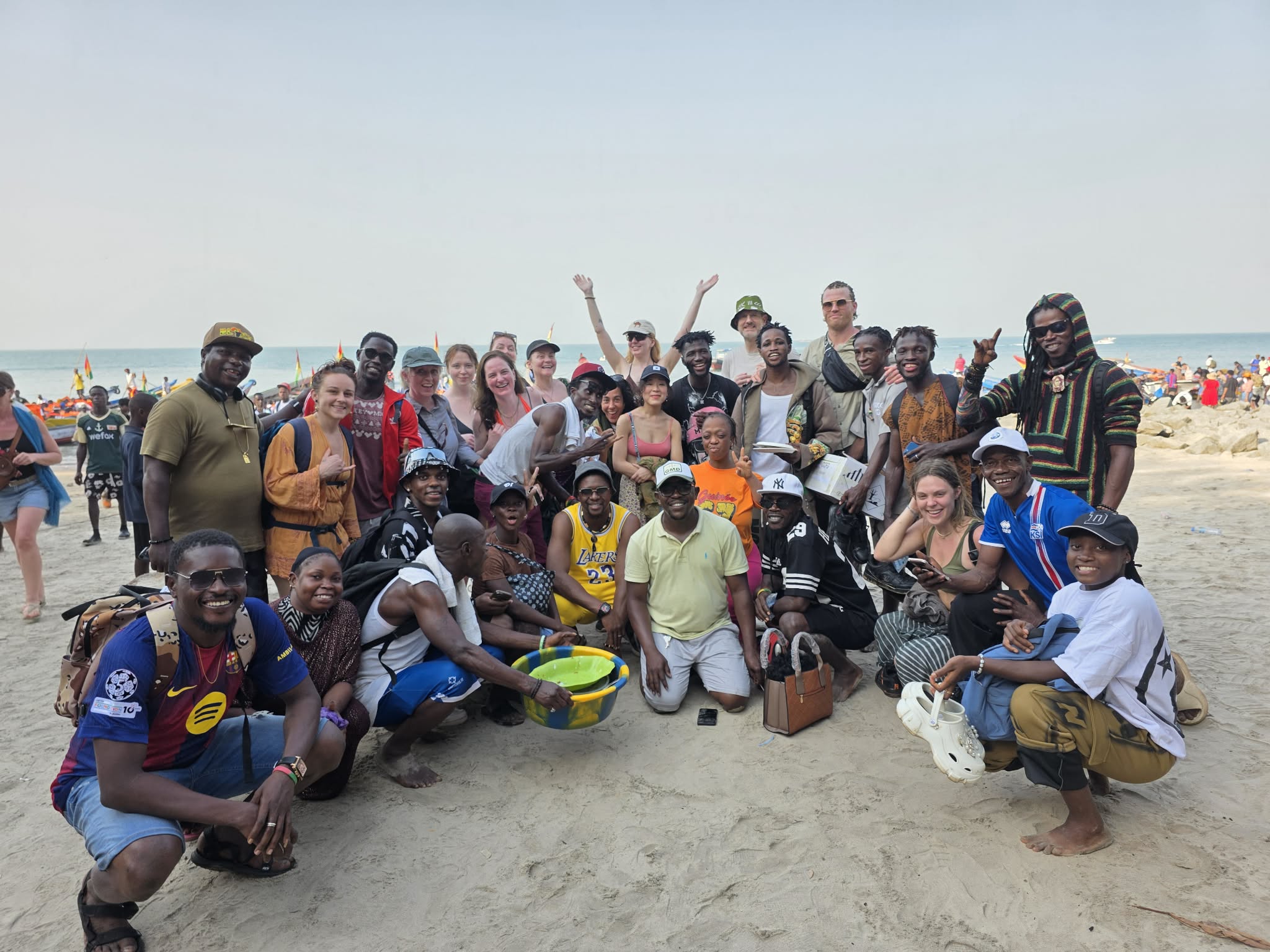
Photo 1: Members of Ballet Les Merveilles de Guinée and guests on the beach on Soro Island off the coast of Conakry, Guinea.
A group of students and teachers from the Faculty of Music and Art Education of the Academy of Arts traveled to Conakry, Guinea, at the invitation of the performing company Les Merveilles de Guinée (most often called Ballet Mereveilles de Guinée) in January 2026. This was the third time such a trip was made in collaboration with Les Merveilles and Dans Afríka Iceland. The first two trips, in January 2024 and 2025, were initiated by the Department of Performing Arts and Dans Afríka Iceland, which is led by Sandra Sano Erlingsdóttir. The main purpose was to get acquainted with the folklore, music, dance, and theater in Guinea's capital, Conakry. After these two trips, the idea was born to develop a collaborative project. This involved establishing art workshops in elementary schools in Conakry to promote the broader dissemination and practice of Guinea's cultural heritage. The workshops would also serve as a platform for the artists of Les Merveilles to share their knowledge, thereby enabling them to earn further income from their art. It was decided to reapply for a two-year grant for a new project with this goal, and to also continue promoting further cultural exchange between the countries, e.g., through visits from artists from the group to Iceland.
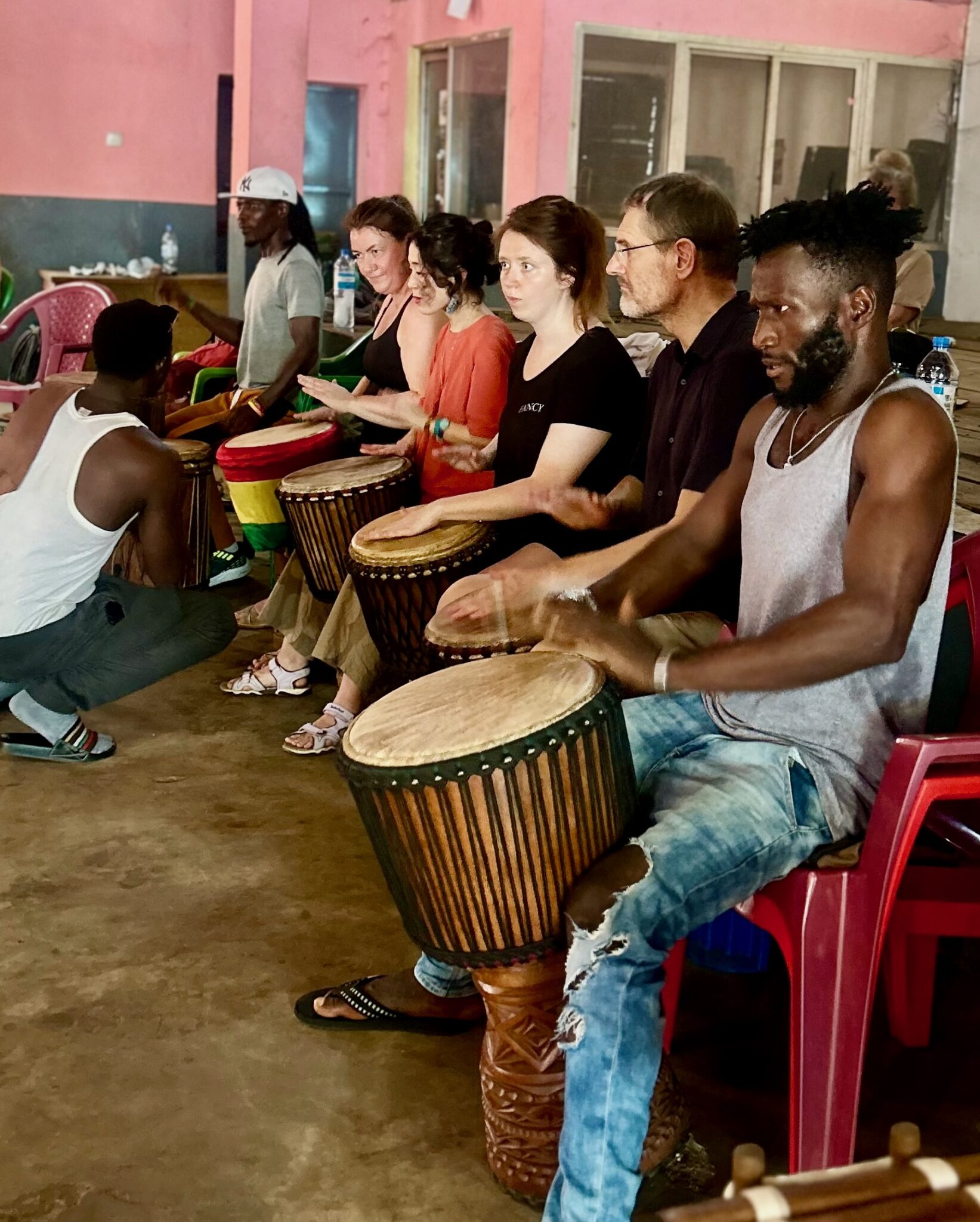
Figure 2: Drum time, drummers from the right: Sekou, Mohamed, Unnur, Momo, Aoife, Sigurður and Zito.
The trip lasted for two weeks, and each day was structured so that from 9:00 to 11:30 AM, we worked in two groups with instructors—one in dance and the other in drumming. The classes took place at a community center in the Taouyah neighborhood of Conakry. In addition to the group from the University of the Arts, several other guests of the company from various countries joined us for the classes. In the afternoon, we had the opportunity to attend a rehearsal by Les Merveilles de Guinée, participate in the warm-up, and then observe the group's rehearsal of a piece that we later saw performed on stage at a cultural festival in a city cultural center, along with other acts. Outside of the regular schedule, we visited schools, went to concerts, shows, and markets, in addition to sailing out to an island off the coast of the city on the Atlantic. We traveled in narrow, long wooden boats that held 10 to 20 people and have probably been the same since the dawn of time, except that they are now equipped with outboard motors instead of the oars of the past. However, the oars were still in full use when we reached the shore.
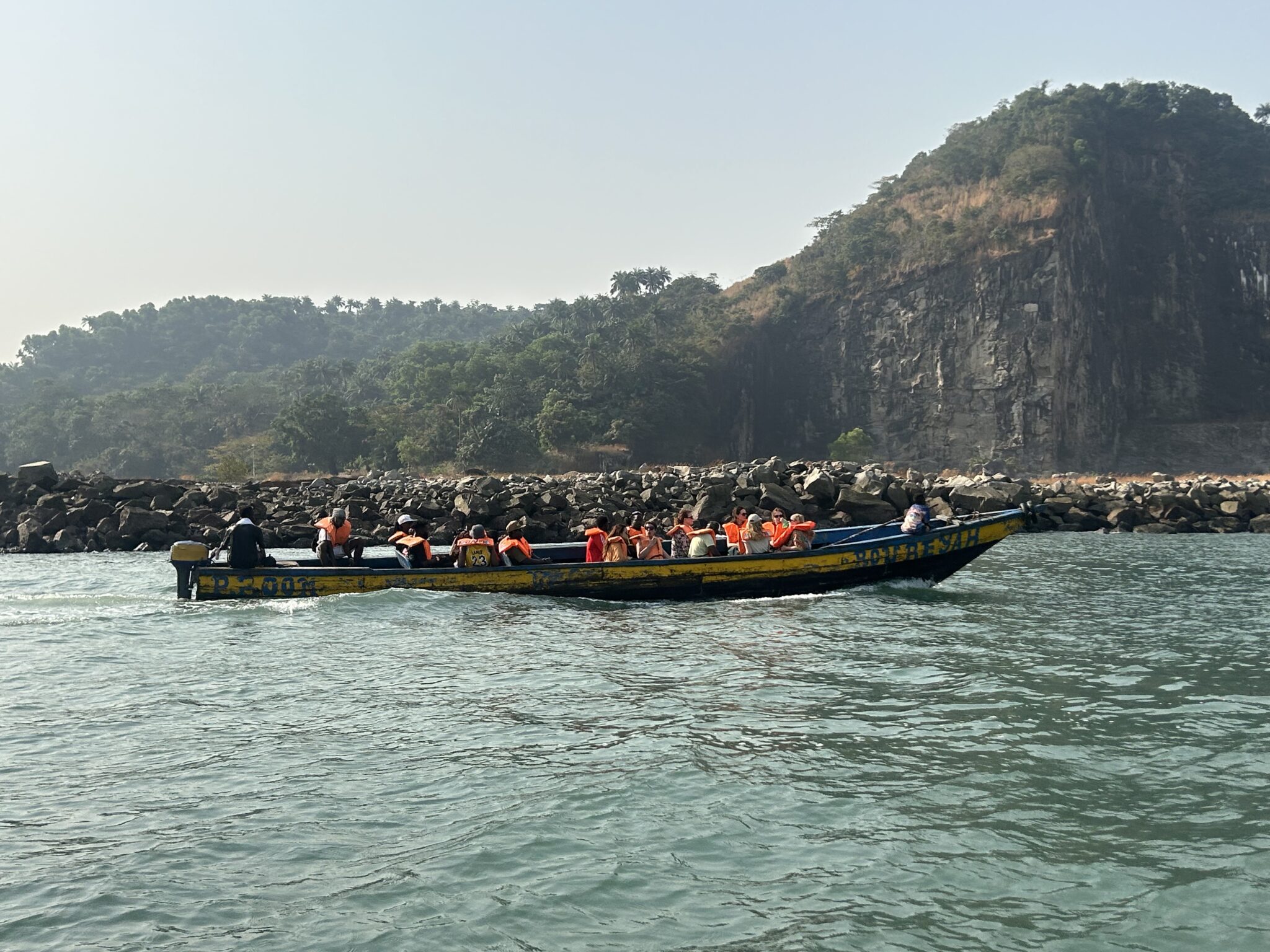
Figure 3: Navigation
The Wonders of Guinea
We met with the party's leadership to learn about its history and to discuss the possibilities for further developing the collaboration and achieving its set goals. Mamady Sano, the artistic director and son of the founder, Mohamed Kemoko Sano, told us how the party came to be. Mamady lives in Iceland part of the year; he is married to Sandra Sano Erlingsdóttir, the initiator of this collaboration. She has been promoting African dance in Iceland for over 20 years, including at Kramhúsið.
Ballet Merveilles de Guiné was founded as an independent music, dance, and theater company in 1980. At that time, there were only three performing companies in the country, all of which were state-run. One of them was the Ballet National. It was on tour in Washington D.C. when the idea for the Ballet Merveilles was conceived. Mamady's father was a choreographer at the Ballet National at the time. He spoke with several of his colleagues in the company, got them on board, and then began to gather more people when they returned home. The company grew in reputation during these early years, or until 1984, while Guinea's first president of the republic, Sekou Touré, was in power. Touré was a great supporter of the arts and culture during his time in office after independence from France was achieved in 1958. Guinea had been a French colony. Touré, for example, organized a major national arts festival and a competition for all 36 ethnic groups in Guinea, each with its own traditions, representing all regions of the country. Touré wanted to promote national culture after the colonial period, when French culture and language were celebrated at the expense of the country's native language and culture. However, the methods he used were often brutal. If he wanted children to become dancers or musicians against their family's will, the family was imprisoned and the child taken away. During Sekou Touré's time, national culture was also taught in schools across the country, as was the language of each ethnic group. The ethnic groups each got their own television program on specific days of the week, in which the appropriate language was spoken. Mondays were for the Malinke, Tuesdays for the Sousou, Wednesdays for the Foula, Thursdays for the Forest People, Fridays were for Muslim culture, Saturdays for various West African music, and Sunday was dedicated to the church. Mohamed Kemoko Sano was from the Forest People of Macanta. He originally came with his ethnic group to the national arts festival in Conakry, won the competition, and thus connected with the president and was invited to become the choreographer for the Ballet National. After Touré's death, a new president, Lansana Conté, took over. Conté completely changed the focus, stopped supporting the arts and arts education, abolished all national cultural programming on television, and instead placed the greatest emphasis on soccer.
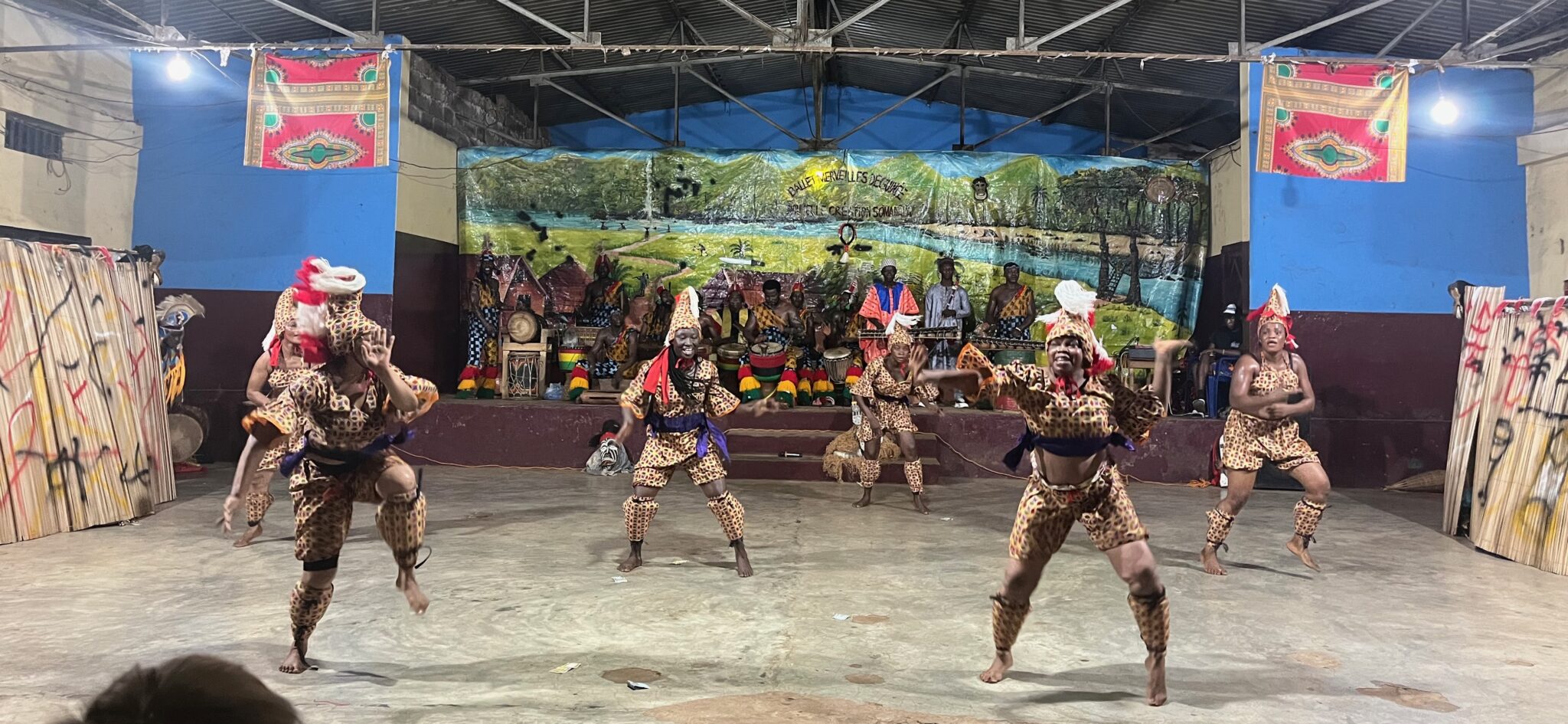
Figure 4: From the Les Merveilles Exhibition.
The reason for the term Ballet is used for this activity is that the first Minister of Culture and Tourism in Guinea's government during Sekou Touré's presidency had studied in France and learned how artistic practice there was not as ingrained in the daily life of every French person as it was in Guinea, but was instead staged by specially trained dancers, musicians, and artistic directors. The minister adopted the concept Ballet in order to more easily describe the activities of the exhibition groups to white Europeans. But in reality, the word 'ethnic culture' (e. folkloreA more accurate term for the activity. This is music, dance, storytelling, and expression all at once. [1]
What happened with the creation of the performance troupes in Guinea during the republican era was, in fact, that this culture was then first staged. They began to combine different dances and music from various ethnic groups and to sing songs in different languages from different regions. Until this point, dance and music had been connected to all of the people's activities, both everyday and ceremonial. Instruments were used to convey important messages. For example, certain types of drums that could be heard from a long distance were intended solely for this purpose. One type of drum is the so-called Crown and is a piece of a tree trunk that has been hollowed out with three elongated, unevenly-sized holes. When that version was first used by Ballet Merveilles as a stage performance instrument, it caused such a commotion that it cost the life of a man connected to the troupe. Some considered it such a great desecration that it had to be avenged.
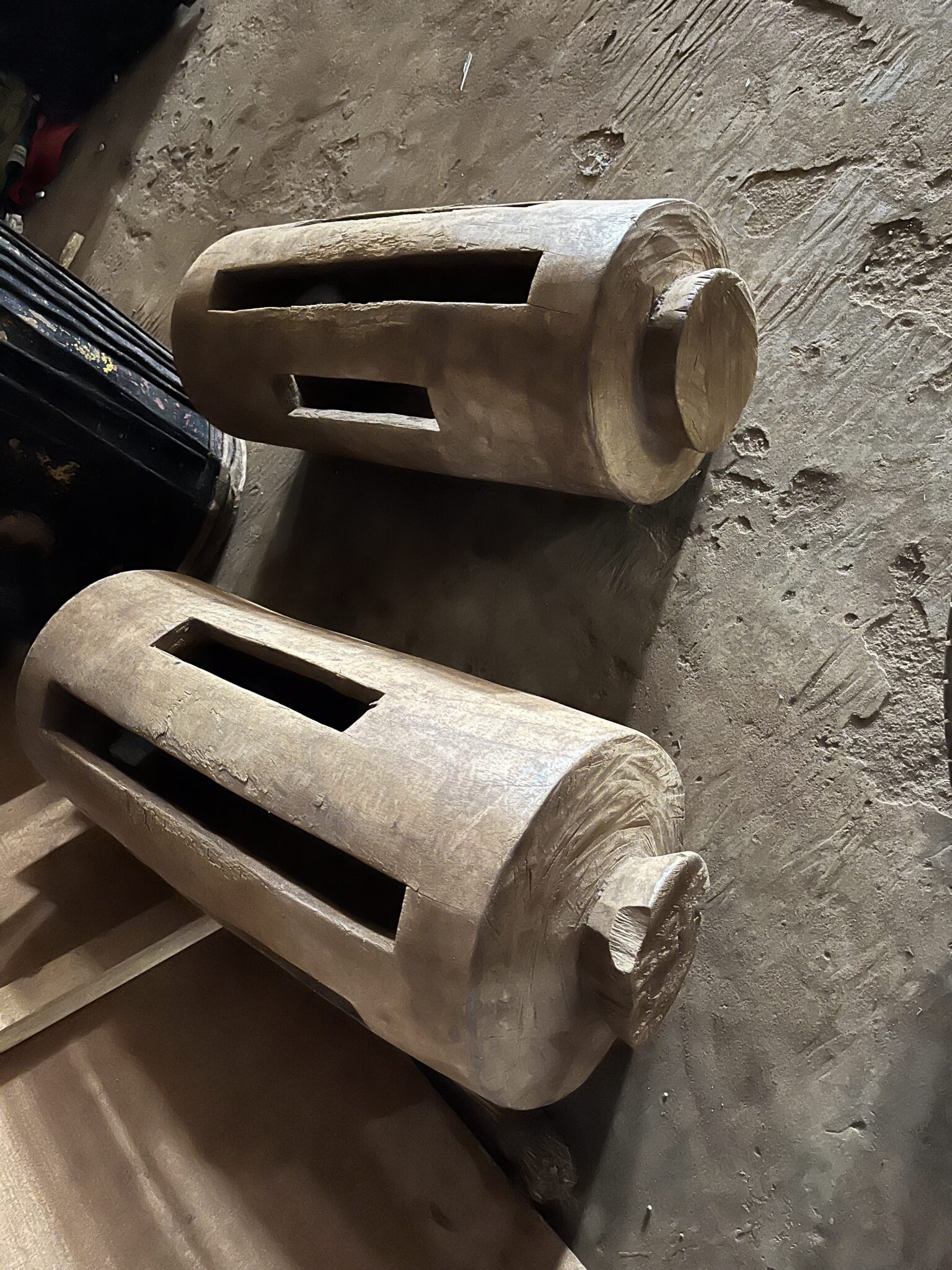
Figure 5: Krin drums.
Les Merveilles does not currently receive public funding like the state-sponsored troupes. The members of the troupe are not paid for rehearsals; only for official performances and for performing at various events, weddings, and funerals. Payment is based on voluntary contributions from the audience. A portion of Les Merveilles settled in the United States after Conté became president. The troupe was on tour and many fled the scene after the last performance. From there, Guinean music and dance spread widely around the world, including to Iceland through the efforts of Sandra and Mamady Sano.
My experience
This was my second trip to Conakry, a year apart. After getting over the culture shock that lasted for a large part of the first trip, I was able to get a deeper insight into the life and community of the people. Although I have traveled and connected with different communities through various artistic and cultural projects, the visits to Conakry were so unlike anything I have ever experienced that the first two-week trip was mostly spent just taking it all in and digesting it. An overwhelming sensory assault enveloped everything. Smells, sounds, colors, people, stark contrasts, trash everywhere, chickens, goats, and sheep among a beautiful people who, despite everything, were often well-dressed in spotlessly clean clothes. Everywhere, people were at work: cooking on sidewalks over open drains, making charcoal in the street gutters, men tearing apart broken water tanks for recycling. Women and children carried enormous pots on their heads, filled with all sorts of goods for sale. If there was music on a sound system anywhere, it was always at full volume. Opposite the apartment we were staying in, across the street, was a Catholic church where Mass chants or choir practice could be heard clearly out on the street, as the windows had no glass. Prayer calls from mosques sounded at regular times every day. But you weren't allowed to play loud music while prayers were taking place. This shouldn't be taken to mean that the disruption was in any way threatening or directly uncomfortable. Just a lot of energy everywhere. And we never felt unsafe.
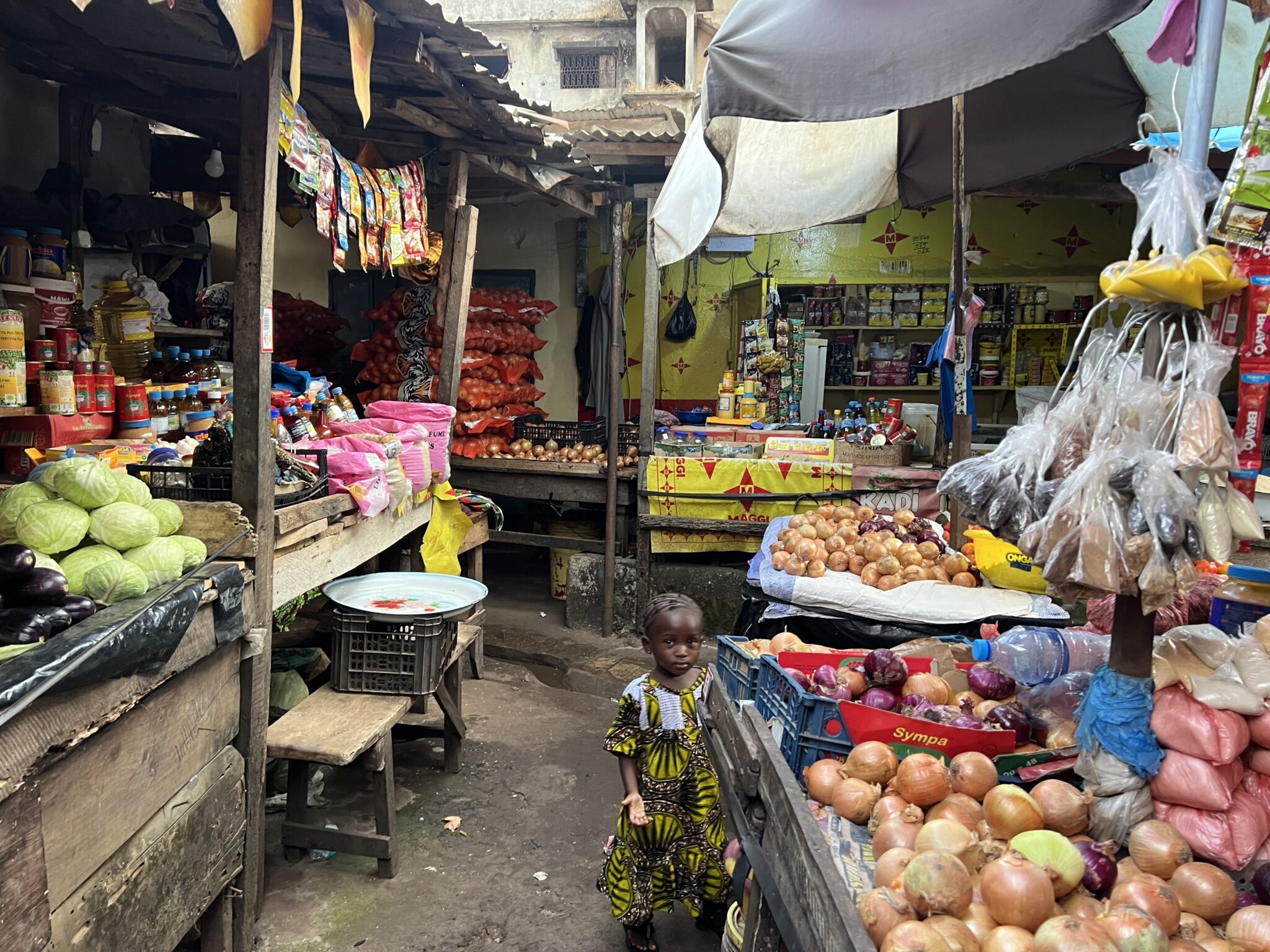
Photo 6: At the Taouyah market.
I was captivated by the hard work of the people at Les Merveilles. They work incredibly hard, but at the same time, their joy always shines through. In our part of the world, there is an overemphasis on productivity, i.e., achieving the most „output“ and „quality“ in the shortest amount of time with the least amount of labor. This applies to cultural and artistic activities no less than to everything else. Those of us trained, for example, to present music to an audience are supposed to be able to rely on our years of training and spend as little time as possible rehearsing for the performance. It is, of course, the finite resources involved that cause this, and how crucial it is. As a classical musician, I am accustomed to rehearsing for concerts as little as possible and for as short a time as possible. For this reason, there is often an overemphasis on the final product, i.e., the piece or pieces on the program each time. The group as a whole is almost never worked with to strengthen it or to train communication and understanding within it, as is typically done in team sports and is an absolute prerequisite for success. Ballet Merveilles de Guinée, however, structures its practice so that technique, strength, group training, and team building make up the majority of each daily practice. After that, work on the next performance begins. Therefore, there is a strong emphasis on keeping the foundation, both technical and social, consistently strong and, above all, on being present in the moment with full mindfulness and enjoying it.
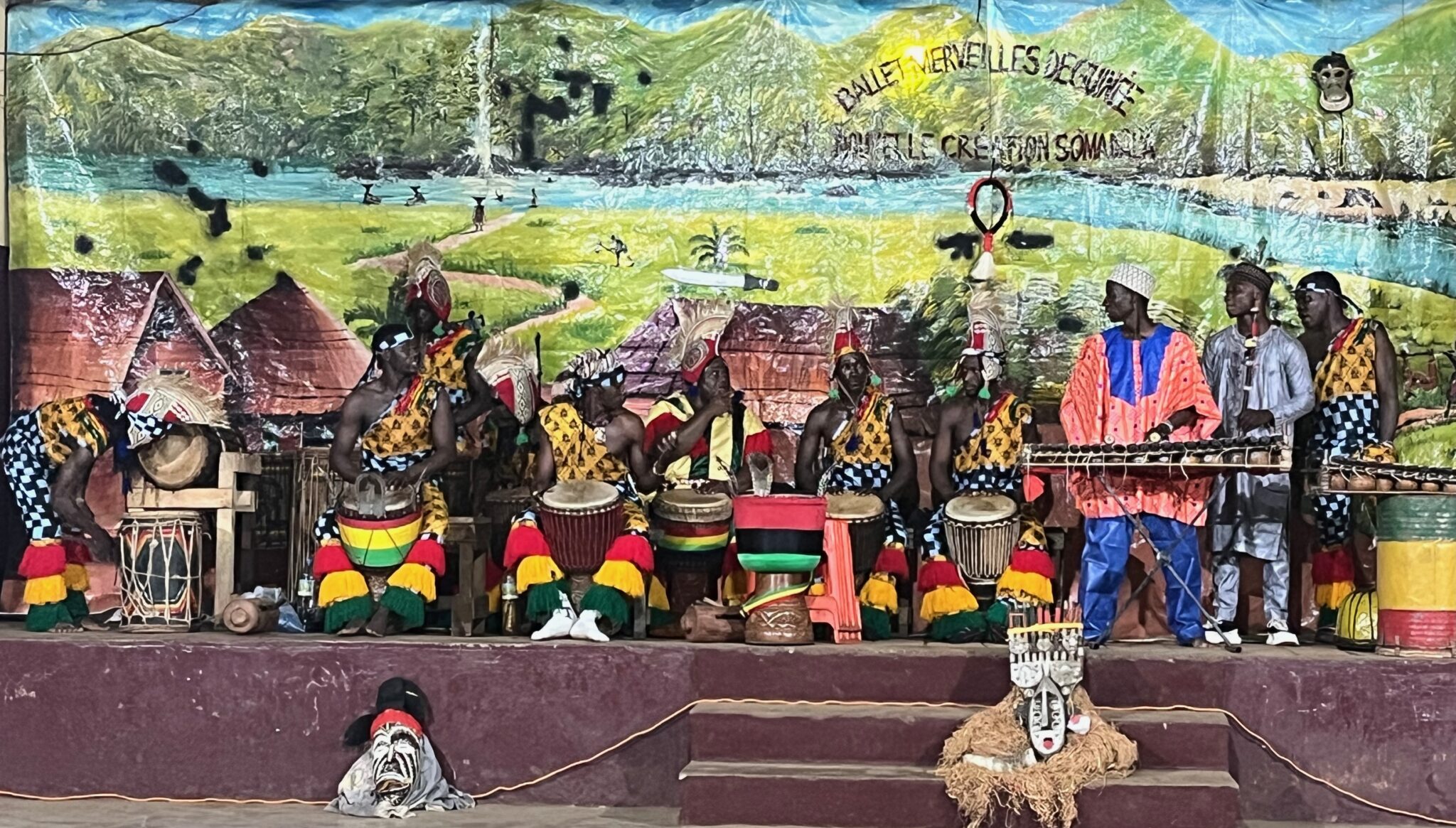
Figure 7: The band Les Merveilles of the party.
Attitude and demeanor are also very important. Music and dance in West Africa have historically had a stronger social connection to daily life than what we are accustomed to in the West. The music and dance in Guinea are part of being human and belonging to a community. In the musical practice, a physical and spiritual connection comes through strongly, along with a certain sacredness and respect for other people and the community as a whole. I could never sense a negative attitude or anything being done half-heartedly. „Treat others as you would want to be treated,“ is a common thread in interaction, singing, and dancing, as well as in other human relationships. It was unthinkable that any moment was not lived to the fullest. There was an indescribable energetic quality in the music, the dance, and all forms of human expression and devotion that I have rarely experienced before or since.
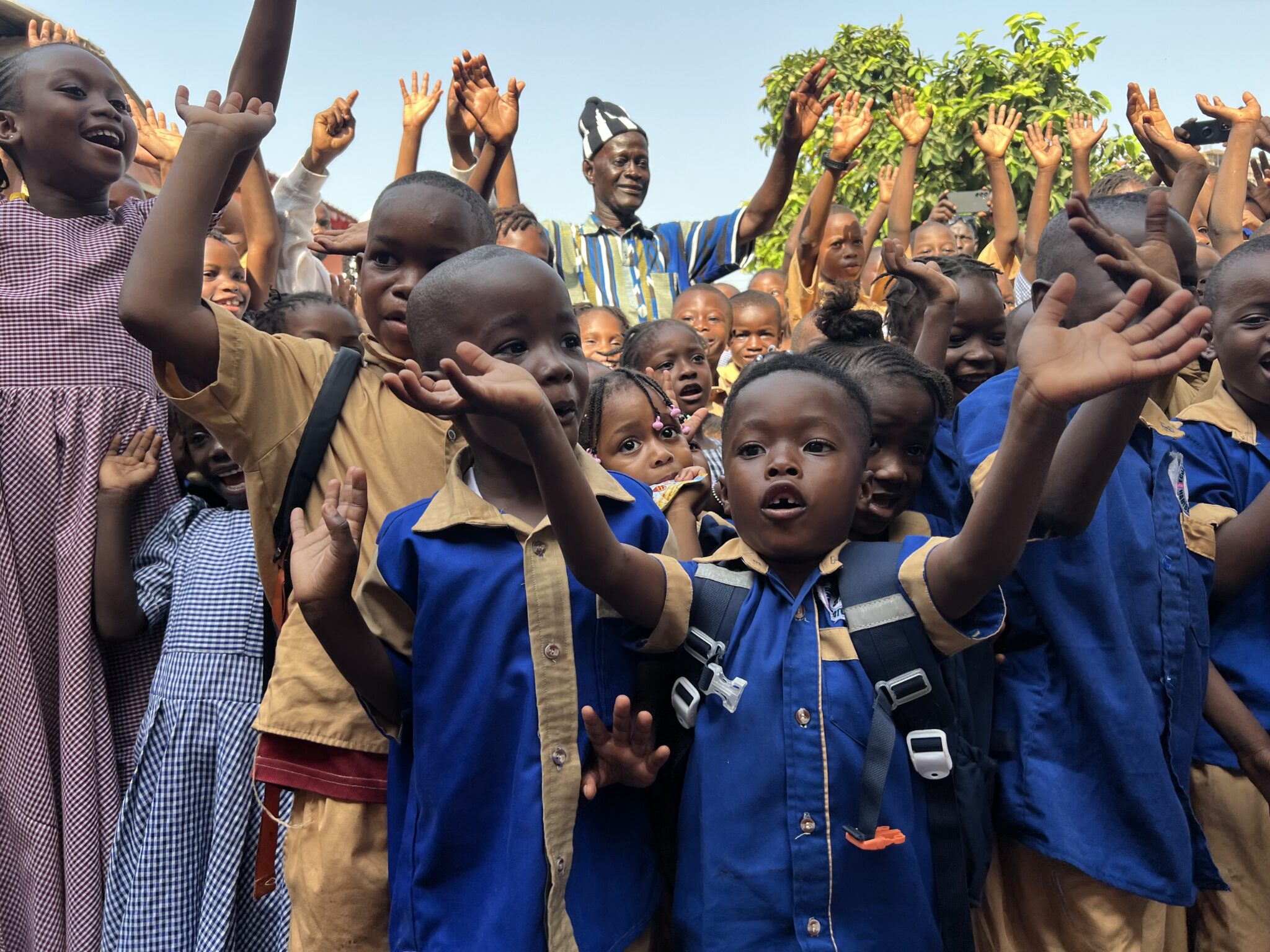
Figure 8: The preschool children with their teacher.
School visits
More about the collaboration: In Conakry, there are both private and public schools. We visited two private schools that people from the group had connections with. There is no formal art education in the city in general; only in a very few cases is singing and dancing practiced at the initiative of individual school principals. To establish organized dance and music classes in schools, the plan is to start with the private schools that the people from Ballet Merveilles are familiar with and build the program step by step. If it is successful to establish a regular program in a few schools, it will then be possible to approach the education authorities and use that foundation to advocate for all children having the opportunity to learn and receive basic training in their own national culture.
It was hard not to feel a sense of duty among those of us there to lend a hand back home in Iceland, where national cultural awareness is in decline. This is perhaps the most important lesson the group learned on the trip: by reflecting on a different culture, how it is conveyed, and asking how things are handled back home. We can learn a lot from this experience. Fortunately, there is a growing interest in folk culture among young people in Iceland. Most of the time, the systems are hampering when it comes to reform, but the changes happen at the grassroots level. Something tells me that the opportunities are there in Iceland, if the growing enthusiasm among young people for folk music and dance is any indication. For example, events organized by the Vökufélagið, such as folk art festivals, regular Sagnavakar, and folk music events at Ægi and elsewhere. There also seems to be a fairly steady renewal in kvæðamannafélög, alongside a growing interest in ethnology. The Folk Festival and the Folk Music Center in Siglufjörður have played a major role in this development, creating a platform for experimentation, innovation, and international collaboration.
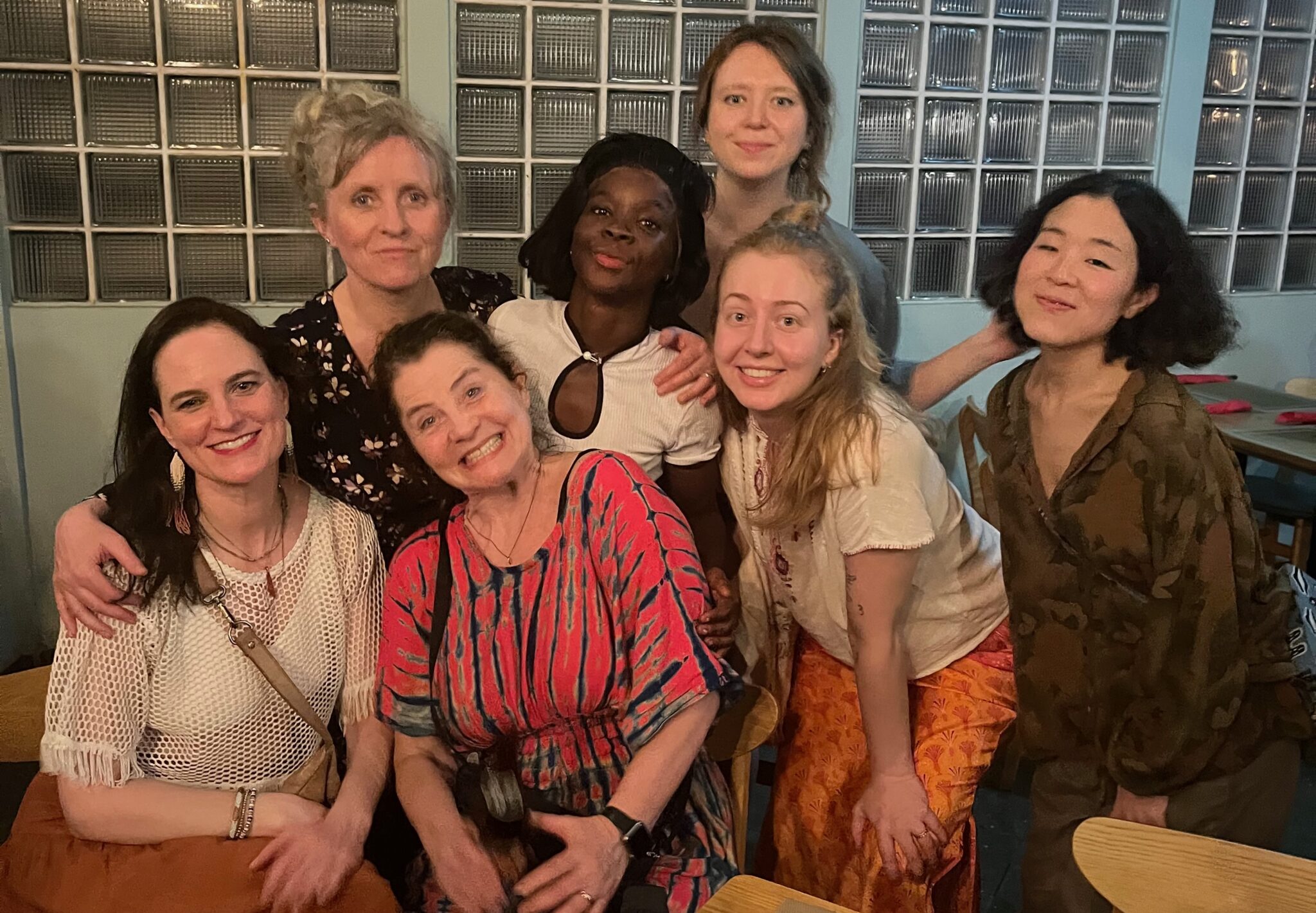
Photo 9: Adda, Berglind, Vigdís, Mam, Aoife, Rebekka, Momo.
Summary from the students' reports in the Icelandic group
All who participated in the trip wrote essays about their experience. What stands out from the students' essays is that the trip transformed their worldview—especially regarding happiness, community, and mindfulness. Many of them describe profound personal changes, such as increased gratitude for life, for simple things, and an awareness of their own privileges. Confirmation that happiness is not dependent on finances but on relationships, presence, playfulness, and perception. That physical awareness, rhythmic dance, and singing have a mind-altering effect. Guinean culture is based on rhythm, a physical approach, and a strong sense of community. Dance and music are inseparable and directly linked to traditions and cultural values. Rhythm guides the expression in the music rather than melody, and listening and physical participation are dominant in the overall approach rather than formal music theory.
Call-and-response singing, drum ensembles, and open dance events like Doundounba[2] create a space where individuals blend into the whole and characterize every approach to the art practice itself. Learning and creation are social activities. Everything is taught through demonstration, repetition, and muscle memory. No sheet music is used, and the memory develops through participation, very unlike the Western method of book learning, and becomes the group's collective property. The collaboration with Les Merveilles de Guinée proved to be professional and inspiring. The dancers and drummers demonstrated great skill, discipline, and joy. Language proved to be a minor obstacle due to the strong physical expression.
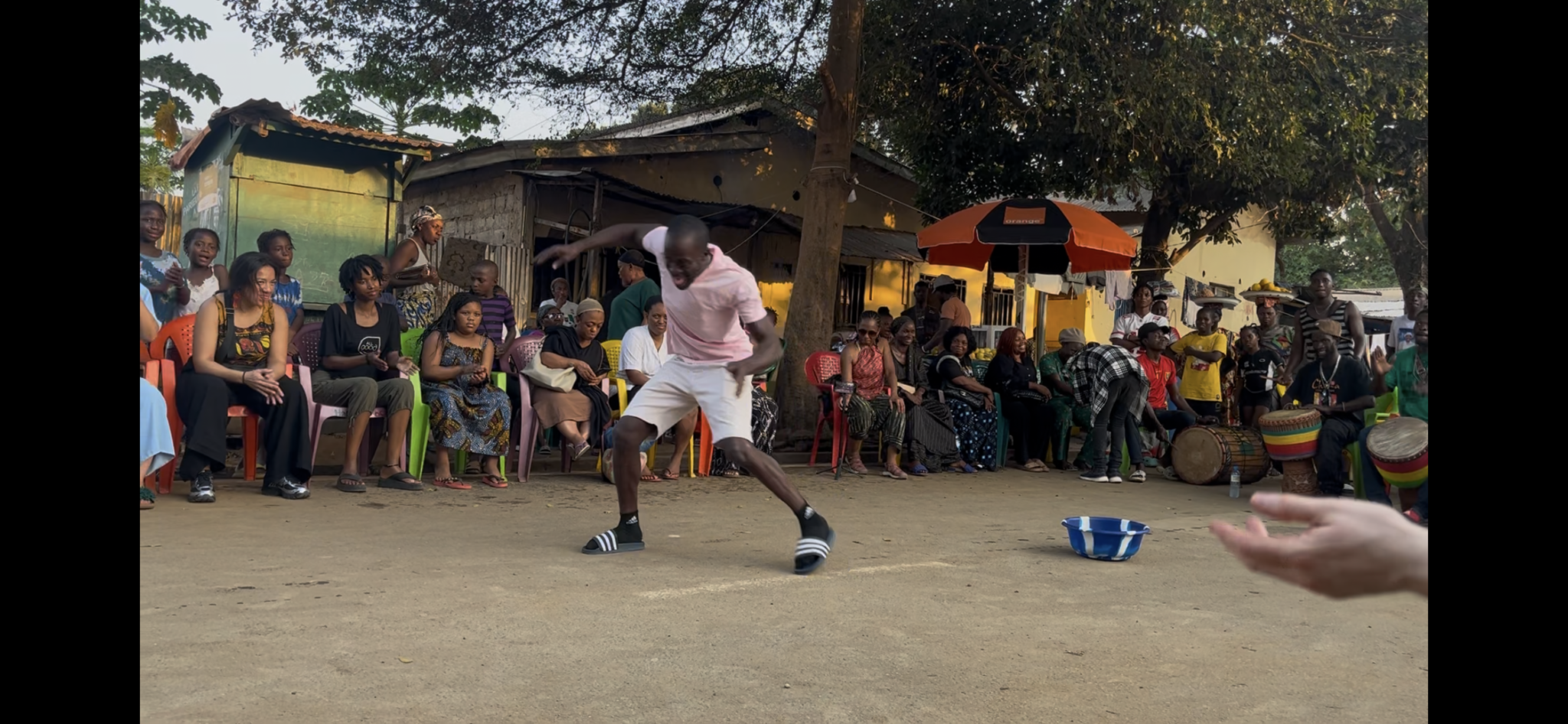
Figure 10: Dondounba.
Various economic and political obstacles could stand in the way of continued formal collaboration. Artists live under difficult economic conditions, and the political situation makes collaboration with public schools complicated. Financial support and clearer organization are needed. School visits revealed a significant cultural difference. Gambian children show courtesy, focus, and joy in learning, which inspired us, the Icelandic visitors, to use rhythm, a kinesthetic approach, and a playful spirit in our teaching.
The Icelandic group formed a strong bond on the trip. Trust, mutual support, and a shared experience strengthened the group, making the journey and collaboration easier. The participants experienced how important it is to know the meaning and origin of dances and rhythms before passing them on.
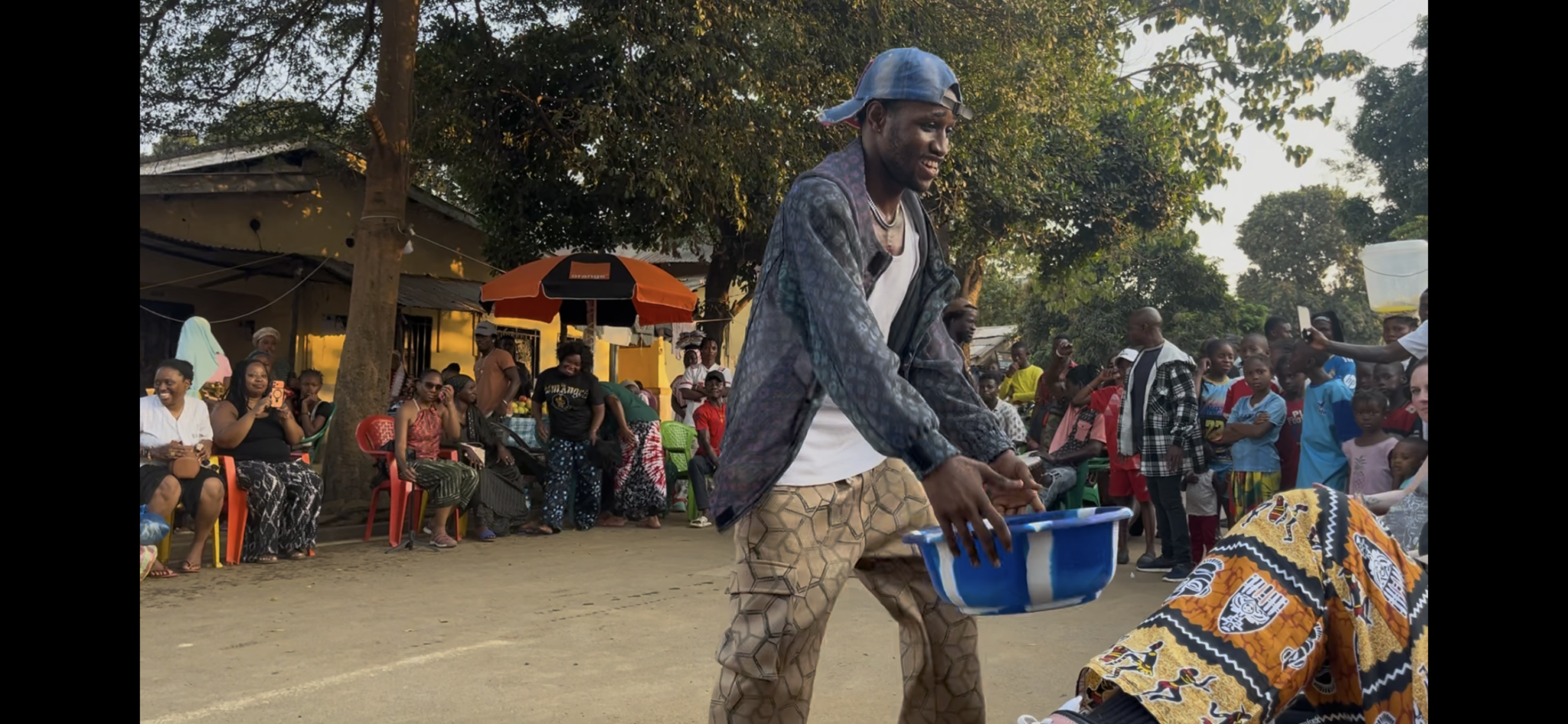
Figure 11: Kerfala collects monetary donations from guests.
There is a strong desire to continue the project and strengthen long-term cooperation. Ideas for the future, such as a grant fund, more study tours, visits by artists to Iceland, and possible UNESCO connections, were strongly expressed.
Finally, I would like to thank my fellow travelers, especially the students who wrote well-crafted papers following the trip. Much of what is presented here comes from them. I also thank my fellow travelers from the previous trip to Guinea, in January 2025.
(T.O.N.
[1] Oral source: Mamady Sano, Jan. 12, 2026
[2] Doundounba are open street events organized by the residents of the local neighborhood where a group of drummers plays and others sit in a circle around the dance area and can join in the dance, either on their own initiative or at the encouragement of another dancer. Donations finance the payments for the drummers and lead dancers.