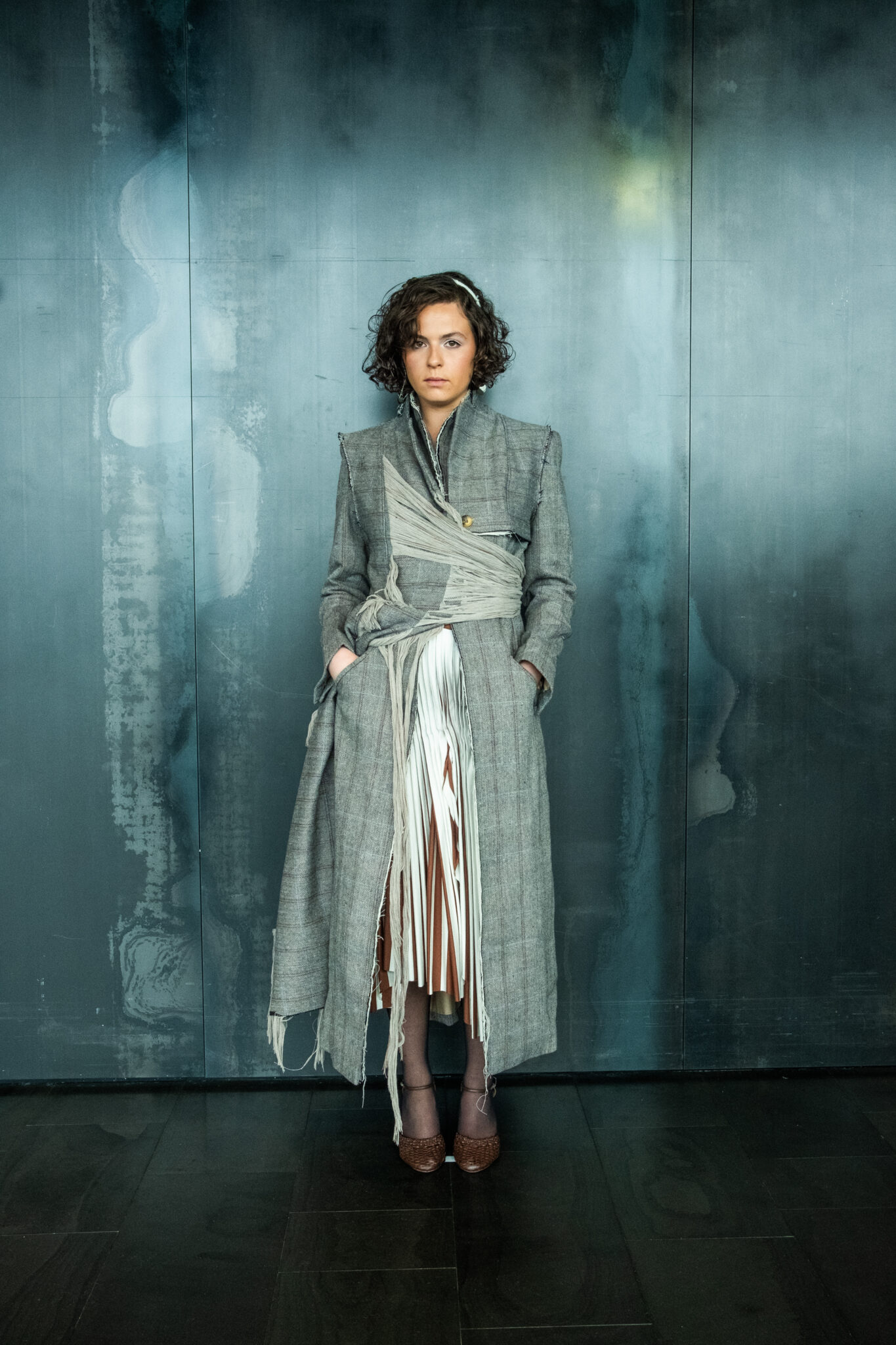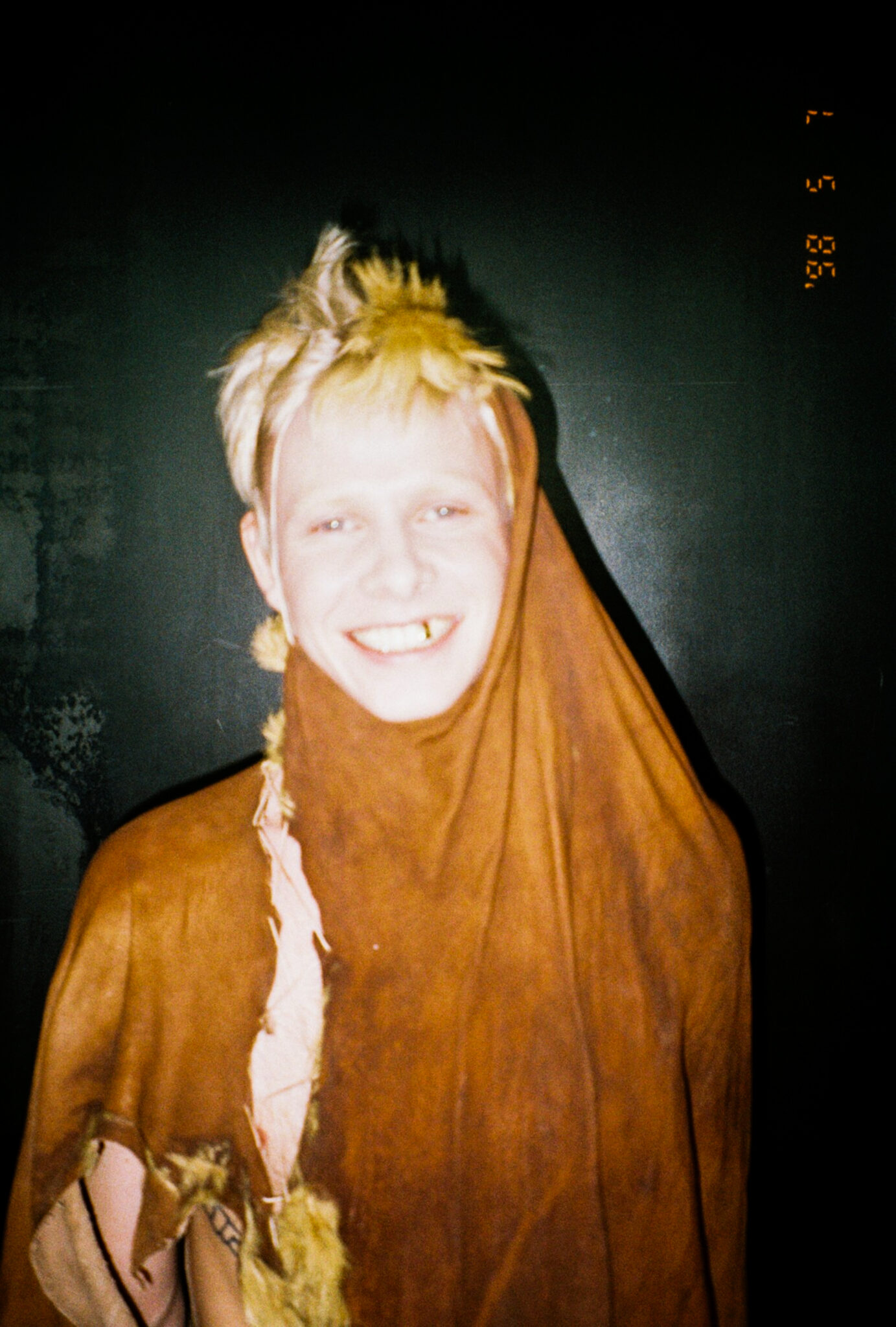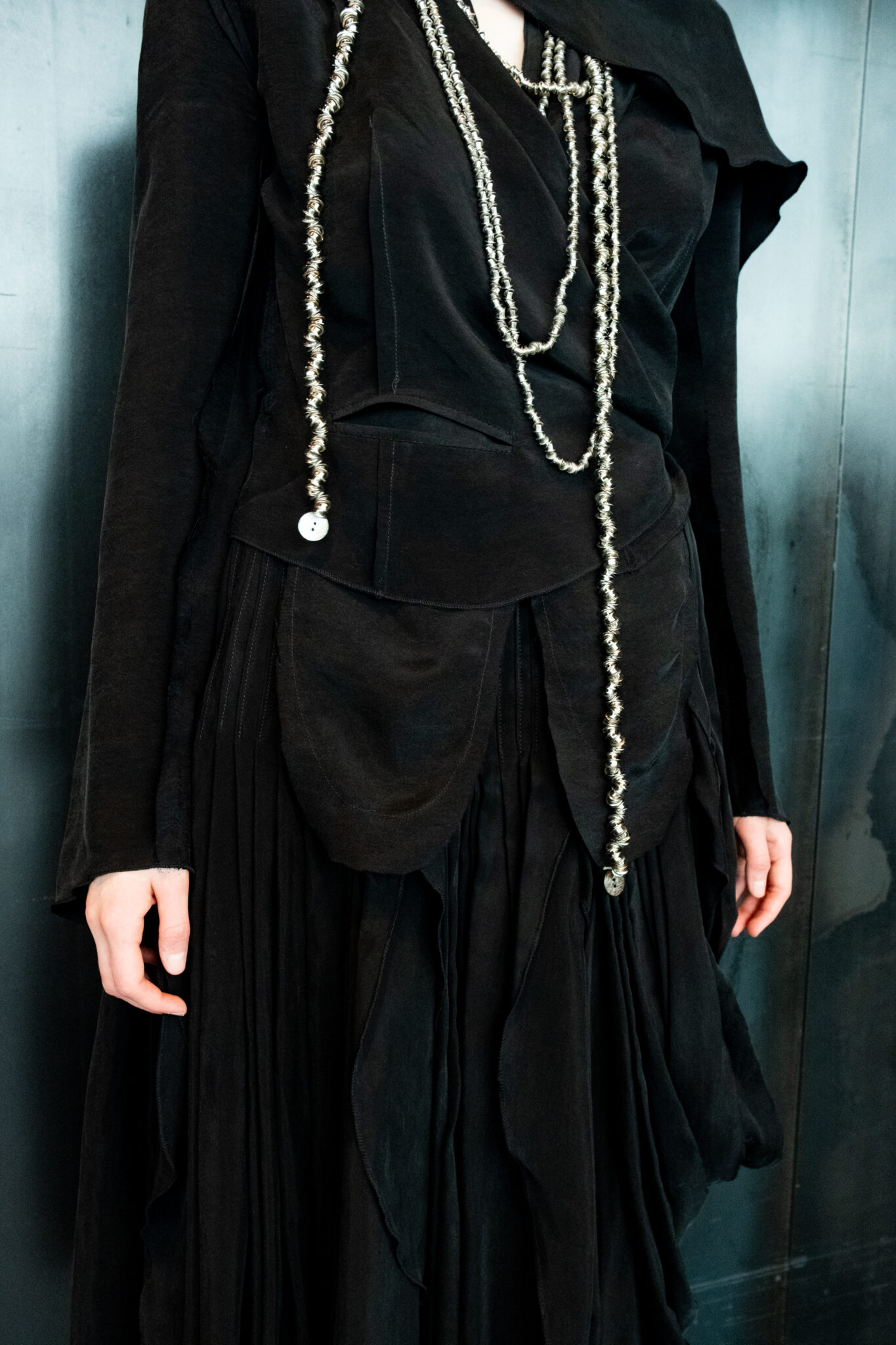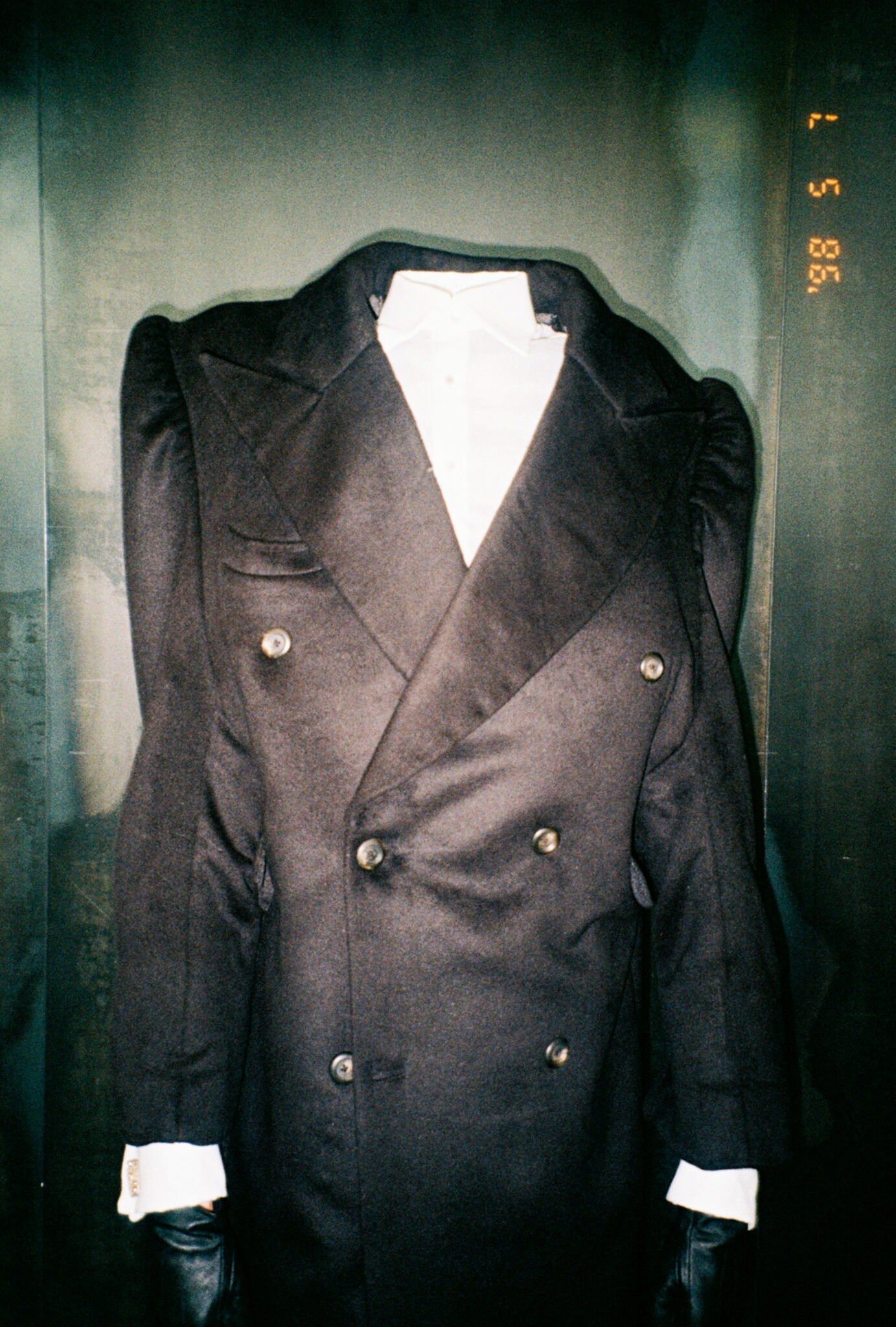
- 180 ECTS Units
- 6 semesters - 3 years Duration of study
- BA Degree
- May / June 2026 Answers sent to applicants
- 13 January 2027 Application website opens
- 5 April 2027 Final deadline for applications
Information is provided in Icelandic for study programs that have Icelandic as the primary language of construction.
About the programme
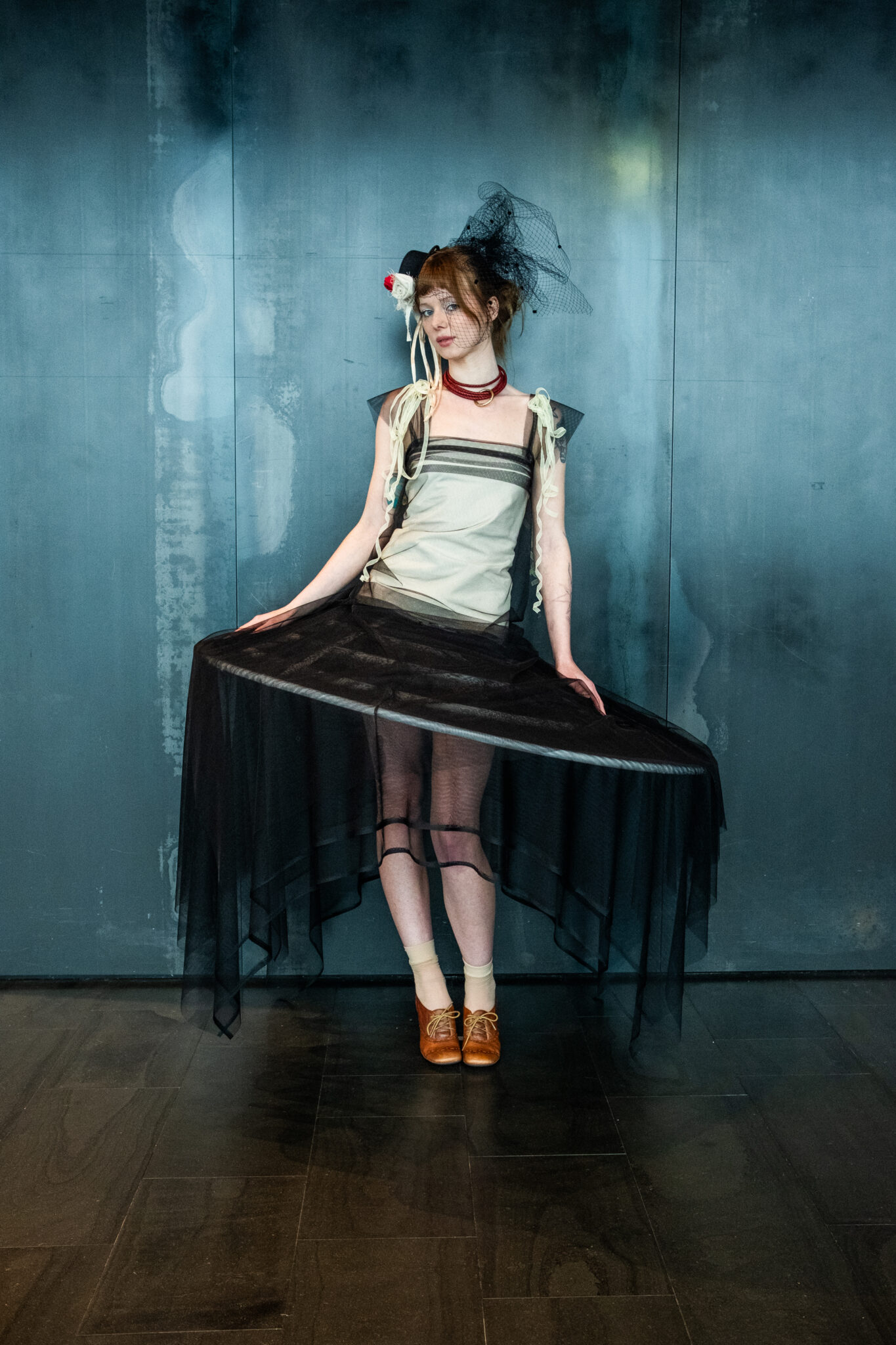
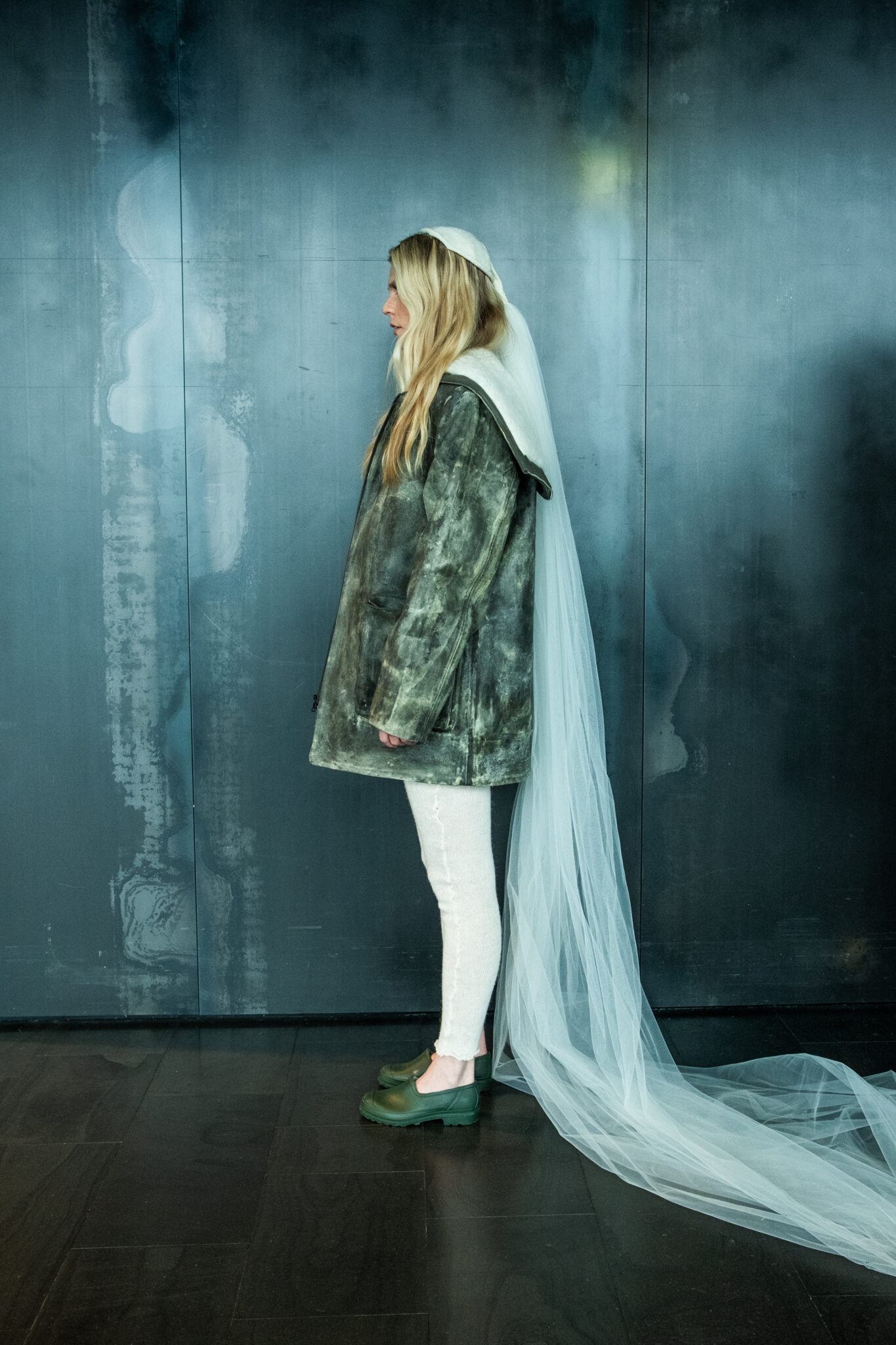
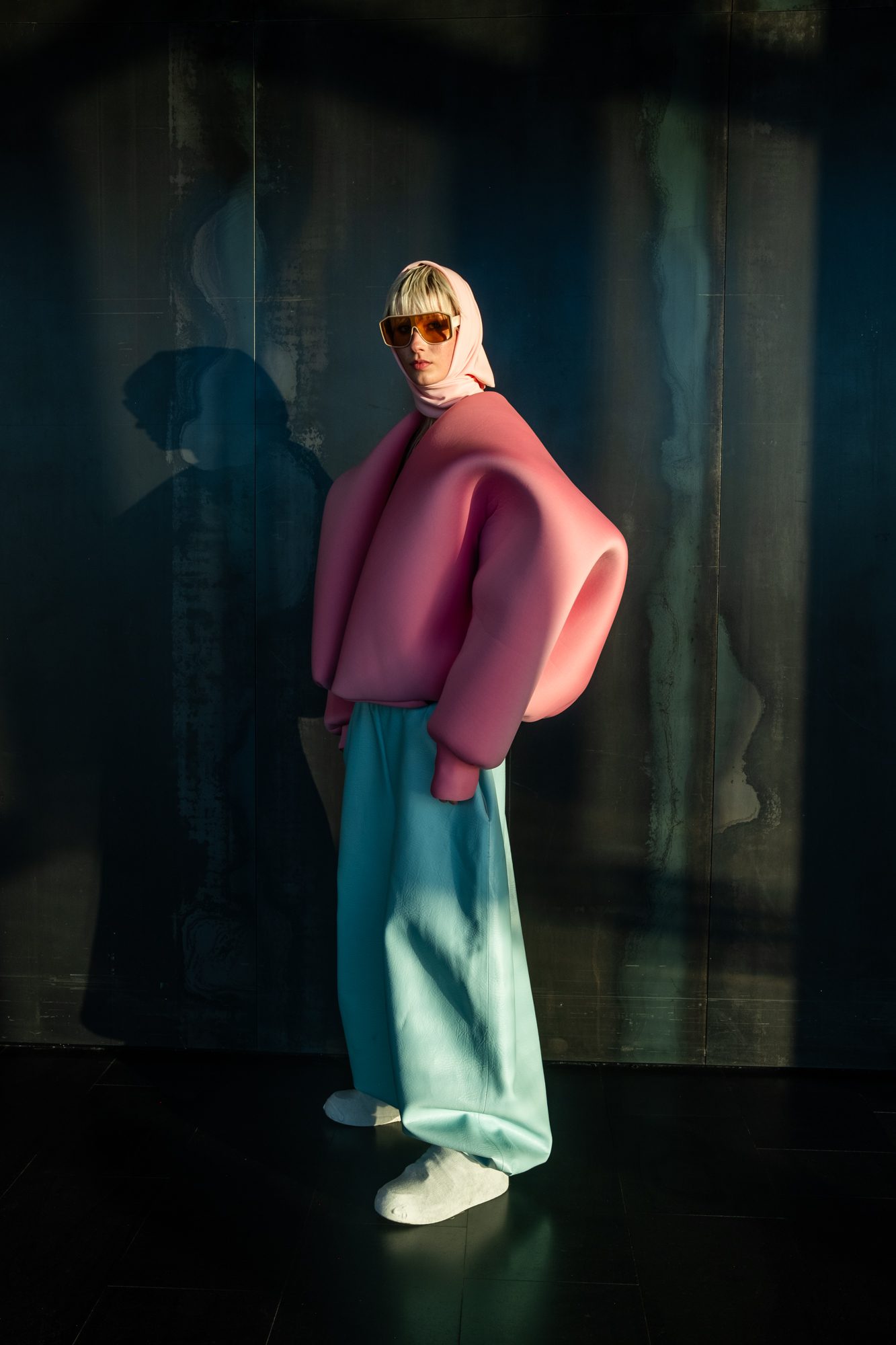
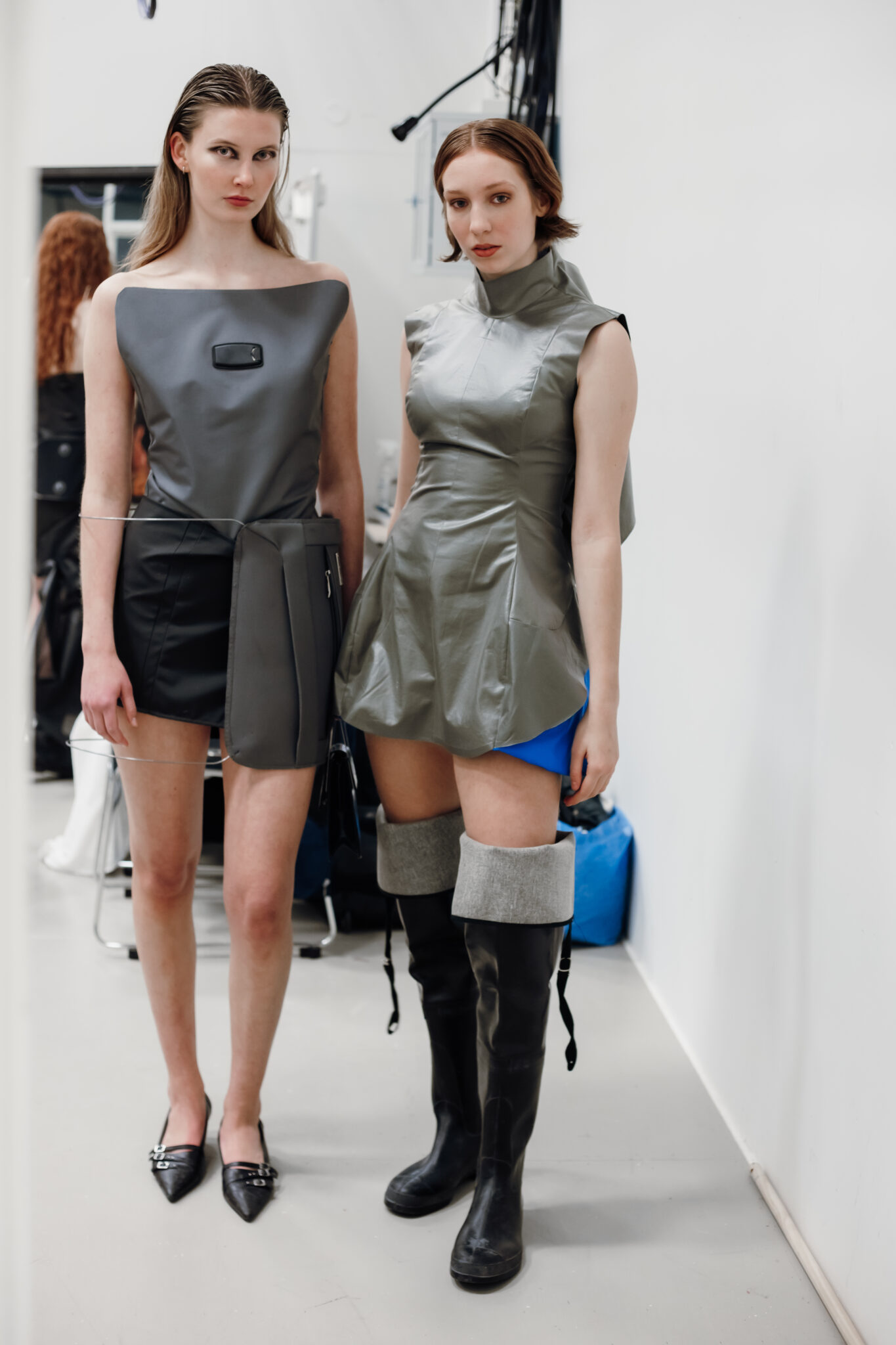
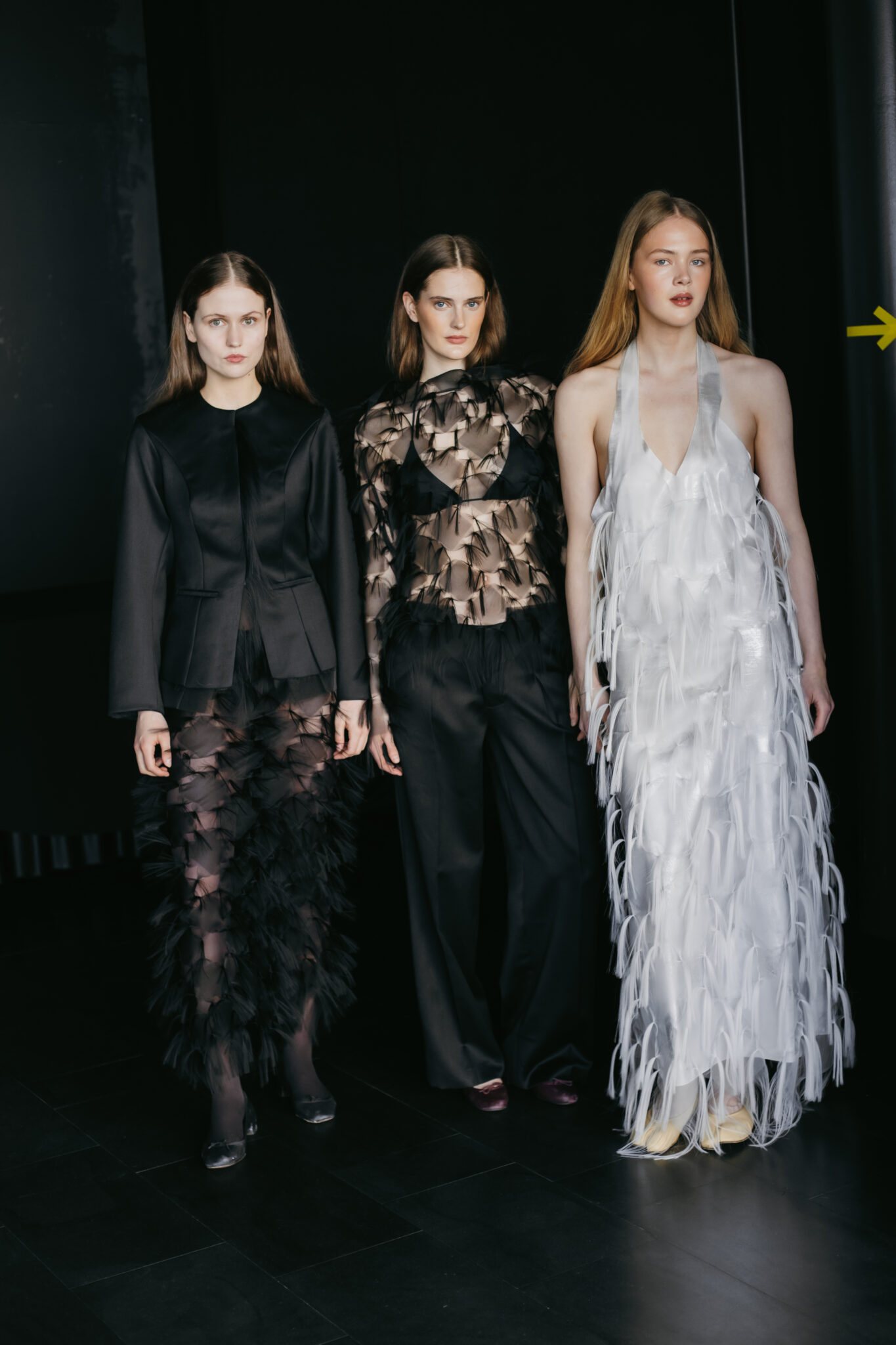
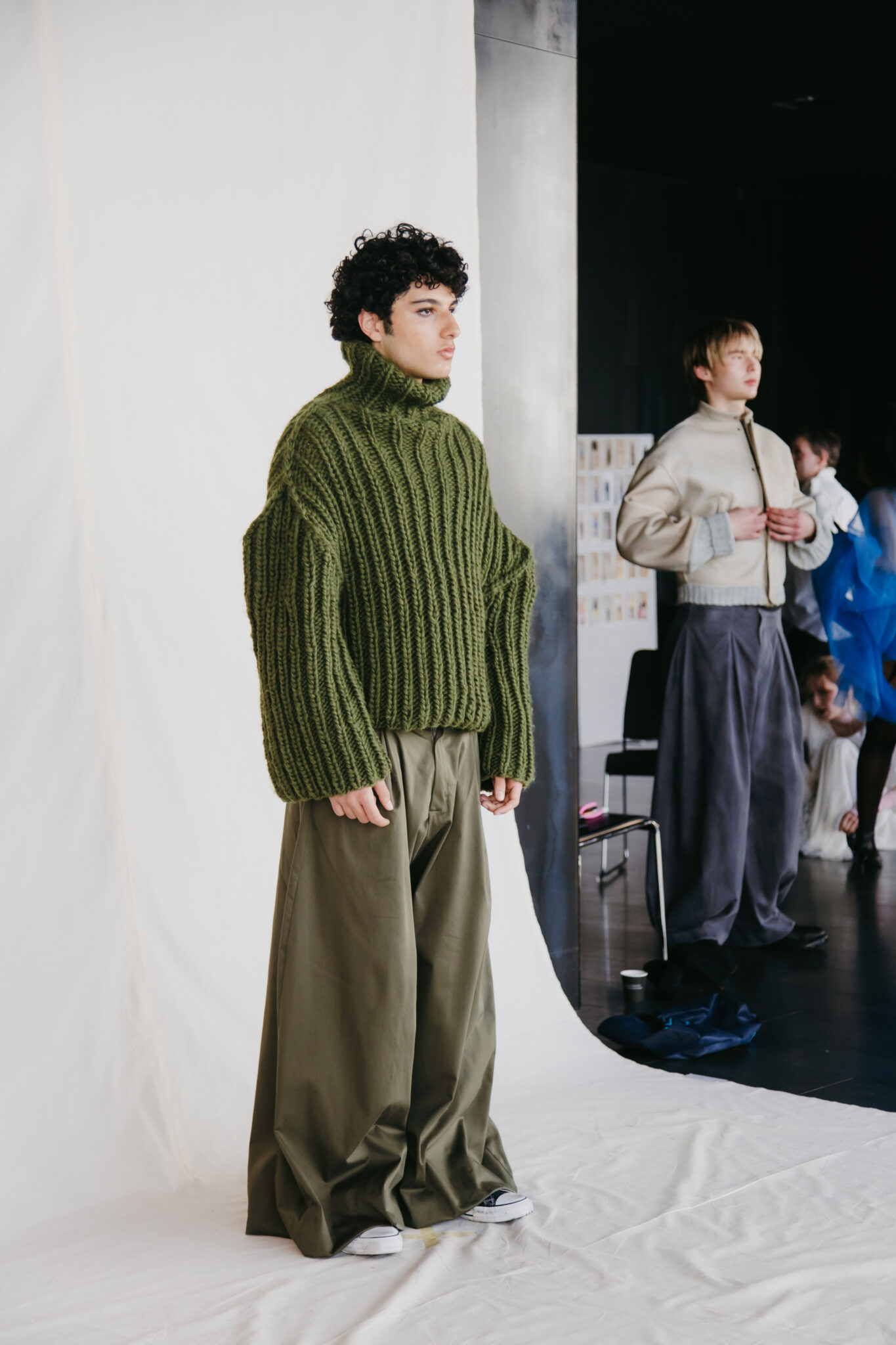
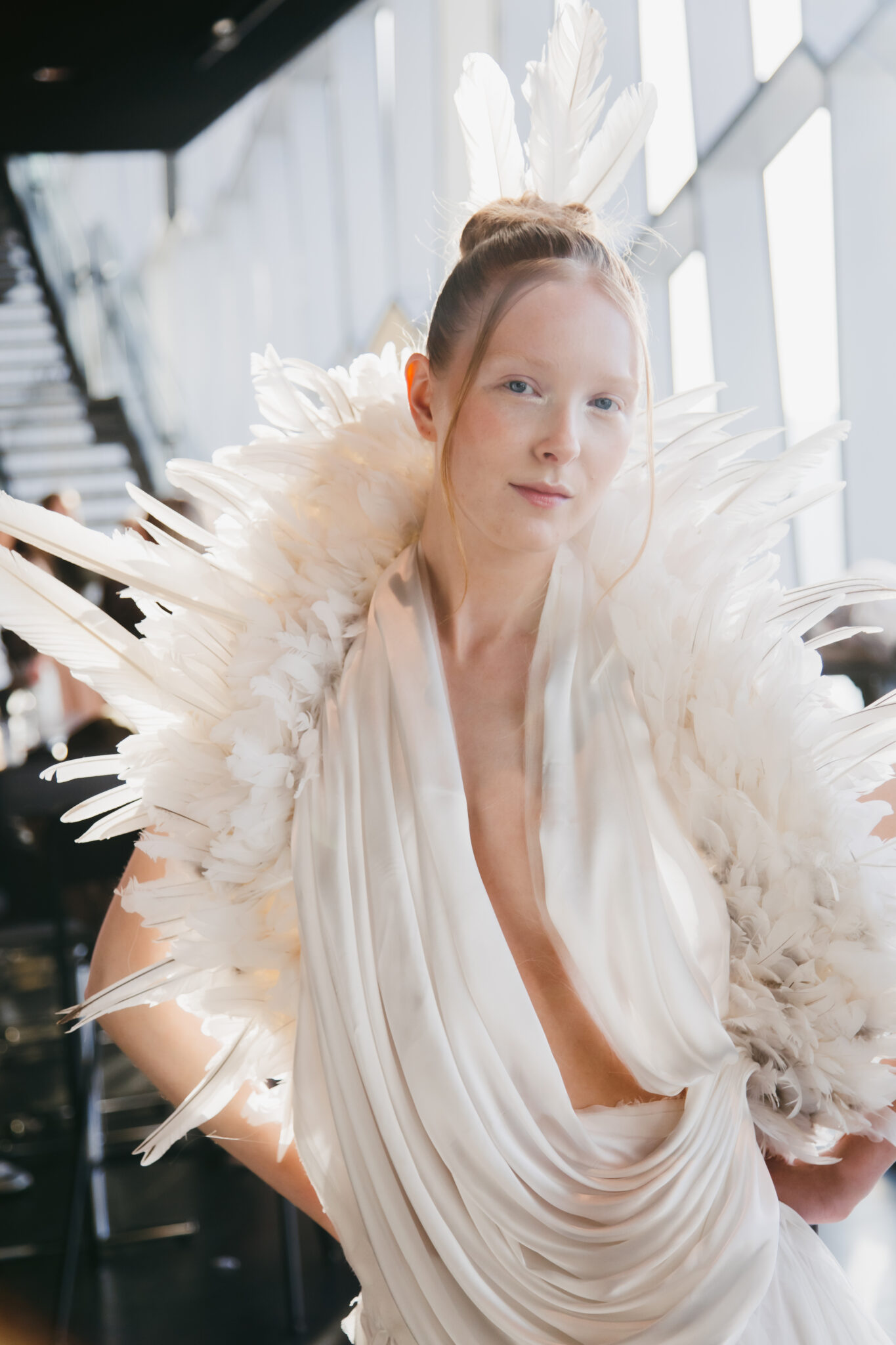
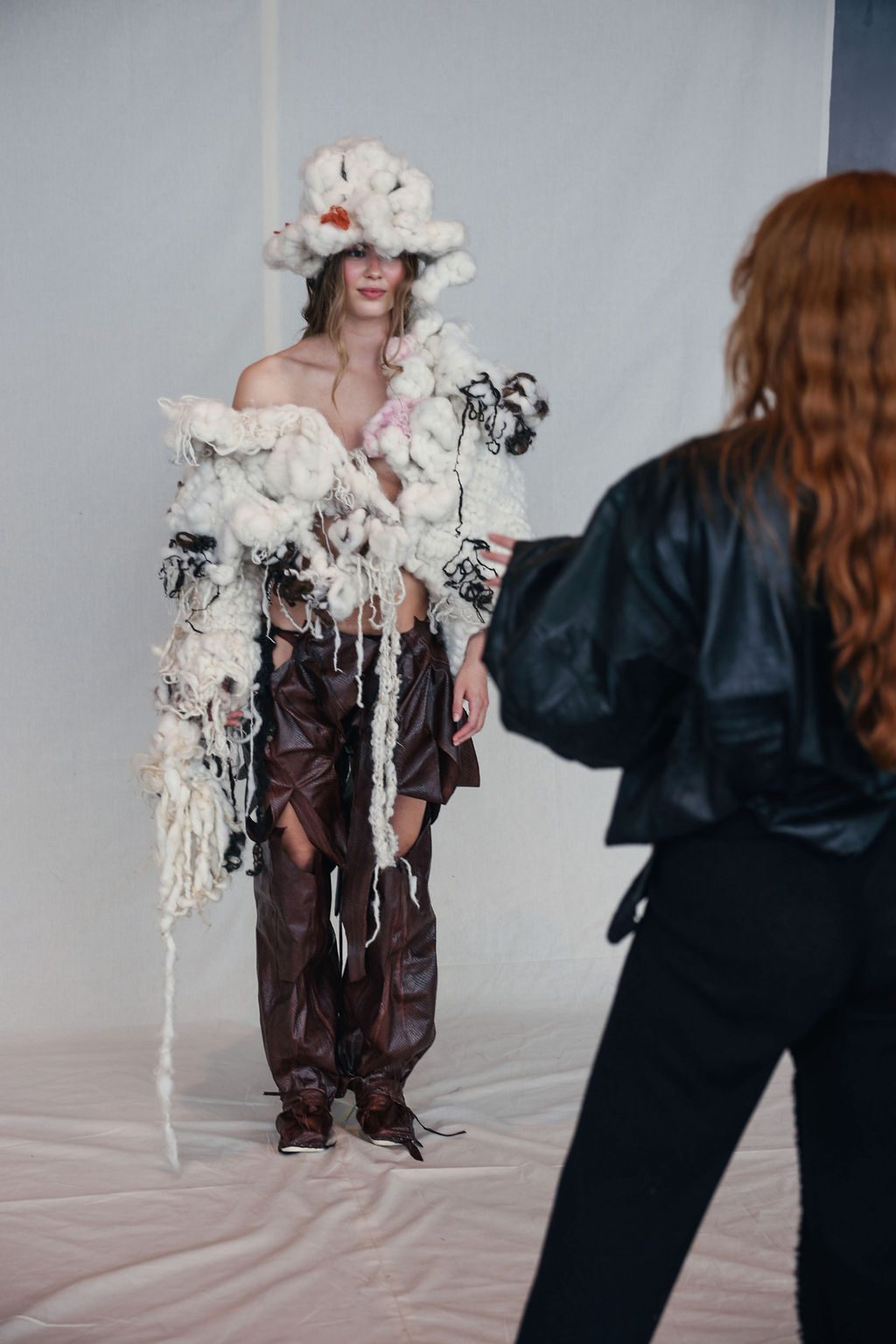
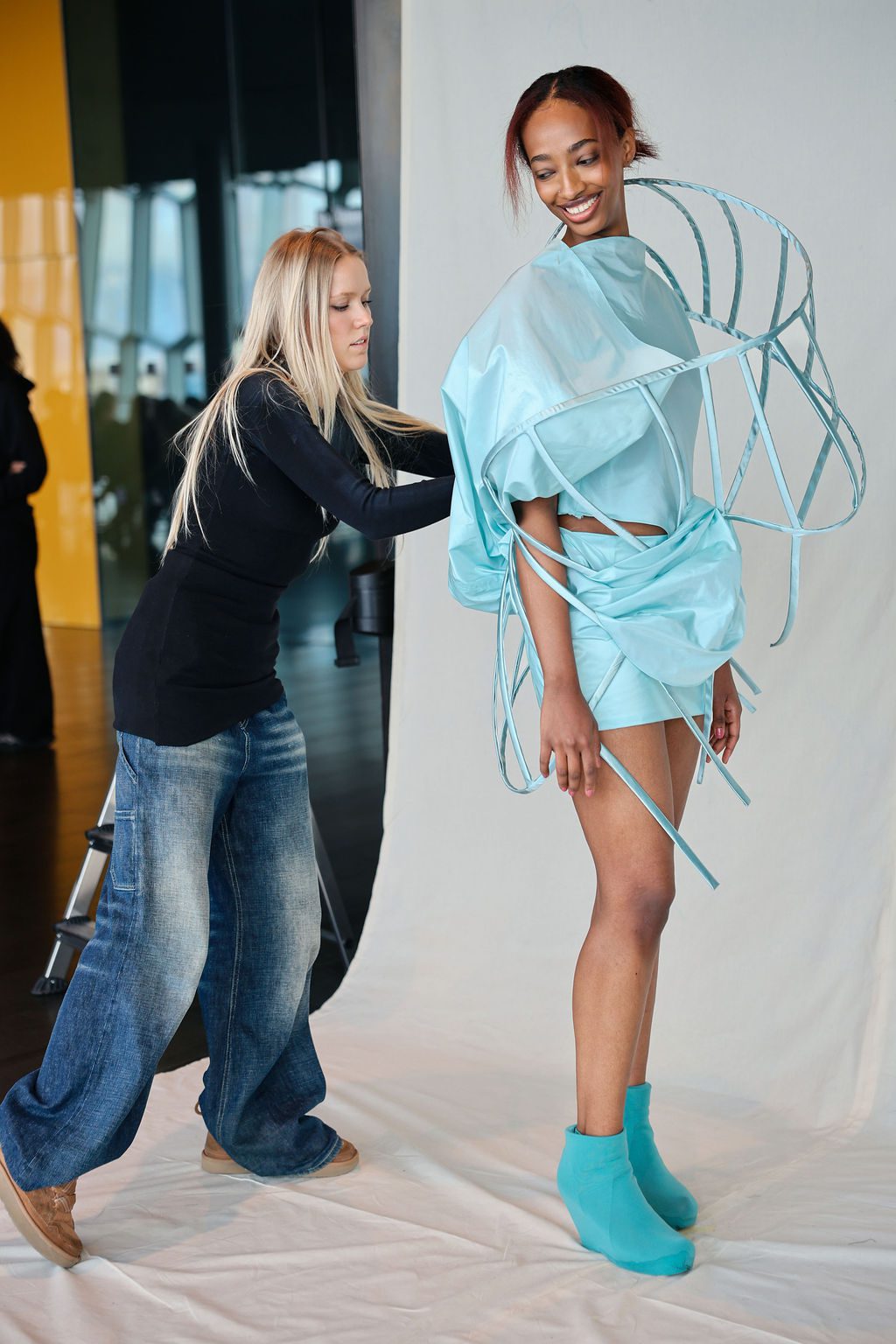
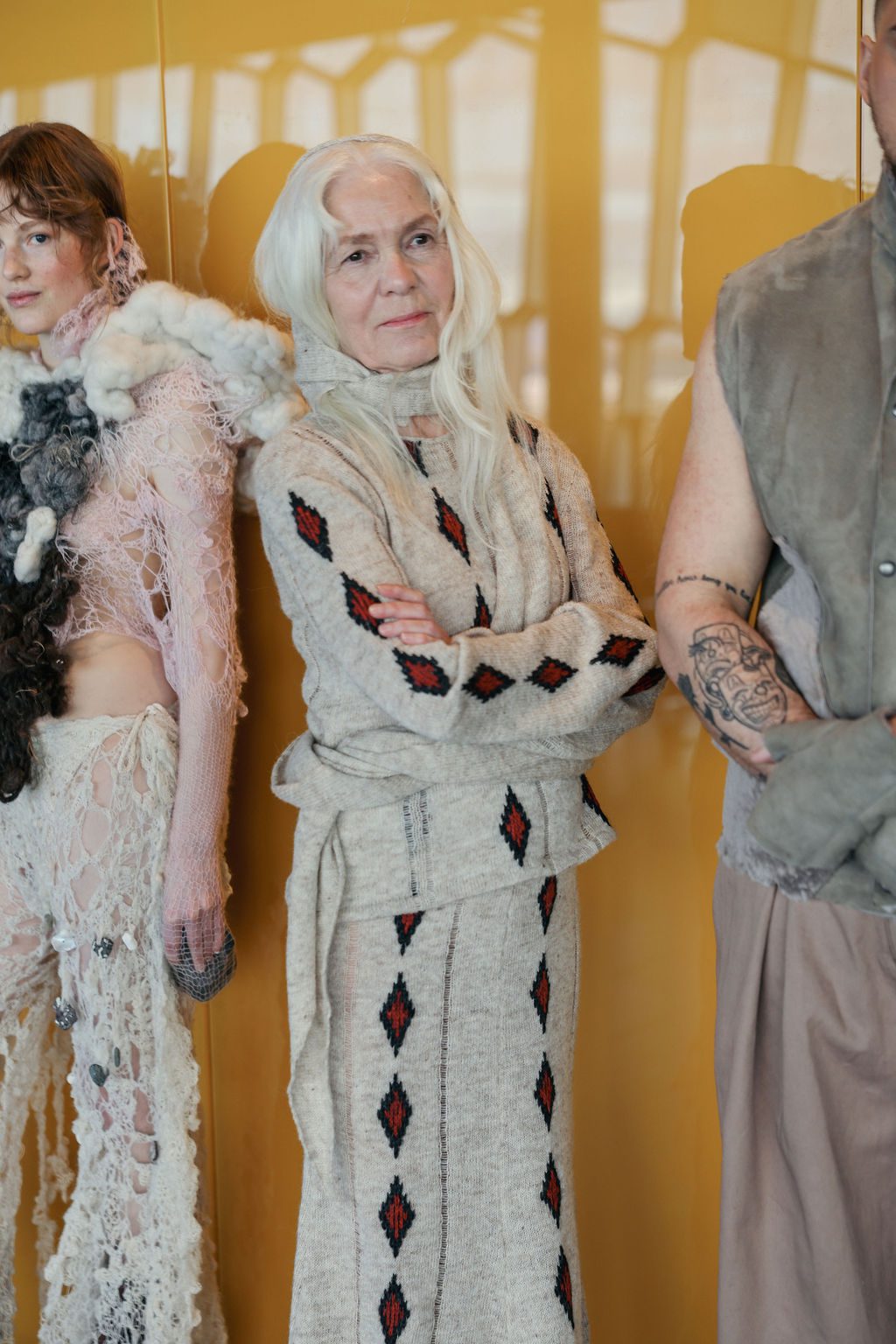
Emphasis is placed on introducing students to diverse methods of design processes, promoting critical creative thinking, and preparing students to face contemporary challenges with design methods.
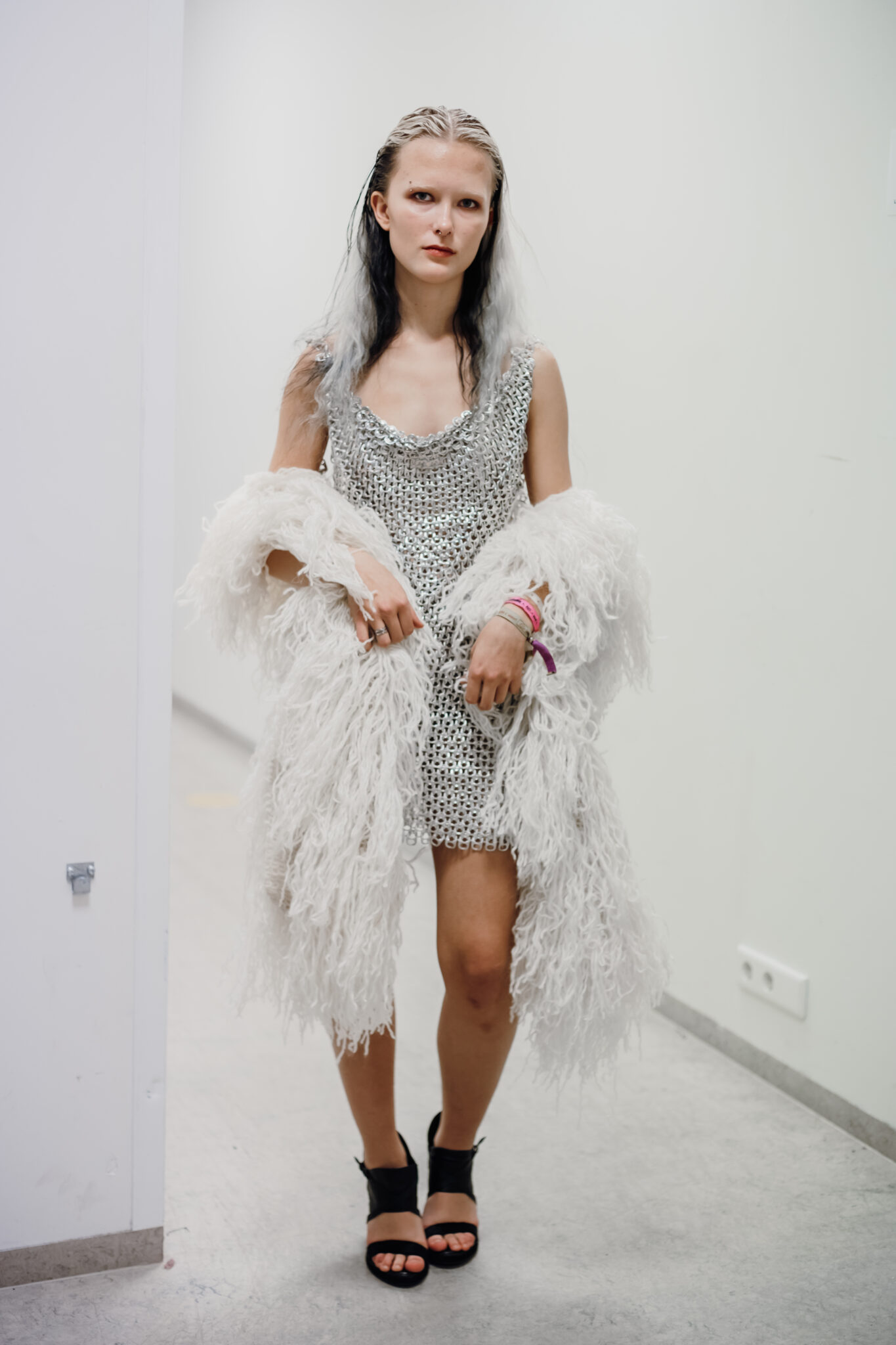
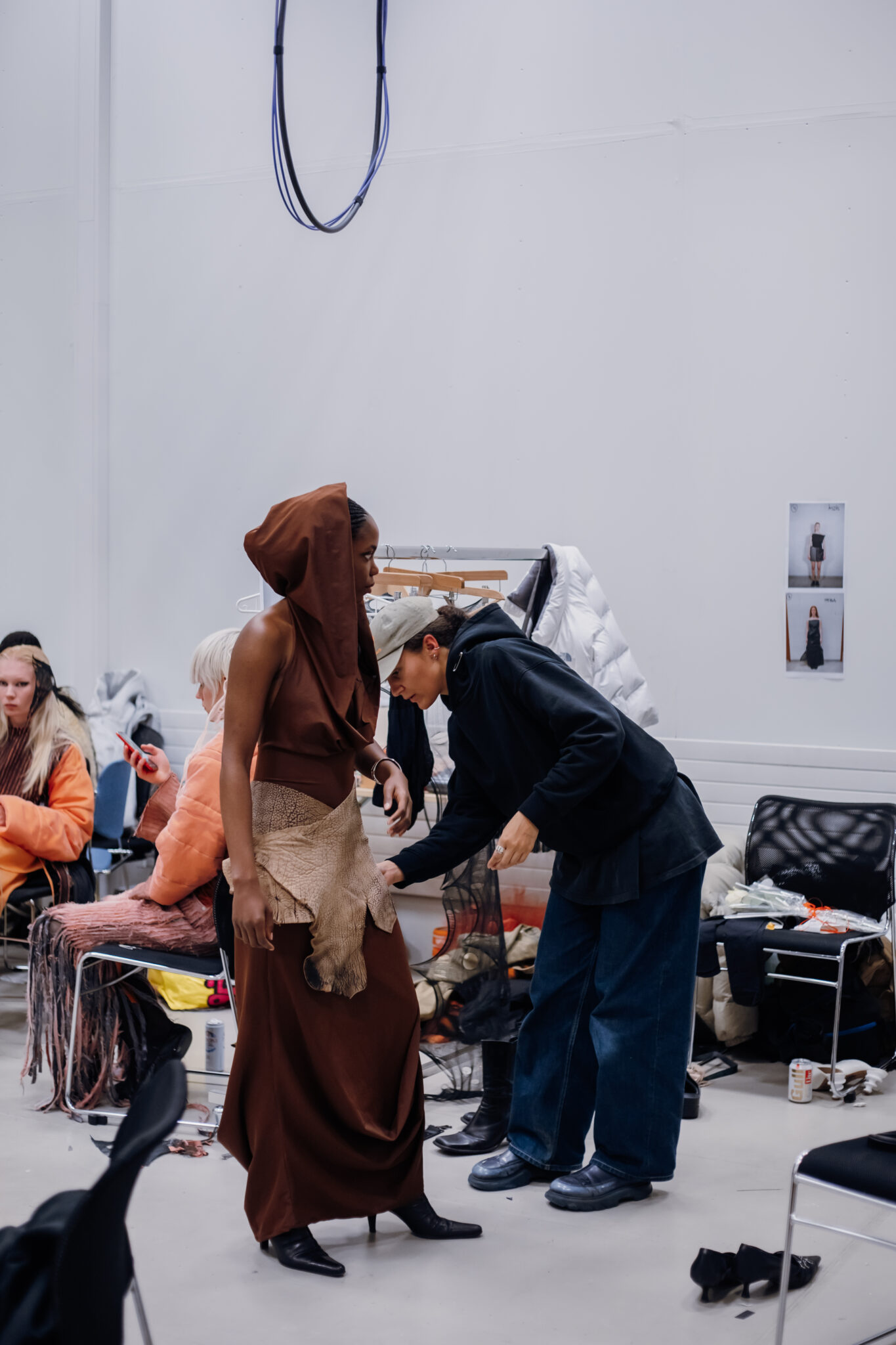
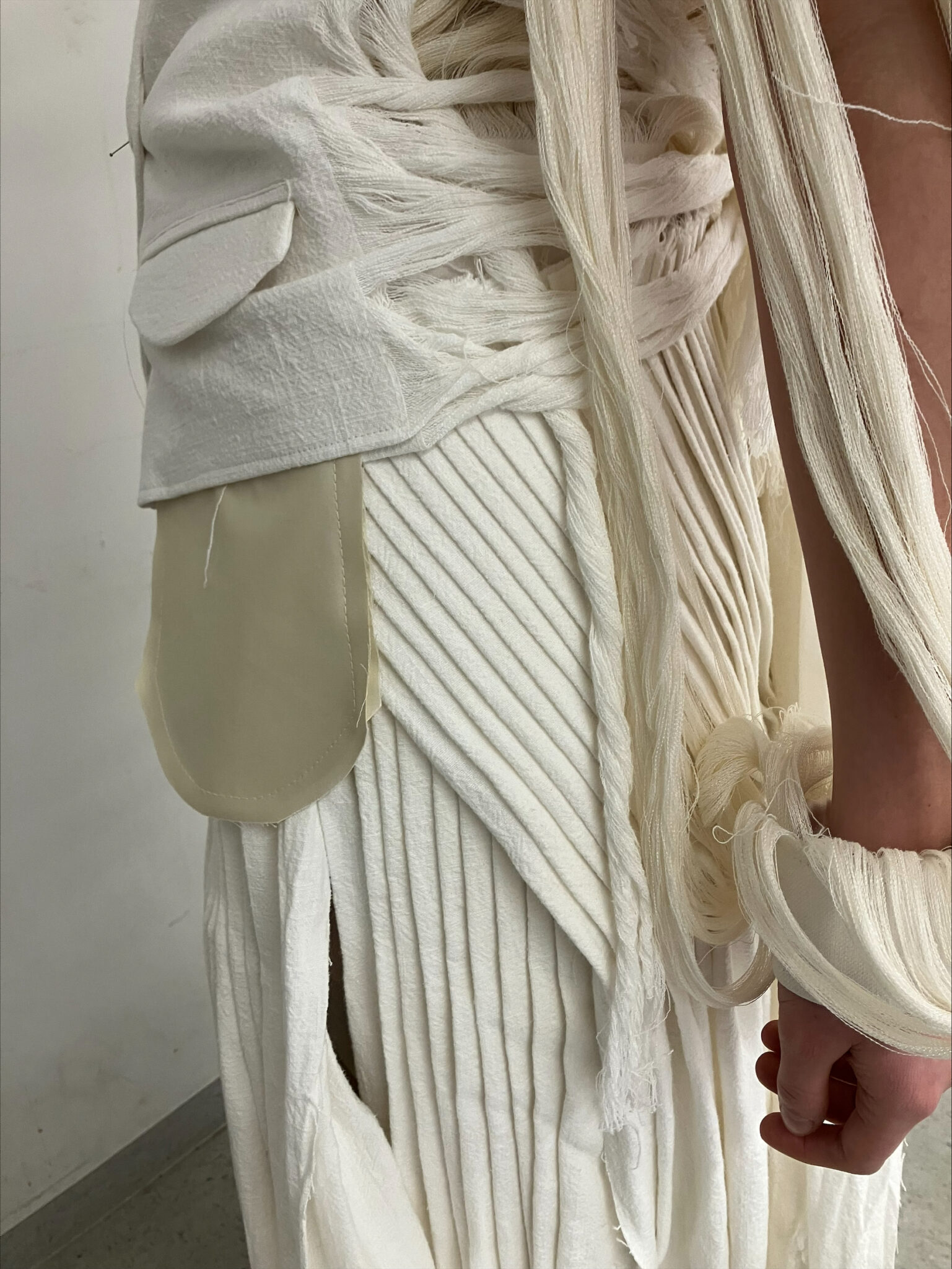
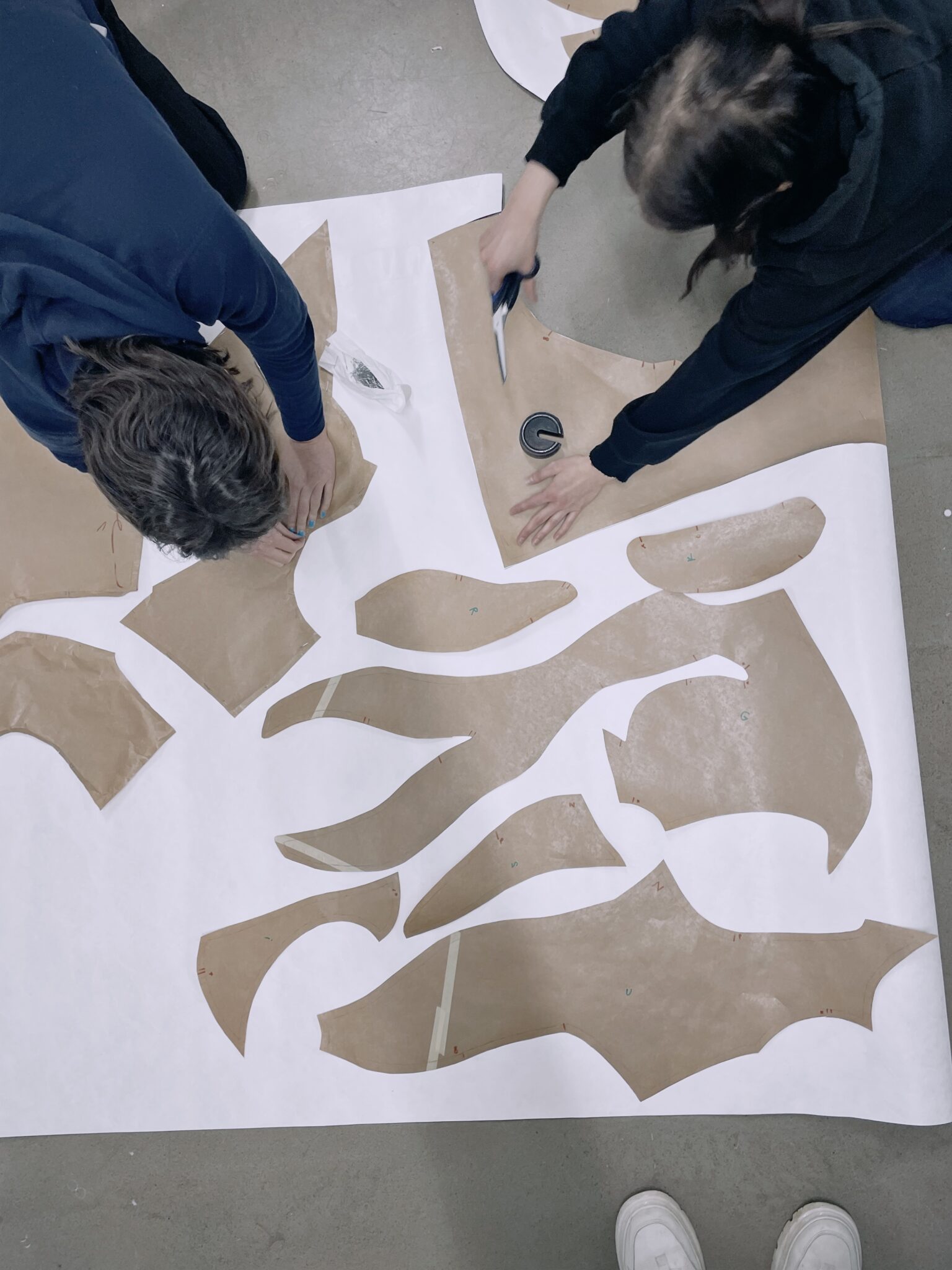
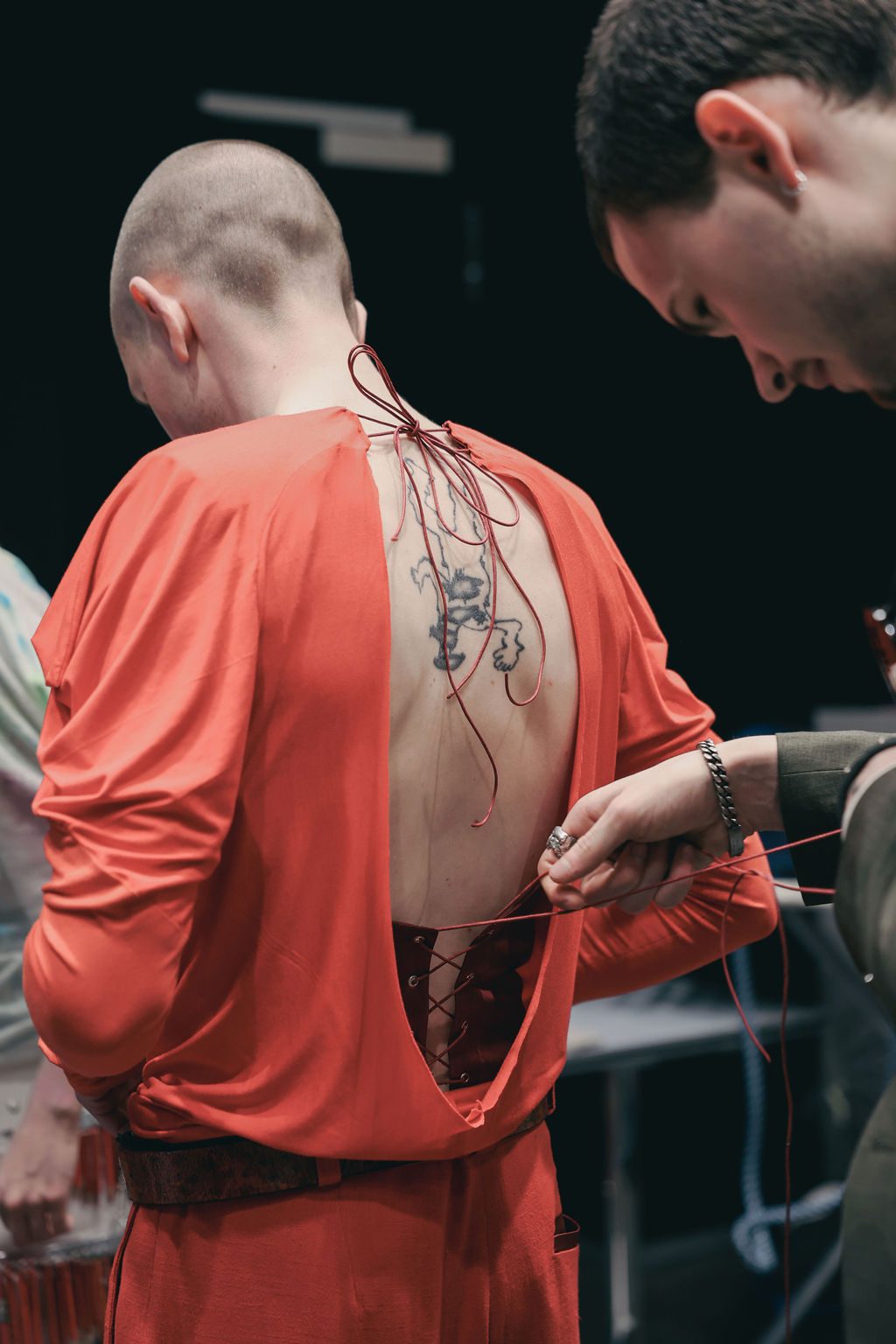
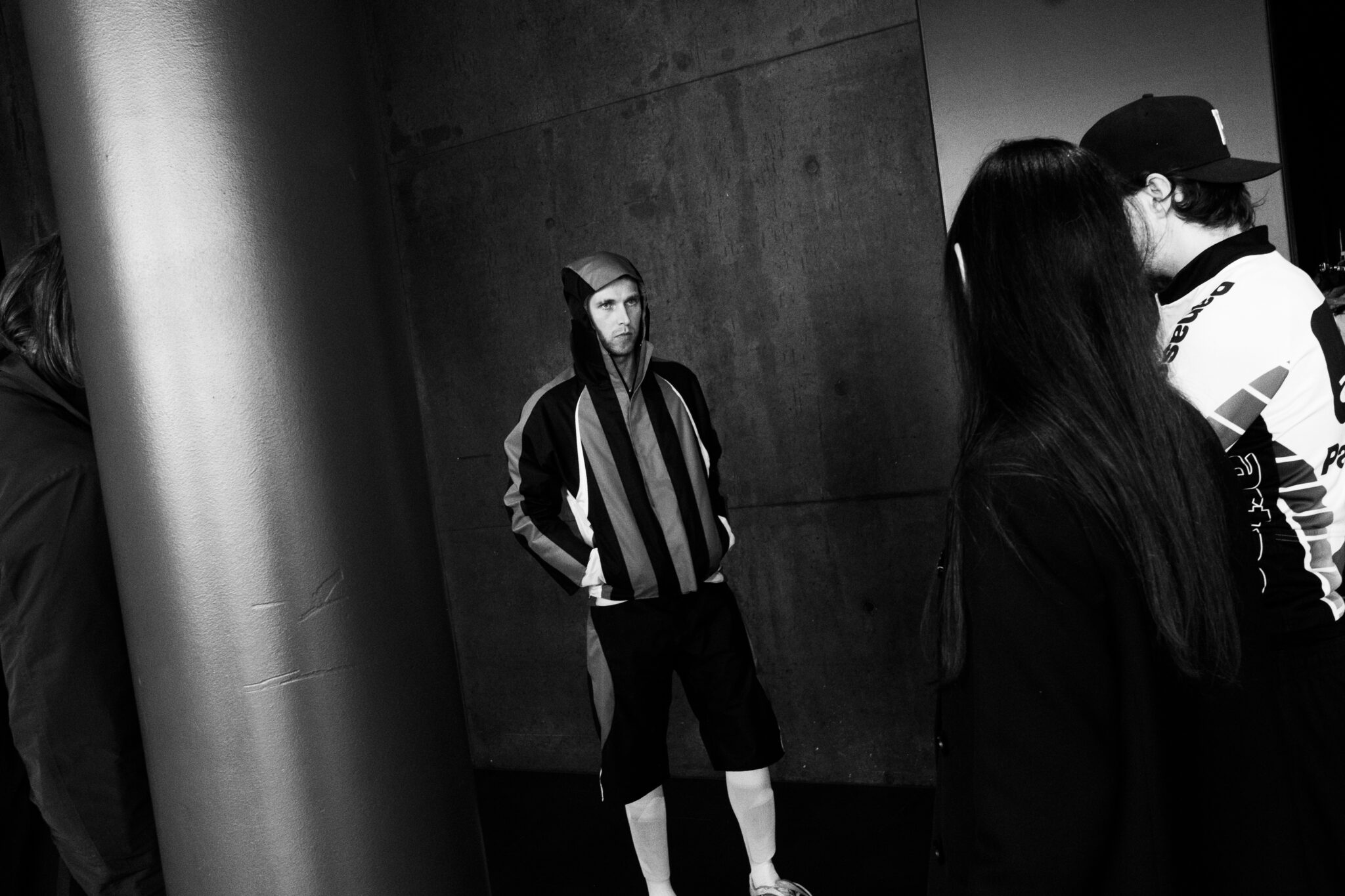
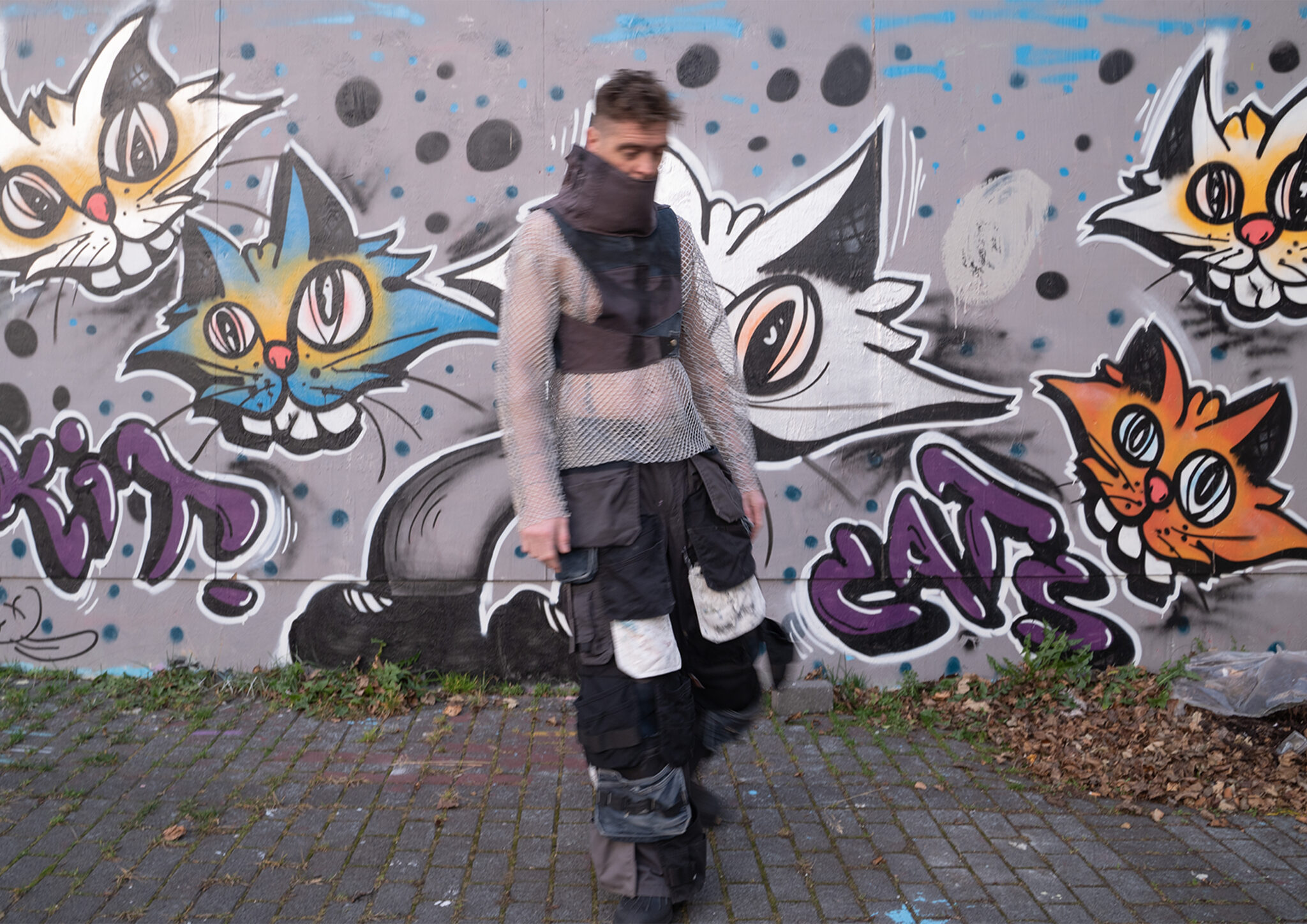
Environmental considerations, quality, technology and creative crafts are key concepts of the program Students conduct a study that is the common thread through conceptual work, methodology, sketch work, chemical selection, implementation of implementations in materials and ultimately dissemination of results Students receive training in technical media and applications, formatting, dressmaking, drawing, diverse textile methods and methods of sharing works, such as photography and presentation.
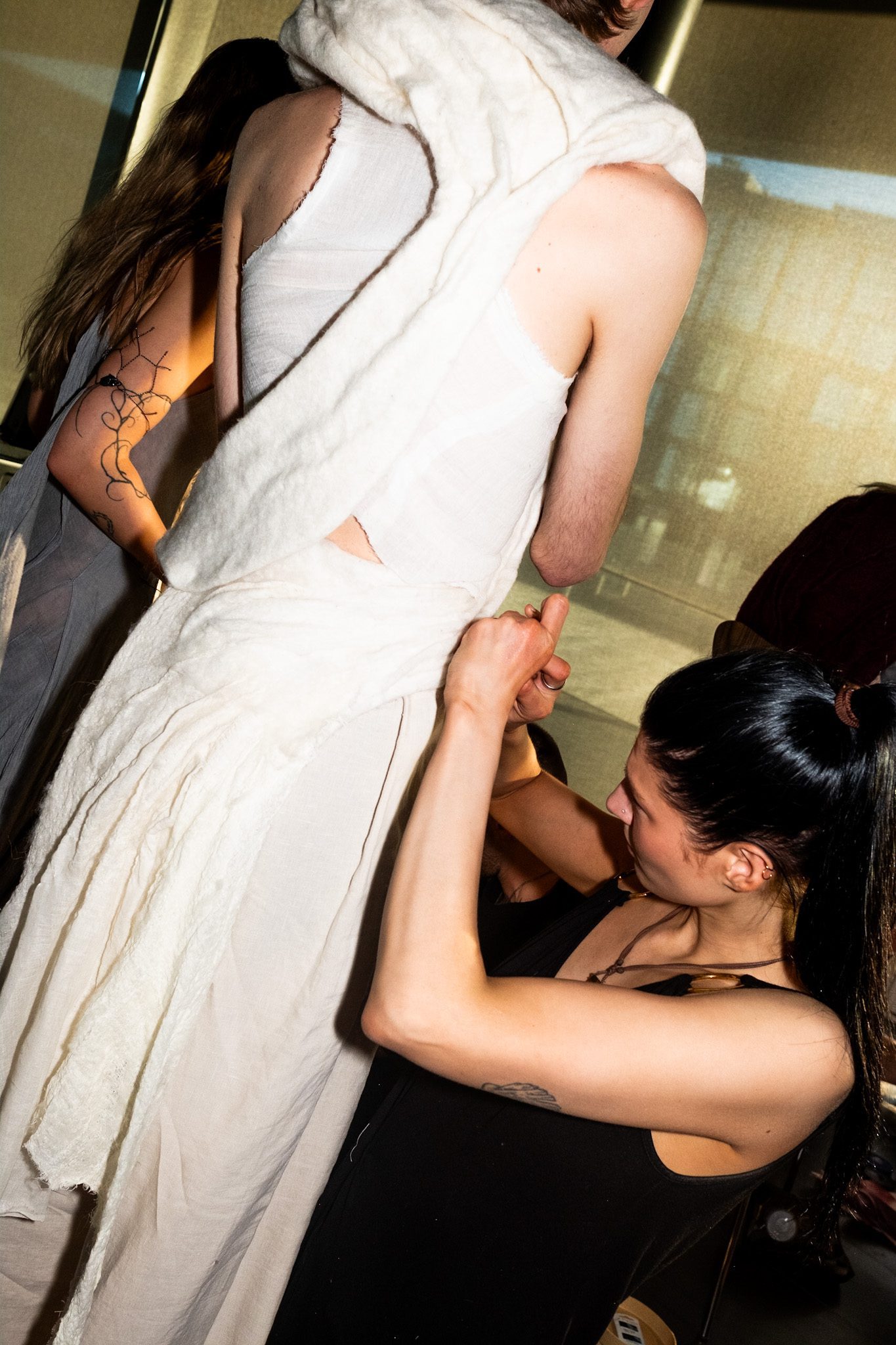
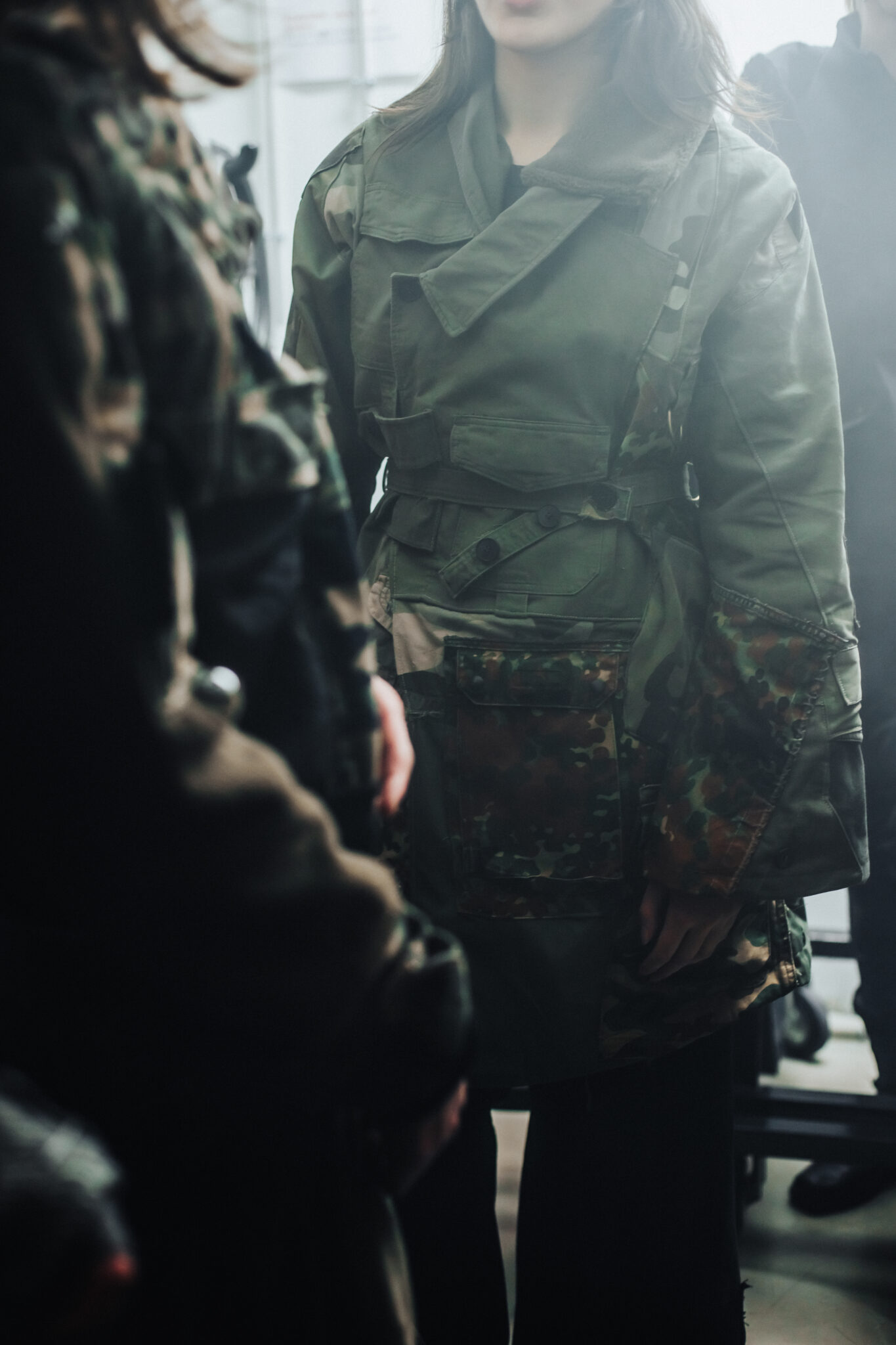
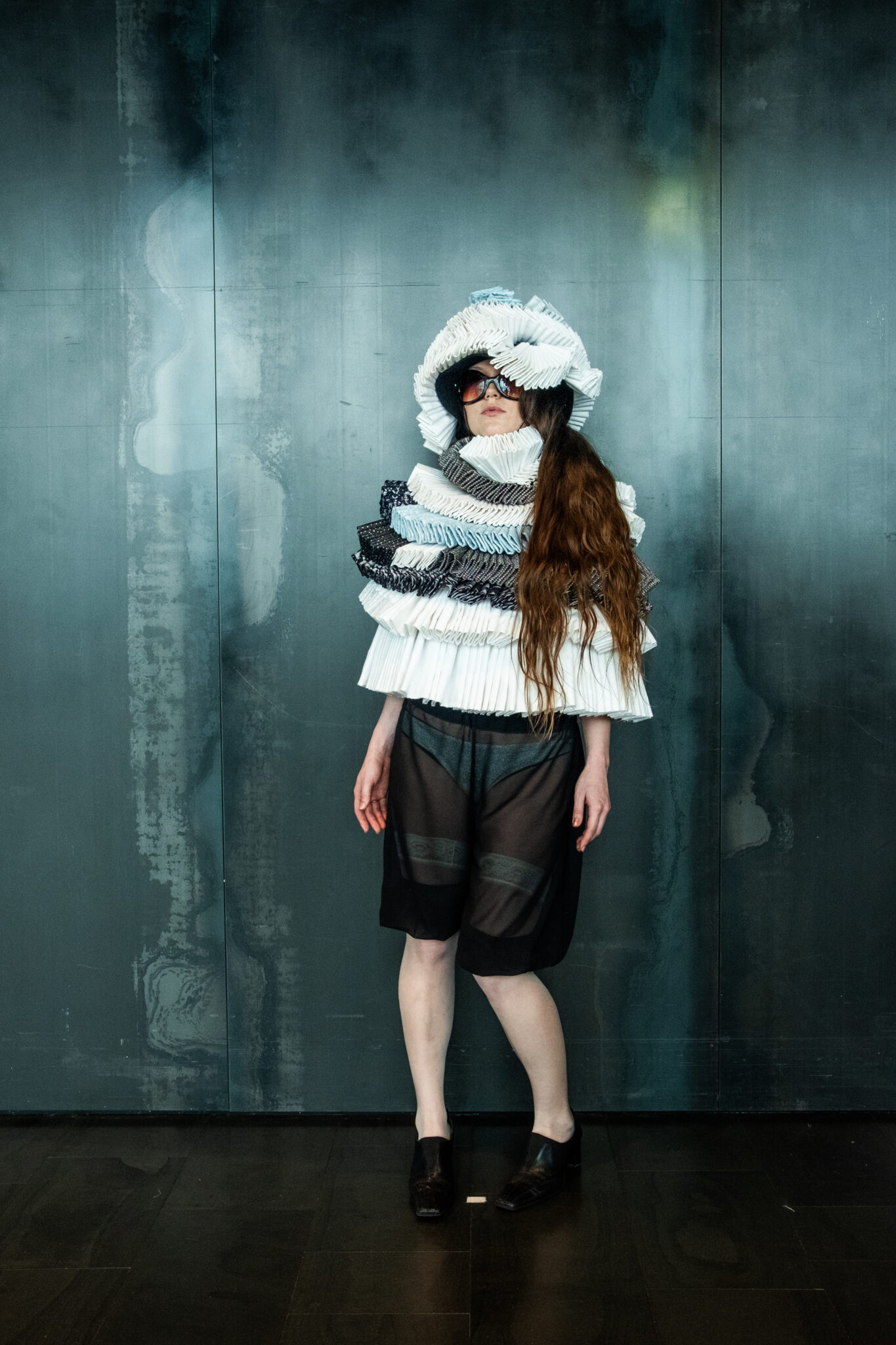
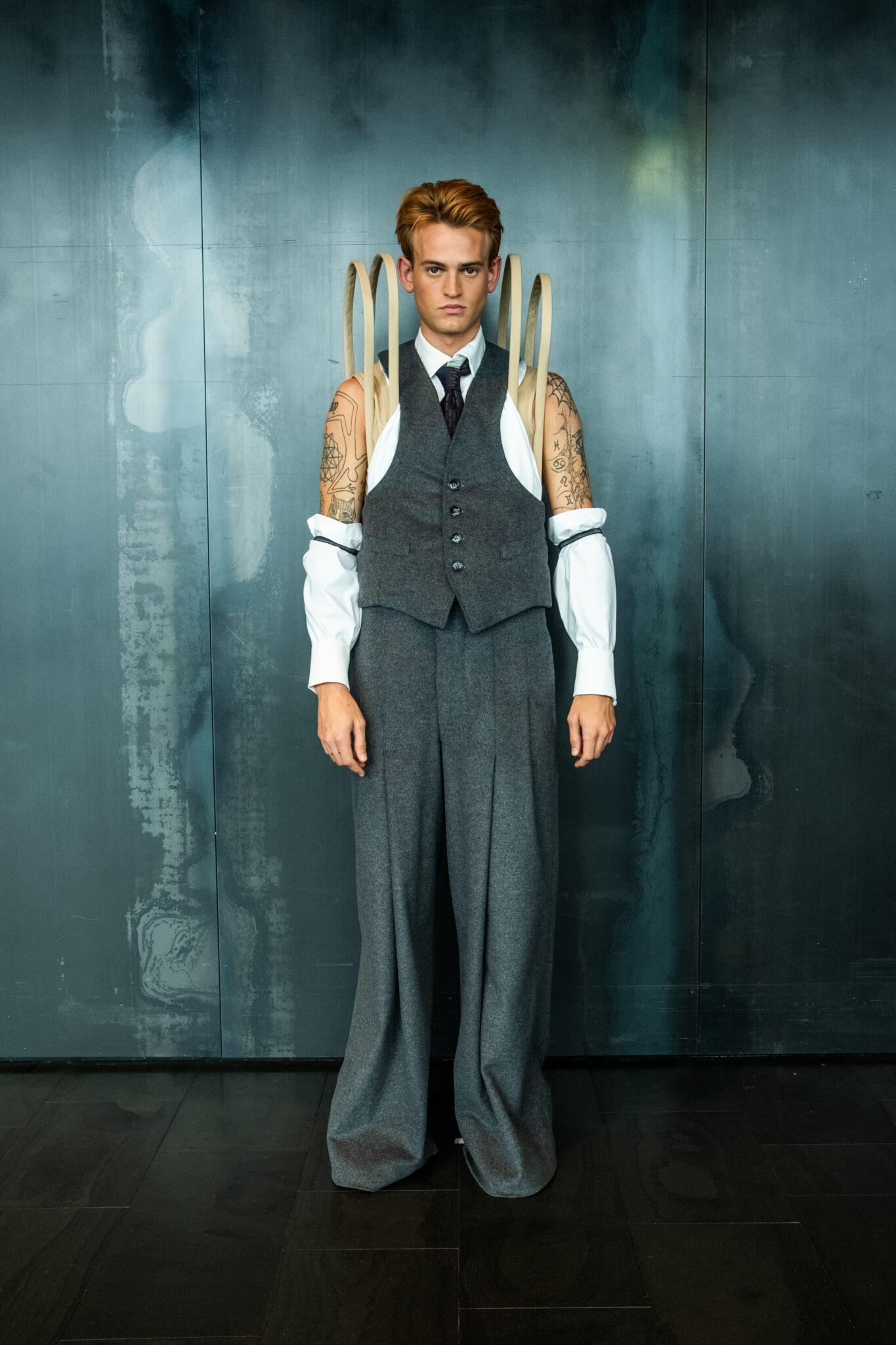
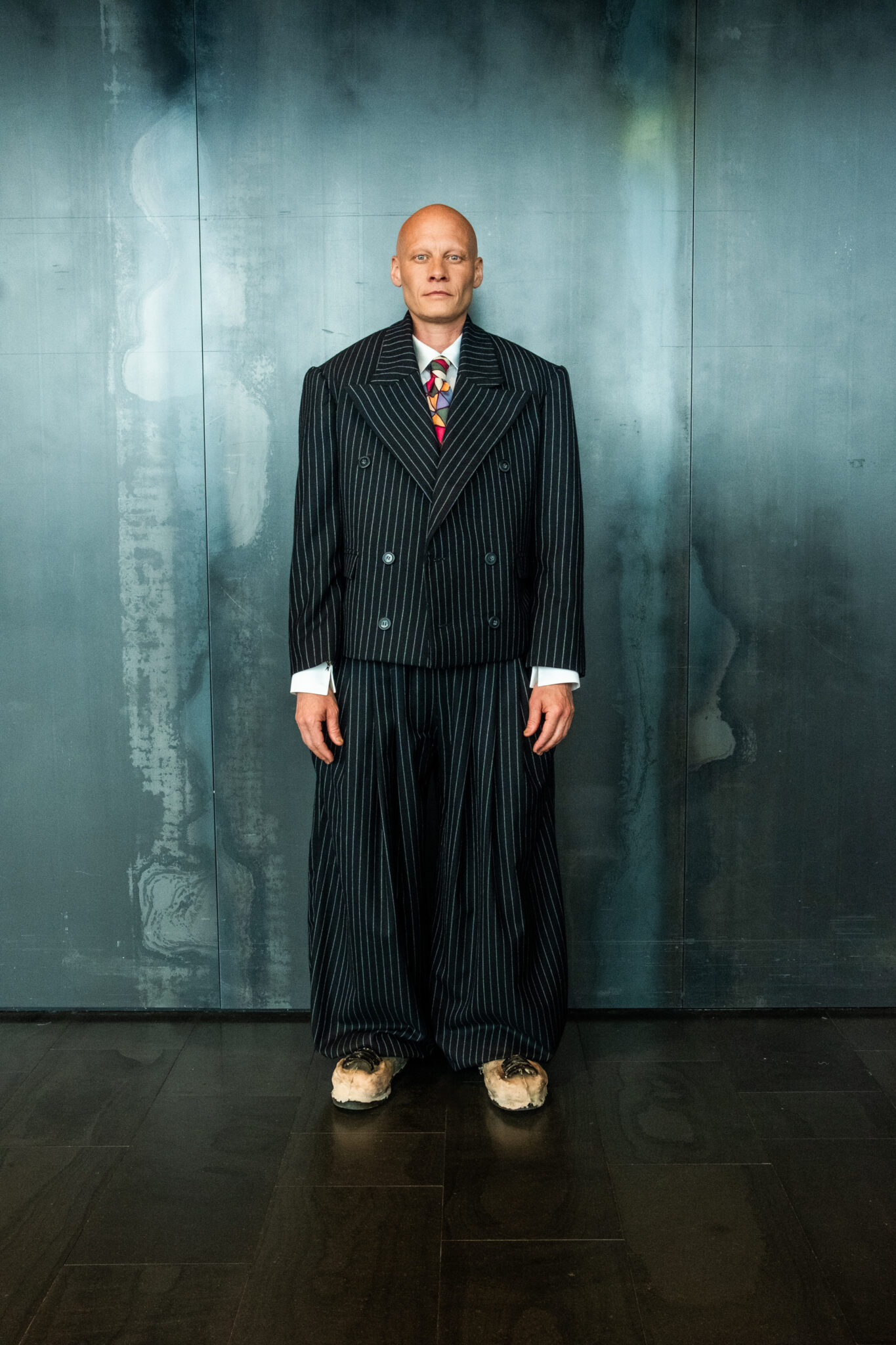
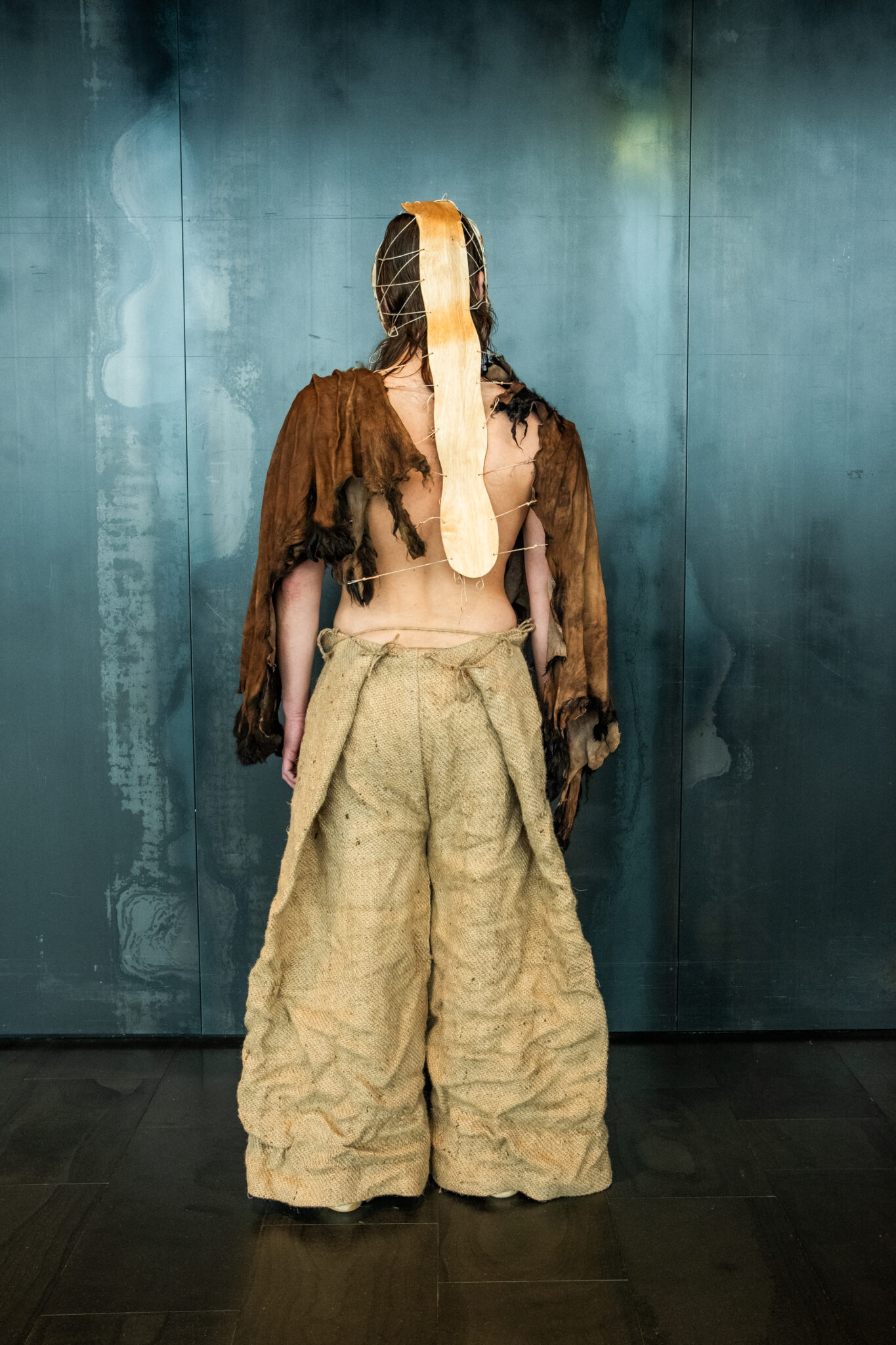
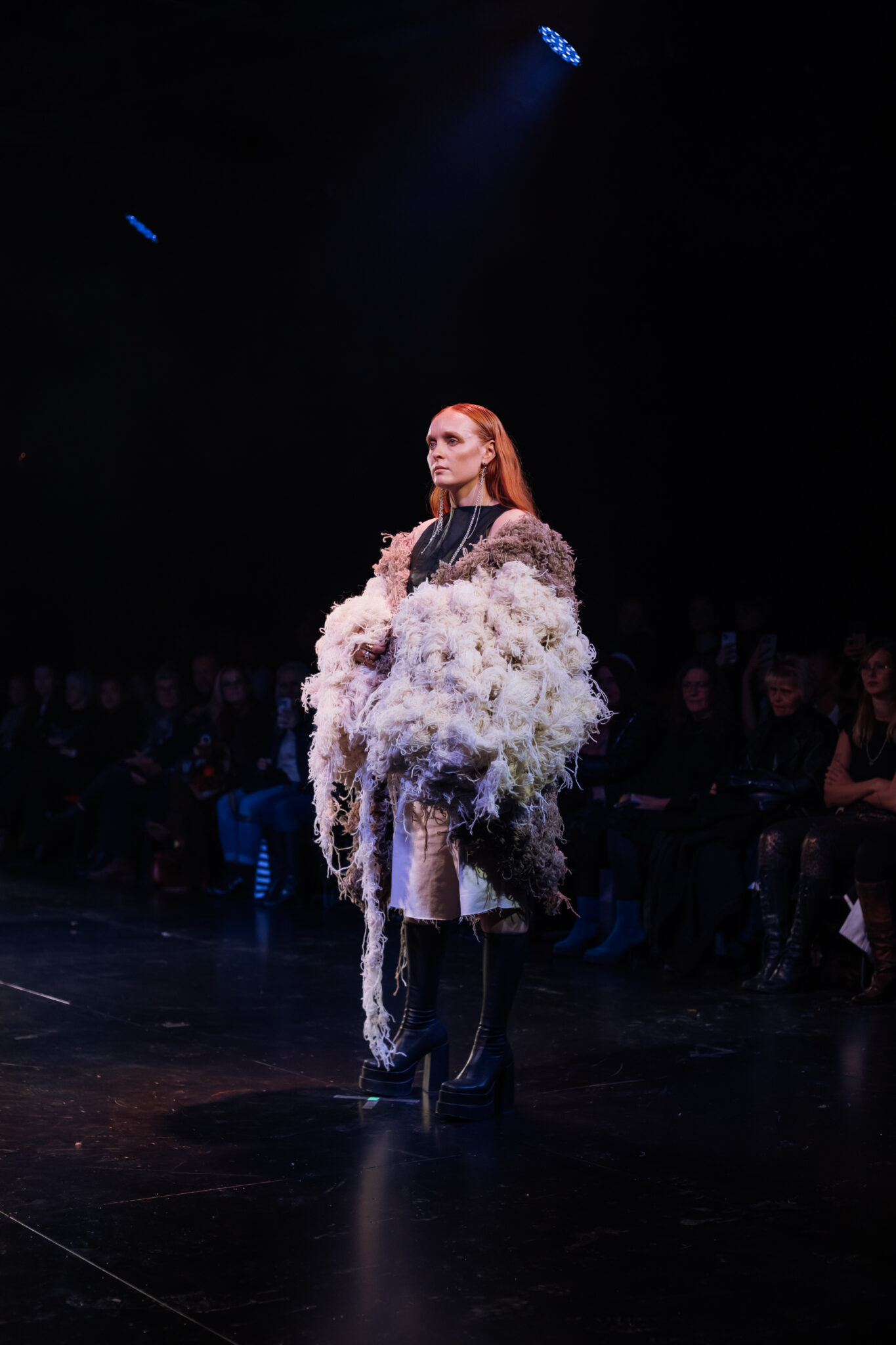
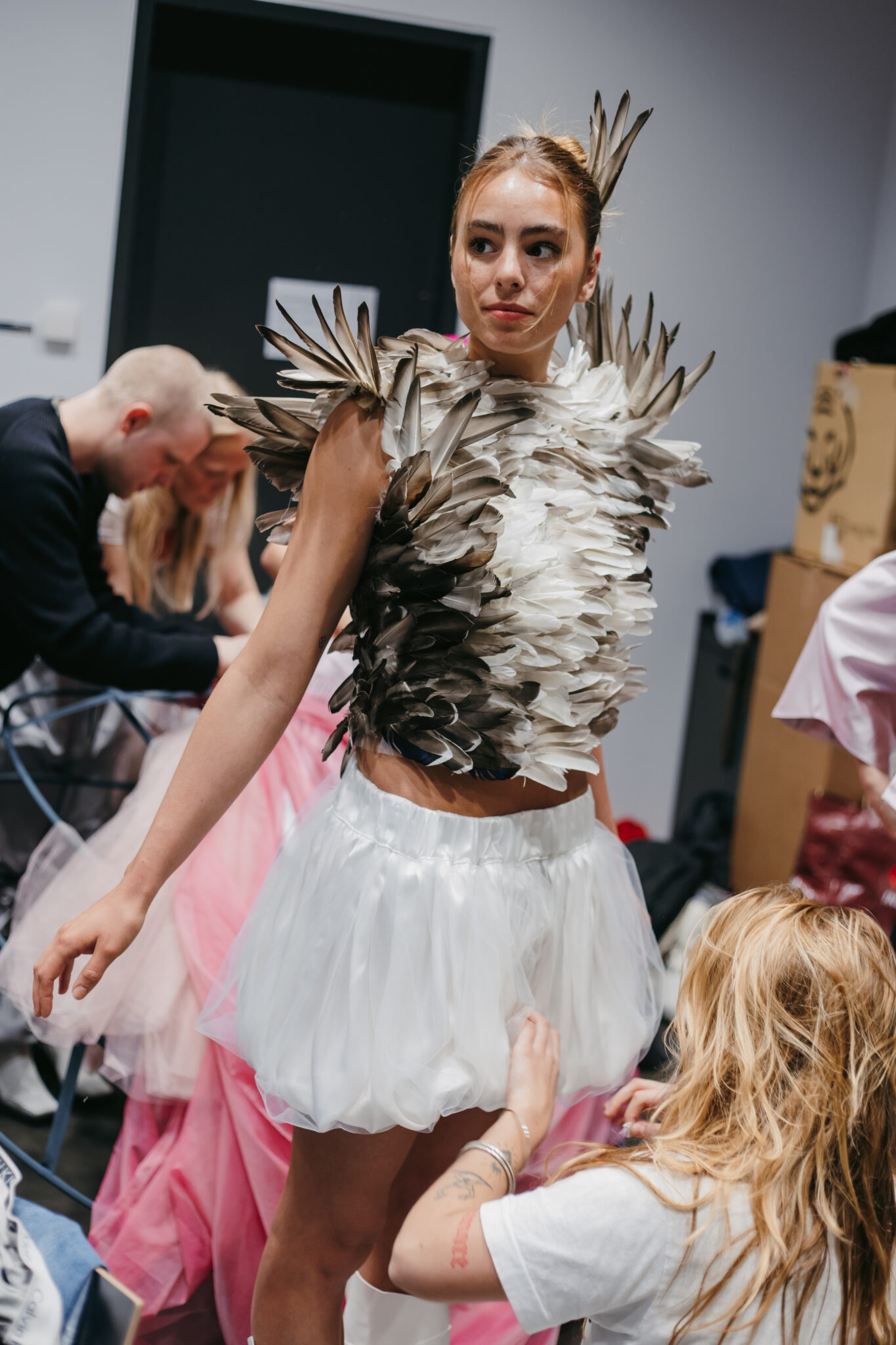
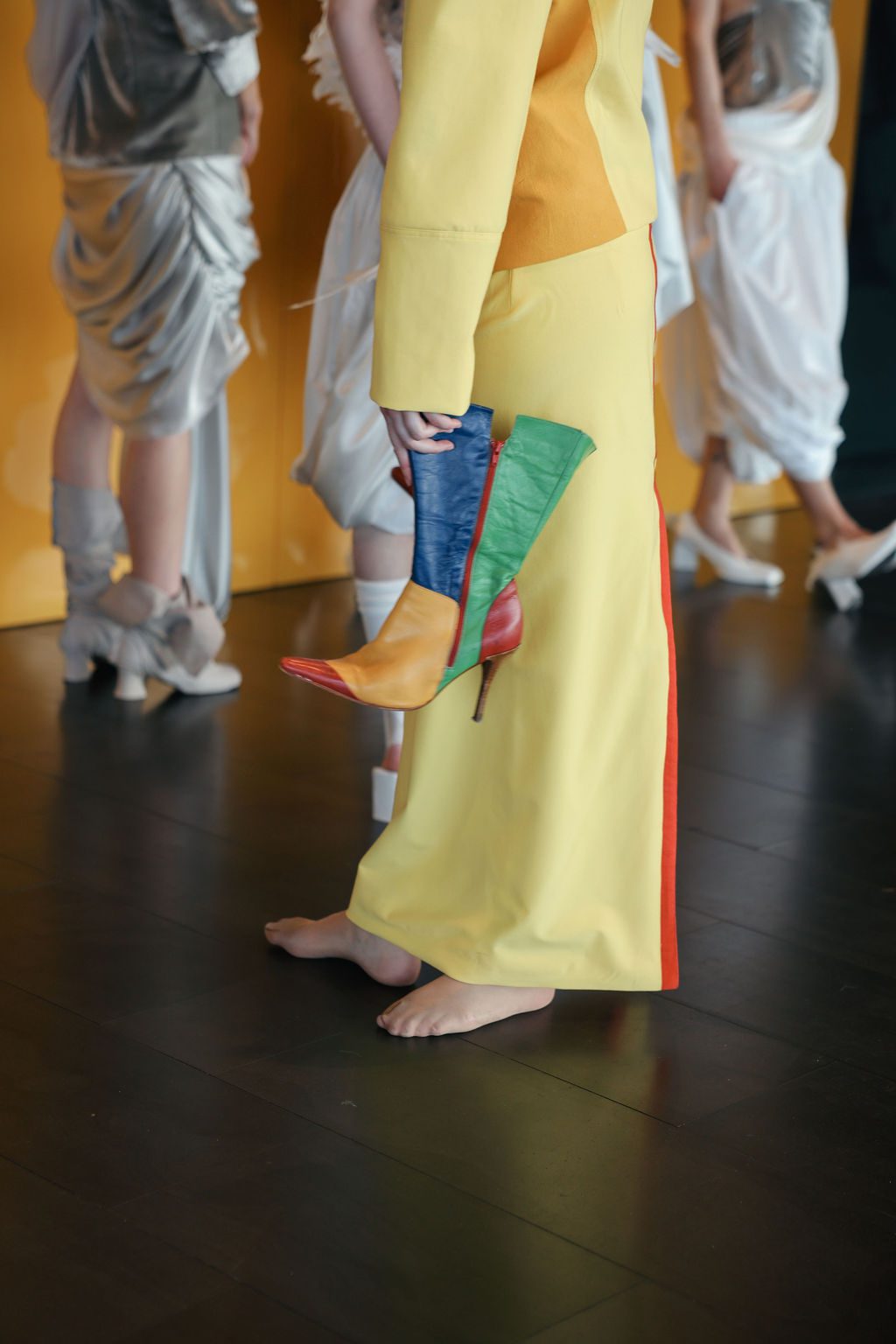
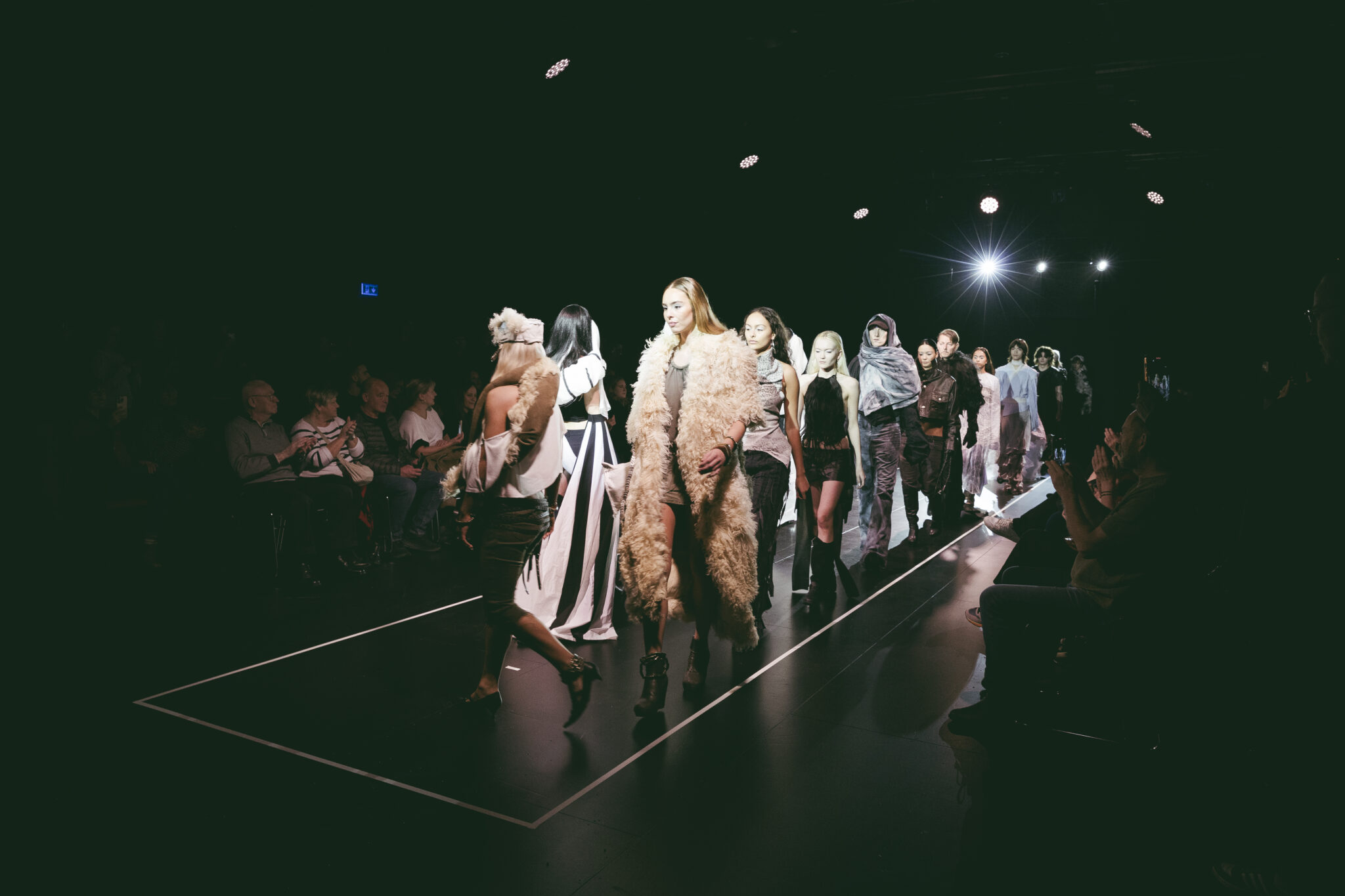
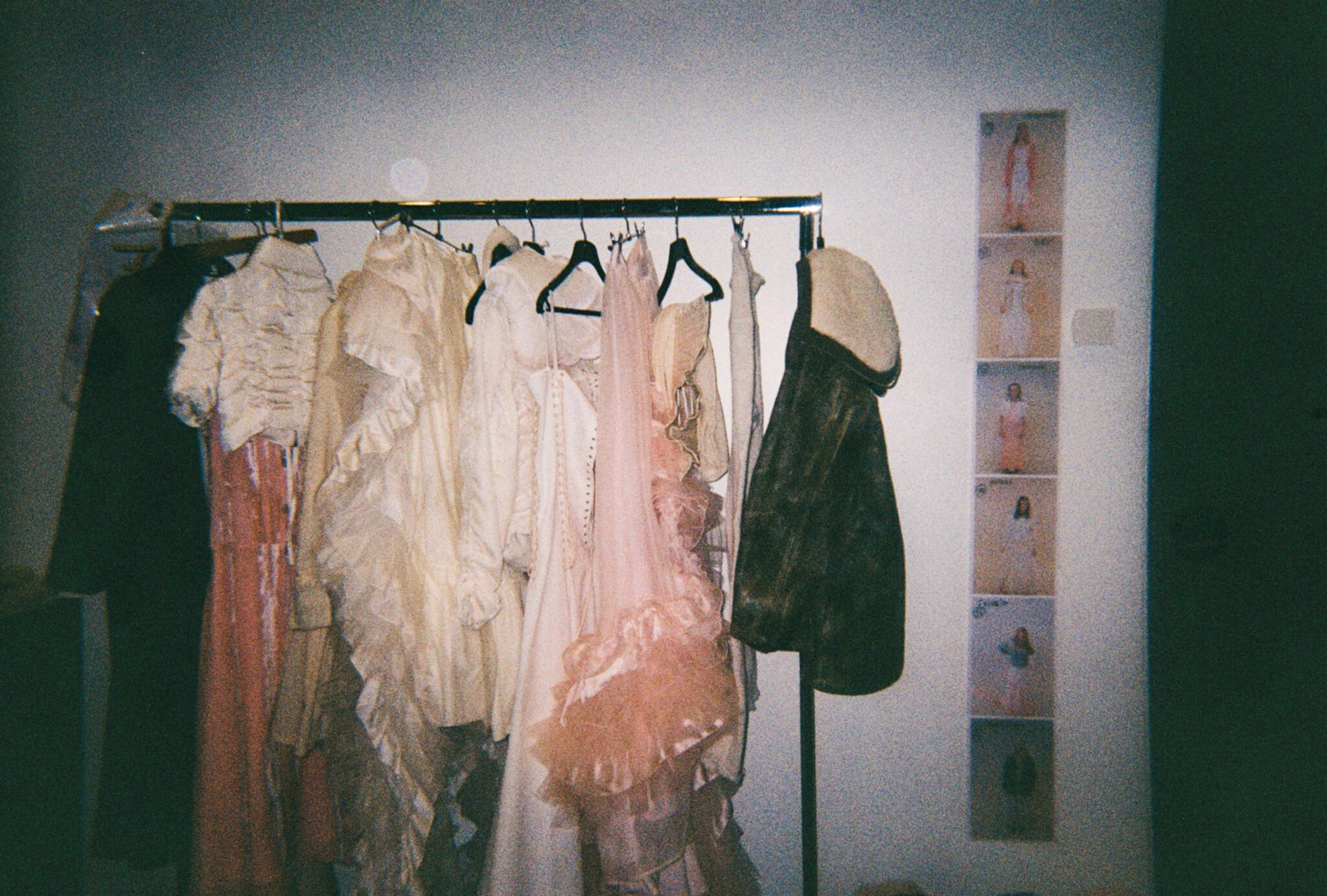
Second-year students work in collaboration with the Red Cross on the project Disagreement where second-hand clothing is recycled and put into a new context and the result is displayed at a fashion show In recent years, students have been working with the Cristóbal Balenciaga Museum in Spain on a project that takes into account the master's methods and is also a contribution to an international design competition organized by the museum.
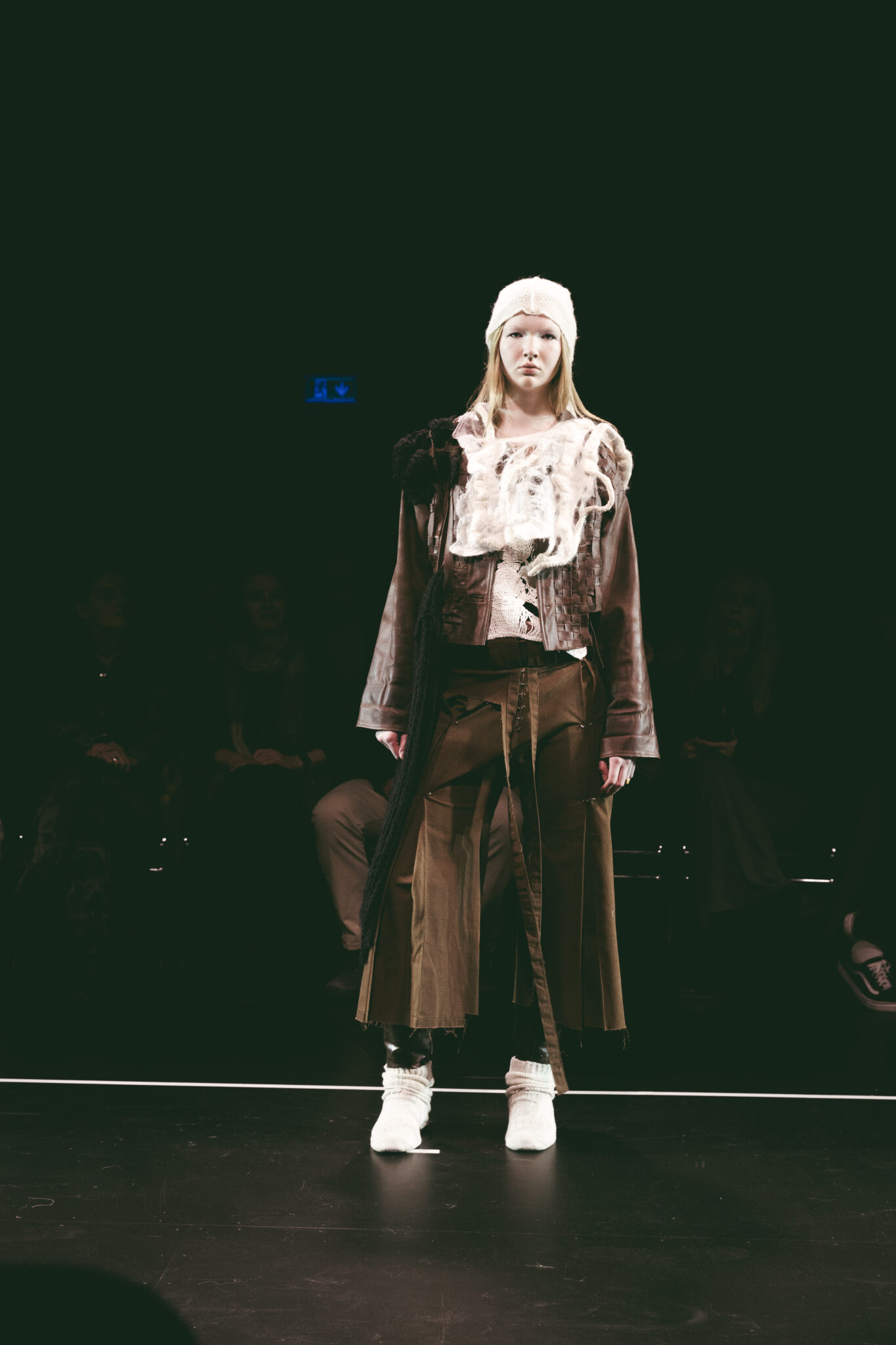
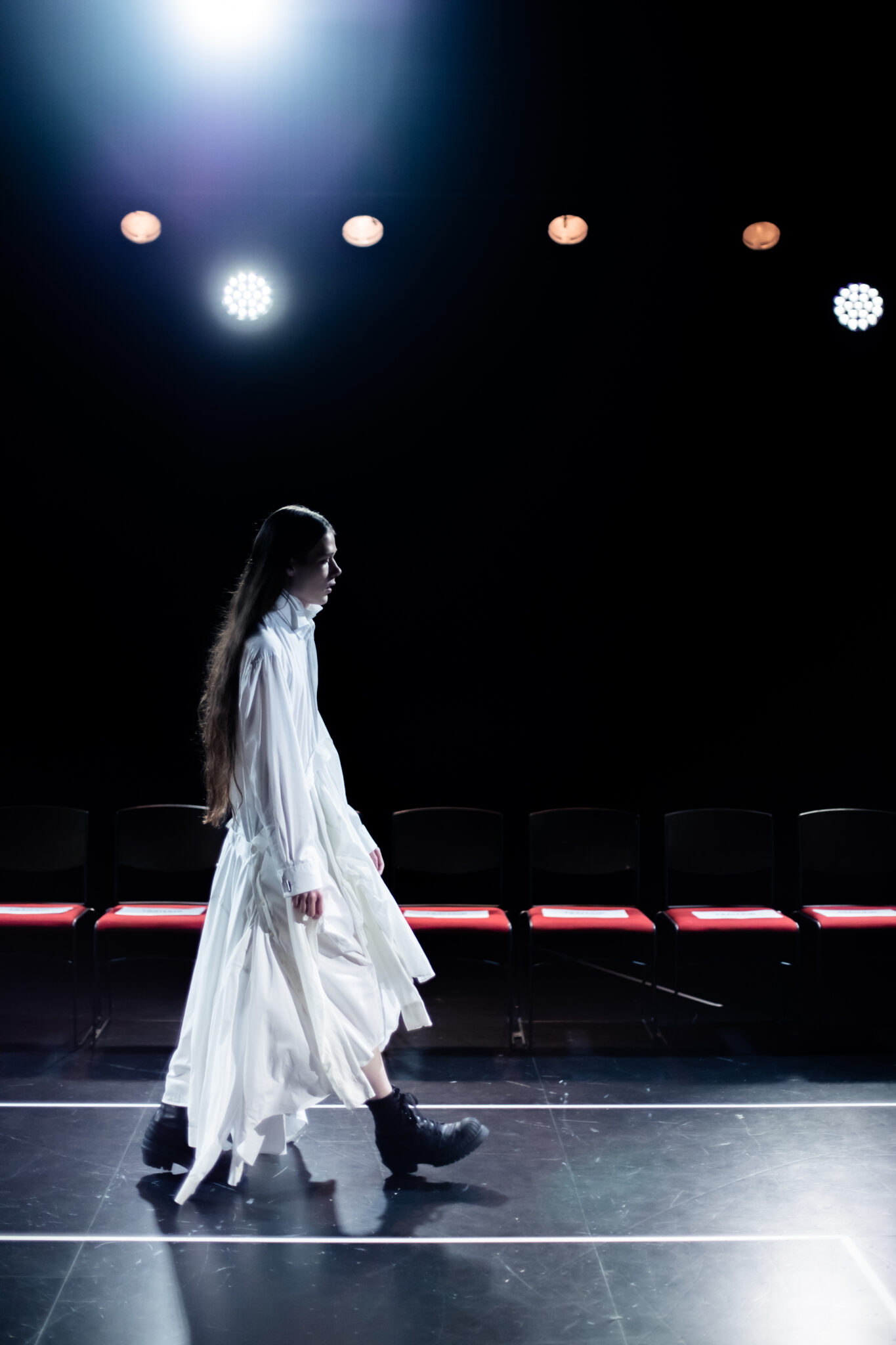
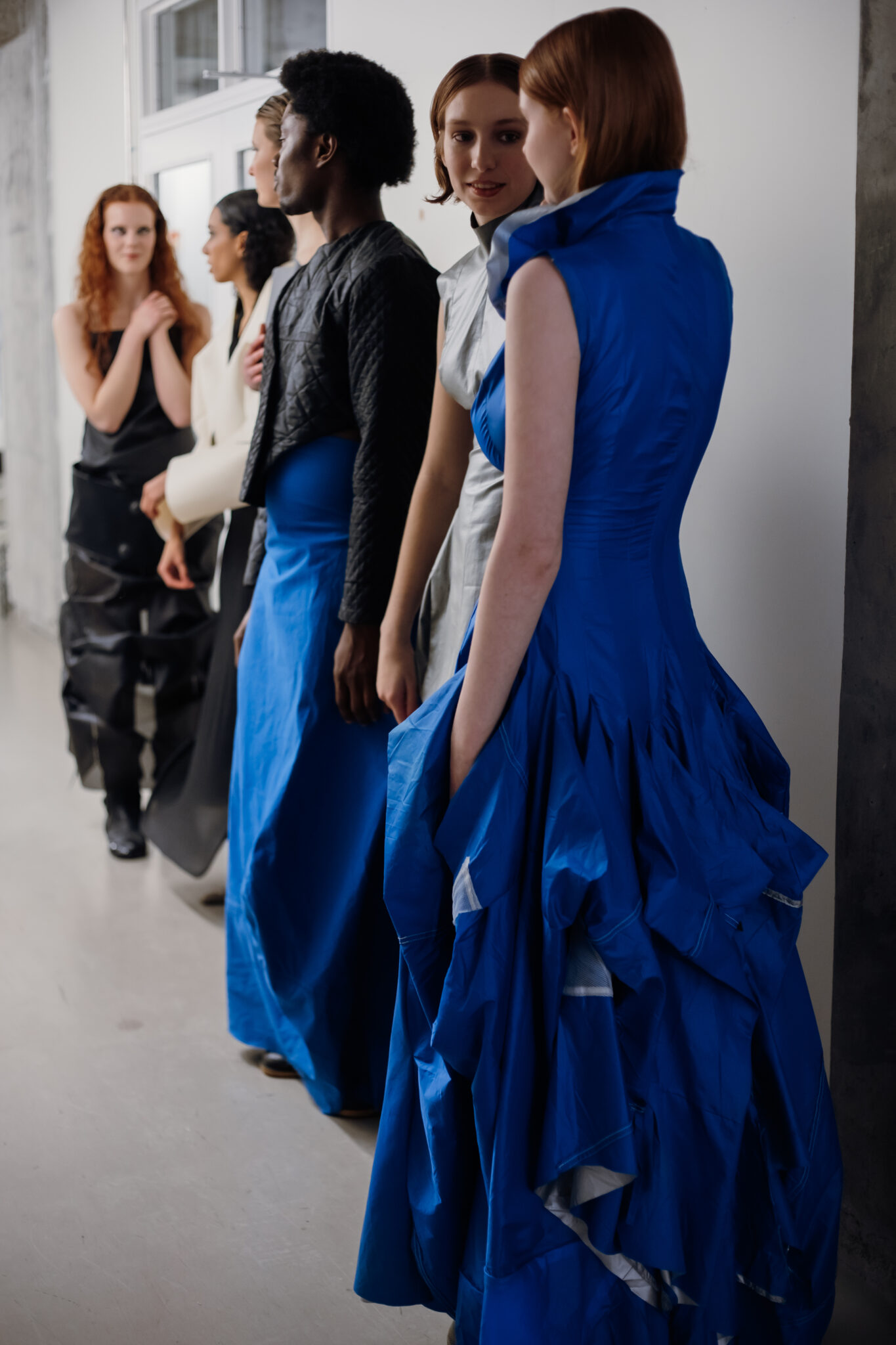
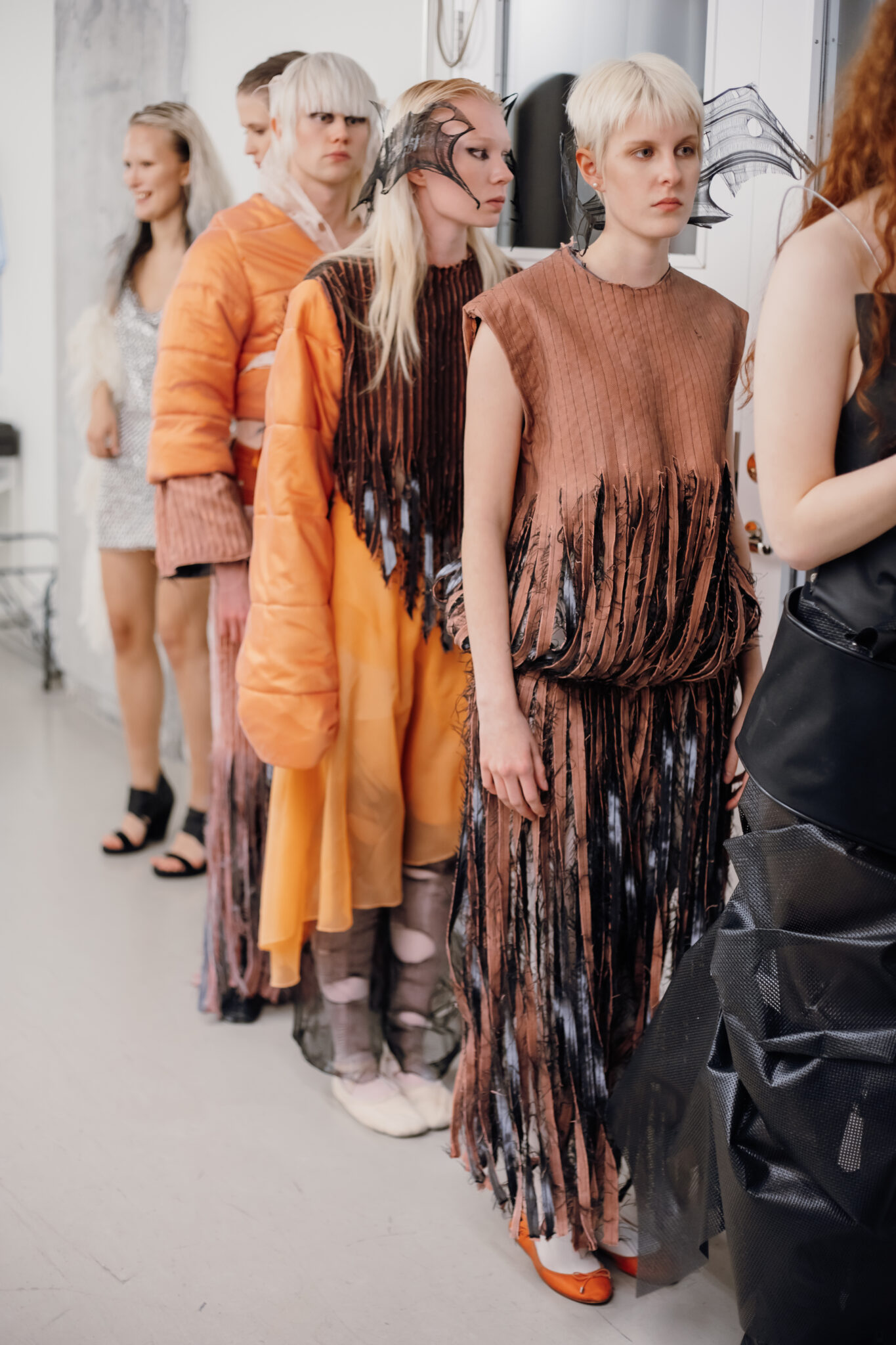
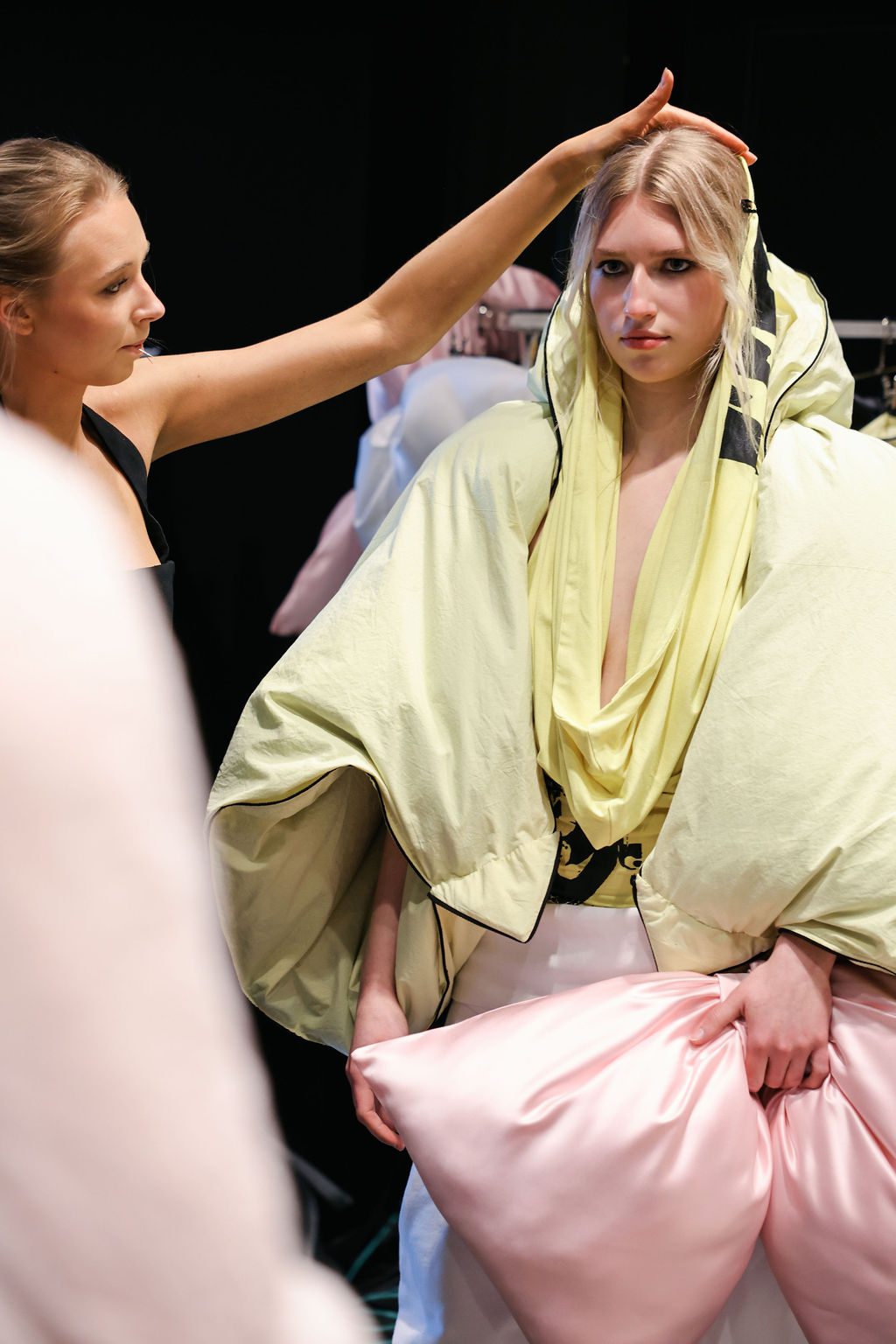
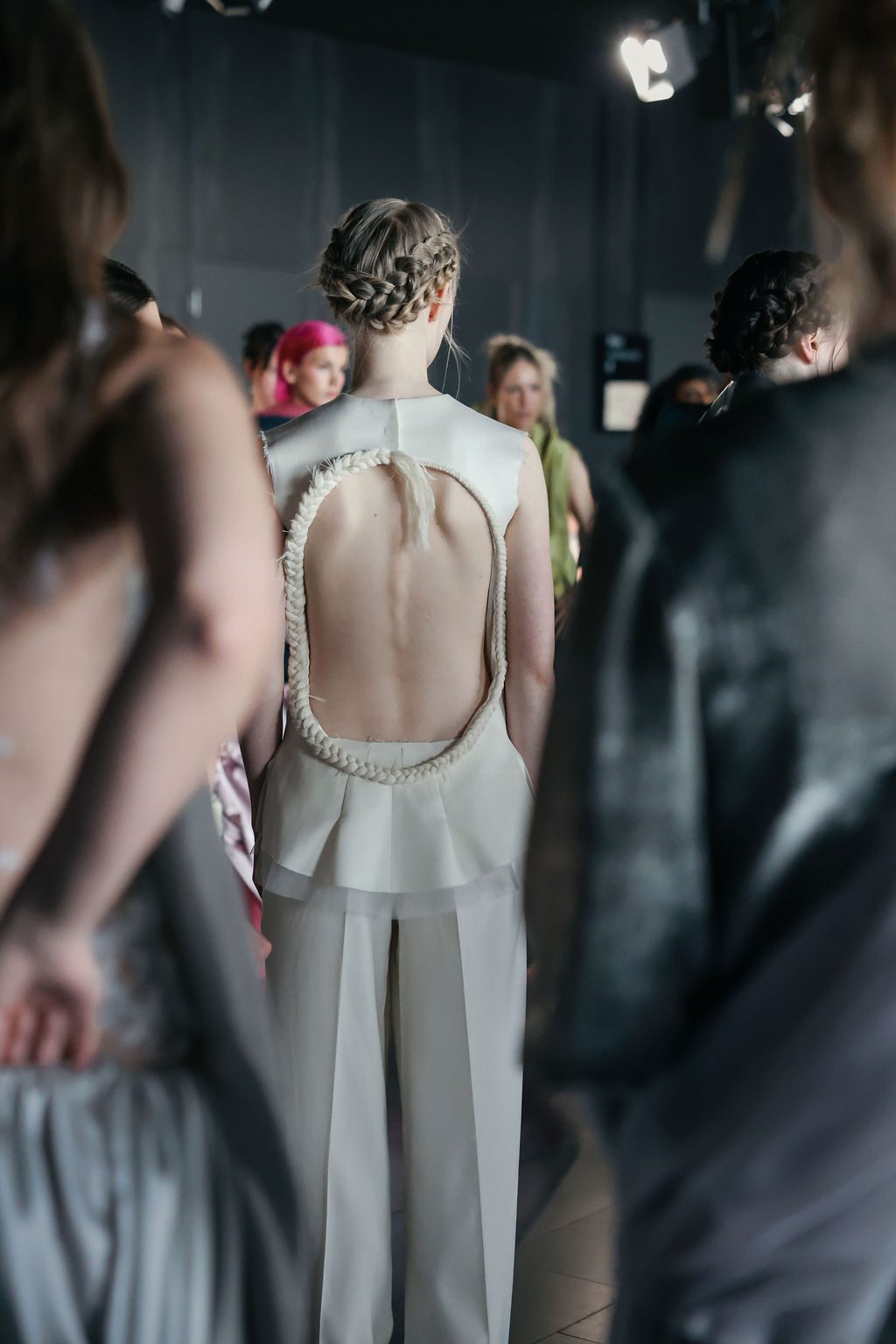
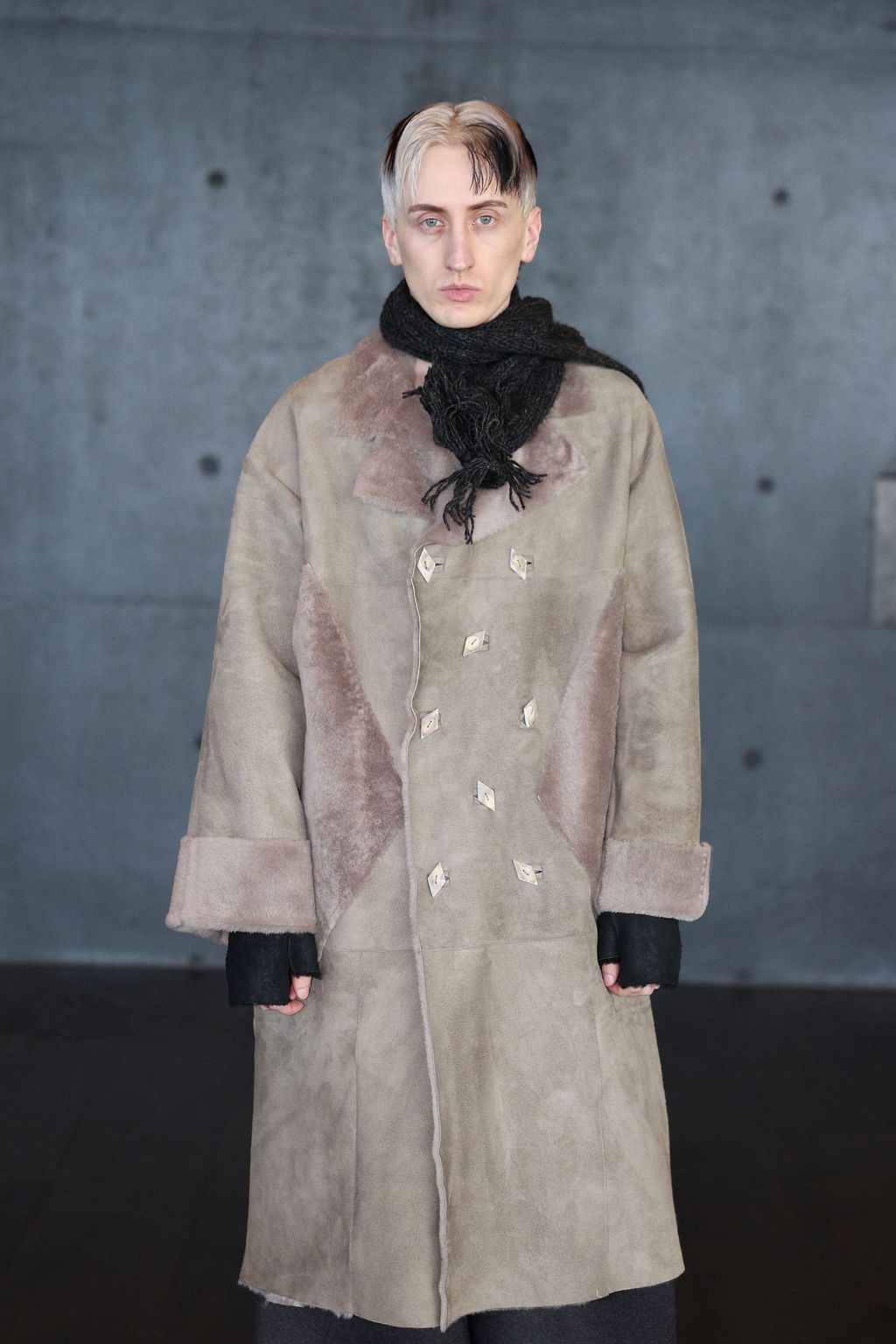
The program ends with a study and a large fashion show in which graduate students present their final assignments to a bachelor's degree, their own clothing line that reflects the specialization, focus and aesthetics of each individual.
Programme structure
The three-year course is 180 credits and is divided into theory, technology and workshops Teaching takes place in lectures, in workshops and in the student's work area where each has its own facilities The program is local, taught in Icelandic and the student is responsible for their own academic progress The student-centered program gives each one the scope to approach the projects according to their own interests and strengths, while the teacher's role is to guide the design process and tools and support the student in their own search for knowledge. The focus is on the student's conversation with teachers and fellow students, where their own work and that of others are interpreted and put into context. Assessment is a written review and aims at the stand/fall.
After graduation
After completing their studies, students should be able to work independently and creatively on different projects in the field of fashion design, at design companies or independently The program also prepares students well for postgraduate studies at the master's level.









Application and admission process
To apply for a bachelor's degree in graphic design, an electronic application is filled out, the requested data is included, and the application fee must be subsequently paid. Once these steps are completed and once it has been ascertained that the applicant has submitted all necessary information and supporting documents, he receives confirmation by email that the electronic application is valid and received.
If the number of applicants meeting the admission criteria for a study programme falls below the minimum threshold, the programme will not be offered for the upcoming academic year. Applicants will be informed of this as soon as possible, and the registration fee will be refunded if it has already been paid.
Below are special instructions for certain aspects of the application.
Required 1. Portfolio
-
Note that you have to choose between a physical or electronic folder/portfolio.If you are applying for more study programs or departments, you must submit an application and a folder for each study programme/department.Portfolio submission deadline:Substantive submission deadline or electronic folder is 5 April 2027. In the case of a physical folder, it must be returned or sent by mail to the LHÍ office:
-
Iceland University of the Arts, Department of Design
-
Stakkahlíð 1
-
105 Reykjavík
If a folder is sent by mail, a postmark must be dated at the latest 5 April 2027. The folder should be sent by traceable mail and the envelope marked with Application design.We ask you to read carefully the instructions below regarding folder labeling:Folder tagging:-
If your folder is physical, you need to include a sheet with it that clearly states your full name and social security number.
-
If your folder is electronic, you need to save the file with your full name and social security number.
Folder contents:Applicants must collect samples of their work in a folder in physical or electronic form.The works should reflect the student's personal vision, shed light on his main topics of interest, and from them it should be possible to read what skills he has for original creation and presentation of his ideas.It is not necessary that all the works be completed or implemented to the fullest extent, on the contrary, it is important that there is also any design process, sketches, drawings, photographs or text. All the exhibited works are to be the author's work of the applicant If a work has been done in group work or collaboration, it is necessary to state that.The applicant himself has to assess what fits within the folder, but it is important that it reflects his ability, skills and vision of the profession through creative work.Content outside the folder, such as links or references to other documents electronically, is defined as additional content and it is not guaranteed that it will be viewed. -
Required 2. Cover letter
Applicants explain the reason for the application in the relevant study programme. The cover letter should be a maximum of one page.
Required 3. The admission process
-
Applications are evaluated by the admissions committee Applicants who pass the admissions committee's assessment make it to the sample group and are invited for an interview.
-
Applicants meet with the admissions committee in an interview where their interest in prospective studies, their attitude and attitude towards the profession is explored Applicants can request an electronic interview if they are unable to attend in person.
4. Admissions criteria
Required 5. Exemptions due to admission
Admission to the school may be granted to applicants with knowledge and experience
which is considered adequate preparation for bachelor's studies at the school.
Applicants who do not meet the general admissions criteria can apply for an exemption if they have
completed, for example, numerous credits at secondary school level, completed other final exams such as on 4.
qualification level or have other preparation that can prepare the person for studies on
university level in the relevant study programme. Applications for exemption from general
admission requirements are assessed by professionals within the relevant department The result of the assessment of
exemption applications are final. When evaluating applications, synergistic factors are considered
regarding grades in studies at secondary school level, education in arts, further education,
work experience and participation in social work Each case is examined separately and can interact
these factors affected the outcome Applicants are encouraged to account for all of it
which they believe may be subject to their application for exemption from general admission requirements
progress.
Admission committees evaluate applications based on submitted data as well as interviews and/or entrance exams
the fields that apply. The dean appoints an admissions committee for each study programme in consultation with
professional managers and admissions committees work according to the procedures presented to applicants.